




Minneapolis sits at the confluence of the Mississippi and Minnesota Rivers, creating constant moisture pressure on foundations and basements. Our freeze-thaw cycles are brutal. Winter temperatures drop below zero, freezing water in pipes, ice dams on roofs, and frost heaving foundations. When spring arrives, rapid snowmelt overwhelms storm drains and saturates soil around basement walls.
Minneapolis homes average 150 freeze-thaw cycles per winter. Each cycle expands cracks in foundations, compromises pipe joints, and loosens roof flashing. Add our clay-heavy soil that holds water like a sponge, and you get persistent hydrostatic pressure forcing groundwater through basement walls in Powderhorn, Longfellow, and Northeast neighborhoods.
Summer brings different threats. Severe thunderstorms dump three inches of rain in thirty minutes, overwhelming aging sewer systems in older neighborhoods like Whittier and Seward. Combined sewer overflows back up into basements. Humidity stays high through July and August, preventing proper drying and creating mold growth within 48 hours of water intrusion.
Minneapolis building codes require specific waterproofing standards, but homes built before 1980 often lack proper drainage systems. Water finds every weakness, whether from roof leaks, appliance failures, or foundation cracks.
Pioneer Water Damage Restoration Minneapolis operates 24 hours a day because water damage does not wait for business hours. Our dispatch center answers your call in under 60 seconds, and technicians arrive within 90 minutes anywhere in the Minneapolis metro. We maintain fully stocked response vehicles staged strategically across the city, so you get help fast when you need it most.
Our technicians hold IICRC certifications in water damage restoration, structural drying, and applied microbial remediation. They understand Minneapolis construction methods, from limestone foundation walls in Victorian homes near Lake of the Isles to modern concrete block basements in suburban developments. This expertise matters when determining extraction methods, drying protocols, and structural stability assessments.
We work directly with every major insurance carrier serving Minneapolis. Our estimators use Xactimate software, the same system your adjuster uses, which eliminates disputes and speeds approvals. We document everything with thermal imaging, moisture mapping, and daily progress photos. You get transparent communication about what we find, what we recommend, and what it costs.
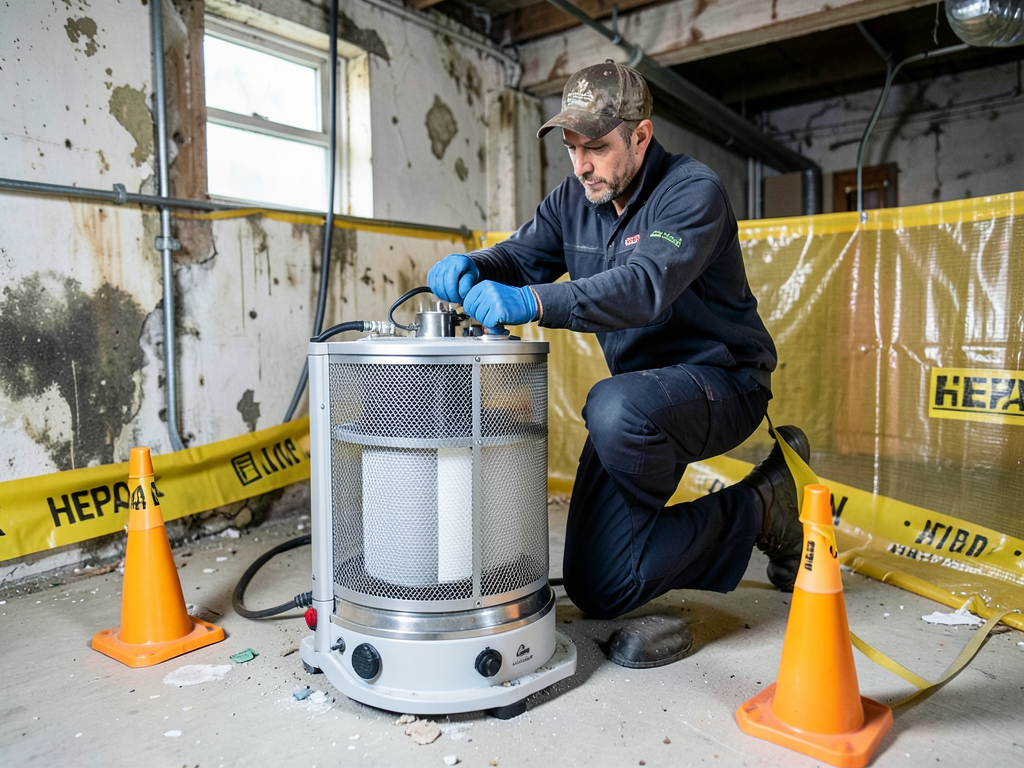
Pioneer uses commercial-grade equipment that outperforms consumer rentals by orders of magnitude. Our truck-mounted extractors pull thousands of gallons per hour. Our low-grain refrigerant dehumidifiers work efficiently even in cold basements. Our air scrubbers filter mold spores and contaminants during demolition. We bring the right tools for complete water removal and structural drying, not halfway measures that leave moisture trapped in wall cavities.
Minneapolis families choose us because we stop panic with competence. You call overwhelmed, we arrive prepared, and we restore your property completely.

Our dispatch center operates around the clock with technicians staged across Minneapolis. When you call, we mobilize immediately. Faster response means less water migration, less structural damage, and lower restoration costs. Every minute counts when water is spreading through your home.

Every technician on our crews holds current certifications in water damage restoration and applied structural drying. They follow industry protocols for moisture detection, extraction, drying, and antimicrobial treatment. You get trained professionals, not undertrained laborers learning on your property.
We handle all communication with your insurance carrier, from initial claim documentation to final invoice approval. Our estimators speak the same language as adjusters and use industry-standard pricing software. This eliminates delays, reduces out-of-pocket costs, and gets you approved faster.
We perform every phase of restoration from emergency water removal through final reconstruction. One company manages your entire project, eliminating coordination headaches and finger-pointing between contractors. You get faster completion and seamless service from crisis to completion.
Water damage restoration requires immediate action followed by precise technical work. Pioneer Water Damage Restoration Minneapolis handles every phase of recovery, from stopping active water intrusion to rebuilding damaged structures. Our crews respond to emergencies 24 hours a day, extract standing water within hours, and execute controlled drying protocols that prevent secondary damage.
We divide our services into three core specialties based on damage severity and response timing. Emergency water removal focuses on rapid extraction and damage mitigation. Structural drying and dehumidification address moisture trapped in building materials. Complete restoration rebuilds what water destroyed. Each specialty requires different equipment, techniques, and expertise.
Minneapolis properties face unique challenges. Basement flooding from groundwater requires different extraction methods than second-floor supply line breaks. Sewage backups demand antimicrobial protocols that clean water floods do not. Frozen pipe bursts need immediate heating to prevent refreezing during restoration. We match our approach to your specific situation, using proven methods that work in Minneapolis conditions.
Truck-mounted extractors remove thousands of gallons of standing water per hour from basements, crawl spaces, and living areas. Our crews arrive with submersible pumps, weighted extractors, and industrial wet vacuums. We remove furniture, pull saturated carpeting, extract water from hardwood floors, and document all damage with photos and moisture readings. Rapid extraction prevents water from migrating into wall cavities, subfloors, and insulation where it causes hidden damage and mold growth.
Commercial dehumidifiers and high-velocity air movers create controlled drying environments that pull moisture from lumber, drywall, concrete, and insulation. We monitor moisture levels daily with penetrating meters and thermal imaging cameras. Drying protocols follow IICRC S500 standards, adjusting equipment placement and airflow based on material density and moisture content. Proper structural drying prevents warping, swelling, and mold contamination. Most structures reach acceptable moisture levels within three to five days.
Licensed contractors rebuild what water destroyed, from drywall replacement to complete basement reconstruction. We match existing finishes, repair damaged framing, install new flooring, and repaint to original condition. Our reconstruction crews understand Minneapolis building codes and work efficiently to return your home to pre-loss condition. Insurance-approved estimates cover all necessary repairs. You get one company managing your entire restoration from emergency response through final walkthrough.
Minneapolis water damage follows predictable patterns tied to our climate and infrastructure. Winter freeze events cause the majority of emergency calls, followed by spring flooding and summer storm damage. Understanding common failure points helps property owners recognize warning signs before minor leaks become major disasters.
Older Minneapolis neighborhoods face higher risk because homes were built before modern waterproofing standards. Foundation drainage systems installed in the 1950s and 1960s no longer function effectively. Clay sewer lines crack and separate. Cast iron supply pipes corrode through. These aging systems fail suddenly, often causing extensive damage before homeowners discover the problem.
New construction is not immune. Rapid development in areas like North Loop and Northeast creates drainage issues when new buildings change water flow patterns. Improperly installed appliances cause supply line failures. Basement finished without proper vapor barriers trap moisture. Water finds weaknesses in every type of construction.
Minneapolis winter temperatures freeze water inside pipes, creating pressure that splits copper, PVC, and PEX lines. Exterior walls, unheated crawl spaces, and attics face highest risk. When pipes thaw, water floods rapidly through walls and ceilings. A single split pipe releases hundreds of gallons before homeowners shut off main supply lines.
Spring snowmelt and heavy rains saturate soil around foundations, overwhelming drainage systems and forcing water through basement walls. Neighborhoods near lakes and creeks flood most frequently. Failed sump pumps, clogged foundation drains, and hydrostatic pressure combine to push thousands of gallons into finished basements. Groundwater carries sediment and contaminants requiring specialized cleanup.
Combined sewer systems in older Minneapolis neighborhoods overflow during heavy storms, backing sewage into basement drains. Tree roots penetrate aging clay sewer lines, blocking flow. Main line failures flood basements with contaminated water requiring antimicrobial treatment. Sewage backups demand immediate response because bacterial contamination spreads rapidly through porous materials.
Water heaters, washing machines, dishwashers, and refrigerators fail without warning. Supply line connections crack. Hoses burst. Tanks corrode through. Appliance failures release 40 to 80 gallons of water directly onto finished floors, saturating hardwood, carpet, and subfloors. Second-floor appliance failures cause ceiling damage to rooms below.
Water damage creates panic. You need help now, not tomorrow. Pioneer Water Damage Restoration Minneapolis operates with military precision because we understand urgency. When you call our dispatch center, you talk to a person who knows Minneapolis geography, understands water damage, and mobilizes crews immediately.
We ask targeted questions about your situation. Where is water entering? How much standing water? What areas are affected? Your answers determine which equipment we bring and how many technicians respond. Our goal is stopping damage progression within the first hour.
You receive clear communication at every step. We explain what we find, what actions we recommend, and what timeline to expect. No confusion, no surprises, no discovering problems after work begins. Our project managers stay in constant contact from initial assessment through final inspection. You know exactly what is happening with your property every day.
Our dispatch center answers calls in under 60 seconds and mobilizes the nearest response team immediately. Technicians arrive within 90 minutes anywhere in Minneapolis with extraction equipment, moisture detection tools, and damage documentation systems. We call you when we are 15 minutes out so someone can meet us onsite. Fast response stops water from spreading into unaffected areas and reduces total damage scope.
We photograph and document every aspect of water damage before beginning work. Moisture meters measure saturation levels in walls, floors, and ceilings. Thermal imaging identifies hidden moisture. You receive detailed reports showing affected areas, moisture readings, and recommended actions. Our project managers explain findings in plain language and answer all questions before proceeding. Insurance companies receive identical documentation to expedite claims.
We finish what we start. After extraction and drying, our construction crews rebuild damaged areas to match existing conditions. You do not coordinate between emergency services and separate contractors. One company manages your entire project from crisis response through final walkthrough. Our quality guarantee ensures workmanship meets industry standards. You sign off only when restoration is complete and you are satisfied.
Every water damage situation is different, but our response follows proven protocols that minimize damage and speed recovery. We move fast during emergency phases and shift to precision work during structural drying and reconstruction.
Technicians arrive and immediately assess damage severity, water source, and affected areas. We locate the main water shutoff if needed, identify safety hazards like electrical risks, and determine extraction requirements. Moisture meters and thermal cameras map saturation patterns. We photograph all damage for insurance documentation. This assessment takes 20 to 30 minutes and determines our action plan for stopping damage progression.
Truck-mounted extractors remove standing water first. Weighted extraction tools pull water from carpets and padding. We remove unsalvageable materials like soaked drywall and insulation. Commercial dehumidifiers and air movers begin controlled drying immediately. Our technicians monitor moisture levels daily, adjusting equipment placement to optimize drying efficiency. Most structures reach acceptable moisture levels within three to five days depending on saturation severity.
Licensed contractors rebuild damaged areas once structures are completely dry. We install new drywall, replace flooring, repair framing, and match paint colors. Reconstruction follows insurance-approved estimates and Minneapolis building codes. Our quality control inspectors verify all work before scheduling your final walkthrough. You approve completion only when restoration meets your standards and returns your property to pre-loss condition.
Professional water damage restoration follows Institute of Inspection Cleaning and Restoration Certification standards, specifically the IICRC S500 Standard and Reference Guide for Professional Water Damage Restoration. These protocols classify water damage by contamination level and material saturation to determine appropriate remediation methods.
Water falls into three categories. Category 1 is clean water from supply lines, melting snow, or rainwater. Category 2 is gray water containing contaminants from washing machines, dishwashers, or toilet overflow without feces. Category 3 is black water from sewage backups, flooding from rivers, or standing water with bacterial growth. Each category requires different safety protocols and disposal methods.
Material saturation is classified in four levels. Class 1 affects minimal area with low saturation in materials with low permeability. Class 2 affects entire rooms with significant moisture in materials. Class 3 involves ceiling, walls, insulation, and subfloor saturation from overhead sources. Class 4 requires specialty drying for materials like hardwood, plaster, and concrete with deep saturation. Minneapolis basement floods typically rate Class 3 or 4 because water saturates concrete, insulation, and framing.
Proper drying requires specific vapor pressure and temperature control. We maintain drying chambers at optimal temperature and humidity levels to maximize evaporation rates without causing secondary damage. Psychrometric calculations determine dehumidifier capacity and air mover placement. Too little drying leaves moisture that causes mold. Too much drying too fast can crack drywall and warp wood.
Minneapolis climate complicates drying protocols. Winter restoration requires supplemental heating because dehumidifiers lose efficiency below 60 degrees. Frozen ground prevents moisture from evaporating through basement floors. Summer humidity slows drying and requires larger dehumidification capacity. Our technicians adjust protocols based on seasonal conditions and building characteristics.
Restoration costs depend on water volume, contamination category, saturation class, and affected square footage. Category 3 sewage cleanup costs more than Category 1 clean water because of antimicrobial treatment and specialized disposal. Class 4 deep saturation requires longer drying time and specialty equipment. Most homeowner policies cover sudden water damage. Deductibles typically range from $500 to $2,500.
Structural drying takes three to seven days for most Minneapolis properties. Variables include material type, saturation depth, temperature, and humidity. Concrete basement walls dry slower than wood framing. Winter conditions extend drying time. We monitor moisture daily with penetrating meters until readings reach acceptable levels. Rushing drying causes material damage. Incomplete drying causes mold growth.
Reconstruction must meet current Minneapolis building codes even if original construction predates modern standards. This includes proper vapor barriers in basements, GFCI outlets near water sources, and egress windows in finished basement bedrooms. Our contractors pull necessary permits and schedule required inspections. Code compliance protects your investment and ensures insurance coverage remains valid.
Professional overview of water damage restoration services in Minneapolis explaining emergency response procedures, extraction methods, structural drying protocols, and reconstruction processes. Covers common water damage causes in Minneapolis including frozen pipe bursts, basement flooding, and sewage backups. Details IICRC S500 restoration standards, water damage classification systems, insurance coordination, and Minneapolis building code requirements for proper remediation and repair.
Pioneer Water Damage Restoration Minneapolis serves every neighborhood across the city and surrounding suburbs. Our response vehicles stage strategically to reach any location within 90 minutes. We understand how water damage patterns vary across different areas because of construction age, soil conditions, and proximity to water sources.
Downtown Minneapolis and North Loop properties face unique challenges from high-rise construction and aging infrastructure. Luxury condos experience supply line failures in upper floors that damage multiple units below. Historic buildings near the Mississippi River deal with foundation moisture from high water tables. Our crews bring specialized equipment for urban access and vertical water migration.
South Minneapolis neighborhoods like Powderhorn, Longfellow, and Nokomis contain older homes built between 1920 and 1960. These properties have limestone foundations, clay sewer lines, and minimal waterproofing. Basement flooding occurs frequently during spring snowmelt. We respond to more groundwater intrusion calls in these areas than anywhere else in the city.
Northeast Minneapolis has diverse architecture from industrial conversions to new construction. Proximity to the Mississippi River creates elevated flood risk during heavy rain events. The Arts District and St. Anthony neighborhoods experience sewage backup issues when combined sewer systems overflow. Our teams carry contaminated water cleanup equipment specifically for Category 3 water damage common in Northeast.
West Minneapolis communities near Lake Calhoun, Lake Harriet, and Cedar Lake deal with high water tables that put constant pressure on basement walls. Uptown and Linden Hills properties need robust sump pump systems and foundation drainage. We install emergency backup systems during restoration to prevent recurring flooding.
Northern suburbs including Brooklyn Park, Brooklyn Center, and Fridley experience frozen pipe emergencies during extreme cold. We respond to numerous burst pipe calls each winter when temperatures drop below zero for extended periods. Our crews carry pipe thawing equipment and temporary heating systems to prevent refreezing during restoration.
Eastern suburbs like St. Paul, Maplewood, and Woodbury face similar water damage patterns to Minneapolis but with different soil composition. We adjust foundation waterproofing recommendations based on local geology and drainage characteristics. Response times remain under 90 minutes throughout the east metro.
Most water damage restoration projects in Minneapolis take 3 to 7 days. Small jobs like a single room finish in 2 to 3 days. Large-scale flooding affects multiple rooms and needs 1 to 2 weeks. Your timeline depends on water volume, affected areas, and structural damage. Drying time matters most. Minneapolis humidity levels affect drying speed. Professionals use moisture meters to confirm complete drying before reconstruction begins. Winter projects take longer because cold temperatures slow evaporation. You need complete drying to prevent mold.
Water damage restoration expenses vary based on damage extent and affected areas. A small leak affecting one room differs from basement flooding. Your specific situation determines final amounts. Most homeowners insurance policies cover sudden water damage events like burst pipes. Insurance often handles restoration expenses for covered incidents. Get multiple estimates from local Minneapolis companies. Companies assess your property and provide detailed pricing. Document everything for insurance claims. Take photos and keep receipts. Contact your insurance adjuster before starting work to understand your coverage limits.
Most Minneapolis homeowners insurance policies cover sudden and accidental water damage. Burst pipes, appliance failures, and storm damage typically qualify for coverage. Insurance excludes gradual damage from neglect or lack of maintenance. Flood damage requires separate flood insurance. Sewer backup needs specific endorsement on your policy. Read your policy before filing claims. Document all damage with photos and videos. Contact your insurance company immediately after discovering water damage. Your adjuster reviews your claim and determines coverage. Keep all receipts and restoration records.
Most water damage restoration projects in Minneapolis take 3 to 7 days. Small jobs like a single room finish in 2 to 3 days. Large-scale flooding affects multiple rooms and needs 1 to 2 weeks. Your timeline depends on water volume, affected areas, and structural damage. Drying time matters most. Minneapolis humidity levels affect drying speed. Professionals use moisture meters to confirm complete drying before reconstruction begins. Winter projects take longer because cold temperatures slow evaporation. You need complete drying to prevent mold.
Water damage restoration expenses vary based on damage extent and affected areas. A small leak affecting one room differs from basement flooding. Your specific situation determines final amounts. Most homeowners insurance policies cover sudden water damage events like burst pipes. Insurance often handles restoration expenses for covered incidents. Get multiple estimates from local Minneapolis companies. Companies assess your property and provide detailed pricing. Document everything for insurance claims. Take photos and keep receipts. Contact your insurance adjuster before starting work to understand your coverage limits.
Most Minneapolis homeowners insurance policies cover sudden and accidental water damage. Burst pipes, appliance failures, and storm damage typically qualify for coverage. Insurance excludes gradual damage from neglect or lack of maintenance. Flood damage requires separate flood insurance. Sewer backup needs specific endorsement on your policy. Read your policy before filing claims. Document all damage with photos and videos. Contact your insurance company immediately after discovering water damage. Your adjuster reviews your claim and determines coverage. Keep all receipts and restoration records.
Call a water damage restoration company within 24 hours of discovering water damage. Water spreads fast and soaks into walls, floors, and belongings. Mold starts growing in 24 to 48 hours in damp conditions. Minneapolis humidity accelerates mold growth during warm months. Immediate response limits damage and reduces restoration needs. Standing water weakens structural elements and ruins flooring. Quick action saves your belongings and lowers overall expenses. Professional teams extract water and start drying immediately. Every hour matters when dealing with water damage.
You stay home during minor water damage restoration affecting one room. Large projects requiring extensive drying equipment force temporary relocation. Loud industrial fans and dehumidifiers run 24 hours daily. Multiple rooms under restoration limit your living space. Safety concerns arise with structural damage or contaminated water. Your restoration company assesses your situation and recommends staying or leaving. Insurance policies often cover temporary housing during major restoration. Keep receipts for hotels and meals if you relocate. Your comfort and safety determine the best choice.
Water damage cleanup removes standing water and wet materials. Cleanup includes water extraction, debris removal, and basic cleaning. Water damage restoration goes further with complete property recovery. Restoration includes structural drying, repairs, sanitizing, and reconstruction. Professional restoration returns your Minneapolis home to pre-damage condition. Cleanup stops active water problems. Restoration fixes underlying damage and prevents future issues like mold. Complete restoration addresses moisture in walls, floors, and building materials. You need both services for proper recovery.
Choose a water damage restoration company with IICRC certification. Check online reviews on Google and the Better Business Association. Ask for local Minneapolis references from recent projects. Verify the company responds 24 hours daily for emergencies. Get written estimates before work begins. Confirm they work directly with insurance companies. Ask about their equipment and drying process. Experience with Minneapolis homes matters because local construction differs. Check how long they have operated locally. Choose companies with trained technicians and proper restoration equipment.
Professional restoration companies use industrial water extractors to remove standing water. Commercial-grade dehumidifiers pull moisture from air and materials. High-velocity air movers speed up drying by increasing airflow. Moisture meters measure water content in walls, floors, and ceilings. Infrared cameras detect hidden moisture behind surfaces. Air scrubbers filter contaminants and improve air quality. Hydroxyl generators eliminate odors without harmful chemicals. Professionals use hygrometers to monitor humidity levels. These tools work together to dry your Minneapolis home completely and prevent secondary damage.
Professional water damage restoration significantly reduces mold risk when done correctly. Technicians must dry all materials within 48 hours to prevent mold growth. Complete moisture removal stops mold before it starts. Minneapolis homes need thorough drying because humidity supports mold growth. Restoration teams monitor moisture levels until readings return to normal. They treat affected areas with antimicrobial solutions when needed. Hidden moisture in walls or floors leads to mold problems later. Professional equipment detects moisture you miss. Proper restoration addresses all water sources and drying needs.
Burst pipes cause most winter water damage in Minneapolis homes. Freezing temperatures split water lines in unheated spaces. Washing machine hoses fail after years of use. Water heaters leak when tanks corrode or connections loosen. Sump pump failures flood basements during heavy rain and snowmelt. Ice dams block roof drainage and force water under shingles. Toilet supply lines crack and leak. Dishwasher connections fail. Spring brings basement flooding from rapid snow melting. HVAC condensate lines clog and overflow. Regular maintenance prevents these common problems.
Call a water damage restoration company within 24 hours of discovering water damage. Water spreads fast and soaks into walls, floors, and belongings. Mold starts growing in 24 to 48 hours in damp conditions. Minneapolis humidity accelerates mold growth during warm months. Immediate response limits damage and reduces restoration needs. Standing water weakens structural elements and ruins flooring. Quick action saves your belongings and lowers overall expenses. Professional teams extract water and start drying immediately. Every hour matters when dealing with water damage.
You stay home during minor water damage restoration affecting one room. Large projects requiring extensive drying equipment force temporary relocation. Loud industrial fans and dehumidifiers run 24 hours daily. Multiple rooms under restoration limit your living space. Safety concerns arise with structural damage or contaminated water. Your restoration company assesses your situation and recommends staying or leaving. Insurance policies often cover temporary housing during major restoration. Keep receipts for hotels and meals if you relocate. Your comfort and safety determine the best choice.
Water damage cleanup removes standing water and wet materials. Cleanup includes water extraction, debris removal, and basic cleaning. Water damage restoration goes further with complete property recovery. Restoration includes structural drying, repairs, sanitizing, and reconstruction. Professional restoration returns your Minneapolis home to pre-damage condition. Cleanup stops active water problems. Restoration fixes underlying damage and prevents future issues like mold. Complete restoration addresses moisture in walls, floors, and building materials. You need both services for proper recovery.
Choose a water damage restoration company with IICRC certification. Check online reviews on Google and the Better Business Association. Ask for local Minneapolis references from recent projects. Verify the company responds 24 hours daily for emergencies. Get written estimates before work begins. Confirm they work directly with insurance companies. Ask about their equipment and drying process. Experience with Minneapolis homes matters because local construction differs. Check how long they have operated locally. Choose companies with trained technicians and proper restoration equipment.
Professional restoration companies use industrial water extractors to remove standing water. Commercial-grade dehumidifiers pull moisture from air and materials. High-velocity air movers speed up drying by increasing airflow. Moisture meters measure water content in walls, floors, and ceilings. Infrared cameras detect hidden moisture behind surfaces. Air scrubbers filter contaminants and improve air quality. Hydroxyl generators eliminate odors without harmful chemicals. Professionals use hygrometers to monitor humidity levels. These tools work together to dry your Minneapolis home completely and prevent secondary damage.
Professional water damage restoration significantly reduces mold risk when done correctly. Technicians must dry all materials within 48 hours to prevent mold growth. Complete moisture removal stops mold before it starts. Minneapolis homes need thorough drying because humidity supports mold growth. Restoration teams monitor moisture levels until readings return to normal. They treat affected areas with antimicrobial solutions when needed. Hidden moisture in walls or floors leads to mold problems later. Professional equipment detects moisture you miss. Proper restoration addresses all water sources and drying needs.
Burst pipes cause most winter water damage in Minneapolis homes. Freezing temperatures split water lines in unheated spaces. Washing machine hoses fail after years of use. Water heaters leak when tanks corrode or connections loosen. Sump pump failures flood basements during heavy rain and snowmelt. Ice dams block roof drainage and force water under shingles. Toilet supply lines crack and leak. Dishwasher connections fail. Spring brings basement flooding from rapid snow melting. HVAC condensate lines clog and overflow. Regular maintenance prevents these common problems.
Pioneer Water Damage Restoration Minneapolis is proud to be a dedicated, locally owned company centrally located to serve the entire metro area and surrounding communities. We invite you to view our service area on the map to confirm we cover your neighborhood, ensuring you receive the fastest possible emergency response whenever disaster strikes. Our commitment is always to our community’s property owners and their complete, timely recovery.
Address:
Minneapolis, MN, 55415
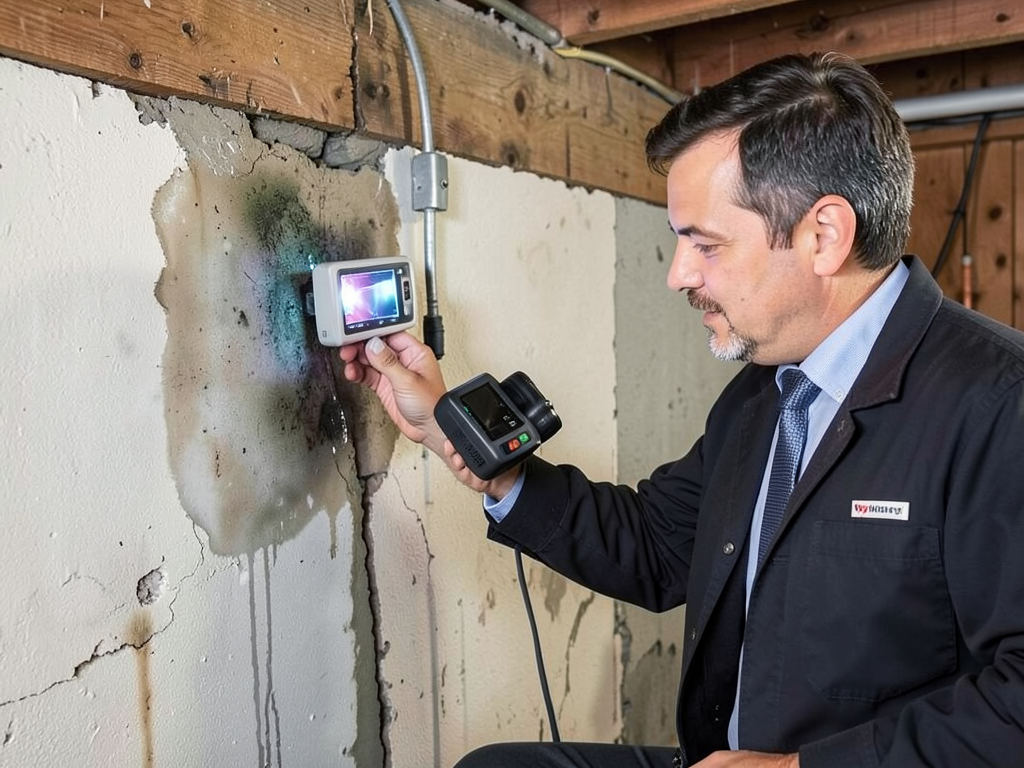
How the Heavy Clay Soil in Woodbury Contributes to Chronic Basement Seepage Woodbury's heavy clay soil is the hidden culprit behind many chronic basement seepage problems. The expansive bentonite and illite clay found throughout Washington…
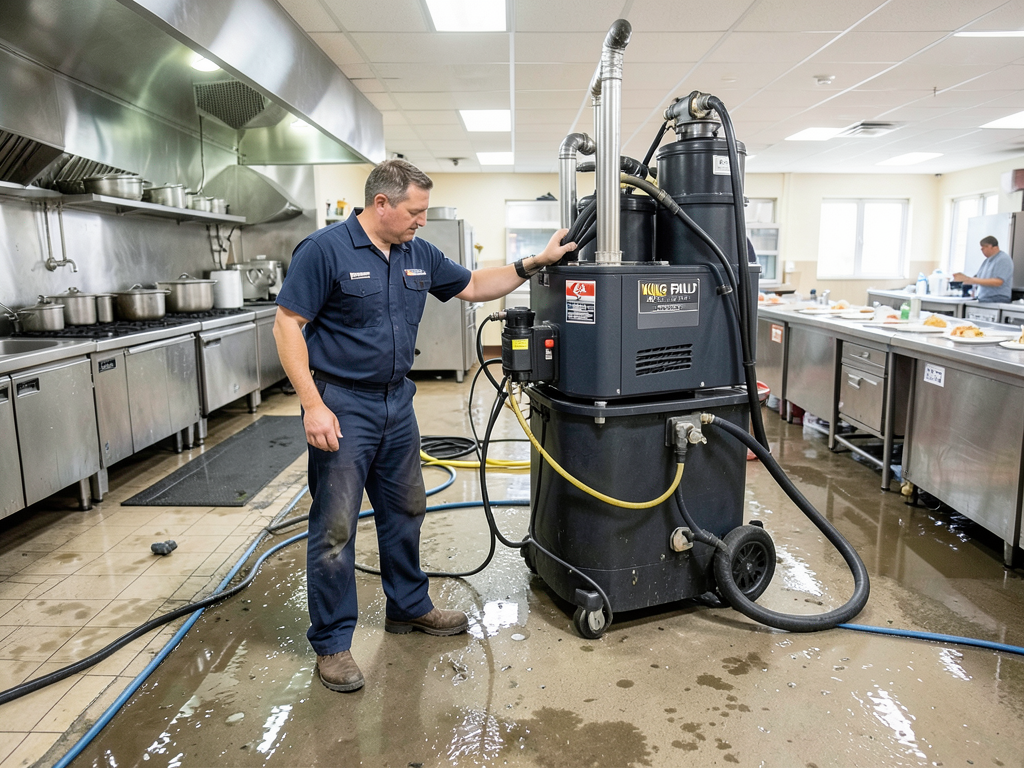
Emergency Commercial Dishwasher Leak Repair & Water Restoration in King Field, Minneapolis Commercial dishwasher floods…
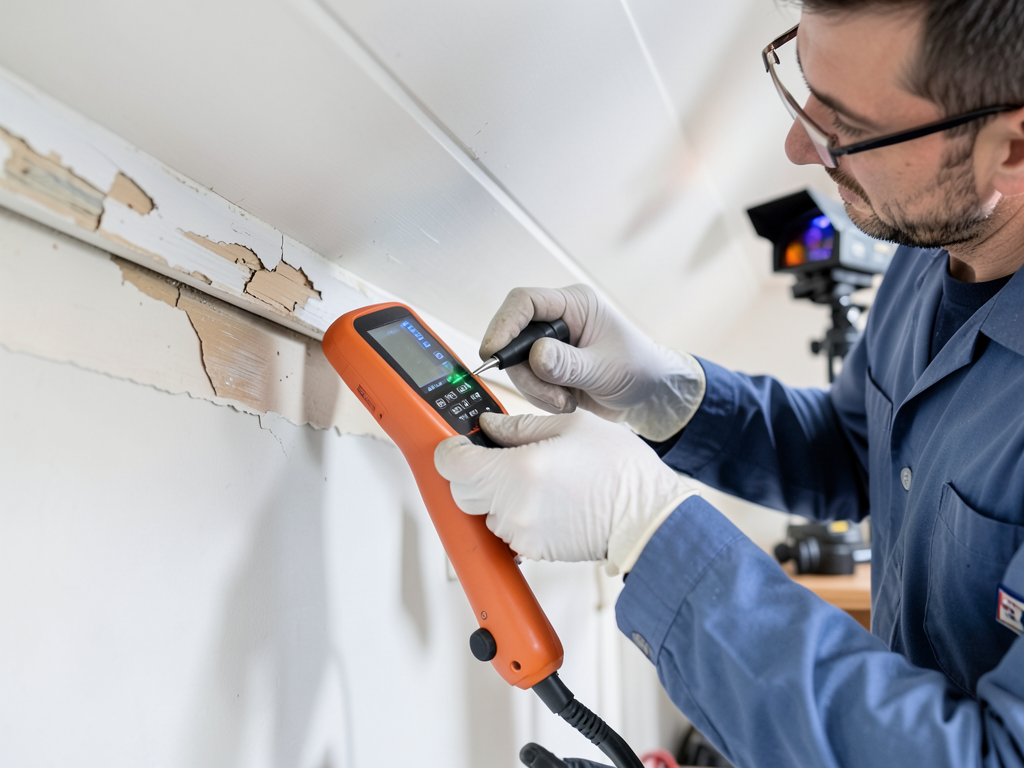
Minneapolis homeowners know that our brutal winters and humid summers put extra stress on every…
Understanding the Chemicals and VOCs Released by Water Damaged Materials in Your Eagan Home When…
Every hour of delay increases damage and costs. Call Pioneer Water Damage Restoration Minneapolis now at (651) 677-5055 for immediate dispatch. Our teams respond 24 hours a day, 365 days per year. Stop the damage now.