




menu

Risks of DIY Water Cleanup in Minneapolis – Why Professional Restoration Protects Your Home and Health

Understanding the dangers of DIY water damage restoration helps Minneapolis homeowners avoid structural damage, toxic mold exposure, and insurance claim denials that often result from amateur water removal attempts.

Slider Image 1
Slider Image 2
Slider Image 3
Slider Image 4
Slider Image 5
Slider Image 7
Slider Image 8
Slider Image 9
Slider Image 10
Slider Image 11

Why DIY Water Cleanup Fails in Minneapolis Homes

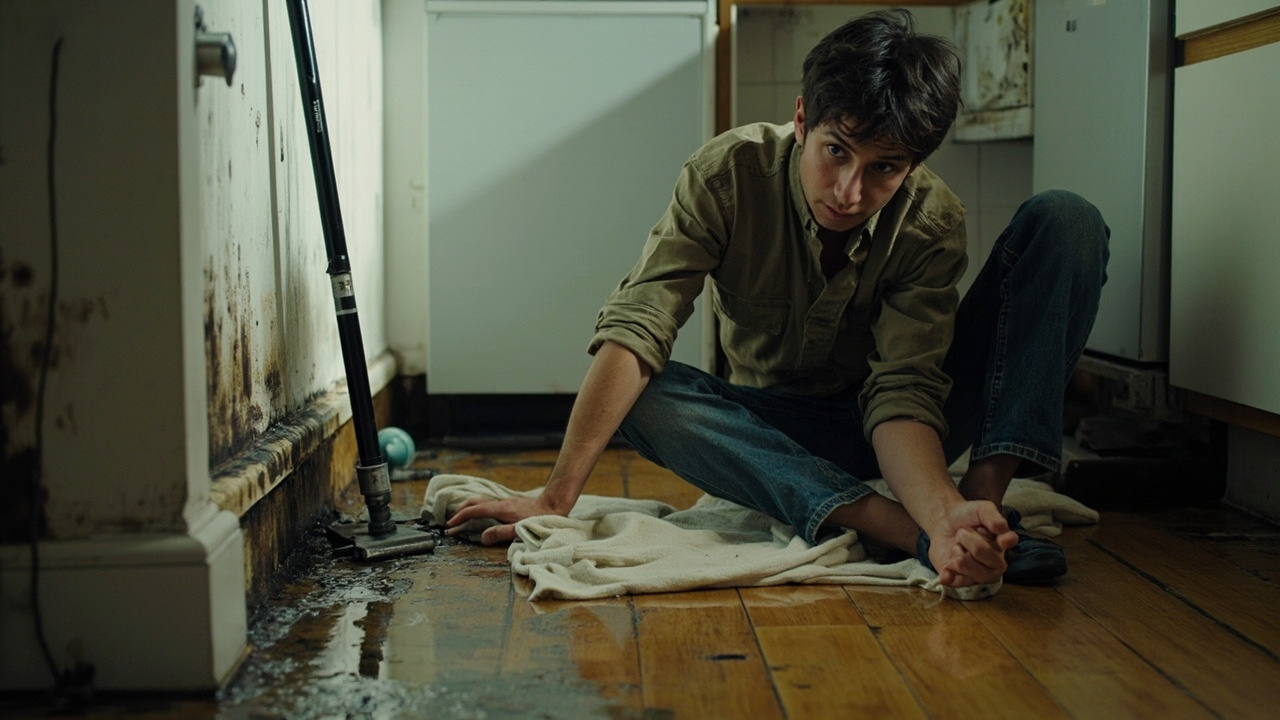
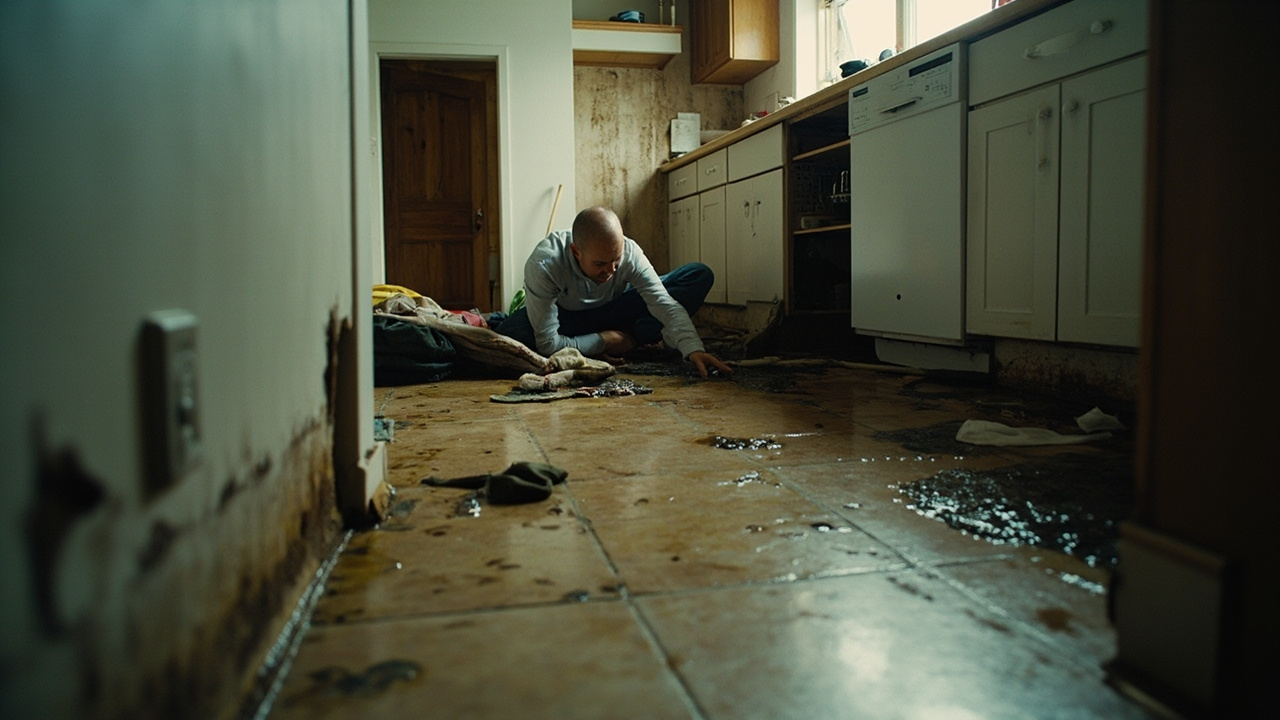
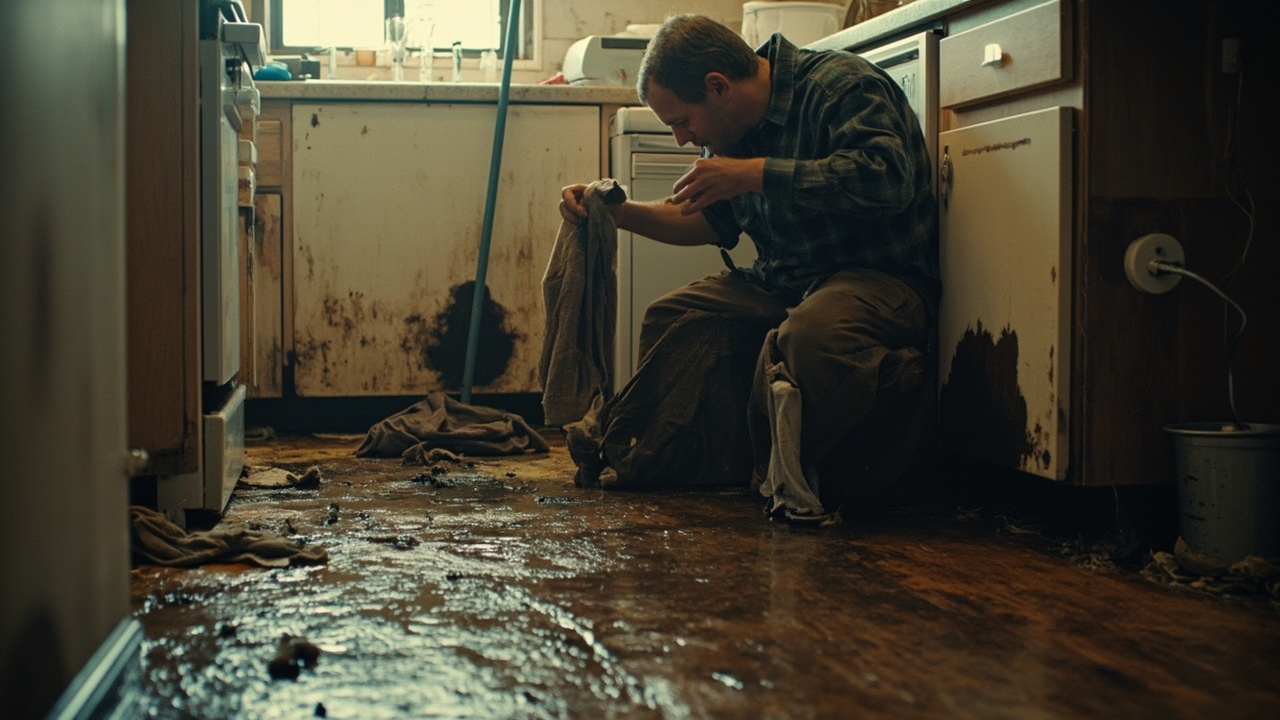
When water invades your Minneapolis home, the clock starts ticking. You want to act fast. The instinct to grab towels, fans, and a wet vac feels productive. But the hazards of do-it-yourself water removal extend far beyond what you can see on the surface.

Minneapolis homes face unique water damage challenges. The freeze-thaw cycles stress foundation walls, creating hairline cracks where water migrates into wall cavities. High humidity during summer months accelerates microbial growth behind drywall and under flooring. Many homes in Powderhorn, Longfellow, and Northeast Minneapolis feature balloon framing and plaster walls. Water travels vertically through these older construction methods, saturating insulation and wood framing you cannot access with household equipment.

The consequences of amateur water cleanup become apparent within 48 to 72 hours. Surface drying does not address moisture trapped in subfloors, wall studs, or ceiling joists. Store-bought moisture meters lack the calibration and penetration depth to detect hidden saturation. You might dry the carpet while the pad beneath stays waterlogged, creating an ideal environment for Stachybotrys and Aspergillus mold species.

The hidden risks of self-managed water mitigation include electrical hazards in standing water, structural weakening you cannot assess without training, and cross-contamination when sewage or outdoor floodwater enters living spaces. Insurance adjusters frequently reduce or deny claims when they document improper drying attempts. They look for secondary damage that worsens because extraction was incomplete or containment barriers were never established.

The pitfalls of DIY water extraction compound over time. What started as a washing machine overflow becomes a subfloor replacement project. A small roof leak ignored for weeks requires mold remediation and insulation replacement. Professional intervention within the first 24 hours typically prevents these cascading failures.

Why DIY Water Cleanup Fails in Minneapolis Homes
How Professional Water Restoration Prevents Secondary Damage

How Professional Water Restoration Prevents Secondary Damage

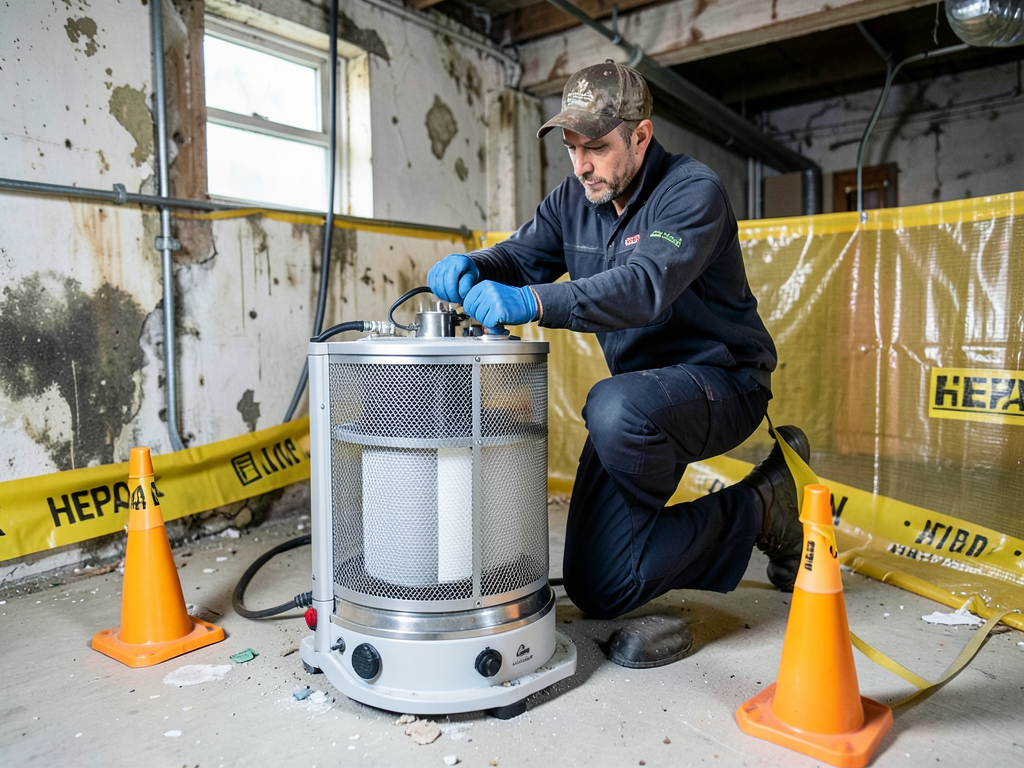
Professional water damage restoration follows IICRC S500 Standard and Reference Guide protocols that DIY methods cannot replicate. The process begins with moisture mapping using thermal imaging cameras and penetrating moisture meters. These tools identify saturation in structural cavities invisible to visual inspection.

We classify water damage into three categories. Category 1 is clean water from supply lines. Category 2 is grey water containing biological or chemical contaminants. Category 3 is black water from sewage or flooding. Each category requires different extraction methods, antimicrobial treatments, and disposal procedures. Mishandling Category 2 or 3 water creates serious health risks.

Extraction equipment makes the difference between surface drying and complete moisture removal. Truck-mounted extractors generate vacuum pressure exceeding 500 inches of water lift. Portable extractors used by restoration professionals pull moisture from carpet padding and subfloors at rates measured in gallons per minute, not cups per hour like consumer wet vacs.

Air movement and dehumidification follow strict psychrometric principles. We calculate the specific volume of affected space, then deploy commercial air movers to create circulation patterns that promote evaporation. Low-grain refrigerant dehumidifiers or desiccant dehumidifiers remove moisture from the air faster than materials can release it, preventing equilibrium that stalls drying.

Controlled demolition often proves necessary. We remove baseboards to access wall cavities. We drill weep holes in tile grout to release trapped water. We pull saturated insulation that cannot dry in place. These interventions prevent mold growth and preserve structural integrity, but they require knowledge of building systems and moisture dynamics you cannot gain from internet research.

Documentation protects your insurance claim. We photograph moisture readings, equipment placement, and removal of damaged materials. We maintain daily logs showing temperature, relative humidity, and grain depression. This evidence supports your claim and demonstrates professional mitigation efforts.

What Happens During Professional Water Damage Assessment

Risks of DIY Water Cleanup in Minneapolis – Why Professional Restoration Protects Your Home and Health
01

Initial Damage Inspection

Our technicians arrive within 60 minutes to assess the water source, damage extent, and contamination level. We use moisture meters to test floors, walls, and ceilings in affected rooms and adjacent spaces. Thermal imaging identifies hidden saturation behind finishes. We classify the water category and determine which materials can be restored versus requiring removal. This inspection establishes the scope of work and prevents overlooked damage zones.
02

Water Extraction and Containment

We extract standing water using truck-mounted or portable extraction units, pulling moisture from carpets, padding, and porous materials. Containment barriers prevent cross-contamination and control humidity migration to unaffected areas. We remove unsalvageable materials like saturated drywall, insulation, or flooring. Air movers and dehumidifiers begin the drying process immediately. We place equipment based on airflow patterns and psychrometric calculations specific to your floor plan and material types.
03

Monitoring and Verification

Daily moisture readings track drying progress until materials reach equilibrium moisture content. We adjust equipment placement and settings based on these measurements. Drying typically requires three to seven days depending on materials, saturation depth, and humidity conditions. Final verification confirms moisture levels meet industry standards before we remove equipment. We provide documentation of the entire process for your insurance claim, including pre-loss condition photos and final moisture readings.

Why Minneapolis Homeowners Choose Liberty Water Damage Restoration Riverside

Minneapolis properties require restoration professionals who understand regional construction and seasonal challenges. Homes built before 1950 in Seward, Phillips, and Camden neighborhoods feature unique framing methods and plaster-over-lath walls that complicate moisture detection. Post-war bungalows in South Minneapolis often have inadequate vapor barriers in crawl spaces, making thorough drying critical to prevent recurring moisture problems.

We work throughout the Twin Cities metro, responding to water emergencies in St. Paul, Bloomington, Eden Prairie, and surrounding communities. Our technicians receive ongoing training in IICRC water damage restoration standards and maintain certifications in applied structural drying. This training matters when you face decisions about demolition scope, equipment selection, and drying timeframes.

Our response prioritizes preventing secondary damage that multiplies restoration costs. When you call us for a burst pipe in Uptown or basement flooding in Northeast Minneapolis, we arrive with truck-mounted extraction equipment, industrial dehumidifiers, and moisture detection technology. Speed matters because materials absorb water quickly, and microbial growth begins within 24 to 48 hours under favorable conditions.

We document every phase of restoration for your insurance carrier. Most homeowners policies cover sudden and accidental water damage, but they require prompt professional mitigation. We photograph moisture readings before extraction, during the drying process, and at completion. We maintain equipment logs and humidity charts that adjusters need to process claims efficiently.

Local building codes in Minneapolis require permits for structural repairs exceeding specific thresholds. We coordinate with city inspectors when restoration work involves framing repairs, electrical system exposure, or plumbing modifications. This compliance protects you from code violations and ensures repairs meet current standards.

Our relationships with local contractors, plumbers, and electricians speed the restoration timeline. When water damage requires replacing drywall, repairing subfloors, or addressing the source leak, we coordinate these trades to minimize disruption. You get a single point of contact instead of managing multiple vendors while dealing with displacement and insurance paperwork.

What to Expect When You Call Liberty Water Damage Restoration Riverside

Emergency Response Time

We dispatch technicians to Minneapolis properties within 60 minutes of your call, 24 hours a day. Water damage worsens by the hour, so our rapid response focuses on stopping the source, extracting standing water, and beginning the drying process before secondary damage develops. We keep trucks stocked with extraction equipment, air movers, dehumidifiers, and moisture detection tools. You do not wait days for an appointment while water saturates your home. Our goal is equipment placement and initial extraction completed within three to four hours of arrival for most residential projects.

Comprehensive Damage Assessment

Our initial inspection goes beyond visible water. We use thermal imaging cameras to identify moisture in wall cavities, penetrating moisture meters to test structural materials, and hygrometers to measure ambient humidity levels. This assessment determines which materials can be dried in place versus requiring removal. We explain our findings in clear terms, showing you moisture meter readings and thermal images so you understand the scope. You receive a written estimate detailing equipment needs, expected timeline, and recommended demolition before we begin work.

Thorough Drying and Restoration

Complete drying requires days, not hours. We monitor moisture levels daily, adjusting equipment as materials release trapped water. Air movers create circulation patterns that promote evaporation from floors, walls, and contents. Dehumidifiers extract moisture from the air continuously, preventing reabsorption and maintaining conditions that favor drying over microbial growth. We do not remove equipment based on timelines but on verified moisture readings that confirm materials have reached acceptable dryness levels. The result is structural stability and prevention of mold growth that emerges from incomplete drying.

Insurance Documentation Support

We work directly with your insurance carrier, providing documentation they need to process your claim efficiently. Our reports include photos of damage extent, moisture readings at each inspection, equipment logs showing dates and locations, and itemized estimates for restoration work. We communicate with adjusters throughout the project, answering technical questions about drying protocols and material removal decisions. Most insurance policies cover water damage restoration when you act promptly and use professional mitigation services. Our experience with local adjusters and regional insurance practices helps you navigate the claims process while focusing on getting your home restored.

Frequently Asked Questions

You Have Questions,
We Have Answers

Can you do water remediation yourself? +

You can attempt minor water cleanup yourself if the affected area is small, the water is clean, and you act within 24 hours. However, DIY efforts often miss hidden moisture in wall cavities, subfloors, and insulation. Minneapolis homes with older plaster walls and balloon framing make complete drying difficult without professional equipment. You risk structural damage, electrical hazards, and mold growth if you miss moisture pockets. Insurance claims also require detailed documentation and certified equipment readings. For anything beyond a small spill, professional extraction and drying prevent long-term damage and health risks.

Can mold from water damage make you sick? +

Yes. Mold from water damage produces spores and mycotoxins that cause respiratory problems, allergic reactions, headaches, and fatigue. People with asthma, allergies, or compromised immune systems face higher risks. Black mold releases particularly harmful mycotoxins. Minneapolis homes often trap humidity during summer months, accelerating mold growth after water events. Symptoms include coughing, wheezing, throat irritation, skin rashes, and sinus congestion. Long-term exposure can worsen chronic conditions. If you smell musty odors or see visible mold after water damage, avoid the area and contact a remediation professional immediately to prevent health complications.

How long can drywall be wet before mold? +

Drywall can begin growing mold within 24 to 48 hours after getting wet. Minneapolis humidity levels above 60 percent during summer accelerate this timeline. The paper backing on drywall provides an ideal food source for mold spores already present in the air. Once moisture penetrates drywall, it wicks upward and outward, spreading contamination beyond the visible wet area. Even if the surface dries, trapped moisture inside wall cavities continues feeding mold growth. Professional moisture meters detect hidden saturation that leads to mold. Immediate extraction and drying within the first 24 hours prevent permanent damage.

How long does it take for water to damage foundation? +

Water can begin damaging foundations within hours, but significant structural issues develop over weeks to months depending on soil type and drainage. Minneapolis sits on clay-heavy soil that expands when saturated, creating hydrostatic pressure against foundation walls. Prolonged water exposure causes concrete to crack, erode mortar joints, and weaken structural integrity. Freeze-thaw cycles during Minnesota winters worsen existing cracks. Basement flooding saturates the foundation perimeter, leading to bowing walls and settlement. Even minor water intrusion should be addressed immediately to prevent escalating foundation repairs that cost thousands more than early intervention.

Can I safely remove black mold myself? +

No. Black mold removal requires containment, personal protective equipment, negative air pressure, and proper disposal methods. Disturbing black mold releases harmful mycotoxins into the air, increasing exposure risks. DIY cleaning spreads spores throughout your home via HVAC systems. Black mold often grows inside wall cavities, under flooring, and in insulation where you cannot see or reach it. Minneapolis homes with older ventilation systems can distribute spores to every room. Professional remediation follows EPA and IICRC protocols to safely remove contamination, test air quality, and prevent recurrence. Attempting DIY black mold removal endangers your health and family.

What is the safest method to purify water at home? +

Boiling water for one minute kills most pathogens and is the safest home purification method during emergencies. For chemical contaminants, use NSF-certified filters with activated carbon or reverse osmosis systems. During Minneapolis water main breaks or flooding events, municipal authorities issue boil orders. Distillation also removes contaminants but requires special equipment. Avoid using bleach for drinking water purification unless you follow precise CDC guidelines. This question addresses drinking water safety, not structural water damage. If floodwater has entered your home, do not attempt cleanup yourself. Professional water damage restoration prevents contamination and structural issues that DIY methods miss.

What are the 10 warning signs of mold toxicity? +

Ten warning signs of mold toxicity include persistent fatigue, brain fog, memory problems, headaches, sinus congestion, respiratory issues, skin rashes, joint pain, digestive problems, and increased sensitivity to light or sound. Minneapolis residents exposed to mold after basement flooding or roof leaks often report these symptoms without connecting them to their home environment. Symptoms worsen in the affected building and improve when away. Children and elderly individuals show heightened sensitivity. If you experience multiple symptoms after water damage, leave the area and consult a physician. Professional mold testing identifies contamination levels and guides safe remediation before health problems escalate.

How long before water damage becomes mold? +

Water damage becomes mold within 24 to 48 hours under the right conditions. Minneapolis summer humidity above 60 percent and warm temperatures create ideal mold growth environments. Porous materials like drywall, insulation, carpet, and wood absorb water quickly and retain moisture even after surfaces appear dry. Mold spores exist everywhere and only need moisture and organic material to colonize. Professional drying equipment removes moisture from structural cavities that household fans cannot reach. Waiting beyond 48 hours significantly increases mold remediation costs and health risks. Immediate water extraction and dehumidification prevent mold from establishing colonies in your home.

What are the symptoms of Cirs? +

Chronic Inflammatory Response Syndrome causes fatigue, weakness, body aches, headaches, light sensitivity, memory problems, difficulty concentrating, sinus issues, shortness of breath, tremors, vertigo, and increased urination. CIRS results from biotoxin exposure, often from water-damaged buildings with mold growth. Minneapolis homes with hidden water damage in crawlspaces or wall cavities can harbor mold for months before residents connect symptoms to their environment. CIRS requires medical diagnosis through specific blood markers and visual contrast testing. If you suspect CIRS, leave the contaminated environment immediately and consult a physician familiar with biotoxin illness before attempting any cleanup or remediation.

Does running the AC help with mold? +

Running AC helps control mold by reducing humidity, but it cannot eliminate existing mold growth. Air conditioning removes moisture from air, keeping indoor humidity below 50 percent where mold struggles to grow. However, AC systems can spread existing mold spores throughout your Minneapolis home if contamination is present in ductwork or on evaporator coils. After water damage, AC alone cannot dry structural materials where mold colonizes. You need professional-grade dehumidifiers, air movers, and moisture monitoring to eliminate hidden moisture. If you smell musty odors when running AC after a water event, shut down the system and contact a remediation professional immediately.

How Minneapolis Freeze-Thaw Cycles Increase Water Damage Risks for DIY Cleanup

Minneapolis experiences dramatic temperature swings between winter and spring, creating freeze-thaw cycles that stress building foundations and plumbing systems. When temperatures drop below 20 degrees Fahrenheit for extended periods, then surge to 40 degrees or higher, ice dams form on roofs and pipes expand and contract. These conditions cause water intrusion that saturates wall cavities and ceiling joists. The hazards of do-it-yourself water removal multiply in older homes where balloon framing allows water to travel vertically through wall spaces. Without thermal imaging and cavity drying equipment, you cannot detect or address moisture trapped behind plaster or within floor joists, leading to structural rot and mold growth that costs thousands to remediate months later.

Minneapolis building codes and Minnesota State Statutes Chapter 326B establish minimum standards for water damage restoration work. Professional restoration companies maintain required business licenses, liability insurance, and worker compensation coverage that protect you from liability. When restoration work involves structural repairs, electrical exposure, or plumbing modifications, permits and inspections ensure compliance with current codes. Liberty Water Damage Restoration Riverside maintains relationships with Minneapolis city inspectors and understands local permit requirements. This local expertise prevents code violations that complicate future home sales or insurance renewals, giving you confidence that restoration work meets professional standards and legal requirements specific to Hennepin County properties.
Water Damage Restoration Services in The Minneapolis Area

Pioneer Water Damage Restoration Minneapolis is proud to be a dedicated, locally owned company centrally located to serve the entire metro area and surrounding communities. We invite you to view our service area on the map to confirm we cover your neighborhood, ensuring you receive the fastest possible emergency response whenever disaster strikes. Our commitment is always to our community’s property owners and their complete, timely recovery.

Address:
Pioneer Water Damage Restoration Minneapolis, 1330 Lagoon Ave, Minneapolis, MN, 55408

Additional Services We Offer

Our news updates

Latest Articles & News from The Blogs

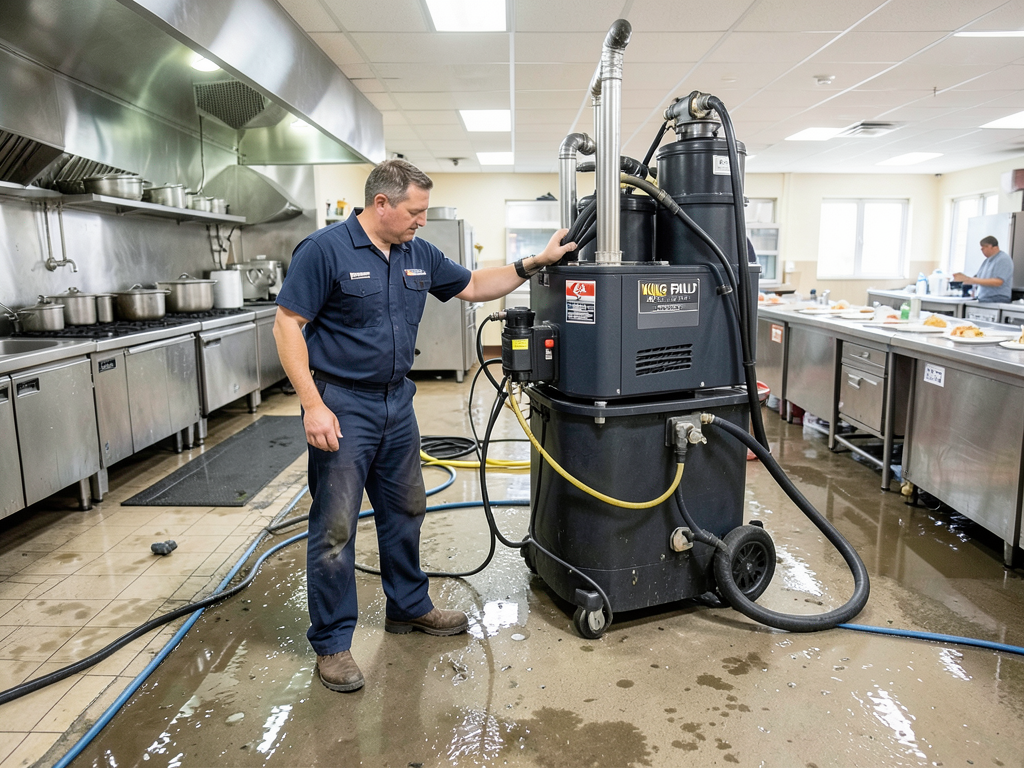
Emergency Commercial Dishwasher Leak Repair & Water Restoration in King Field, Minneapolis Commercial dishwasher floods in King Field bakeries and…

Recovering from a Commercial Dishwasher Flood in Your King Field Bakery or Cafe

Emergency Commercial Dishwasher Leak Repair & Water Restoration in King Field, Minneapolis Commercial dishwasher floods in King Field bakeries and…

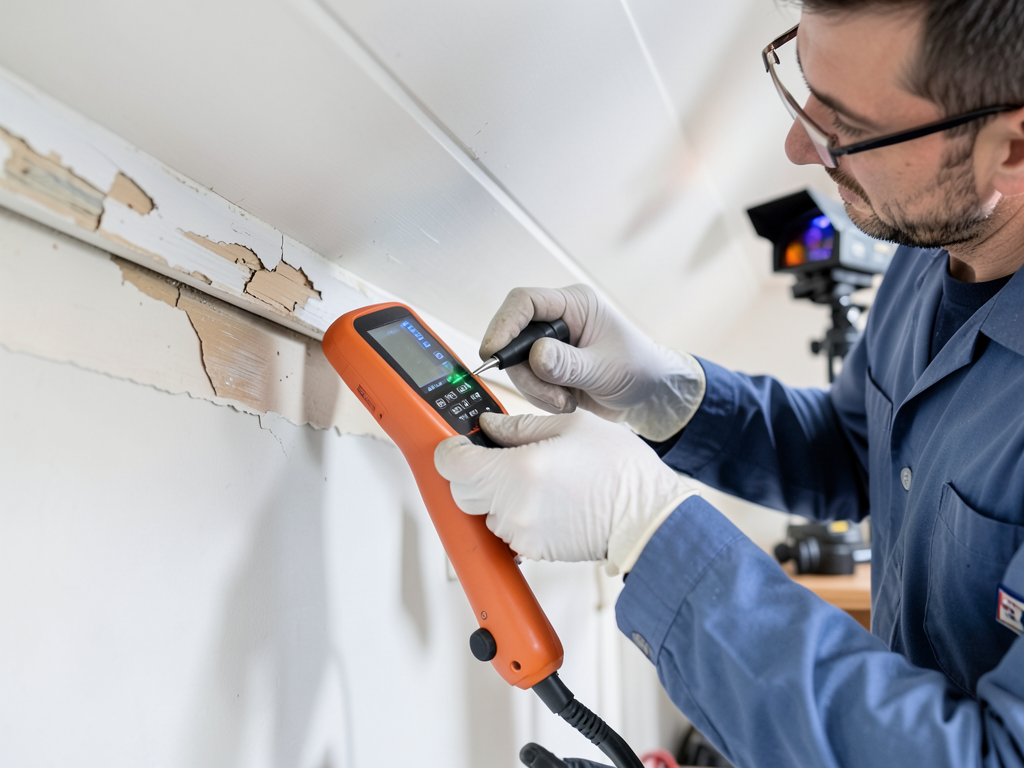
Why Peeling Paint on Your Minneapolis Soffits Is Often a Sign of a Hidden Roof Leak

Minneapolis homeowners know that our brutal winters and humid summers put extra stress on every part of a house. When…

Understanding the Chemicals and VOCs Released by Water Damaged Materials in Your Eagan Home

Understanding the Chemicals and VOCs Released by Water Damaged Materials in Your Eagan Home When water invades your Eagan home,…

Contact Us

Water damage worsens by the hour. Call Liberty Water Damage Restoration Riverside now at (651) 677-5055 for immediate response. Our technicians arrive within 60 minutes with professional extraction and drying equipment. We serve all Minneapolis neighborhoods 24 hours a day.