







menu

Understanding Mold Toxicity in Minneapolis – Recognizing Health Risks Before Permanent Damage Occurs

Learn How to Identify Mold Illness Symptoms, Mycotoxin Exposure Signs, and Black Mold Health Risks in Your Minneapolis Home Before They Escalate Into Chronic Conditions

Slider Image 1
Slider Image 2
Slider Image 3
Slider Image 4
Slider Image 5
Slider Image 7
Slider Image 8
Slider Image 9
Slider Image 10
Slider Image 11

Why Minneapolis Homes Face Higher Mold Toxicity Risks Than You Think

Minneapolis sits at the intersection of two environmental factors that create a perfect storm for mold growth and mycotoxin illness. The Mississippi River corridor generates humidity levels that spike during summer months, while freeze-thaw cycles during brutal Minnesota winters create hidden water intrusion points in foundations and rooflines.

You cannot see mycotoxins. These microscopic compounds produced by certain mold species accumulate in your indoor air and trigger mold illness symptoms that doctors often misdiagnose as allergies or chronic fatigue. Black mold health risks extend beyond respiratory problems. Residents in neighborhoods like Powderhorn and Longfellow experience effects of mold exposure that include cognitive fog, joint pain, and unexplained skin rashes.

The challenge in Minneapolis is twofold. First, older homes built before 1960 lack modern vapor barriers. Second, newer construction often traps moisture through overly tight building envelopes designed for energy efficiency. Both scenarios create conditions where Stachybotrys chartarum (black mold) and Aspergillus species thrive in wall cavities, attics, and basements.

Signs of mold poisoning develop gradually. You might notice persistent headaches that improve when you leave your home. Your children might develop unexplained respiratory issues. These are not normal. These are warning signals that mycotoxin accumulation has reached levels that demand professional assessment.

Minneapolis's cold climate means we seal our homes tight for six months each year. This traps contaminated air and concentrates mycotoxin exposure. Understanding mold toxicity starts with recognizing that your home's environment directly impacts your family's health.

Why Minneapolis Homes Face Higher Mold Toxicity Risks Than You Think
How Professional Mold Assessment Differs From DIY Testing

How Professional Mold Assessment Differs From DIY Testing

You can buy a mold test kit at any hardware store. That test will tell you mold is present. It will not tell you if the mold is producing mycotoxins that cause illness.

Professional mold toxicity assessment uses three distinct methodologies. First, we conduct air sampling using spore trap cassettes that capture particles in the 0.3 to 100 micron range. This data reveals airborne spore concentrations and identifies specific genera. Second, we perform surface sampling with swab or tape lift techniques to analyze colonization patterns on building materials. Third, we use moisture mapping with thermal imaging and pin-type moisture meters to identify hidden water sources feeding growth.

The critical difference is interpretation. A spore count of 5,000 spores per cubic meter means nothing without comparison to outdoor baseline levels and identification of species present. Aspergillus and Penicillium species are common outdoors in Minneapolis. Finding them indoors at concentrations matching outdoor levels is normal. Finding Stachybotrys or Chaetomium indoors indicates active water damage and potential mycotoxin production.

We correlate environmental data with occupant symptoms. If three family members report chronic sinus congestion and our testing reveals elevated Aspergillus fumigatus concentrations in the HVAC system, we have established causation, not just correlation.

Liberty Water Damage Restoration Riverside uses ERMI (Environmental Relative Moldiness Index) analysis when standard testing proves inconclusive. This DNA-based methodology detects mold residue even after visible growth has been removed. This matters in Minneapolis's older housing stock where previous water damage may have been inadequately remediated.

Professional assessment creates an actionable remediation protocol. DIY testing creates anxiety without solutions.

What Happens During a Mold Toxicity Evaluation

Understanding Mold Toxicity in Minneapolis – Recognizing Health Risks Before Permanent Damage Occurs
01

Initial Health History Review

We start by documenting occupant symptoms and timing. When did respiratory issues begin? Do symptoms improve when you travel? Have pets shown behavioral changes? This health inventory helps us target inspection zones. We map symptom patterns to building areas. If bedroom headaches are worse than living room symptoms, we focus on HVAC distribution, bedding, and wall cavities adjacent to exterior walls where Minneapolis's temperature differentials create condensation.
02

Environmental Testing Protocol

We collect air samples from symptomatic rooms and compare them against outdoor control samples and unaffected interior spaces. Surface samples come from visible growth and from hidden areas behind baseboards or above ceiling tiles. Moisture readings identify active water intrusion versus historical damage. We inspect mechanical systems because Minneapolis homes run furnaces eight months yearly, and ductwork often harbors hidden mold colonies that distribute spores throughout the living space during heating cycles.
03

Laboratory Analysis and Recommendations

Laboratory results take 3 to 5 business days. We receive speciation data showing exactly which mold genera are present and at what concentrations. We compile this into a written report that includes comparison to Minneapolis baseline data, identification of moisture sources, and a prioritized remediation scope. You receive a document that answers three questions: What is growing? Why is it growing? What must change to eliminate it permanently?

Why Minneapolis Mold Toxicity Requires Local Expertise

Understanding mold toxicity in Minneapolis requires knowledge of construction methods specific to Minnesota's climate zones. Homes built between 1920 and 1950 in neighborhoods like Seward and Phillips used balloon framing. This creates vertical air channels inside walls that distribute mold spores from basement to attic. Identifying this requires understanding local building practices, not just following a generic inspection checklist.

Minneapolis's municipal code requires mold remediation projects exceeding 25 square feet to follow Minnesota Department of Health guidelines. These guidelines mandate containment procedures, negative air pressure during removal, and post-remediation verification testing. Companies from outside the Twin Cities metro often miss these requirements. Improper remediation spreads contamination rather than eliminating it.

Liberty Water Damage Restoration Riverside has worked in Minneapolis homes for years. We know that homes near Minnehaha Creek face higher basement moisture due to seasonal water table fluctuations. We know that properties in the North Loop area have HVAC systems routed through uninsulated spaces, creating condensation that feeds mold growth. This local knowledge changes how we investigate and what we prioritize.

Minnesota's humid continental climate means relative humidity swings wildly. Summer months bring 70 to 80 percent outdoor humidity that infiltrates your home. Winter heating drops indoor humidity to 20 percent, but creates temperature differentials that cause condensation on cold surfaces. Managing mold toxicity requires understanding these seasonal patterns and designing solutions that work year-round, not just during the inspection season.

We also understand that Minneapolis's older housing stock means asbestos and lead paint may be present. Disturbing mold-covered materials without testing for these hazards creates additional health risks. Local expertise means comprehensive safety, not just mold removal.

What to Expect When You Request a Mold Toxicity Assessment

Response Time and Scheduling

We schedule mold toxicity assessments within 48 hours of your call. If you report acute symptoms like difficulty breathing or visible black mold growth, we prioritize your case for next-day service. The assessment takes 90 minutes to 2 hours depending on your home's size and complexity. We work around your schedule because we understand that Minneapolis families juggle work, school, and the demands of maintaining older homes. You do not need to leave during the assessment, but we ask that you keep pets in a separate area to avoid interference with air sampling equipment.

The Inspection Process

We arrive with moisture meters, thermal imaging cameras, air sampling pumps, and surface collection tools. You walk through your home with us, pointing out areas of concern and describing symptoms each family member experiences. We inspect attics, basements, crawl spaces, and mechanical rooms. We remove vent covers to inspect ductwork. We use thermal imaging to identify temperature anomalies that indicate hidden moisture. This is not a visual-only inspection. We collect data that reveals problems you cannot see. The inspection is thorough but non-destructive unless we need to remove a small section of drywall to confirm hidden growth.

Your Detailed Report

You receive a written report that includes laboratory results, photographs of problem areas, moisture maps, and a remediation scope. The report explains findings in clear language. We avoid technical jargon that obscures meaning. You will understand what mold species are present, what health risks they pose, and what corrective actions are necessary. The report includes cost factors for remediation so you can make informed decisions. We break recommendations into critical, recommended, and preventive categories. This helps you prioritize actions if budget constraints exist. The report is yours to share with physicians, insurance adjusters, or real estate professionals.

Post-Remediation Verification

After remediation is complete, we conduct clearance testing to verify that spore counts have returned to normal levels. This is not optional. Minnesota Department of Health guidelines require post-remediation verification for projects involving contamination over 25 square feet. Clearance testing uses the same air sampling methodology as the initial assessment. We compare post-remediation results against baseline data collected before work began. You receive documentation proving your home is safe for reoccupation. This documentation protects you if you sell your home because it demonstrates that the mold problem was professionally addressed and verified resolved.

Frequently Asked Questions

You Have Questions,
We Have Answers

What are the 10 warning signs of mold toxicity? +

Ten common warning signs include persistent coughing, wheezing, chronic fatigue, brain fog, headaches, skin rashes, sinus congestion, unexplained muscle aches, difficulty concentrating, and sensitivity to light. In Minneapolis homes, mold often grows in basements during spring thaws or after winter ice damming. You may also notice a musty odor, increased allergy symptoms, or digestive issues. These symptoms worsen when you spend time indoors and improve when you leave the home. If multiple family members experience similar symptoms simultaneously, hidden mold growth is likely. Professional testing identifies the specific species and concentration levels affecting your health.

How do you know if you have mold toxicity in your body? +

Your body signals mold toxicity through respiratory distress, neurological symptoms, and inflammatory responses. You may experience chronic sinus infections, persistent cough, shortness of breath, memory problems, joint pain, or unexplained anxiety. Minneapolis residents often confuse these symptoms with seasonal allergies or winter dryness. Blood tests can detect mold antibodies or mycotoxins in your system. A qualified physician may order urinary mycotoxin testing or immunological panels. Track when symptoms worsen. If they intensify at home and lessen elsewhere, your indoor environment is the trigger. Document your symptoms and consult a medical professional familiar with mold-related illness.

Can mold cause heartburn? +

Yes, mold exposure can trigger heartburn and acid reflux. Mycotoxins irritate your gastrointestinal tract lining, weakening the esophageal sphincter and allowing stomach acid to flow upward. This creates burning sensations in your chest and throat. Mold also disrupts your gut microbiome, leading to inflammation and digestive dysfunction. Minneapolis homes with basement moisture or poor ventilation create ideal conditions for mold growth. If you notice heartburn symptoms that coincide with time spent at home, particularly in musty areas like basements or crawl spaces, mold exposure may be the cause. Professional mold remediation often resolves these unexplained digestive issues.

Can mold cause croup? +

Mold exposure can contribute to croup-like symptoms in children, including barking cough, wheezing, and breathing difficulties. While viruses typically cause croup, mold spores irritate airways and trigger inflammatory responses that mimic or worsen croup symptoms. Children in Minneapolis homes with water damage from frozen pipes or ice dams face higher exposure risks. Mold produces allergens and irritants that inflame the upper airway, creating the characteristic seal-like cough. If your child experiences recurrent croup episodes without viral infection, investigate your home for hidden mold growth. Eliminating the source often reduces respiratory symptoms and improves breathing patterns significantly.

How do I check myself for mold toxicity? +

Start with a visual home inspection focusing on damp areas like basements, bathrooms, and crawl spaces common in Minneapolis homes. Check for visible mold, water stains, or musty odors. Monitor your symptoms and note when they worsen. Keep a health journal tracking headaches, respiratory issues, fatigue, and cognitive problems. Consider professional indoor air quality testing to identify spore concentrations and species types. A physician specializing in environmental medicine can order blood work, urinary mycotoxin panels, or antibody tests. Home test kits provide preliminary data but lack accuracy. Professional inspection combines visual assessment, moisture readings, and lab-analyzed air samples for reliable results.

Can air purifiers remove mold spores? +

Quality air purifiers with HEPA filters capture airborne mold spores effectively, removing particles as small as 0.3 microns. However, purifiers only address floating spores, not the underlying mold growth. Minneapolis homes need purifiers that handle humidity fluctuations and seasonal moisture changes. HEPA filtration traps spores before they enter your respiratory system, reducing exposure and symptoms. Some models include activated carbon filters that absorb mycotoxins and musty odors. Place purifiers in bedrooms and high-traffic areas for maximum benefit. Remember, air purifiers are a temporary solution. You must eliminate the moisture source and remove existing mold colonies to solve the problem permanently.

How to flush mold out of your system? +

Your body naturally eliminates mold toxins through liver detoxification pathways and kidney filtration. Support this process by drinking filtered water, eating fiber-rich foods, and consuming antioxidants like glutathione. Sweating through exercise or sauna use helps expel toxins. Some physicians recommend binders like activated charcoal or bentonite clay to trap mycotoxins in your digestive system. Probiotic supplements restore gut health damaged by mold exposure. Remove yourself from the contaminated environment immediately. No detox protocol works if you continue breathing mold spores daily. Minneapolis residents must address the source through professional remediation before focusing on body detoxification. Consult a healthcare provider for personalized guidance.

What does mold in a house make you feel like? +

Mold exposure feels like persistent flu symptoms that never resolve. You experience chronic fatigue, brain fog, difficulty concentrating, headaches, and sinus pressure. Your eyes may burn or water. Breathing feels labored, especially in certain rooms. Minneapolis residents often describe feeling worse during humid summer months or after winter ice damming events. You may notice increased irritability, unexplained anxiety, or depression. Your body aches without explanation. Symptoms intensify at home and improve when you leave for several hours. Some people describe a heavy, oppressive feeling in moldy spaces. If you feel consistently unwell indoors but better outdoors, mold contamination is likely affecting your health.

What kills mold permanently? +

Nothing kills mold permanently without removing the moisture source. Professional remediation combines physical removal, antimicrobial treatment, and moisture control. Bleach only kills surface mold temporarily and does not penetrate porous materials like drywall or wood. EPA-registered fungicides eliminate active colonies when applied correctly. Minneapolis homes require humidity control below 50 percent and proper ventilation to prevent regrowth. HEPA vacuuming removes spores from surfaces. Encapsulants seal remaining spores on non-porous surfaces. Replace contaminated porous materials like insulation or drywall. Fix leaks, improve drainage, and address foundation moisture. Without controlling water intrusion, mold returns. Permanent solutions require professional assessment and systematic remediation.

Can mold mess up your gut? +

Yes, mold exposure significantly disrupts your gut microbiome and digestive function. Mycotoxins damage intestinal lining, creating leaky gut syndrome where toxins enter your bloodstream. This triggers systemic inflammation, food sensitivities, and immune dysfunction. You may experience bloating, diarrhea, constipation, or irritable bowel symptoms. Mold toxins kill beneficial bacteria, allowing harmful organisms to proliferate. Minneapolis residents with basement mold exposure often report unexplained digestive issues that resolve after remediation. Your gut health influences mental clarity, immune response, and overall wellness. If you experience persistent gastrointestinal problems without clear cause, investigate your indoor environment for hidden mold growth and seek professional remediation services.

How Minneapolis's Freeze-Thaw Cycles Amplify Mold Toxicity Risks

Minneapolis experiences an average of 40 freeze-thaw cycles each winter. This repetitive expansion and contraction cracks foundation walls, separates brick mortar joints, and compromises roof flashing. Each crack becomes a water entry point during spring snowmelt. Water infiltrates wall cavities and remains trapped behind vapor barriers. This creates ideal conditions for mold colonization in spaces you cannot inspect. The freeze-thaw phenomenon is unique to northern climates and changes how we approach mold toxicity assessment. We inspect areas that would be irrelevant in warmer climates because we know Minneapolis's weather patterns create specific failure points.

Liberty Water Damage Restoration Riverside has built relationships with Minneapolis building inspectors, public health officials, and environmental consultants. This network ensures we stay current on local code changes and remediation best practices. We participate in Minnesota Water Damage Restoration Council training sessions and maintain certifications specific to Minnesota's regulatory environment. This local engagement means we understand not just mold science, but how Minneapolis's municipal systems, insurance requirements, and community resources intersect with mold toxicity issues. Choosing local expertise means choosing a partner who understands your specific circumstances, not just generic mold information.
Water Damage Restoration Services in The Minneapolis Area

Pioneer Water Damage Restoration Minneapolis is proud to be a dedicated, locally owned company centrally located to serve the entire metro area and surrounding communities. We invite you to view our service area on the map to confirm we cover your neighborhood, ensuring you receive the fastest possible emergency response whenever disaster strikes. Our commitment is always to our community’s property owners and their complete, timely recovery.

Address:
Pioneer Water Damage Restoration Minneapolis, 1330 Lagoon Ave, Minneapolis, MN, 55408

Additional Services We Offer

Our news updates

Latest Articles & News from The Blogs

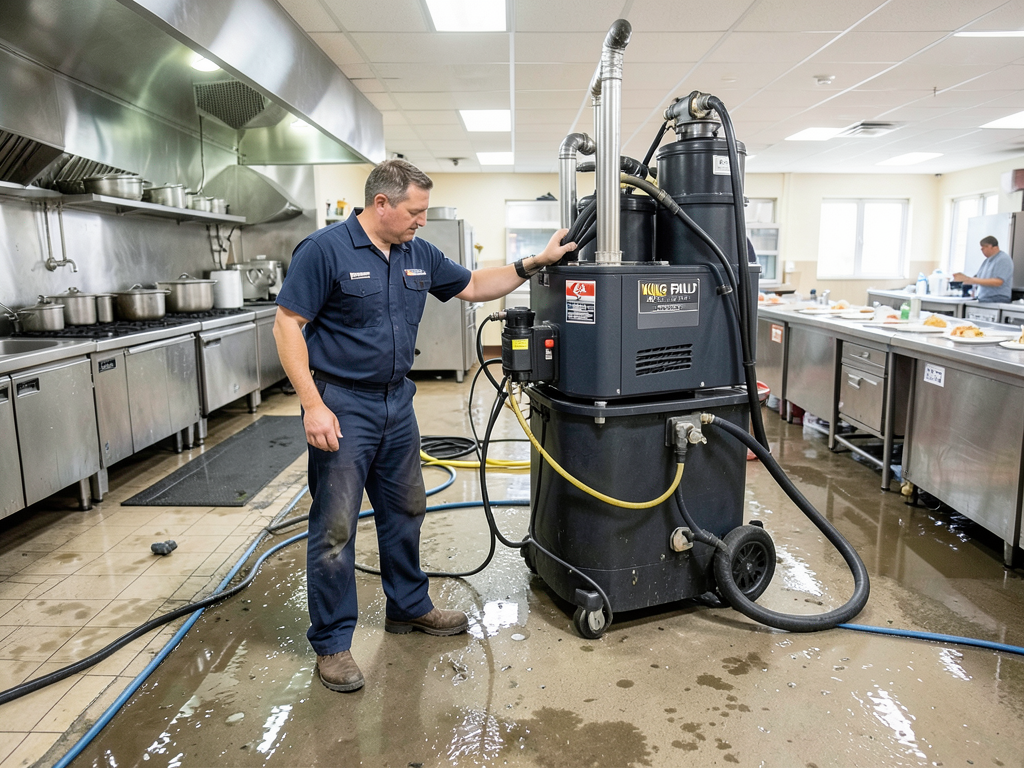
Emergency Commercial Dishwasher Leak Repair & Water Restoration in King Field, Minneapolis Commercial dishwasher floods in King Field bakeries and…

Recovering from a Commercial Dishwasher Flood in Your King Field Bakery or Cafe

Emergency Commercial Dishwasher Leak Repair & Water Restoration in King Field, Minneapolis Commercial dishwasher floods in King Field bakeries and…

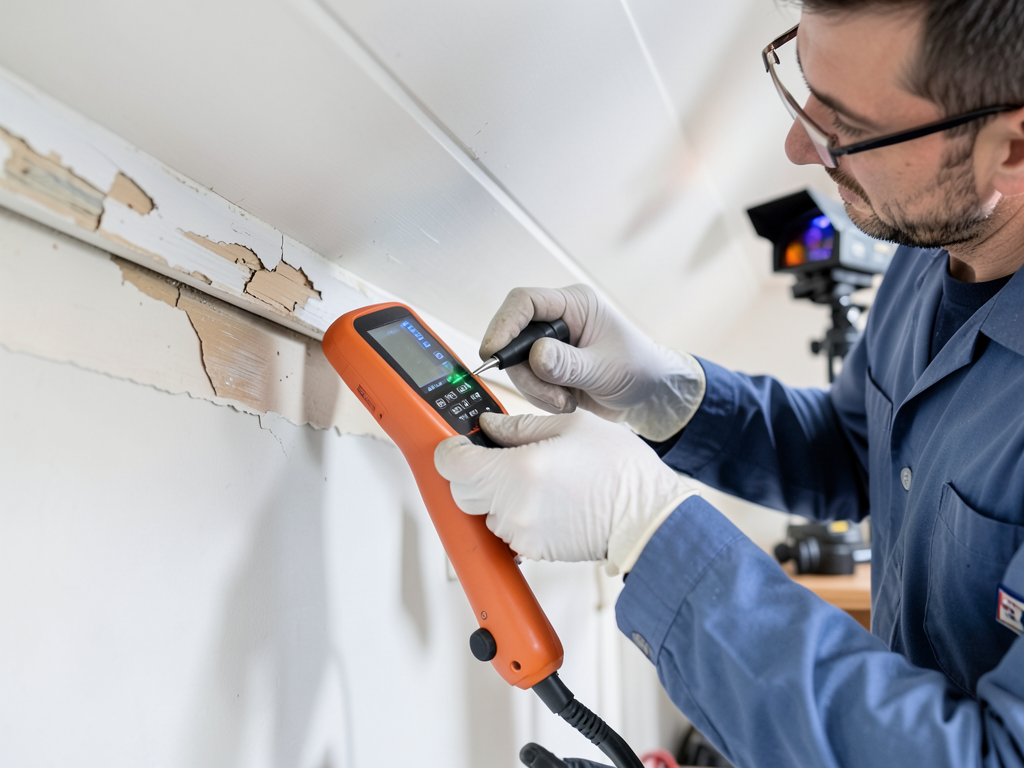
Why Peeling Paint on Your Minneapolis Soffits Is Often a Sign of a Hidden Roof Leak

Minneapolis homeowners know that our brutal winters and humid summers put extra stress on every part of a house. When…

Understanding the Chemicals and VOCs Released by Water Damaged Materials in Your Eagan Home

Understanding the Chemicals and VOCs Released by Water Damaged Materials in Your Eagan Home When water invades your Eagan home,…

Contact Us

You do not have to live with unexplained health issues. Call Liberty Water Damage Restoration Riverside at (651) 677-5055 today to schedule your mold toxicity assessment. We serve the entire Minneapolis metro area and provide same-week appointments. Stop guessing. Get answers.