Navigating Water Damage Insurance Claims in Minneapolis for 2026
Water damage strikes Minneapolis homes every winter when temperatures plunge below zero and pipes freeze. The first 48 hours after discovering water damage determine whether your insurance claim gets approved or denied. This guide walks you through the exact steps Minneapolis homeowners need to take in 2026 to protect their property and maximize their insurance settlement. Immediate Water Damage Mitigation for Downtown Minneapolis Businesses.
Immediate Steps to Take for Your Minneapolis Water Damage Claim
When water floods your basement or leaks through your ceiling, panic sets in quickly. The insurance company expects you to act fast. Minnesota law requires homeowners to take “reasonable steps” to prevent further damage after discovering a loss. This means you cannot wait three days to call for help. Server Room Water Damage.
Document everything before touching anything. Use your smartphone to take photos and videos of all damaged areas. Capture the source of the water if visible. Take close-up shots of damaged furniture, flooring, and personal items. Insurance adjusters need this evidence to process your claim.
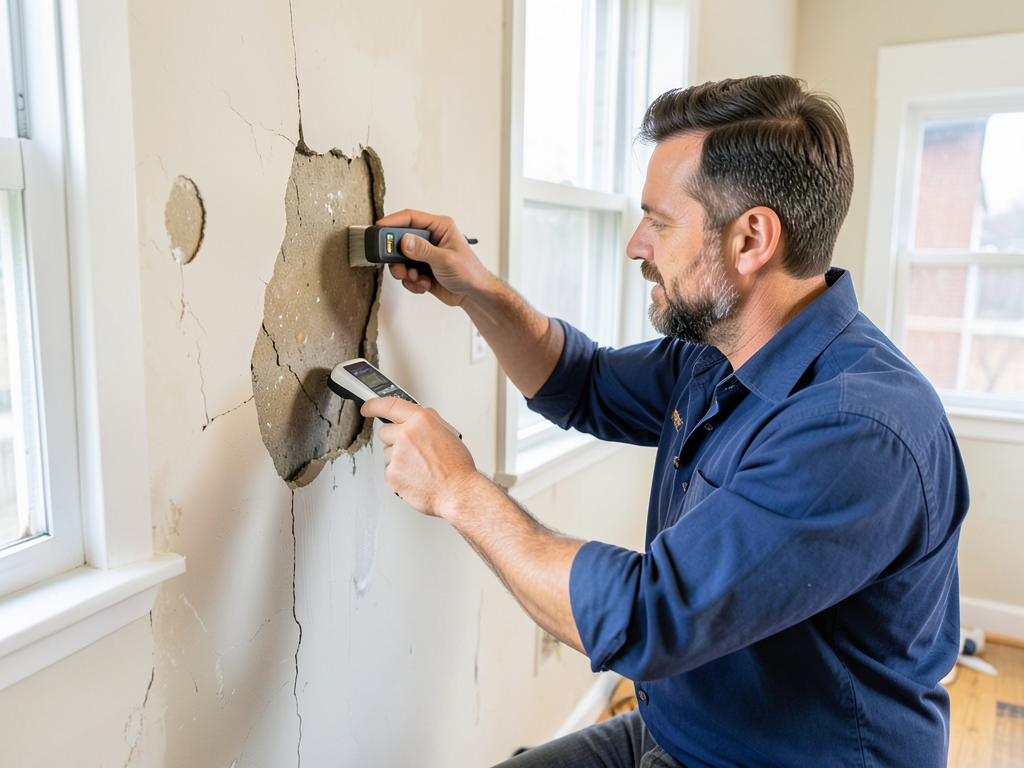
Start water extraction immediately. Standing water causes structural damage within hours. Mold begins growing in 24-48 hours in Minneapolis’s humid climate. Call a professional water damage restoration company that offers 24/7 emergency service. They arrive with industrial pumps and moisture meters to begin mitigation right away. Finding Fast Emergency Water Removal in the North Loop Neighborhood.
Keep all receipts. Emergency services, hotel stays, and replacement items become part of your claim. The insurance company reimburses reasonable expenses to prevent further loss.
Understanding Your Policy: Coverage Specific to the Twin Cities
Minneapolis homeowners face unique water damage risks due to our climate and infrastructure. Minnesota winters create freeze-thaw cycles that stress plumbing systems. Spring thaws often overwhelm sump pumps and cause basement flooding.
Standard homeowners insurance covers sudden and accidental water discharge from plumbing systems. This includes burst pipes, overflowing appliances, and accidental overflows. However, many Minneapolis homeowners discover too late that their policies exclude certain common damages.
Sewer backup coverage requires a separate endorsement in Minnesota. Minneapolis’s aging sewer infrastructure means sewer backups happen frequently during heavy rains. Without this endorsement, you pay for cleanup and repairs yourself.
Flood insurance through FEMA’s National Flood Insurance Program covers rising water from external sources. Minneapolis properties near the Mississippi River or Minnehaha Creek may need this coverage. Standard policies exclude flood damage entirely. FEMA National Flood Insurance Program.
Replacement cost value versus actual cash value affects your settlement amount. Replacement cost policies pay to replace damaged items without depreciation. Actual cash value deducts wear and tear. Many Minneapolis policies use ACV for personal property, leaving homeowners underinsured.
The Restoration and Claims Process: What to Expect
After calling your insurance company, an adjuster contacts you within 24-48 hours. They schedule an inspection to assess the damage. The adjuster determines if your claim falls under covered perils and estimates repair costs.
Professional restoration companies work directly with insurance carriers. They document damage using industry-standard software that insurance companies recognize. This speeds up claim processing and reduces disputes over repair costs.
Common reasons for claim denials in Minnesota include lack of maintenance, gradual damage, and excluded perils. Insurance companies deny claims for frozen pipes if you left your home unheated during winter. They deny gradual leaks that caused damage over months or years.
The restoration process follows IICRC S500 standards for water damage. Technicians use moisture meters to detect hidden water in walls and floors. They create drying plans with industrial dehumidifiers and air movers. The process typically takes 3-5 days for clean water damage. IICRC S500 Standard.
Commercial properties in Minneapolis face additional challenges. Business interruption coverage becomes crucial when water damage shuts down operations. The restoration company must work quickly to minimize downtime and protect sensitive equipment.
Minneapolis Water Damage Checklist
Download our comprehensive checklist to ensure you don’t miss critical documentation steps during a water damage emergency.
- Safety First
Turn off electricity to affected areas. Avoid standing water near outlets or appliances.
- Document Everything
Take photos and videos of all damage before cleanup begins.
- Stop the Source
Shut off main water valve if the leak continues. Call a plumber for repairs.
- Extract Water
Remove standing water using wet vacuums or professional extraction equipment.
- Protect Belongings
Move furniture and valuables to dry areas. Elevate items on blocks if necessary.
- Call Your Insurance Company
Report the claim within 24 hours. Get your claim number.
- Mitigate Further Damage
Use fans and dehumidifiers. Open windows if weather permits.
- Keep All Receipts
Save receipts for emergency services, temporary housing, and replacement items.
Common Water Damage Scenarios in Minneapolis
Minneapolis’s unique climate and infrastructure create specific water damage risks. Understanding these scenarios helps you prepare and respond effectively.
Burst pipes happen when temperatures drop below 20 degrees Fahrenheit. Minneapolis experiences 30-40 days annually below this threshold. Pipes in exterior walls or unheated spaces freeze first. When water freezes, it expands by 9%, rupturing pipes.
Sump pump failures occur during spring thaws when melting snow overwhelms drainage systems. Minneapolis receives 54 inches of snow annually, creating significant melt volume in March and April. Power outages during spring storms compound the problem when pumps cannot operate.
Ice dams form on roofs when heat escapes through attics, melting snow that refreezes at eaves. Minneapolis’s freeze-thaw cycles create perfect conditions for ice dam formation. Water backs up under shingles, leaking into attics and walls.
Foundation cracks develop from soil expansion and contraction. Minneapolis clay soil holds moisture, expanding when wet and shrinking when dry. This movement creates pressure on foundation walls, causing cracks that allow water intrusion.
Working with Insurance Adjusters in Minnesota
Insurance adjusters evaluate claims based on policy terms and damage extent. They look for evidence of covered perils versus excluded causes. Understanding their perspective helps you prepare for inspections.
Independent adjusters work for multiple insurance companies. Staff adjusters work directly for your carrier. Both follow similar evaluation processes but may have different authority levels for claim approvals.
The adjuster inspects damage, reviews your documentation, and estimates repair costs. They may request additional information or clarification about the loss cause. Be available during inspections and provide requested documentation promptly.
Disputes sometimes arise over repair estimates or coverage determinations. If you disagree with the adjuster’s findings, you can request a second inspection or hire a public adjuster. Public adjusters work for you, not the insurance company, but charge a percentage of the settlement.
Minnesota requires insurance companies to respond to claims within specific timeframes. They must acknowledge receipt within 15 days and provide a decision within 60 days of receiving all necessary information.
Preventing Future Water Damage
After experiencing water damage, prevention becomes a priority. Minneapolis homeowners can take several steps to reduce future risks.
Insulate pipes in unheated spaces like basements, crawl spaces, and exterior walls. Use pipe insulation sleeves or heat tape in vulnerable areas. Keep your home heated to at least 55 degrees when away during winter.
Install water leak detection systems that shut off water automatically when leaks occur. These systems connect to your smartphone, alerting you to problems immediately. Some insurance companies offer premium discounts for these devices.
Maintain your roof and gutters to prevent ice dams. Ensure proper attic insulation and ventilation. Clean gutters regularly and consider installing heat cables along roof edges.
Grade soil away from your foundation to direct water away from your home. Extend downspouts at least 6 feet from your foundation. Consider installing a backup sump pump with battery power for outages.
Schedule annual plumbing inspections to identify potential problems before they cause damage. Check for signs of corrosion, loose connections, and aging components that may fail.
Special Considerations for Minneapolis Properties
Minneapolis’s historic districts and older homes require special attention during restoration. The Minneapolis 249.40 ordinance addresses lead-based paint in pre-1978 buildings. Restoration work must follow specific protocols to protect occupants from lead exposure.
Properties near the Mississippi River or Minnehaha Creek face higher flood risks. FEMA flood maps show flood zones that require special insurance considerations. Even properties outside designated flood zones can experience flooding from overwhelmed storm sewers.
Commercial properties in downtown Minneapolis must comply with building code requirements for restoration work. Fire safety systems, elevator operations, and tenant notifications become important considerations during water damage restoration.
Industrial facilities require specialized drying techniques to protect sensitive equipment. Server rooms, laboratories, and manufacturing areas need controlled humidity levels during restoration to prevent additional damage.
Cost Factors in Water Damage Restoration
Restoration costs vary based on damage extent, water category, and required services. Clean water from broken pipes costs less to remediate than contaminated water from sewage backups. Dealing with Sewage Backup Cleanup in Your Bloomington Home.
Category 1 water comes from clean sources like broken supply lines. Category 2 water contains significant contamination from sources like washing machine overflows. Category 3 water is grossly contaminated from sewage or flooding.
Structural repairs add significant costs beyond water extraction and drying. Damaged drywall, flooring, and cabinetry require removal and replacement. Mold remediation becomes necessary if water sits for more than 48 hours. Expert Mold Remediation for Older Apartments in Uptown Minneapolis.
Emergency services cost more than scheduled work due to after-hours response requirements. However, delaying emergency response often increases total restoration costs significantly.
Insurance deductibles apply to each claim. Higher deductibles reduce premium costs but increase out-of-pocket expenses when damage occurs. Review your policy to understand your financial responsibility.
When to Call a Professional
DIY water damage cleanup works for small spills but falls short for significant damage. Professional restoration companies have industrial equipment, moisture detection tools, and experience handling insurance claims.
Call professionals when water affects multiple rooms, involves contaminated water, or threatens structural components. Standing water deeper than one inch requires professional extraction equipment. Hidden moisture in walls and floors needs specialized detection tools.
Professional restoration prevents secondary damage like mold growth and structural deterioration. They document damage thoroughly for insurance claims and work directly with adjusters to ensure proper coverage.
Emergency response time matters. Water damage worsens by the hour. Professional companies offer 24/7 service with response times under 60 minutes in most Minneapolis areas.
Frequently Asked Questions
How long do I have to file a water damage insurance claim in Minneapolis?
Minnesota insurance companies must be notified “promptly” after discovering damage. While there’s no specific deadline, waiting more than 24-48 hours can complicate claims and may violate your policy’s terms.
Will my insurance rates increase after filing a water damage claim?
Insurance companies evaluate multiple factors when determining rate increases. A single water damage claim may not cause increases, but multiple claims within a short period often result in higher premiums.
What if my claim gets denied?
You have the right to appeal claim denials. Request a written explanation of the denial reason. Review your policy to understand coverage limitations. Consider hiring a public adjuster or attorney if you believe the denial is incorrect.
Can I stay in my home during water damage restoration?
Safety determines whether you can remain in your home. If water affects only part of your home and poses no health risks, you may stay. However, extensive damage or contamination often requires temporary relocation.
How do I know if water damage is covered by my insurance?
Review your policy declarations page and coverage sections. Sudden and accidental discharge from plumbing systems is typically covered. Gradual damage, flooding, and lack of maintenance are usually excluded. Contact your insurance agent for clarification.
Water damage insurance claims in Minneapolis require quick action, proper documentation, and understanding of your policy coverage. The unique climate and infrastructure of the Twin Cities create specific risks that homeowners must address proactively. When water damage strikes, knowing the right steps to take can mean the difference between a smooth claim process and costly disputes.
Don’t wait until disaster strikes to understand your coverage. Review your insurance policy today and consider adding endorsements for risks common in Minneapolis. Keep our emergency contact information handy so you can act quickly when water damage occurs.
Call (651) 677-5055 today to schedule your inspection or to get immediate help with water damage in your Minneapolis home. Our certified technicians are ready to respond 24/7 and help you navigate the insurance claims process successfully.
{
“@context”: “https://schema.org”,
“@type”: “BlogPosting”,
“headline”: “Navigating Water Damage Insurance Claims in Minneapolis for 2026”,
“description”: “Learn how to handle water damage insurance claims in Minneapolis with our 2026 guide. Get step-by-step instructions for filing claims, understanding coverage, and maximizing your settlement.”,
“wordCount”: 2045,
“datePublished”: “2026-03-04T09:57:00.000Z”,
“dateModified”: “2026-03-04T09:57:00.000Z”,
“inLanguage”: “en-US”,
“mainEntityOfPage”: {
“@type”: “WebPage”,
“@id”: “https://pioneerwaterdamagerestorationminneapolis.com”
},
“publisher”: {
“@type”: “LocalBusiness”,
“name”: “Pioneer Water Damage Restoration Minneapolis”,
“url”: “https://pioneerwaterdamagerestorationminneapolis.com”
},
“author”: {
“@type”: “Organization”,
“name”: “Pioneer Water Damage Restoration Minneapolis”,
“url”: “https://pioneerwaterdamagerestorationminneapolis.com”
},
“image”: {
“@type”: “ImageObject”,
“url”: “https://pioneerwaterdamagerestorationminneapolis.com/wp-content/uploads/2026/03/navigating-water-damage-insurance-claims-in-minnea-1.png”
}
}
{
“@context”: “https://schema.org”,
“@type”: “LocalBusiness”,
“name”: “Pioneer Water Damage Restoration Minneapolis”,
“url”: “https://pioneerwaterdamagerestorationminneapolis.com”,
“address”: {
“@type”: “PostalAddress”,
“addressLocality”: “Minneapolis”
},
“areaServed”: {
“@type”: “City”,
“name”: “Minneapolis”
}
}
{
“@context”: “https://schema.org”,
“@type”: “FAQPage”,
“mainEntity”: [
{
“@type”: “Question”,
“name”: “How long do I have to file a water damage insurance claim in Minneapolis?”,
“acceptedAnswer”: {
“@type”: “Answer”,
“text”: “Minnesota insurance companies must be notified \”promptly\” after discovering damage. While there’s no specific deadline, waiting more than 24-48 hours can complicate claims and may violate your policy’s terms.”
}
},
{
“@type”: “Question”,
“name”: “Will my insurance rates increase after filing a water damage claim?”,
“acceptedAnswer”: {
“@type”: “Answer”,
“text”: “Insurance companies evaluate multiple factors when determining rate increases. A single water damage claim may not cause increases, but multiple claims within a short period often result in higher premiums.”
}
},
{
“@type”: “Question”,
“name”: “What if my claim gets denied?”,
“acceptedAnswer”: {
“@type”: “Answer”,
“text”: “You have the right to appeal claim denials. Request a written explanation of the denial reason. Review your policy to understand coverage limitations. Consider hiring a public adjuster or attorney if you believe the denial is incorrect.”
}
},
{
“@type”: “Question”,
“name”: “Can I stay in my home during water damage restoration?”,
“acceptedAnswer”: {
“@type”: “Answer”,
“text”: “Safety determines whether you can remain in your home. If water affects only part of your home and poses no health risks, you may stay. However, extensive damage or contamination often requires temporary relocation.”
}
},
{
“@type”: “Question”,
“name”: “How do I know if water damage is covered by my insurance?”,
“acceptedAnswer”: {
“@type”: “Answer”,
“text”: “Review your policy declarations page and coverage sections. Sudden and accidental discharge from plumbing systems is typically covered. Gradual damage, flooding, and lack of maintenance are usually excluded. Contact your insurance agent for clarification.”
}
}
]
}
{
“@context”: “https://schema.org”,
“@type”: “HowTo”,
“name”: “Water Damage Emergency Checklist”,
“step”: [
{
“@type”: “HowToStep”,
“position”: 1,
“name”: “Safety First”,
“text”: “Turn off electricity to affected areas. Avoid standing water near outlets or appliances.”
},
{
“@type”: “HowToStep”,
“position”: 2,
“name”: “Document Everything”,
“text”: “Take photos and videos of all damage before cleanup begins.”
},
{
“@type”: “HowToStep”,
“position”: 3,
“name”: “Stop the Source”,
“text”: “Shut off main water valve if the leak continues. Call a plumber for repairs.”
},
{
“@type”: “HowToStep”,
“position”: 4,
“name”: “Extract Water”,
“text”: “Remove standing water using wet vacuums or professional extraction equipment.”
},
{
“@type”: “HowToStep”,
“position”: 5,
“name”: “Protect Belongings”,
“text”: “Move furniture and valuables to dry areas. Elevate items on blocks if necessary.”
},
{
“@type”: “HowToStep”,
“position”: 6,
“name”: “Call Your Insurance Company”,
“text”: “Report the claim within 24 hours. Get your claim number.”
},
{
“@type”: “HowToStep”,
“position”: 7,
“name”: “Mitigate Further Damage”,
“text”: “Use fans and dehumidifiers. Open windows if weather permits.”
},
{
“@type”: “HowToStep”,
“position”: 8,
“name”: “Keep All Receipts”,
“text”: “Save receipts for emergency services, temporary housing, and replacement items.”
}
],
“image”: “https://pioneerwaterdamagerestorationminneapolis.com/wp-content/uploads/2026/03/navigating-water-damage-insurance-claims-in-minnea-1.png”
}
{
“@context”: “https://schema.org”,
“@type”: “BreadcrumbList”,
“itemListElement”: [
{
“@type”: “ListItem”,
“position”: 1,
“name”: “Home”,
“item”: “https://pioneerwaterdamagerestorationminneapolis.com”
},
{
“@type”: “ListItem”,
“position”: 2,
“name”: “Blog”,
“item”: “https://pioneerwaterdamagerestorationminneapolis.com/blog”
},
{
“@type”: “ListItem”,
“position”: 3,
“name”: “Navigating Water Damage Insurance Claims in Minneapolis for 2026”
}
]
}
{
“@context”: “https://schema.org”,
“@type”: “Service”,
“serviceType”: “Water Damage Restoration”,
“provider”: {
“@type”: “LocalBusiness”,
“name”: “Pioneer Water Damage Restoration Minneapolis”,
“url”: “https://pioneerwaterdamagerestorationminneapolis.com”
},
“areaServed”: {
“@type”: “City”,
“name”: “Minneapolis”
},
“description”: “Learn how to handle water damage insurance claims in Minneapolis with our 2026 guide. Get step-by-step instructions for filing claims, understanding coverage, and maximizing your settlement.”
}