
How to Spot Hidden Water Damage Before Buying a House in Longfellow
Buying a house in Longfellow means falling in love with charming bungalows and tree-lined streets. But beneath that vintage charm could lurk serious water damage that turns your dream home into a money pit. In 2026 Minneapolis homebuyers need to know the specific red flags that signal hidden moisture problems before signing on the dotted line. Immediate Water Damage Mitigation for Downtown Minneapolis Businesses.
Longfellow homes built before 1970 often have aging plumbing compromised foundations and poor drainage systems that modern codes would never allow. The freeze-thaw cycles Minnesota is famous for can turn hairline cracks into major leaks. Here’s how to spot the warning signs during your walkthrough and protect your investment. Minnesota Statutes § 513.55.
Why Longfellow Homes Are Vulnerable to Hidden Water Damage
Longfellow sits in a low-lying area near the Mississippi River where the water table runs high. Many homes here were built on clay-rich soil that expands when wet and contracts when dry. This soil movement creates stress on foundation walls and underground pipes. Server Room Water Damage.
The neighborhood’s mix of early 1900s craftsman homes and 1950s ramblers means you’re dealing with multiple construction eras. Older homes often lack proper vapor barriers while mid-century homes may have deteriorating galvanized plumbing hidden behind walls. Dealing with Sewage Backup Cleanup in Your Bloomington Home.
Ice dams form easily on Longfellow’s older roofs during Minnesota winters. When snow melts and refreezes at the eaves water backs up under shingles and seeps into attic spaces. This moisture often travels down walls before showing visible signs on ceilings.. Read more about How Water Damage Affects the Resale Value of Your Eden Prairie Property.
7 Critical Red Flags During Your Home Inspection
Before you even hire a professional inspector you need to know what to look for yourself. These seven warning signs could save you thousands in unexpected repairs.
1. Musty Odors That Won’t Go Away
Walk through the basement and main floor with your nose open. A persistent musty smell indicates active mold growth somewhere in the structure. In Minnesota’s climate this often means water intrusion that’s been happening for months or years. Minnesota’s Department of Health.
The smell is strongest in enclosed spaces like closets under stairs or behind furniture pushed against exterior walls. If you notice this odor moisture meters will likely show elevated readings in those areas.
2. Warped or Buckling Flooring
Hardwood floors that cup or crown indicate moisture underneath. This happens when water vapor rises through concrete slabs or when plumbing leaks saturate subflooring. In Longfellow’s older homes this often means a failed moisture barrier between the ground and your living space.
Pay special attention to areas near exterior doors under windows and in corners where water might accumulate during heavy rains.
3. Staining on Ceilings and Walls
Water stains appear as yellowish-brown rings or patches. These marks often have a darker center where the leak was most severe. In Minnesota homes ceiling stains frequently trace back to ice dam failures or bathroom exhaust fans that vent into attic spaces instead of outside.
Look for staining around light fixtures ceiling fans and along exterior walls where roof leaks travel down framing members.
4. Peeling Paint or Bubbling Wallpaper
When paint bubbles or wallpaper peels away from walls moisture is trapped behind the surface. This often indicates a slow leak from plumbing roof or foundation issues. In older Longfellow homes this could mean decades-old plumbing joints finally giving way.. Read more about The Most Effective Ways to Prevent Foundation Leaks in Willard-Hay Homes.
Touch the affected areas. If they feel cool or damp compared to surrounding surfaces you’ve found active moisture intrusion.
5. Foundation Cracks and Basement Moisture
Hairline cracks in basement walls are common but horizontal cracks or stair-step patterns in block foundations signal serious structural problems. Minnesota’s clay soil puts tremendous pressure on foundation walls during wet seasons.
Check basement floors for efflorescence – that white powdery substance that forms when water carries minerals to the surface. This indicates ongoing moisture migration through concrete.
6. Sump Pump Issues
Many Longfellow homes have sump pumps but not all are properly maintained. During your walkthrough locate the sump pit and listen for the pump cycling. If you hear it running constantly or not at all you’ve found a problem.
Check for a backup battery system. Minnesota’s severe storms often knock out power when you need your sump pump most. Homes without battery backup are at high risk during summer thunderstorms.
7. Exterior Grading Problems
Walk around the entire house and check the ground slope. Soil should pitch away from foundation walls at a minimum 6-inch drop over 10 feet. In Longfellow many older homes have settled over decades creating negative grading that funnels water toward basements.
Look for mulch or landscaping touching siding. This creates a direct path for moisture to wick into walls and provides cover for termites and carpenter ants.
Minneapolis-Specific Water Damage Risks
Minnesota’s climate creates unique challenges for homebuyers. Understanding these regional factors helps you spot problems others might miss.
Ice Dam History
Longfellow homes with poor attic insulation are prime candidates for ice dam formation. When heat escapes through the roof it melts snow that refreezes at the eaves. This cycle can force gallons of water under shingles and into your walls.
Ask the seller about past ice dam incidents. Even if they’ve been repaired the damage might not be fully addressed. Look for signs of past repairs like new flashing or replaced sections of roofing near eaves.
Spring Thaw Flooding
Minnesota’s spring thaw creates hydrostatic pressure against foundation walls. When frozen ground prevents snowmelt from absorbing into soil water seeks the path of least resistance – often through basement walls and floors.
Homes in low-lying Longfellow areas near Minnehaha Creek are especially vulnerable. Check if the property has a history of spring flooding by reviewing past insurance claims.
High Water Table Concerns
The Mississippi River valley affects water tables throughout Longfellow. Some areas sit just a few feet above seasonal high water levels. This means even small foundation cracks can allow significant water intrusion during wet periods.. Read more about Why Your Apple Valley Air Conditioner Is Leaking Water Inside the House.
Ask about sump pump run times during different seasons. A pump that runs constantly during spring but rarely in fall indicates a high water table issue.
Legal Requirements and Disclosure Laws in Minnesota
Minnesota law requires sellers to disclose known material defects including past water damage and mold issues. However disclosure laws have limitations that buyers need to understand.
Under Minnesota Statutes § 513.55 sellers must complete a property disclosure statement. But this only covers known issues – not problems they’re unaware of or that occurred before their ownership.
The disclosure doesn’t require sellers to investigate hidden problems. They only need to report what they know. This is why your own due diligence is critical.
CLUE Report Investigation
Before making an offer obtain a Comprehensive Loss Underwriting Exchange (CLUE) report for the property. This insurance claims history can reveal past water damage incidents that sellers might downplay or forget.
Look for patterns of claims rather than single incidents. Multiple claims for water damage over several years suggest ongoing issues that haven’t been properly resolved.
Professional Inspection Steps You Shouldn’t Skip
While your standard home inspection covers many issues water damage requires specialized attention. Here’s what to insist on before closing.
Moisture Intrusion Inspection
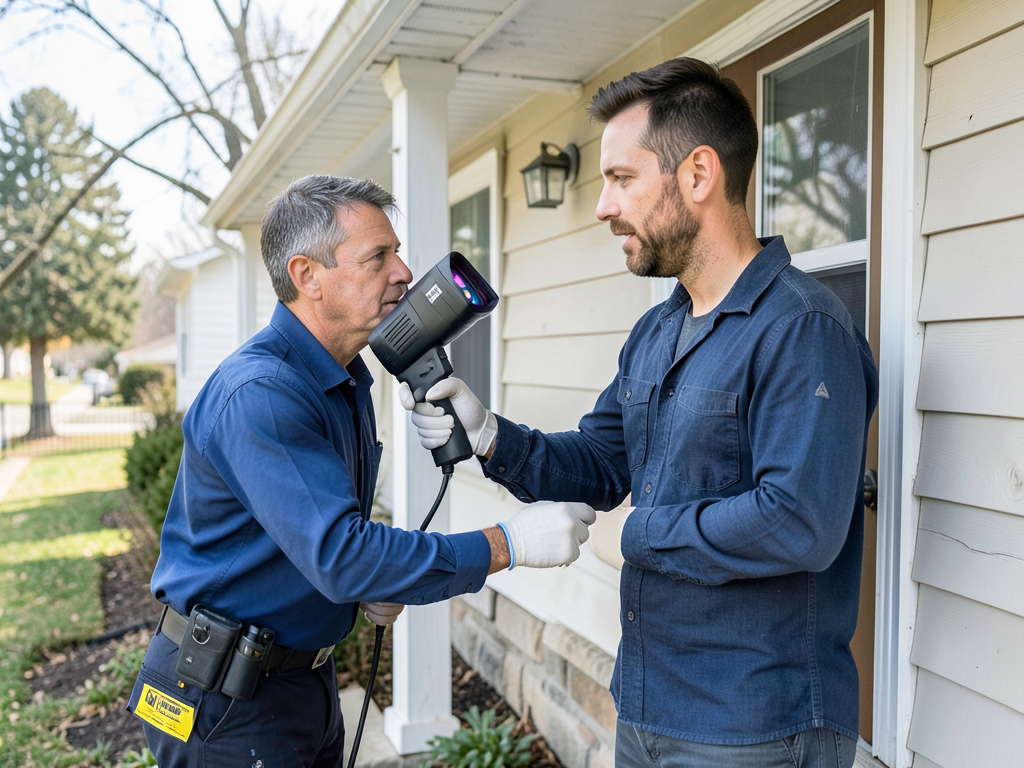
Standard home inspectors use visual observation only. For water damage you need thermal imaging and moisture mapping. These tools can detect hidden moisture behind walls and under floors without destructive testing.
Ask your inspector to use infrared cameras to scan exterior walls ceilings and around plumbing fixtures. Cool spots on thermal images often indicate moisture presence.
Foundation Evaluation
Have a structural engineer examine foundation walls for signs of movement or water damage. They can identify whether cracks are active or historic and assess the need for repairs.
Engineers can also evaluate whether the home’s drainage systems meet current Minnesota building codes which have specific requirements for frost protection and moisture control.
Mold Testing When Appropriate
If you detect musty odors or see visible mold during your walkthrough insist on professional mold testing. Minnesota’s Department of Health provides guidelines for mold assessment and remediation that certified professionals must follow. Expert Mold Remediation for Older Apartments in Uptown Minneapolis.
Air quality testing can reveal mold spore counts that indicate hidden growth even when no visible signs exist.
The Cost of Remediation vs. Home Value
Understanding potential repair costs helps you make informed offers. Here’s what water damage remediation typically costs in the Minneapolis area as of 2026.
| Repair Type | Typical Cost Range (Minneapolis) | Time to Complete |
|---|---|---|
| Basement waterproofing | $5000 – $15000 | 3-7 days |
| Mold remediation (per sq ft) | $15 – $30 | 1-5 days |
| Foundation crack repair | $500 – $5000 | 1-3 days |
| Ice dam damage repair | $2000 – $10000 | 2-5 days |
| Sump pump replacement | $800 – $2500 | 1 day |
These costs don’t include potential structural repairs electrical work or replacing damaged personal belongings. A severe water damage situation could easily cost $20000-$50000 in a Minneapolis home.
Negotiating Based on Water Damage Findings
Discovering water damage doesn’t mean you should walk away from the deal. Instead use your findings to negotiate a better price or request repairs before closing. Finding Fast Emergency Water Removal in the North Loop Neighborhood.
Price Adjustment Strategy
If inspection reveals $15000 in needed repairs ask for a $20000 price reduction. This gives you a buffer for unexpected issues and compensates you for the hassle of managing repairs.
Base your negotiation on actual repair quotes from licensed contractors not estimates. Written quotes carry more weight in negotiations than verbal assessments.
Repair Request Options
You can request the seller complete specific repairs before closing but be strategic about what you ask for. Focus on safety issues and problems that could worsen if not addressed immediately.
For cosmetic water damage or older repairs that are functioning adequately a price reduction often makes more sense than repair requests.
Red Flags That Should Make You Walk Away
Some water damage issues are so severe or expensive to fix that they’re not worth the risk even with a price reduction.
Active Sewer Line Problems
If you detect sewer odors in the basement or see signs of sewage backup this indicates serious plumbing issues. Minneapolis’s aging sewer infrastructure means these repairs often require street excavation and can cost $10000-$30000.
Foundation Movement
Significant foundation cracks especially those wider than 1/4 inch or showing signs of recent movement indicate structural problems. These issues rarely get better on their own and often require extensive expensive repairs.
Previous Flood History
Homes with documented flood histories especially those in FEMA-designated flood zones carry ongoing risks. Even with mitigation measures these properties face higher insurance costs and potential future damage.
Protecting Yourself During the Purchase Process
Beyond inspections and negotiations several steps can protect you from buying a water-damaged money pit.
Insurance Verification
Before making an offer contact insurance companies to get quotes for the property. Homes with water damage history often face higher premiums or coverage exclusions.
Ask specifically about mold coverage sump pump failure coverage and sewer backup protection. These are common exclusions in standard policies.
Permit History Review
Check Minneapolis building permit records for the property. Past permits for plumbing roofing or foundation work can reveal where water damage repairs have been attempted.
Look for permits that were pulled but never closed out. This could indicate the work wasn’t completed properly or passed inspection.
Next Steps: What to Do If You Suspect Hidden Damage
If your walkthrough reveals any of the red flags mentioned above don’t panic. Here’s your action plan before making an offer.
Document Everything
Take photos and videos of any suspicious areas. Note the location date and specific concerns. This documentation becomes valuable during negotiations and if you need to request additional inspections.
Consult a Water Damage Specialist
Before finalizing your offer have a certified water damage restoration professional evaluate the property. They can identify issues that general home inspectors might miss and provide repair cost estimates.
Call (651) 677-5055 today to schedule a pre-purchase moisture assessment. Our technicians use industrial-grade thermal imaging and moisture meters to detect hidden problems.
Include Inspection Contingencies
Make your offer contingent on professional inspections and your satisfaction with the results. This gives you an exit strategy if serious issues are discovered.
Specify which inspections you’ll conduct and set reasonable timeframes for completion. Don’t give sellers unlimited time to address your concerns.
Frequently Asked Questions
How can I tell if water damage is active or old?
Active moisture problems feel cool to the touch and often have a musty odor. Use a moisture meter to test suspicious areas – readings above 15% indicate active moisture. Old damage typically appears as dried stains without current moisture readings.
Should I walk away from a house with past water damage?
Not necessarily. Many water damage issues are repairable. Focus on whether the damage was properly remediated if there’s documentation of repairs and if you can get professional verification that the problem is resolved. A house with documented repaired water damage might be a better buy than one with unknown issues.
What’s the biggest mistake buyers make regarding water damage?
The biggest mistake is relying solely on the seller’s disclosure and a basic home inspection. Water damage often hides behind walls under floors and in crawl spaces. Professional moisture testing with thermal imaging can reveal problems that visual inspections miss.
How much should I budget for potential water damage repairs?
For a typical Minneapolis home budget 1-2% of the purchase price for potential water damage repairs. So for a $300000 home keep $3000-$6000 available. If inspections reveal specific issues get actual quotes before finalizing your offer.
Can I get insurance if a house has water damage history?
Yes but it might cost more. Insurance companies evaluate each case individually. Documented repairs with permits and professional remediation often satisfy insurers. However homes with repeated claims or unresolved issues may face coverage limitations or higher premiums.
What’s the best time of year to inspect for water damage in Minnesota?
Spring and fall are ideal because you can observe how the home handles seasonal moisture changes. Winter inspections might miss active leaks that only occur during thaw cycles. Summer inspections could overlook ice dam vulnerabilities. A year-round perspective is best if possible.
Conclusion: Your Investment Deserves Protection
Buying a home in Longfellow means investing in a piece of Minneapolis history. But that history often comes with hidden water damage risks that can cost you thousands if you don’t know what to look for.
Trust your instincts during walkthroughs. If something feels off – whether it’s a musty smell a suspicious stain or a constantly running sump pump – investigate further. The cost of professional inspections is minimal compared to discovering major problems after you’ve moved in.
Remember that water damage rarely stays contained. What starts as a small leak can lead to mold growth structural rot and electrical hazards. By learning to spot these warning signs now you’re protecting not just your investment but your family’s health and safety.
Ready to buy with confidence? Call (651) 677-5055 for a comprehensive pre-purchase moisture assessment. Our certified technicians will help you identify hidden water damage before you make the biggest investment of your life.
Don’t let hidden water damage sink your dream home. Pick up the phone and call (651) 677-5055 before the next storm hits. Your future self will thank you.
You may also find this helpful. Why Your St. Anthony Main Victorian Needs Special Care After a Water Leak.
{
“@context”: “https://schema.org”,
“@type”: “BlogPosting”,
“headline”: “How to Spot Hidden Water Damage Before Buying a House in Longfellow”,
“description”: “Learn to identify hidden water damage in Longfellow homes with expert tips on musty odors, foundation cracks, ice dams, and moisture testing before buying.”,
“wordCount”: 2563,
“datePublished”: “2026-03-06T14:57:00.000Z”,
“dateModified”: “2026-03-06T14:57:00.000Z”,
“inLanguage”: “en-US”,
“mainEntityOfPage”: {
“@type”: “WebPage”,
“@id”: “https://pioneerwaterdamagerestorationminneapolis.com”
},
“publisher”: {
“@type”: “LocalBusiness”,
“name”: “Pioneer Water Damage Restoration Minneapolis”,
“url”: “https://pioneerwaterdamagerestorationminneapolis.com”
},
“author”: {
“@type”: “Organization”,
“name”: “Pioneer Water Damage Restoration Minneapolis”,
“url”: “https://pioneerwaterdamagerestorationminneapolis.com”
},
“image”: {
“@type”: “ImageObject”,
“url”: “https://pioneerwaterdamagerestorationminneapolis.com/wp-content/uploads/2026/03/how-to-spot-hidden-water-damage-before-buying-a-ho-1.png”
}
}
{
“@context”: “https://schema.org”,
“@type”: “LocalBusiness”,
“name”: “Pioneer Water Damage Restoration Minneapolis”,
“url”: “https://pioneerwaterdamagerestorationminneapolis.com”,
“address”: {
“@type”: “PostalAddress”,
“addressLocality”: “Minneapolis”
},
“areaServed”: {
“@type”: “City”,
“name”: “Minneapolis”
}
}
{
“@context”: “https://schema.org”,
“@type”: “FAQPage”,
“mainEntity”: [
{
“@type”: “Question”,
“name”: “How can I tell if water damage is active or old?”,
“acceptedAnswer”: {
“@type”: “Answer”,
“text”: “Active moisture problems feel cool to the touch and often have a musty odor. Use a moisture meter to test suspicious areas – readings above 15% indicate active moisture. Old damage typically appears as dried stains without current moisture readings.”
}
},
{
“@type”: “Question”,
“name”: “Should I walk away from a house with past water damage?”,
“acceptedAnswer”: {
“@type”: “Answer”,
“text”: “Not necessarily. Many water damage issues are repairable. Focus on whether the damage was properly remediated if there’s documentation of repairs and if you can get professional verification that the problem is resolved. A house with documented repaired water damage might be a better buy than one with unknown issues.”
}
},
{
“@type”: “Question”,
“name”: “What’s the biggest mistake buyers make regarding water damage?”,
“acceptedAnswer”: {
“@type”: “Answer”,
“text”: “The biggest mistake is relying solely on the seller’s disclosure and a basic home inspection. Water damage often hides behind walls under floors and in crawl spaces. Professional moisture testing with thermal imaging can reveal problems that visual inspections miss.”
}
},
{
“@type”: “Question”,
“name”: “How much should I budget for potential water damage repairs?”,
“acceptedAnswer”: {
“@type”: “Answer”,
“text”: “For a typical Minneapolis home budget 1-2% of the purchase price for potential water damage repairs. So for a $300000 home keep $3000-$6000 available. If inspections reveal specific issues get actual quotes before finalizing your offer.”
}
},
{
“@type”: “Question”,
“name”: “Can I get insurance if a house has water damage history?”,
“acceptedAnswer”: {
“@type”: “Answer”,
“text”: “Yes but it might cost more. Insurance companies evaluate each case individually. Documented repairs with permits and professional remediation often satisfy insurers. However homes with repeated claims or unresolved issues may face coverage limitations or higher premiums.”
}
},
{
“@type”: “Question”,
“name”: “What’s the best time of year to inspect for water damage in Minnesota?”,
“acceptedAnswer”: {
“@type”: “Answer”,
“text”: “Spring and fall are ideal because you can observe how the home handles seasonal moisture changes. Winter inspections might miss active leaks that only occur during thaw cycles. Summer inspections could overlook ice dam vulnerabilities. A year-round perspective is best if possible.”
}
}
]
}
{
“@context”: “https://schema.org”,
“@type”: “BreadcrumbList”,
“itemListElement”: [
{
“@type”: “ListItem”,
“position”: 1,
“name”: “Home”,
“item”: “https://pioneerwaterdamagerestorationminneapolis.com”
},
{
“@type”: “ListItem”,
“position”: 2,
“name”: “Blog”,
“item”: “https://pioneerwaterdamagerestorationminneapolis.com/blog”
},
{
“@type”: “ListItem”,
“position”: 3,
“name”: “How to Spot Hidden Water Damage Before Buying a House in Longfellow”
}
]
}
{
“@context”: “https://schema.org”,
“@type”: “Service”,
“serviceType”: “Water Damage Restoration”,
“provider”: {
“@type”: “LocalBusiness”,
“name”: “Pioneer Water Damage Restoration Minneapolis”,
“url”: “https://pioneerwaterdamagerestorationminneapolis.com”
},
“areaServed”: {
“@type”: “City”,
“name”: “Minneapolis”
},
“description”: “Learn to identify hidden water damage in Longfellow homes with expert tips on musty odors, foundation cracks, ice dams, and moisture testing before buying.”
}