
Minneapolis homeowners know that our brutal winters and humid summers put extra stress on every part of a house. When you see paint bubbling or peeling on your soffits, it’s easy to assume it’s just age or poor-quality paint. But in many cases, this exterior cosmetic issue is actually a red flag for a hidden roof leak working its way down from above.
Roof leaks often start small—a cracked shingle, a loose flashing, or ice dam damage—and can go unnoticed for months. By the time the water reaches your soffits, the leak has already compromised your attic insulation, rafters, and drywall. That’s why peeling paint near your roofline deserves immediate attention before the damage spreads. Immediate Water Damage Mitigation for Downtown Minneapolis Businesses.
Minneapolis homes face unique challenges. Our freeze-thaw cycles cause roofing materials to expand and contract, creating tiny gaps where water can seep in. Ice dams trap melting snow against your roof, forcing water under shingles and into your attic. Once inside, that moisture travels along rafters and trusses, eventually showing up as peeling paint on your soffits or fascia boards. Server Room Water Damage.
According to the Minnesota Department of Labor and Industry, proper attic ventilation is critical for preventing moisture buildup that leads to both ice dams and hidden leaks. Homes in neighborhoods like Linden Hills or Fulton often have older ventilation systems that weren’t designed for today’s energy-efficient building standards, making them more vulnerable to these issues. Minnesota Department of Labor and Industry.
How to Spot a Hidden Roof Leak Beyond Peeling Paint
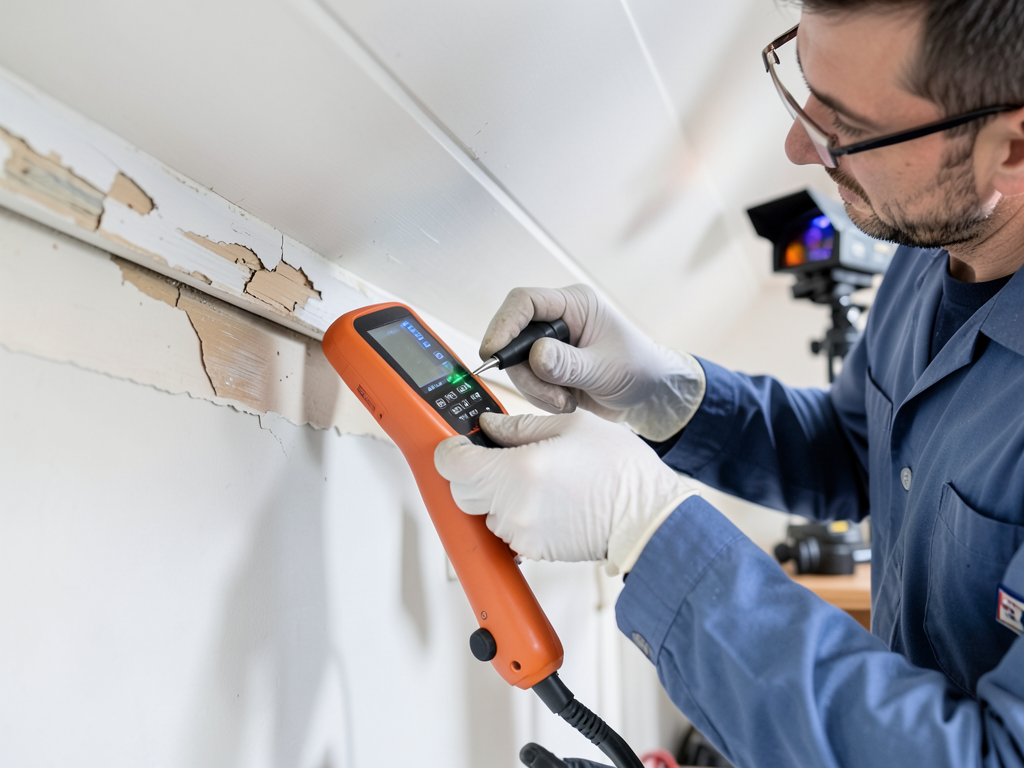
– Photo of peeling soffit paint with moisture meter reading showing elevated levels
Peeling paint is just one symptom. Here are other signs that indicate water is getting past your roof and into your home’s structure: Water Damage Restoration Rochester.
- Musty odors in upper levels – Mold and mildew thrive in dark, damp attic spaces
- Water stains on ceilings below rooflines – Brown or yellow discoloration often appears after the leak has been active
- Curling or missing shingles – Visible from the ground, especially after storms
- Excessive attic condensation – Frost buildup on rafters during winter is a major warning sign
- Higher energy bills – Wet insulation loses its R-value, forcing your HVAC system to work harder
The Minnesota Building Code requires ice and water shield underlayment in “ice dam regions,” which includes the entire Twin Cities metro. Homes built before 2020 may lack this critical protection, making them more susceptible to the freeze-thaw damage that causes hidden leaks. Water Damage Restoration Eagan.
Why Minneapolis Weather Makes Hidden Leaks More Common
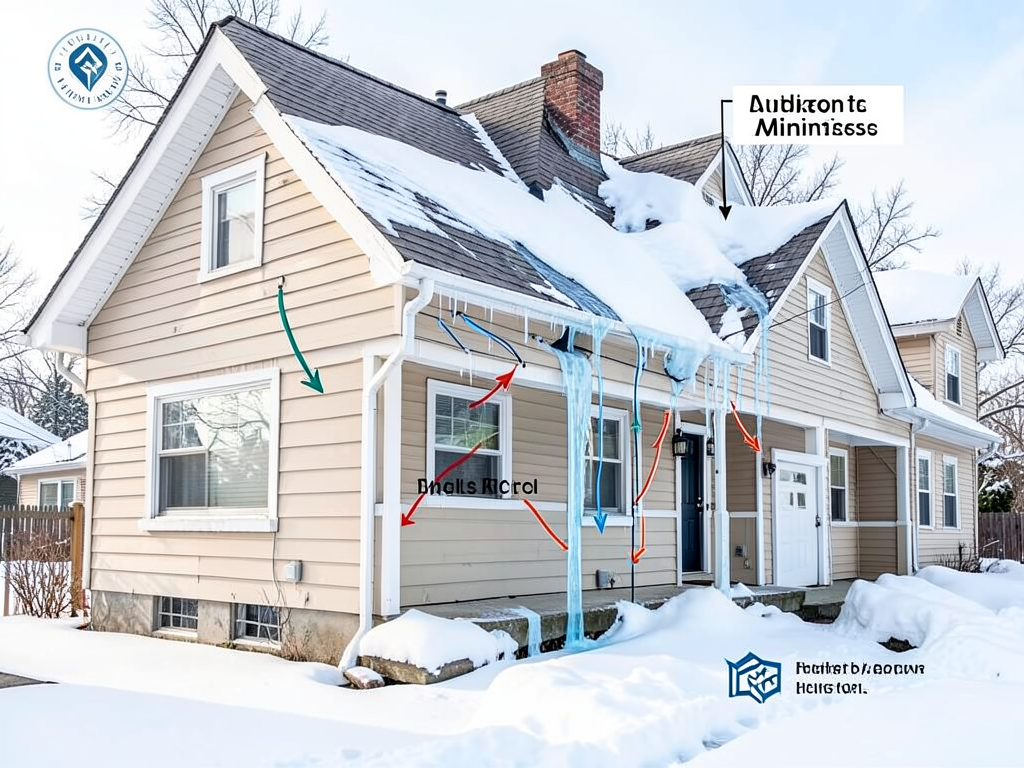
– Diagram showing how ice dams form and force water under shingles
Minneapolis experiences an average of 54 inches of snow annually, with temperatures frequently dropping below zero. This creates perfect conditions for ice dams—ridges of ice that form at roof edges and prevent melting snow from draining properly.
When ice dams form, water backs up under shingles and can travel horizontally across your roof deck before finding a path into your attic. By the time you notice peeling soffit paint, that water has already soaked into your insulation and wood framing. Finding Fast Emergency Water Removal in the North Loop Neighborhood.
The University of Minnesota Extension Service reports that homes with inadequate attic insulation are 3-4 times more likely to develop ice dams. Many Minneapolis neighborhoods, particularly those with older housing stock like Whittier or Phillips, have homes that would benefit from updated insulation and ventilation systems. University of Minnesota Extension Service.
Professional Detection: Beyond the Naked Eye
– Technician using thermal imaging camera to detect moisture in attic rafters
Finding a hidden roof leak requires more than a visual inspection. Professional water damage restoration companies use specialized equipment to detect moisture that’s invisible to homeowners:
- Thermal imaging cameras – Show temperature differences that indicate moisture presence
- Moisture meters – Measure exact moisture content in wood and drywall
- Borescopes – Allow inspection of wall cavities without demolition
- Humidity sensors – Track moisture levels over time to identify patterns
The IICRC S500 Standard for Professional Water Damage Restoration outlines specific procedures for assessing and documenting water intrusion. Following these industry standards ensures that all affected areas are identified and properly remediated.
The Cost of Waiting: Secondary Damage Risks
Delaying action on a suspected roof leak can multiply repair costs exponentially. Within 24-48 hours of water intrusion, mold can begin growing in your attic insulation and wood framing. Stachybotrys chartarum, commonly known as black mold, thrives in the dark, damp conditions found in Minnesota attics during winter.
Structural wood rot can compromise your roof’s integrity, potentially leading to ceiling collapse or the need for complete roof deck replacement. The longer moisture persists, the more extensive—and expensive—the repairs become.
Insurance companies often view delayed maintenance as negligence, which can result in claim denials. Minneapolis homeowners insurance typically covers sudden damage but may not cover problems that develop over months due to ignored maintenance issues.
DIY vs. Professional Inspection: When to Call the Experts
While you can perform a basic visual inspection from the ground, safely accessing your roof and attic requires proper equipment and training. Walking on a wet roof is dangerous, and disturbing mold growth without proper containment can spread spores throughout your home.
Professional inspectors can identify the source of water intrusion even when it’s not directly above the visible damage. Water can travel horizontally along rafters or get trapped in insulation, making the entry point difficult to locate without specialized equipment.
Call (651) 677-5055 today if you notice peeling soffit paint or any of the other warning signs mentioned above. Our certified technicians can perform a comprehensive moisture assessment and identify hidden damage before it becomes a major restoration project.
Prevention Strategies for Minneapolis Homes
Preventing hidden roof leaks starts with proper maintenance and upgrades. Consider these strategies to protect your Minneapolis home:
- Annual roof inspections – Have a professional examine your roof each fall before winter weather arrives
- Attic ventilation assessment – Ensure your attic has proper intake and exhaust ventilation
- Ice and water shield installation – Upgrade vulnerable areas like valleys and eaves
- Tree branch trimming – Keep branches at least 10 feet from your roof to prevent damage
- Professional gutter cleaning – Clean gutters twice yearly to prevent ice dam formation
The City of Minneapolis requires permits for roofing work, ensuring that all installations meet current building codes. Working with licensed contractors who understand local requirements helps protect your home and maintains your warranty coverage.
Understanding Your Insurance Coverage
Most Minneapolis homeowners insurance policies cover sudden, accidental water damage from roof leaks. However, damage from long-term neglect or lack of maintenance is typically excluded. This is why early detection and prompt professional assessment is so important.
When you file a claim for water damage, your insurance company will want to know when the damage occurred and what steps you’ve taken to mitigate it. Keeping records of maintenance, inspections, and repairs can help support your claim if you need to file one.
Professional water damage restoration companies often work directly with insurance providers, documenting the damage and providing the necessary reports to support your claim. This can simplify the process and help ensure you receive appropriate coverage for repairs.
Frequently Asked Questions
How long does it take for a roof leak to cause visible damage?
Roof leaks can go undetected for months before showing visible signs like peeling paint. The timeline depends on the leak size, your attic’s ventilation, and weather conditions. Small leaks might take 6-12 months to cause noticeable damage, while larger breaches can show signs within weeks.
Can I just repaint my soffits if they’re peeling?
Repainting without addressing the underlying moisture problem is a temporary fix at best. The water will continue to damage your home’s structure, and the new paint will likely peel again. You need to find and fix the leak source before any cosmetic repairs.
How much does professional leak detection cost in Minneapolis?
Professional moisture assessment typically costs between $200-$500 in the Minneapolis area, depending on your home’s size and the complexity of the inspection. This fee is often credited toward repair costs if you proceed with the recommended work.
Will a roof leak affect my home’s resale value?
Yes, unresolved water damage can significantly impact your home’s value and marketability. Buyers and home inspectors look for signs of past or active water intrusion, and undisclosed damage can lead to legal issues after sale.
What’s the difference between a roof leak and condensation?
Roof leaks involve water entering from outside, while condensation forms from moisture inside your home. Condensation typically appears as frost or water droplets on the underside of your roof deck, while leaks often show as stains or damage on ceilings and walls below.
{
“@context”: “https://schema.org”,
“@type”: “BlogPosting”,
“headline”: “Why Peeling Paint on Your Minneapolis Soffits Is Often a Sign of a Hidden Roof Leak”,
“description”: “Minneapolis homeowners: peeling soffit paint can signal a hidden roof leak. Learn the warning signs, causes, and when to call a pro before costly water damage spreads.”,
“wordCount”: 1463,
“datePublished”: “2026-06-11T12:45:00.000Z”,
“dateModified”: “2026-06-11T12:45:00.000Z”,
“inLanguage”: “en-US”,
“mainEntityOfPage”: {
“@type”: “WebPage”,
“@id”: “https://pioneerwaterdamagerestorationminneapolis.com”
},
“publisher”: {
“@type”: “LocalBusiness”,
“name”: “Pioneer Water Damage Restoration Minneapolis”,
“url”: “https://pioneerwaterdamagerestorationminneapolis.com”
},
“author”: {
“@type”: “Organization”,
“name”: “Pioneer Water Damage Restoration Minneapolis”,
“url”: “https://pioneerwaterdamagerestorationminneapolis.com”
},
“image”: {
“@type”: “ImageObject”,
“url”: “https://pioneerwaterdamagerestorationminneapolis.com/wp-content/uploads/2026/03/why-peeling-paint-on-your-minneapolis-soffits-is-o-1.png”
}
}
{
“@context”: “https://schema.org”,
“@type”: “LocalBusiness”,
“name”: “Pioneer Water Damage Restoration Minneapolis”,
“url”: “https://pioneerwaterdamagerestorationminneapolis.com”,
“address”: {
“@type”: “PostalAddress”,
“addressLocality”: “Minneapolis”
},
“areaServed”: {
“@type”: “City”,
“name”: “Minneapolis”
}
}
{
“@context”: “https://schema.org”,
“@type”: “FAQPage”,
“mainEntity”: [
{
“@type”: “Question”,
“name”: “How long does it take for a roof leak to cause visible damage?”,
“acceptedAnswer”: {
“@type”: “Answer”,
“text”: “Roof leaks can go undetected for months before showing visible signs like peeling paint. The timeline depends on the leak size, your attic’s ventilation, and weather conditions. Small leaks might take 6-12 months to cause noticeable damage, while larger breaches can show signs within weeks.”
}
},
{
“@type”: “Question”,
“name”: “Can I just repaint my soffits if they’re peeling?”,
“acceptedAnswer”: {
“@type”: “Answer”,
“text”: “Repainting without addressing the underlying moisture problem is a temporary fix at best. The water will continue to damage your home’s structure, and the new paint will likely peel again. You need to find and fix the leak source before any cosmetic repairs.”
}
},
{
“@type”: “Question”,
“name”: “How much does professional leak detection cost in Minneapolis?”,
“acceptedAnswer”: {
“@type”: “Answer”,
“text”: “Professional moisture assessment typically costs between $200-$500 in the Minneapolis area, depending on your home’s size and the complexity of the inspection. This fee is often credited toward repair costs if you proceed with the recommended work.”
}
},
{
“@type”: “Question”,
“name”: “Will a roof leak affect my home’s resale value?”,
“acceptedAnswer”: {
“@type”: “Answer”,
“text”: “Yes, unresolved water damage can significantly impact your home’s value and marketability. Buyers and home inspectors look for signs of past or active water intrusion, and undisclosed damage can lead to legal issues after sale.”
}
},
{
“@type”: “Question”,
“name”: “What’s the difference between a roof leak and condensation?”,
“acceptedAnswer”: {
“@type”: “Answer”,
“text”: “Roof leaks involve water entering from outside, while condensation forms from moisture inside your home. Condensation typically appears as frost or water droplets on the underside of your roof deck, while leaks often show as stains or damage on ceilings and walls below.”
}
}
]
}
{
“@context”: “https://schema.org”,
“@type”: “BreadcrumbList”,
“itemListElement”: [
{
“@type”: “ListItem”,
“position”: 1,
“name”: “Home”,
“item”: “https://pioneerwaterdamagerestorationminneapolis.com”
},
{
“@type”: “ListItem”,
“position”: 2,
“name”: “Blog”,
“item”: “https://pioneerwaterdamagerestorationminneapolis.com/blog”
},
{
“@type”: “ListItem”,
“position”: 3,
“name”: “Why Peeling Paint on Your Minneapolis Soffits Is Often a Sign of a Hidden Roof Leak”
}
]
}
{
“@context”: “https://schema.org”,
“@type”: “Service”,
“serviceType”: “Water Damage Restoration”,
“provider”: {
“@type”: “LocalBusiness”,
“name”: “Pioneer Water Damage Restoration Minneapolis”,
“url”: “https://pioneerwaterdamagerestorationminneapolis.com”
},
“areaServed”: {
“@type”: “City”,
“name”: “Minneapolis”
},
“description”: “Minneapolis homeowners: peeling soffit paint can signal a hidden roof leak. Learn the warning signs, causes, and when to call a pro before costly water damage spreads.”
}