



menu

Categories of Water in Minneapolis – Understanding Contamination Levels Before Cleanup Begins

Learn the three IICRC water contamination categories affecting Minneapolis properties, from clean supply line breaks to sewage backups, and why misidentifying water quality classifications puts your health and property at risk.

Slider Image 1
Slider Image 2
Slider Image 3
Slider Image 4
Slider Image 5
Slider Image 7
Slider Image 8
Slider Image 9
Slider Image 10
Slider Image 11

Why Water Categories Matter in Minneapolis Properties

Not all water damage is the same. A burst pipe in your Uptown bathroom creates a different cleanup challenge than a basement sewage backup in Northeast Minneapolis or floodwater from the Mississippi River.

The IICRC defines three water damage categories based on contamination levels. Category 1 is clean water from supply lines or rain. Category 2 is gray water containing contaminants like washing machine overflow or dishwasher discharge. Category 3 is black water from sewage lines, river flooding, or standing water that has sat for more than 48 hours.

Minneapolis properties face unique water contamination risks. Our proximity to the Mississippi River and extensive system of urban lakes means flooding often introduces Category 3 water into basements. The freeze-thaw cycles from November through March burst pipes regularly, creating Category 1 incidents that degrade into Category 2 or 3 if not addressed quickly. Combined sewer systems in older Minneapolis neighborhoods can back up during heavy spring rains, sending sewage directly into finished basements.

The water quality classification determines everything about the cleanup. Category 1 requires basic extraction and drying. Category 3 demands full PPE, antimicrobial treatment, and often complete removal of porous materials like drywall and carpet. Using the wrong protocol exposes you to pathogens including E. coli, hepatitis A, and leptospirosis.

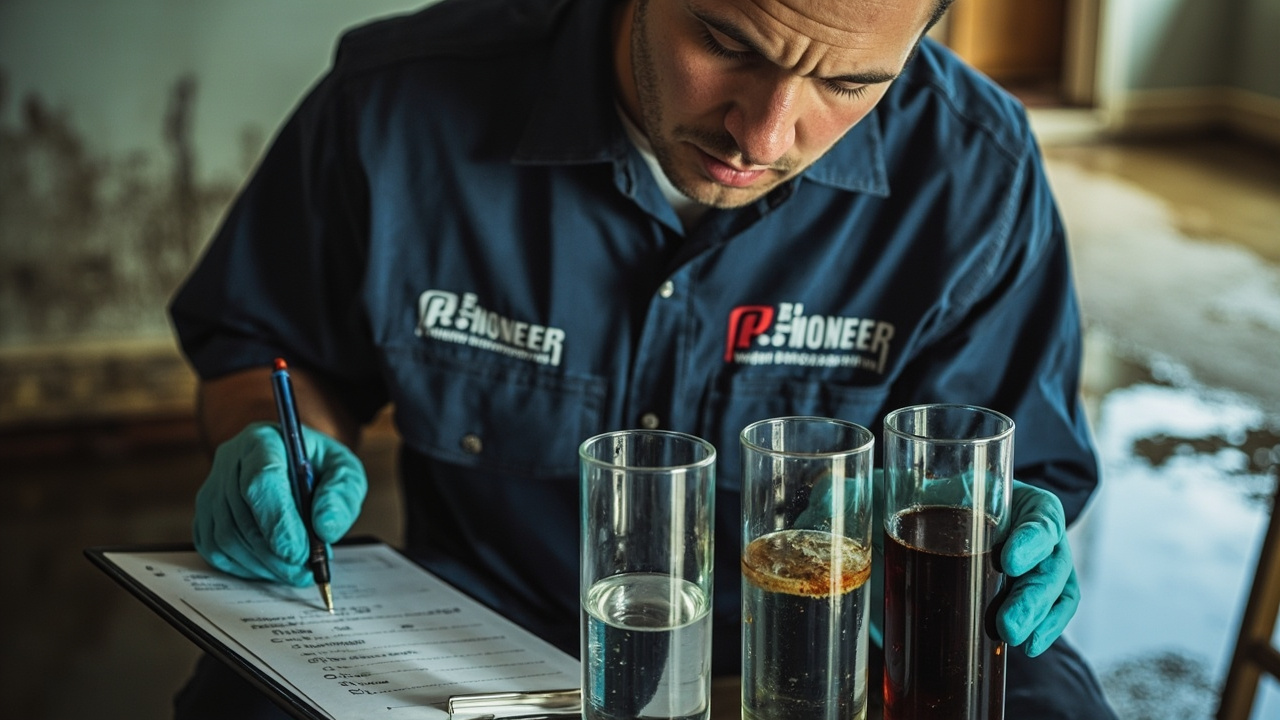
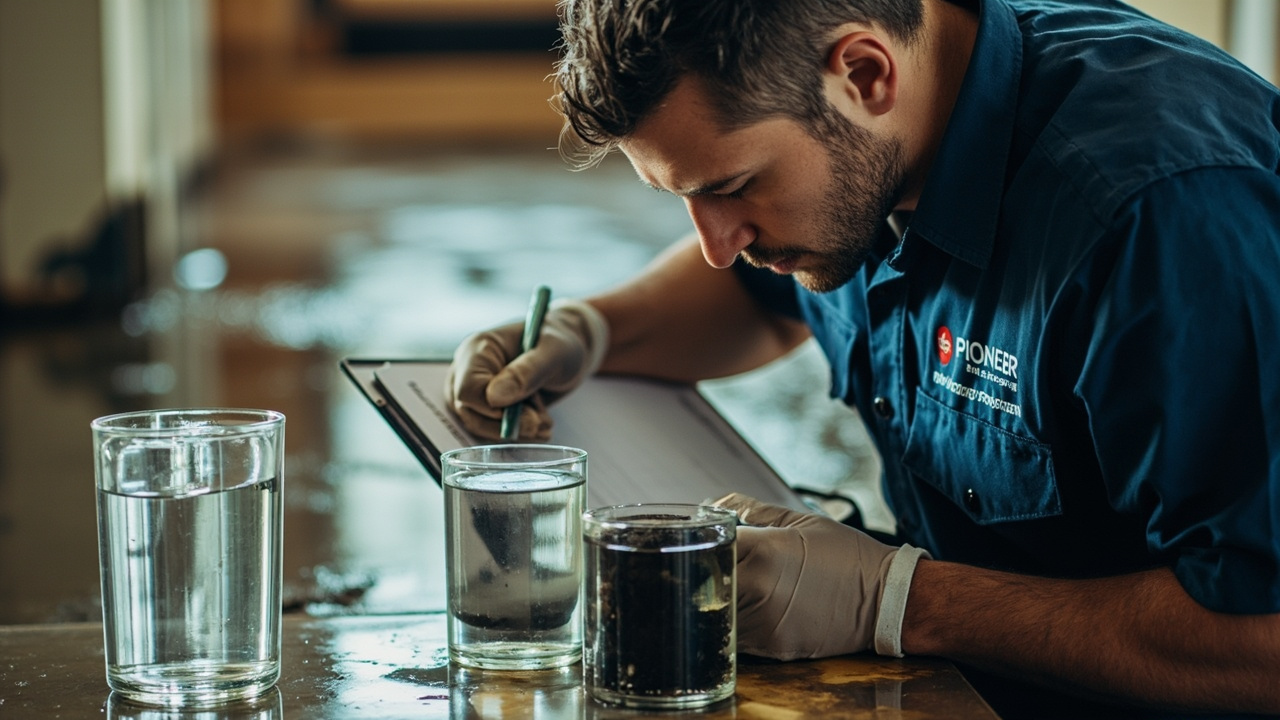
Most property owners cannot visually distinguish between water categories. Clear water from a toilet overflow is still Category 3. Standing basement water may look clean but contain dissolved contaminants. This is why professional assessment matters before cleanup begins.

Why Water Categories Matter in Minneapolis Properties
How We Classify Water Contamination Levels

How We Classify Water Contamination Levels

Liberty Water Damage Restoration Riverside follows strict IICRC S500 standards for determining types of water contamination. We do not guess. We test, document, and classify before any mitigation work begins.

Our technicians arrive with moisture meters, thermal imaging cameras, and water testing equipment. We identify the source first. A leaking supply line is Category 1. A malfunctioning sump pump that allowed groundwater intrusion is Category 2 or 3 depending on what dissolved into the water. A sewage backup is always Category 3.

We then evaluate degradation. Category 1 water becomes Category 2 after contacting building materials. It becomes Category 3 after 48 hours of standing time due to microbial growth. A clean water incident on Monday becomes a black water hazard by Wednesday if left untreated.

Temperature matters too. Minneapolis properties often sit unheated during winter pipe bursts, slowing microbial growth. Summer humidity accelerates degradation. We factor local climate conditions into every assessment.

We document everything with photos, moisture readings, and detailed notes for insurance claims. Water quality classifications directly affect coverage. Insurers pay differently for clean water extraction versus sewage remediation. Incorrect classification can void claims or leave you undercompensated.

Our classification determines the mitigation protocol. Category 1 gets extracted, materials dried to under 15 percent moisture content, and monitored for secondary damage. Category 2 adds antimicrobial application. Category 3 requires containment barriers, negative air pressure, removal of contaminated porous materials, and application of EPA-registered disinfectants to all affected surfaces.

We never downgrade contamination levels to save time or money. Your safety depends on accurate water contamination categories.

What Happens During Water Category Assessment

Categories of Water in Minneapolis – Understanding Contamination Levels Before Cleanup Begins
01

Source Identification and Testing

We trace the water to its origin using moisture mapping and thermal imaging. Supply lines, drain pipes, sewer laterals, and groundwater intrusion each indicate different contamination levels. We photograph the source, test visible water for clarity and odor, and document the affected materials. This initial classification drives every decision that follows and establishes the baseline for your insurance documentation.
02

Material Contact and Degradation Analysis

We measure how long water has been present and what building materials it contacted. Clean water sitting for 72 hours in a Minneapolis basement with organic dust and microbial food sources becomes Category 2 or 3. We test moisture levels in walls, subfloors, and insulation to determine contamination spread. Porous materials like carpet pad and drywall absorb contaminants differently than tile or concrete.
03

Protocol Assignment and Documentation

Once we classify the water damage category, we assign the appropriate IICRC restoration protocol and document it for your insurance carrier. You receive a written assessment explaining the category determination, which materials require removal versus drying, and what health risks the contamination level presents. This document protects you during the claims process and ensures the scope of work matches the actual contamination risk.

Why Minneapolis Property Owners Trust Our Water Category Expertise

Water contamination assessment is not guesswork. Liberty Water Damage Restoration Riverside brings IICRC-certified technicians who understand how Minneapolis-specific conditions affect water quality classifications.

We know that pre-1940s homes in Powderhorn and Seward often have combined sewer connections. Heavy rains overwhelm capacity and push sewage into floor drains. That is Category 3 from the first drop, even if it looks clean. We also know that Mississippi River flooding deposits not just water but agricultural runoff, petroleum products, and biological waste. Those are black water events requiring full containment and antimicrobial protocols.

Minneapolis building codes require specific handling of contaminated materials. Category 3 remediation generates regulated waste that must be bagged, labeled, and disposed of at approved facilities. We maintain relationships with licensed haulers and follow Minnesota Pollution Control Agency guidelines for contaminated building material disposal.

Insurance adjusters in the Minneapolis market know our documentation is accurate. We do not inflate categories to increase job size. We do not downgrade them to rush jobs. Our assessments hold up under scrutiny because they follow objective IICRC criteria, not subjective interpretation.

We also understand seasonal factors. Spring snowmelt floods basements differently than summer thunderstorms. Winter pipe bursts in heated spaces differ from those in unheated crawlspaces. Our technicians factor these local variables into contamination assessments.

You want a restoration company that knows the difference between gray water and black water because the difference determines whether your children can safely return to the home. Categories of water are not marketing terms. They are health and safety classifications that demand precise identification and appropriate response protocols.

What You Can Expect from Our Water Category Assessment

Rapid Response and On-Site Evaluation

We arrive within hours of your call, equipped to test and classify water damage immediately. Time degrades water categories, so speed matters. Our technicians assess the source, measure moisture levels, and document conditions while contamination levels are still controllable. You receive a preliminary verbal assessment on-site so you understand the scope and urgency before we begin work. We operate 24/7 because water damage does not wait for business hours, and neither do we.

Comprehensive Source Analysis and Testing

We use thermal imaging to trace water migration through walls and subfloors. Moisture meters measure saturation in wood framing, drywall, and insulation. We inspect plumbing connections, sewer lines, and foundation penetrations to identify the exact entry point. This analysis determines whether you have Category 1 supply water, Category 2 appliance discharge, or Category 3 sewage contamination. We photograph everything and create a detailed site map showing affected areas and contamination spread for insurance documentation.

Clear Written Classification Report

You receive a written water category determination that explains the contamination level, the factors that established that classification, and the required remediation protocol. This document includes moisture readings, photos, and references to IICRC standards. It protects you during insurance claims by establishing the scope of damage and justifying the restoration approach. The report also outlines health risks associated with the identified water category so you can make informed decisions about occupancy during restoration work.

Ongoing Monitoring and Reclassification if Needed

Water categories can change during restoration. Category 1 water degrades over time. We monitor moisture levels daily and reclassify if conditions change. If we discover hidden contamination behind walls or under flooring, we update the assessment and adjust the protocol. You are never left wondering whether the work scope matches the actual risk. We communicate changes immediately and document them for your insurance carrier. Final clearance testing confirms all affected materials meet safe moisture levels before we close out the project.

Frequently Asked Questions

You Have Questions,
We Have Answers

What are the 5 types of water? +

In water damage restoration, there are three main categories, not five. Category 1 is clean water from sources like broken supply lines or rainwater. Category 2 is gray water with contaminants, like washing machine discharge or toilet overflow with urine. Category 3 is black water, heavily contaminated with sewage, chemicals, or floodwater. Minneapolis homeowners often face Category 3 situations during spring flooding or basement backups from aging sewer systems. Each category requires different safety protocols and cleanup procedures. Understanding the source helps you know what risks you face and why professional assessment matters before you start cleanup.

What is category 1, 2, and 3 water? +

These are the three water contamination categories used in restoration. Category 1 is clean water from sanitary sources like supply lines or rain. It poses minimal health risk if handled quickly. Category 2 is gray water containing chemicals, microorganisms, or physical contaminants. Sources include dishwasher overflows or washing machine leaks. Category 3 is black water, grossly contaminated with sewage, bacteria, or chemicals. It requires specialized safety equipment and disposal methods. In Minneapolis, freezing pipes often create Category 1 losses that can escalate to Category 2 or 3 if left untreated, especially in older homes with mixed plumbing systems.

What are the three categories of water? +

The three categories classify water by contamination level. Category 1 is clean water from sanitary sources. Category 2 is gray water with some contaminants that can cause discomfort or illness. Category 3 is black water containing pathogenic agents, requiring full PPE and specialized disposal. Minneapolis properties frequently deal with all three types. Winter pipe bursts typically start as Category 1. Sump pump failures during spring thaw often involve Category 2. Basement sewage backups from overwhelmed municipal systems during heavy rainfall are Category 3. The category determines cleanup methods, safety requirements, and whether materials can be salvaged or require removal.

What are the different water categories? +

Water damage falls into three categories based on contamination. Category 1 is clean water from broken pipes or rainwater. Category 2 is gray water from appliances or fixtures with light contamination. Category 3 is black water from sewage or flooding with dangerous pathogens. Minneapolis homes face unique risks. Older properties near Lake Harriet or Minnehaha Creek see Category 3 flooding during heavy storms. Winter freeze-thaw cycles burst pipes, creating Category 1 losses. The category affects restoration costs, safety protocols, and insurance coverage. Water can also escalate from one category to another if not addressed within 48 hours.

What are the 7 types of water? +

Water damage restoration uses three categories, not seven. The confusion may come from mixing classification systems. The industry standard recognizes Category 1 (clean water), Category 2 (gray water), and Category 3 (black water). Some sources discuss types of drinking water or industrial water grades, but those differ from restoration classifications. For Minneapolis property owners dealing with damage, focus on these three categories. They determine how restoration professionals approach your loss, what safety gear they need, and which materials can be saved. The category also impacts your insurance claim documentation and coverage decisions.

What are category 5 waters? +

Category 5 waters do not exist in the restoration industry standard. The recognized system uses only three categories: clean water (Category 1), gray water (Category 2), and black water (Category 3). This classification comes from the Institute of Inspection, Cleaning and Restoration Certification (IICRC), which sets industry standards. If you encounter references to Category 5, it likely refers to a different system or misunderstanding. Minneapolis restoration professionals follow IICRC standards when assessing your property. Understanding the correct three-category system helps you communicate with contractors, adjusters, and insurance representatives during the claims process.

What is category 4 water? +

Category 4 water does not exist in standard restoration classifications. The industry uses three categories: Category 1 (clean), Category 2 (gray), and Category 3 (black). You may see references to four classes of water damage, which is different from categories. Classes describe the rate of evaporation and how many materials absorbed water. Class 1 affects minimal materials. Class 2 affects an entire room. Class 3 means saturation from overhead. Class 4 involves specialty materials like hardwood or plaster requiring low-humidity drying. Minneapolis homes with original hardwood floors or plaster walls often face Class 4 situations needing specialized equipment.

What are the four classes of water? +

The four classes describe how much water was absorbed and evaporation rate, not contamination. Class 1 is the least water absorbed, affecting minimal materials with slow evaporation. Class 2 affects an entire room with fast evaporation rates. Class 3 means saturation from overhead sources like roof leaks, affecting walls, ceilings, insulation, and flooring. Class 4 involves specialty materials requiring special drying methods, like hardwood, plaster, or concrete. Minneapolis properties with finished basements often experience Class 2 or 3 losses during sump pump failures. The class determines drying equipment needs and restoration timeline, while categories address contamination levels.

Who uses class C water? +

Class C refers to an outdated electrical safety classification, not a water type. Modern restoration standards use Classes 1 through 4 based on absorption and evaporation rates. Class 1 affects minimal materials. Class 2 affects entire rooms. Class 3 means overhead saturation. Class 4 involves low-porosity materials requiring specialty drying. Some older references used Class A, B, and C to describe electrical hazards during water damage, where Class C indicated energized electrical equipment was present. Minneapolis restoration professionals now follow current IICRC standards using the 1-4 classification for moisture levels and three categories for contamination.

What are different types of water called? +

In restoration, water types are called categories based on contamination. Category 1 is clean water. Category 2 is gray water. Category 3 is black water. Outside restoration, water has many names: potable (drinkable), non-potable, hard water (high mineral content common in Minneapolis), soft water, municipal water, well water, surface water, groundwater, or wastewater. For damage assessment, focus on the three contamination categories. They determine safety protocols, cleanup methods, and salvageability. Minneapolis tap water is clean municipal water until it contacts contaminants. Then it escalates to Category 2 or 3, requiring different restoration approaches.

How Minneapolis Sewer Systems and River Flooding Complicate Water Categories

Minneapolis sits at the confluence of the Mississippi and Minnesota Rivers, making flooding a recurring risk for low-lying neighborhoods like Longfellow, Marshall Terrace, and Beltrami. When river levels rise, backwater flooding pushes contaminated water into storm sewers and foundation drains. Older neighborhoods with combined sewer systems face additional risks during heavy rain events when sewage overflows into streets and basements. This means Minneapolis property owners encounter Category 3 black water contamination more frequently than suburban areas with separated sewer systems. Understanding these local factors is critical for accurate water quality classification and appropriate remediation protocols.

Liberty Water Damage Restoration Riverside has worked in Minneapolis long enough to recognize neighborhood-specific water contamination patterns. We know which areas flooded during the 2014 Mississippi River event. We understand how aging clay sewer laterals in Linden Hills and Fulton crack under freeze-thaw pressure. We work directly with Minneapolis building inspectors when Category 3 contamination requires permits for structural demolition. This local expertise ensures we classify water damage accurately based on actual conditions, not assumptions. You get a restoration plan built around Minneapolis realities, not generic protocols that miss critical contamination risks.

Water Damage Restoration Services in The Minneapolis Area

Pioneer Water Damage Restoration Minneapolis is proud to be a dedicated, locally owned company centrally located to serve the entire metro area and surrounding communities. We invite you to view our service area on the map to confirm we cover your neighborhood, ensuring you receive the fastest possible emergency response whenever disaster strikes. Our commitment is always to our community’s property owners and their complete, timely recovery.

Address:
Pioneer Water Damage Restoration Minneapolis, 1330 Lagoon Ave, Minneapolis, MN, 55408

Additional Services We Offer

Our news updates

Latest Articles & News from The Blogs

Protecting Your White Bear Lake Mudroom From Melting Snow and Slush Damage Your mudroom takes the brunt of Minnesota winters.…

Protecting Your White Bear Lake Mudroom From Melting Snow and Slush Damage

Protecting Your White Bear Lake Mudroom From Melting Snow and Slush Damage Your mudroom takes the brunt of Minnesota winters.…

The Dangers of a Slow Refrigerator Water Line Leak in Your Oakdale Kitchen

The Dangers of a Slow Refrigerator Water Line Leak in Your Oakdale Kitchen A slow leak from your refrigerator water…

Stopping Rainwater Seepage Through Macalester-Groveland Stone Foundations

Stopping Rainwater Seepage Through Macalester-Groveland Stone Foundations Rainwater seeping through stone foundations in Macalester-Groveland is a common problem in older…

Contact Us

Do not guess about water contamination levels in your Minneapolis property. Call Liberty Water Damage Restoration Riverside at (651) 677-5055 for immediate assessment. We classify water damage accurately, document everything for insurance, and use the right protocol for the actual contamination risk. Available 24/7 across the Minneapolis metro.