





menu

Efflorescence on Concrete in Minneapolis | Expert Diagnosis and Permanent Moisture Solutions

We identify the hidden water source causing white powder on concrete, eliminate the moisture intrusion, and prevent crystalline deposits from returning to your Minneapolis property.

Slider Image 1
Slider Image 2
Slider Image 3
Slider Image 4
Slider Image 5
Slider Image 7
Slider Image 8
Slider Image 9
Slider Image 10
Slider Image 11

Why White Powder Keeps Appearing on Your Minneapolis Concrete

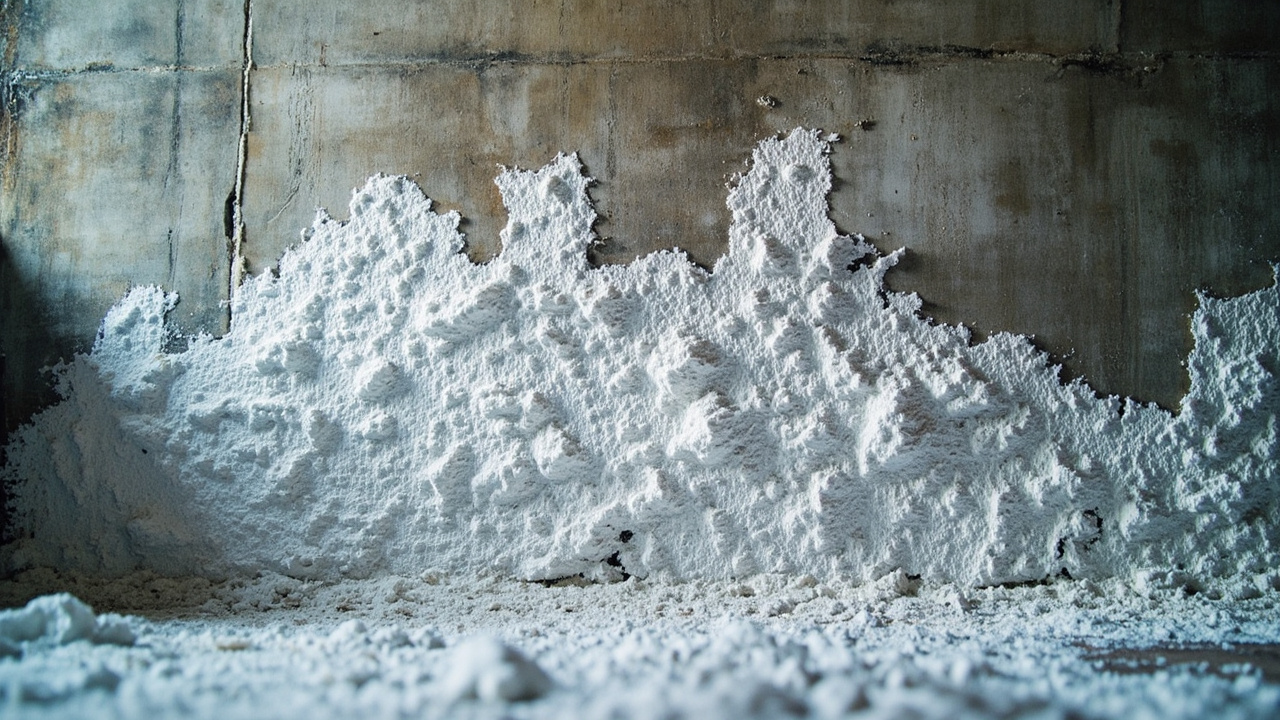
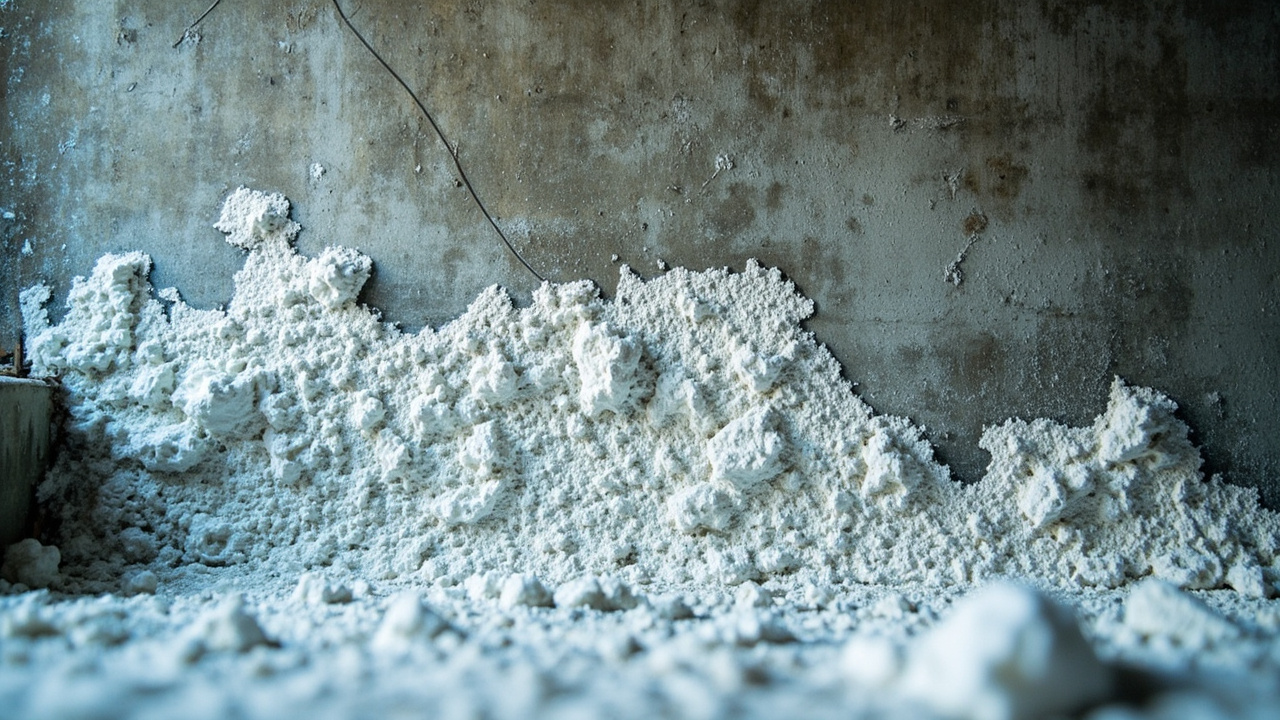
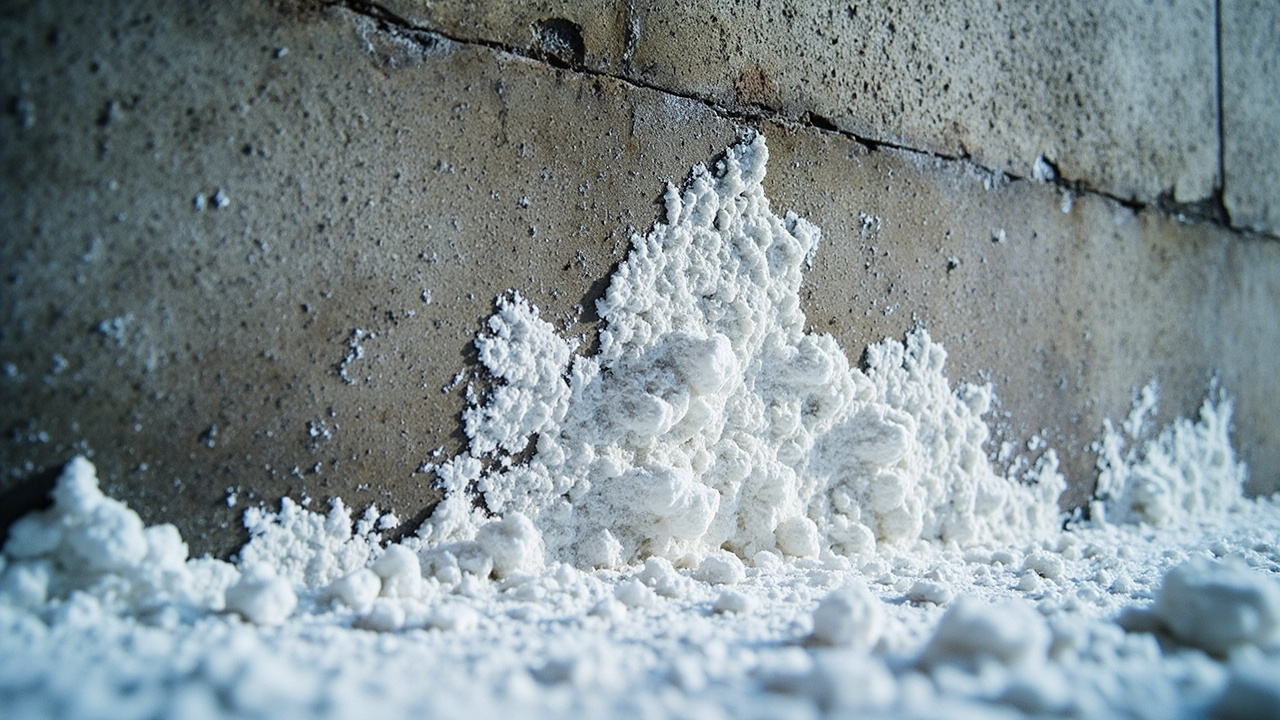
You notice a white, chalky residue spreading across your basement floor, garage slab, or foundation wall. You scrub it away, and within weeks, the mineral salts return. This is efflorescence, and in Minneapolis, it is not just a cosmetic problem.

Minneapolis sits in a region with expansive clay soil and a high water table. Spring snowmelt and summer storms push groundwater against foundation walls. When moisture seeps through concrete, it dissolves soluble salts embedded in the material. As the water evaporates on the surface, it leaves behind crystalline deposits, a visual warning that water is moving through your structure.

The white residue on concrete is not the issue. The issue is the water intrusion behind it. Prolonged moisture migration weakens concrete, corrodes rebar, promotes mold growth, and damages finishes. Many property owners treat the symptom by cleaning the surface. The concrete salt deposits reappear because the moisture source remains active.

You cannot stop efflorescence without stopping the water. In older Minneapolis homes built with limestone aggregate or poured concrete without vapor barriers, the problem is more severe. Freeze-thaw cycles expand microcracks, and hydrostatic pressure forces water inward. The white powder on concrete is your structure signaling a moisture imbalance that requires professional intervention. Ignoring it allows the underlying damage to compound.

Why White Powder Keeps Appearing on Your Minneapolis Concrete
How We Eliminate the Water Source Causing Efflorescence

How We Eliminate the Water Source Causing Efflorescence

Cleaning efflorescence without addressing the moisture intrusion is temporary theater. We perform a full moisture and structural assessment to locate the water entry point. This includes infrared thermography to detect temperature differentials in walls, moisture meters to measure saturation levels in concrete, and hydrostatic pressure testing to determine groundwater influence.

Once we identify the source, we implement targeted water mitigation. If the issue is exterior grading or downspout failure, we redirect surface water away from the foundation. If the problem is subsurface, we install drainage solutions like French drains or sump pump systems to relieve hydrostatic pressure. For concrete with compromised vapor barriers, we apply crystalline waterproofing compounds that chemically react with moisture to seal capillary pathways from the inside.

We then remove existing mineral salt buildup using a combination of mechanical scrubbing and acidic efflorescence cleaners calibrated to concrete pH. After cleaning, we apply penetrating sealers that allow vapor transmission while blocking liquid water migration. This prevents new salt deposits from forming without trapping residual moisture, which can cause spalling or delamination.

For commercial properties in Minneapolis, we coordinate with structural engineers when efflorescence appears on load-bearing walls or parking structures. Efflorescence in these environments often signals reinforcing steel corrosion, which requires destructive testing and remediation before cosmetic fixes. We document all findings with thermal imaging, moisture readings, and photographic evidence for insurance claims or property disclosures.

What Happens When You Call Us About Concrete Efflorescence

Efflorescence on Concrete in Minneapolis | Expert Diagnosis and Permanent Moisture Solutions
01

Moisture Source Investigation

We arrive with infrared cameras, moisture meters, and pressure gauges to map the water intrusion pattern. You show us the affected concrete. We scan the surrounding walls, check grading outside, inspect sump pits, and measure humidity levels. Most efflorescence problems trace back to one of three sources: exterior drainage failure, subsurface hydrostatic pressure, or plumbing leaks. We identify which one is active in your building.
02

Water Intrusion Correction

Once we locate the moisture source, we implement the fix. This may involve regrading soil, installing perimeter drains, waterproofing foundation walls, or sealing cracks with epoxy or polyurethane injection. For chronic basement seepage, we install interior drainage channels and sump systems. We eliminate the pathway that allows water to reach your concrete. Without active moisture migration, efflorescence cannot form.
03

Surface Cleaning and Sealing

After the water source is controlled, we remove the existing salt deposits using mechanical brushes and mild acidic cleaners. We rinse thoroughly to prevent acid residue from etching the surface. Once dry, we apply a breathable penetrating sealer that blocks liquid water while allowing vapor to escape. This prevents new mineral salts from migrating to the surface and protects the concrete from further deterioration.

Why Minneapolis Property Owners Trust Us for Efflorescence Solutions

Efflorescence is not a standalone issue. It is a symptom of water intrusion, and in Minneapolis, water intrusion is a structural threat. We have worked in hundreds of Minneapolis basements, warehouses, and parking structures where property owners treated the white powder without addressing the moisture. The salt deposits returned, and the damage worsened.

Liberty Water Damage Restoration Riverside understands the regional hydrology that drives concrete moisture problems. We know how Minneapolis clay soil swells when saturated and shrinks when dry, creating settlement cracks in foundation walls. We know how snowmelt infiltrates poorly graded perimeters and how freeze-thaw cycles open pathways for capillary water migration.

We also understand local building code requirements for foundation waterproofing and drainage. Minneapolis adopted updated IRC standards that mandate proper footing drainage and vapor barriers in new construction, but older homes and commercial buildings lack these protections. When we design water mitigation systems, we align them with current code standards to prevent future moisture intrusion and ensure compliance if the property is sold or refinanced.

We provide detailed documentation for every job. Infrared scans, moisture maps, drainage calculations, and before-and-after photos are included in your service report. If you are filing an insurance claim for water damage, this documentation is critical. Adjusters often deny claims for efflorescence because they classify it as maintenance, not sudden damage. We provide the evidence that links the efflorescence to an active water intrusion event, which strengthens your claim.

You get honest answers. If your efflorescence is minor and caused by a simple grading fix, we tell you. We do not upsell unnecessary services.

What You Should Expect From Professional Efflorescence Services

Response Time and Scheduling

Efflorescence is rarely an emergency, but the water intrusion behind it can become one. We schedule diagnostic inspections within 48 hours of your call. If you discover active water seepage, standing water, or saturated walls, we treat it as urgent and dispatch the same day. Once we complete the moisture investigation, we provide a written scope of work with a timeline. Most residential efflorescence corrections take three to five days, depending on the extent of drainage work or waterproofing required. Commercial projects with parking structures or large slab areas may take one to two weeks.

The Diagnostic Process

We do not guess. We measure. Our technicians use FLIR infrared cameras to detect temperature variations that indicate moisture, Tramex moisture meters to quantify saturation levels in concrete, and manometers to test hydrostatic pressure against foundation walls. We inspect exterior grading, downspout discharge points, perimeter drains, and sump systems. We also check for plumbing leaks or HVAC condensate line failures that could contribute to moisture buildup. You receive a written report with thermal images, moisture readings, and annotated photos showing the water entry points. This report is yours to keep and use for insurance or future property disclosures.

The Final Outcome

When we finish, the white powder is gone, and the water intrusion is stopped. Your concrete is clean, dry, and sealed. More importantly, the moisture pathway is eliminated, which means the crystalline deposits will not return. We provide a moisture retest 30 days after completion to confirm that saturation levels have dropped to acceptable ranges. If efflorescence reappears within the first year, we return to reassess the drainage system at no additional diagnostic fee. You also receive maintenance guidance on gutter cleaning, soil grading, and sump pump testing to keep moisture problems from recurring.

Ongoing Support and Prevention

We offer annual moisture monitoring for commercial properties and multi-unit buildings where efflorescence can indicate larger structural issues. This includes yearly infrared scans, moisture meter readings, and drainage system inspections to catch problems before they escalate. For residential clients, we provide a maintenance checklist that covers downspout extensions, perimeter grading, and sump pump function. If you sell your property, our documentation package helps satisfy buyer inspection concerns and proves that water intrusion issues were professionally addressed. We stand behind our work with clear, written service records.

Frequently Asked Questions

You Have Questions,
We Have Answers

How do you fix efflorescence in concrete? +

Start with dry brushing to remove loose salt deposits. Use a stiff bristle brush and sweep away the white powder. For stubborn buildup, apply a diluted acidic cleaner made for concrete, then scrub and rinse thoroughly. Address the water source first. Efflorescence returns if moisture continues migrating through the slab. Check for poor drainage, downspout issues, or foundation cracks. Minneapolis freeze-thaw cycles worsen water intrusion, so seal cracks before winter. After cleaning, let the concrete dry completely for several days. Apply a penetrating sealer to block future moisture movement and prevent recurrence.

Should I remove concrete efflorescence? +

Yes, remove it. Efflorescence itself does not damage concrete, but it signals a moisture problem that can. The white crust is salt residue left behind when water evaporates. If you ignore it, the underlying moisture issue may cause freeze-thaw damage, cracking, or spalling during Minneapolis winters. Removal also improves appearance and prevents buildup that can interfere with sealers or coatings. Brush it off regularly while you fix the root cause. If efflorescence keeps returning after cleaning, you have active water intrusion that needs professional assessment and repair to protect your foundation.

Is efflorescence a serious problem? +

Efflorescence is a symptom, not a threat on its own. The white residue does not harm concrete structurally. The problem is what it indicates, which is moisture moving through your slab. In Minneapolis, that moisture can freeze inside concrete pores during winter, causing cracks and spalling. Persistent efflorescence points to drainage problems, foundation leaks, or high groundwater. If you see it in basements or crawl spaces, you may have hydrostatic pressure pushing water through walls. Treat it as a warning sign. Fix the moisture source to prevent long-term damage, mold growth, and costly repairs.

What does efflorescence on concrete indicate? +

Efflorescence indicates water is moving through your concrete. The salts naturally present in cement, aggregate, or soil dissolve in water, travel to the surface, and crystallize when the water evaporates. You see white deposits on walls, floors, or foundations. This process tells you the concrete is absorbing moisture from somewhere, whether from rain, groundwater, poor grading, or a plumbing leak. Minneapolis clay soils expand when wet, creating pressure that pushes water into foundations. Efflorescence is your visual cue to investigate drainage, waterproofing, or structural issues before freeze-thaw cycles cause cracking or spalling.

Does efflorescence indicate water damage? +

Yes, efflorescence is a clear sign of water intrusion. The salts only appear when moisture carries them to the surface and evaporates. If you see white residue on basement walls, garage floors, or foundation surfaces, water is passing through the concrete. This can happen from exterior groundwater, condensation, leaks, or inadequate vapor barriers. In Minneapolis, spring thaw and heavy rain saturate soil, driving water into foundations. Efflorescence tells you water is present, even if you do not see pooling or dripping. Identify the source and fix it to prevent mold, wood rot, and structural damage.

What is the best efflorescence remover? +

Use a pH-neutral or mildly acidic cleaner designed for concrete efflorescence. Products containing phosphoric acid or citric acid work well without damaging the surface. Avoid harsh muriatic acid unless you dilute it properly and test a small area first. Apply the cleaner, scrub with a stiff brush, and rinse thoroughly. For light deposits, plain water and a brush may suffice. Minneapolis tap water is moderately hard, so rinse well to avoid mineral residue. Always address the moisture source before sealing. Cleaners remove the symptom, but only fixing drainage or leaks prevents efflorescence from returning.

Does vinegar stop efflorescence? +

Vinegar can help dissolve light efflorescence because it is mildly acidic. Mix equal parts white vinegar and water, apply to the affected area, scrub with a stiff brush, and rinse well. This works for minor surface deposits. Vinegar does not stop efflorescence from forming. It only cleans existing buildup. To stop it, you must eliminate the moisture source causing salt migration. Check for drainage problems, foundation cracks, or condensation issues. Minneapolis winters make water intrusion worse, so fix leaks and seal cracks before cold weather. Vinegar is a temporary cleaning solution, not a prevention method.

What concrete sealer prevents efflorescence? +

Use a penetrating silane or siloxane sealer to block moisture intrusion and prevent efflorescence. These sealers soak into concrete pores and repel water without creating a surface film. Apply them only after the concrete is completely dry and you have removed all existing efflorescence. Film-forming sealers trap moisture and can cause peeling or blistering. For basements and foundations in Minneapolis, choose a breathable sealer that allows interior moisture to escape while blocking exterior water. Always fix drainage issues first. Sealing over active water intrusion traps the problem and can worsen freeze-thaw damage during winter.

Will efflorescence eventually stop? +

Efflorescence stops when the moisture source stops. If water intrusion is temporary, like construction moisture or a short-term leak, efflorescence may fade after several months as the concrete dries out. If the moisture source is ongoing, such as poor drainage or high groundwater, efflorescence will continue to reappear. Minneapolis clay soils retain water and create hydrostatic pressure, making chronic efflorescence common in basements. You must fix the root cause. Improve grading, install gutters, repair foundation cracks, or add drainage systems. Once moisture migration ends and the concrete dries, efflorescence formation will stop.

How much does it cost to fix efflorescence? +

Cleaning efflorescence costs little, often under $50 for supplies and elbow grease. Professional cleaning runs $200 to $500 for larger areas. The real cost is fixing the moisture source. Minor repairs like gutter installation or grading adjustments range from $500 to $2,000. Foundation crack sealing costs $500 to $1,500 per crack. Interior drainage systems or sump pumps run $2,500 to $7,000. Exterior waterproofing can exceed $10,000 for full foundation work. Minneapolis freeze-thaw conditions make early repairs cheaper than waiting. Get a professional assessment to identify the cause and budget for permanent fixes, not just cosmetic cleaning.

How Minneapolis Freeze-Thaw Cycles Accelerate Concrete Efflorescence

Minneapolis experiences 40 to 60 freeze-thaw cycles each winter. Water trapped in concrete pores expands when it freezes, creating microcracks that widen with each cycle. These cracks become highways for moisture migration, pulling dissolved salts to the surface and leaving white powder on concrete in basements, garages, and sidewalks. The problem worsens in older buildings constructed before modern vapor barriers became standard. When spring snowmelt saturates the soil, hydrostatic pressure forces water through these compromised surfaces, accelerating mineral salt deposits and surface spalling.

Liberty Water Damage Restoration Riverside has worked with Minneapolis building inspectors, structural engineers, and insurance adjusters on efflorescence cases tied to foundation movement and water intrusion. We understand how local soil conditions and seasonal moisture cycles stress concrete structures. We also know the Minneapolis building code requirements for foundation drainage and waterproofing in new construction and renovations. When we design moisture mitigation systems, we align them with IRC standards to protect your property and ensure compliance during inspections or resale. Local expertise matters when diagnosing the root cause of concrete salt deposits.

Water Damage Restoration Services in The Minneapolis Area

Pioneer Water Damage Restoration Minneapolis is proud to be a dedicated, locally owned company centrally located to serve the entire metro area and surrounding communities. We invite you to view our service area on the map to confirm we cover your neighborhood, ensuring you receive the fastest possible emergency response whenever disaster strikes. Our commitment is always to our community’s property owners and their complete, timely recovery.

Address:
Pioneer Water Damage Restoration Minneapolis, 1330 Lagoon Ave, Minneapolis, MN, 55408

Additional Services We Offer

Our news updates

Latest Articles & News from The Blogs

Protecting Your White Bear Lake Mudroom From Melting Snow and Slush Damage Your mudroom takes the brunt of Minnesota winters.…

Protecting Your White Bear Lake Mudroom From Melting Snow and Slush Damage

Protecting Your White Bear Lake Mudroom From Melting Snow and Slush Damage Your mudroom takes the brunt of Minnesota winters.…

The Dangers of a Slow Refrigerator Water Line Leak in Your Oakdale Kitchen

The Dangers of a Slow Refrigerator Water Line Leak in Your Oakdale Kitchen A slow leak from your refrigerator water…

Stopping Rainwater Seepage Through Macalester-Groveland Stone Foundations

Stopping Rainwater Seepage Through Macalester-Groveland Stone Foundations Rainwater seeping through stone foundations in Macalester-Groveland is a common problem in older…

Contact Us

Efflorescence is not going away on its own. Call Liberty Water Damage Restoration Riverside at (651) 677-5055 for a professional moisture assessment. We identify the water source, eliminate the intrusion, and restore your concrete to a dry, stable condition.