
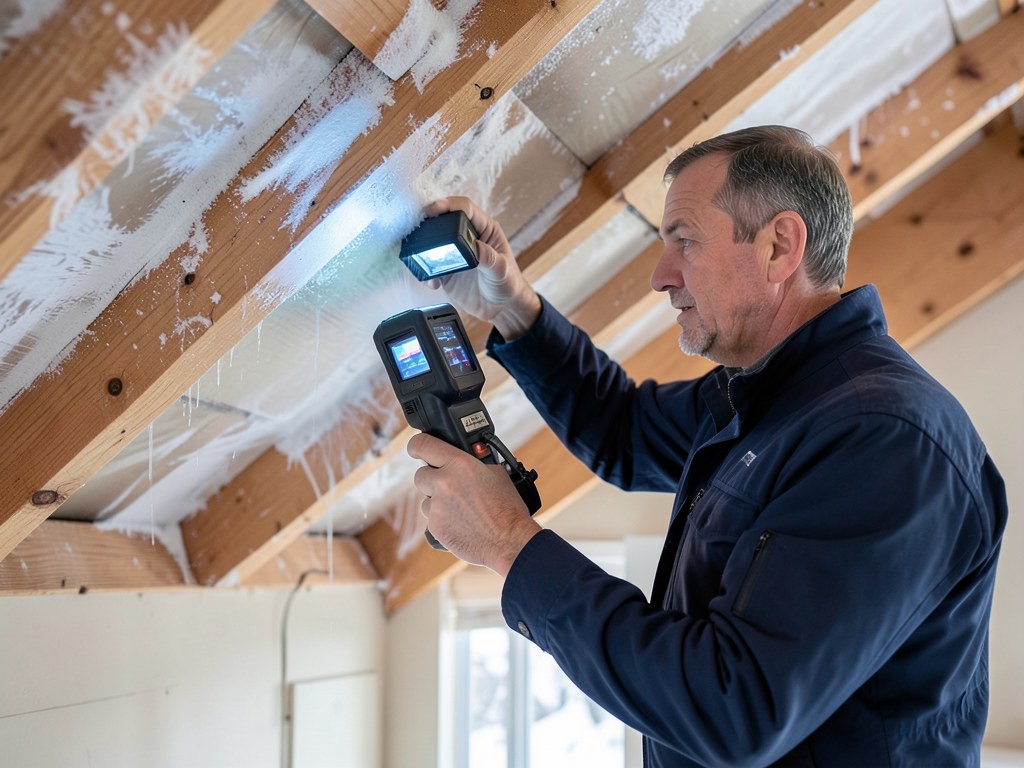
How to Handle Attic Rain and Frost Melt in Your Lakeville Home
When frost suddenly melts in your attic during a Minnesota thaw, it can rain inside your Lakeville home. This phenomenon, called attic rain, occurs when warm indoor air meets freezing attic surfaces during deep winter freezes. The frost builds up on roof nails, sheathing, and insulation, then melts when temperatures rise, creating ceiling stains, wet insulation, and potential mold growth.
Attic rain is not a roof leak. It is a ventilation and air-sealing problem that affects newer, tightly built homes in suburbs like Lakeville where humidity levels remain high during winter months. Understanding the science behind this issue is the first step toward solving it permanently.
What Causes Attic Rain in Minnesota Homes
Attic rain happens when several conditions align: high indoor humidity, poor attic ventilation, and extreme temperature differentials. During Minnesota winters, indoor humidity from cooking, showering, and breathing can reach 30-40%, while attic temperatures drop well below freezing.
Warm, moist air rises through air bypasses around light fixtures, plumbing stacks, and attic access hatches. When this air contacts freezing surfaces, frost forms. Common frost accumulation points include:
- Roof nails and screws that penetrate the attic
- Attic sheathing and rafters
- Insulation near air bypasses
- Roof vents and exhaust fans
When outdoor temperatures rise above freezing during a January thaw, the accumulated frost melts rapidly, creating the appearance of a roof leak. The water drips through ceilings, saturates insulation, and creates ideal conditions for mold growth. Immediate Water Damage Mitigation for Downtown Minneapolis Businesses.
Recognizing Attic Rain vs. Roof Leaks
Many Lakeville homeowners mistake attic rain for a failing roof. Understanding the differences helps you address the real problem:
| Characteristic | Attic Rain | Roof Leak |
|---|---|---|
| Timing | Occurs during winter thaws | Occurs during rain or snow melt |
| Location | Random ceiling spots | Near roof edges or penetrations |
| Water appearance | Clear, sometimes with frost crystals | Brown or stained |
| Pattern | Multiple spots appear simultaneously | Single active leak |
If you notice water spots appearing during a warm spell after a deep freeze, you are likely dealing with attic rain. Roof leaks typically show up during active precipitation and follow predictable paths along rafters or through damaged areas. Dealing with Sewage Backup Cleanup in Your Bloomington Home.
The Science Behind Attic Condensation
Understanding dew point and relative humidity explains why attic rain occurs in Lakeville homes. When warm air containing water vapor contacts a surface below the dew point temperature, condensation forms. Server Room Water Damage.
In Minnesota winters, the dew point inside homes often ranges from 25-35°F. When this air escapes into the attic through bypasses and contacts surfaces below this temperature, frost forms instead of liquid water.
The problem intensifies in newer Lakeville homes built to modern energy codes. These homes have:
- Tighter building envelopes
- Better insulation
- Fewer natural air leaks
While energy efficiency improves, trapped humidity creates attic rain conditions. The solution requires both air sealing and proper ventilation, not just adding more insulation.
Common Air Bypasses in Lakeville Homes
Air bypasses are pathways where warm indoor air escapes into the attic. In Lakeville’s newer suburban developments, these are often hidden and difficult to detect without professional inspection.
Common bypass locations include:
- Attic access hatches with poor weatherstripping
- Plumbing vent stacks that penetrate the attic floor
- Recessed light fixtures without airtight baffles
- Electrical wiring penetrations
- Chimney chases that extend through the attic
- Interior wall top plates
Each bypass acts like a chimney, pulling warm air upward through the stack effect. Even small gaps around these penetrations can move significant amounts of moisture-laden air into the cold attic space.
Professional Remediation Process
Fixing attic rain requires a systematic approach that addresses both symptoms and root causes. Pioneer Water Damage Restoration follows a proven process:
- Comprehensive Inspection
Using thermal imaging cameras and moisture meters, technicians identify frost accumulation patterns, air bypasses, and moisture damage. This diagnostic phase reveals the extent of the problem and guides the remediation strategy. Expert Mold Remediation for Older Apartments in Uptown Minneapolis.
- Moisture Extraction and Drying
Industrial-grade dehumidifiers and air movers remove existing moisture from insulation, sheathing, and structural components. This prevents mold growth and allows for accurate assessment of damage extent.
- Air Sealing and Bypass Repair
Technicians seal all identified air bypasses using fire-rated foam, weatherstripping, and specialized baffles. This prevents future warm air infiltration and stops the condensation cycle.
- Ventilation Improvement
Proper attic ventilation balances intake and exhaust airflow. This typically involves adding soffit vents, ridge vents, or powered attic fans to maintain consistent temperatures.
- Insulation Assessment and Upgrade
After air sealing, insulation levels are evaluated. Minnesota building code requires R-49 to R-60 insulation in attics, but proper installation is crucial for effectiveness.
Why Lakeville Homes Are Particularly Vulnerable
Lakeville’s newer suburban developments share characteristics that increase attic rain risk. Many homes built after 2010 feature:
- Advanced framing techniques that reduce natural air leakage
- High-efficiency HVAC systems that produce less waste heat
- Modern windows and doors that seal tightly
- Open floor plans that allow humidity to distribute evenly
These energy-efficient features, while beneficial for utility bills, create perfect conditions for attic rain when combined with Minnesota’s extreme climate. The lack of natural air exchange means humidity builds up indoors, then finds its way into the attic through bypasses.
Additionally, Lakeville’s soil composition affects foundation moisture levels. The area’s clay-rich soil retains water, which can increase indoor humidity through foundation walls, especially in homes without proper vapor barriers.
Preventing Future Attic Rain Issues
Prevention requires ongoing attention to humidity control and attic maintenance. Homeowners can take several steps to minimize attic rain risk:
- Monitor indoor humidity levels, keeping them between 30-40% during winter
- Use bathroom and kitchen exhaust fans consistently
- Ensure clothes dryer vents exhaust properly to the exterior
- Check attic access hatches for proper weatherstripping
- Inspect roof vents annually for obstructions
Professional maintenance should include annual attic inspections, especially before the heating season. Technicians can identify developing issues before they cause ceiling damage or mold growth.
Insurance Considerations for Attic Rain
Attic rain presents unique insurance challenges. Unlike sudden pipe bursts, attic rain develops gradually through condensation cycles. This distinction affects coverage decisions.
Most standard homeowners policies cover sudden, accidental water damage but may exclude damage from condensation or humidity. However, if attic rain causes visible damage like ceiling collapse or mold growth, coverage may apply under the sudden damage provision.
Documenting the issue thoroughly helps with insurance claims. This includes:
- Photos of frost accumulation and water damage
- Professional inspection reports
- Documentation of remediation efforts
- Evidence of preventive measures taken
Working with restoration professionals who understand insurance processes can streamline claims and ensure proper documentation for maximum coverage.
Technical Standards and Building Codes
Minnesota building codes address attic ventilation and insulation requirements to prevent moisture-related issues. The Minnesota Residential Code requires:
- Minimum 1 square foot of net free ventilation area per 150 square feet of attic space
- Balanced intake and exhaust ventilation
- R-49 to R-60 insulation in attics, depending on climate zone
The International Residential Code (IRC) Section R806 specifically addresses attic ventilation requirements. Proper ventilation prevents moisture accumulation and extends roof life while reducing energy costs.
IICRC S500 standards for water damage restoration guide professional remediation practices. These standards ensure proper drying, cleaning, and restoration procedures that prevent secondary damage like mold growth. IICRC S500 Standards.
Diagnostic Tools and Techniques
Professional attic rain diagnosis requires specialized equipment. Technicians use:
- Thermal imaging cameras to detect temperature differentials and frost patterns
- Moisture meters to measure water content in materials
- Blower door tests to identify air bypasses
- Humidity monitors to track attic moisture levels
The screwdriver test is a simple diagnostic technique. Technicians insert a screwdriver into attic sheathing to check for softness, indicating moisture damage. Combined with thermal imaging, this provides a complete picture of attic conditions.
Air pressure testing helps identify bypass locations. By creating positive or negative pressure in the home, technicians can observe where air escapes into the attic using smoke pencils or infrared cameras.
Cost Factors and Remediation Pricing
Attic rain remediation costs vary based on several factors:
| Factor | Cost Impact |
|---|---|
| Extent of frost accumulation | Higher frost = longer drying time |
| Number of air bypasses | More bypasses = more sealing work |
| Insulation condition | Wet insulation may need replacement |
| Ventilation improvements needed | New vents or fans add cost |
| Mold presence | Mold remediation increases costs |
Most homeowners spend between $2,000 and $8,000 on complete attic rain remediation. This includes inspection, drying, air sealing, and ventilation improvements. Insurance may cover portions of the work if sudden damage occurs.
Long-term Benefits of Professional Remediation
Investing in professional attic rain remediation provides multiple long-term benefits:
- Prevents recurring ceiling damage and water stains
- Reduces energy costs through improved insulation effectiveness
- Extends roof life by preventing moisture-related deterioration
- Improves indoor air quality by reducing mold risk
- Increases home value through energy efficiency improvements
Properly remediated attics typically see 15-25% reduction in heating costs and eliminate the stress of winter ceiling leaks. The investment pays for itself through energy savings and prevented damage over 3-5 years.
Frequently Asked Questions
How can I tell if I have attic rain or a roof leak?
Attic rain typically occurs during winter thaws and produces multiple random ceiling spots with clear water. Roof leaks happen during active precipitation and follow predictable paths near roof edges or penetrations.
Is attic rain covered by homeowners insurance?
Coverage depends on your policy and the specific circumstances. Gradual condensation issues may be excluded, but sudden damage from attic rain might be covered. Document everything and work with restoration professionals who understand insurance processes.
How long does attic rain remediation take?
Most projects take 2-5 days, depending on the extent of the problem. This includes inspection, drying time, air sealing, and ventilation improvements. Severe cases with mold may require additional time.
Can I fix attic rain myself?
While you can address some issues like improving ventilation, professional diagnosis and remediation are recommended. Hidden air bypasses and proper air sealing require specialized equipment and expertise to ensure complete resolution.
How much does attic rain remediation cost?
Costs typically range from $2,000 to $8,000, depending on the extent of the problem and required repairs. This includes inspection, drying, air sealing, and ventilation improvements. EPA Mold Guidelines.
Take Action Before the Next Thaw
Attic rain can cause significant damage to your Lakeville home if left unaddressed. The combination of Minnesota’s extreme winters and modern home construction creates perfect conditions for this phenomenon.
Don’t wait for the next thaw to discover ceiling damage or mold growth. Pioneer Water Damage Restoration offers comprehensive attic rain inspection and remediation services throughout the Lakeville area. Our certified technicians use thermal imaging, moisture meters, and proven techniques to identify and resolve attic rain issues permanently.
Call (651) 677-5055 today to schedule your attic inspection. Our 24/7 emergency response team can address active attic rain situations and prevent further damage to your home. Protect your investment and enjoy peace of mind this winter with professional attic rain remediation from Pioneer Water Damage Restoration. Finding Fast Emergency Water Removal in the North Loop Neighborhood.
Don’t let attic rain rain on your parade. Pick up the phone and call (651) 677-5055 before the next storm hits. Your ceiling will thank you.
You may also find this helpful. How the Minneapolis Spring Freeze-Thaw Cycle Cracks Foundations and Causes Leaks.
{
“@context”: “https://schema.org”,
“@type”: “BlogPosting”,
“headline”: “How to Handle Attic Rain and Frost Melt in Your Lakeville Home”,
“description”: “Attic rain causes mysterious ceiling leaks in Lakeville homes during winter thaws. Learn the science, signs, and professional solutions from Pioneer Water Damage Restoration.”,
“wordCount”: 1866,
“datePublished”: “2026-04-29T14:46:00.000Z”,
“dateModified”: “2026-04-29T14:46:00.000Z”,
“inLanguage”: “en-US”,
“mainEntityOfPage”: {
“@type”: “WebPage”,
“@id”: “https://pioneerwaterdamagerestorationminneapolis.com”
},
“publisher”: {
“@type”: “LocalBusiness”,
“name”: “Pioneer Water Damage Restoration Minneapolis”,
“url”: “https://pioneerwaterdamagerestorationminneapolis.com”
},
“author”: {
“@type”: “Organization”,
“name”: “Pioneer Water Damage Restoration Minneapolis”,
“url”: “https://pioneerwaterdamagerestorationminneapolis.com”
},
“image”: {
“@type”: “ImageObject”,
“url”: “https://pioneerwaterdamagerestorationminneapolis.com/wp-content/uploads/2026/03/how-to-handle-attic-rain-and-frost-melt-in-your-la-1.png”
}
}
{
“@context”: “https://schema.org”,
“@type”: “LocalBusiness”,
“name”: “Pioneer Water Damage Restoration Minneapolis”,
“url”: “https://pioneerwaterdamagerestorationminneapolis.com”,
“address”: {
“@type”: “PostalAddress”,
“addressLocality”: “Minneapolis”
},
“areaServed”: {
“@type”: “City”,
“name”: “Minneapolis”
}
}
{
“@context”: “https://schema.org”,
“@type”: “FAQPage”,
“mainEntity”: [
{
“@type”: “Question”,
“name”: “How can I tell if I have attic rain or a roof leak?”,
“acceptedAnswer”: {
“@type”: “Answer”,
“text”: “Attic rain typically occurs during winter thaws and produces multiple random ceiling spots with clear water. Roof leaks happen during active precipitation and follow predictable paths near roof edges or penetrations.”
}
},
{
“@type”: “Question”,
“name”: “Is attic rain covered by homeowners insurance?”,
“acceptedAnswer”: {
“@type”: “Answer”,
“text”: “Coverage depends on your policy and the specific circumstances. Gradual condensation issues may be excluded, but sudden damage from attic rain might be covered. Document everything and work with restoration professionals who understand insurance processes.”
}
},
{
“@type”: “Question”,
“name”: “How long does attic rain remediation take?”,
“acceptedAnswer”: {
“@type”: “Answer”,
“text”: “Most projects take 2-5 days, depending on the extent of the problem. This includes inspection, drying time, air sealing, and ventilation improvements. Severe cases with mold may require additional time.”
}
},
{
“@type”: “Question”,
“name”: “How much does attic rain remediation cost?”,
“acceptedAnswer”: {
“@type”: “Answer”,
“text”: “Costs typically range from $2,000 to $8,000, depending on the extent of the problem and required repairs. This includes inspection, drying, air sealing, and ventilation improvements. EPA Mold Guidelines.”
}
}
]
}
{
“@context”: “https://schema.org”,
“@type”: “HowTo”,
“name”: “Attic Rain Remediation Process”,
“step”: [
{
“@type”: “HowToStep”,
“position”: 1,
“name”: “Comprehensive Inspection”,
“text”: “Using thermal imaging cameras and moisture meters, technicians identify frost accumulation patterns, air bypasses, and moisture damage. This diagnostic phase reveals the extent of the problem and guides the remediation strategy. Expert Mold Remediation for Older Apartments in Uptown Minneapolis.”
},
{
“@type”: “HowToStep”,
“position”: 2,
“name”: “Moisture Extraction and Drying”,
“text”: “Industrial-grade dehumidifiers and air movers remove existing moisture from insulation, sheathing, and structural components. This prevents mold growth and allows for accurate assessment of damage extent.”
},
{
“@type”: “HowToStep”,
“position”: 3,
“name”: “Air Sealing and Bypass Repair”,
“text”: “Technicians seal all identified air bypasses using fire-rated foam, weatherstripping, and specialized baffles. This prevents future warm air infiltration and stops the condensation cycle.”
},
{
“@type”: “HowToStep”,
“position”: 4,
“name”: “Ventilation Improvement”,
“text”: “Proper attic ventilation balances intake and exhaust airflow. This typically involves adding soffit vents, ridge vents, or powered attic fans to maintain consistent temperatures.”
},
{
“@type”: “HowToStep”,
“position”: 5,
“name”: “Insulation Assessment and Upgrade”,
“text”: “After air sealing, insulation levels are evaluated. Minnesota building code requires R-49 to R-60 insulation in attics, but proper installation is crucial for effectiveness.”
}
],
“image”: “https://pioneerwaterdamagerestorationminneapolis.com/wp-content/uploads/2026/03/how-to-handle-attic-rain-and-frost-melt-in-your-la-1.png”
}
{
“@context”: “https://schema.org”,
“@type”: “BreadcrumbList”,
“itemListElement”: [
{
“@type”: “ListItem”,
“position”: 1,
“name”: “Home”,
“item”: “https://pioneerwaterdamagerestorationminneapolis.com”
},
{
“@type”: “ListItem”,
“position”: 2,
“name”: “Blog”,
“item”: “https://pioneerwaterdamagerestorationminneapolis.com/blog”
},
{
“@type”: “ListItem”,
“position”: 3,
“name”: “How to Handle Attic Rain and Frost Melt in Your Lakeville Home”
}
]
}
{
“@context”: “https://schema.org”,
“@type”: “Service”,
“serviceType”: “Water Damage Restoration”,
“provider”: {
“@type”: “LocalBusiness”,
“name”: “Pioneer Water Damage Restoration Minneapolis”,
“url”: “https://pioneerwaterdamagerestorationminneapolis.com”
},
“areaServed”: {
“@type”: “City”,
“name”: “Minneapolis”
},
“description”: “Attic rain causes mysterious ceiling leaks in Lakeville homes during winter thaws. Learn the science, signs, and professional solutions from Pioneer Water Damage Restoration.”
}