Is Luxury Vinyl Plank Flooring Actually Waterproof After a Flood in Golden Valley?
Golden Valley homeowners love luxury vinyl plank flooring for its durability and water resistance. But after a flood, many discover the hard truth: “waterproof” does not mean “flood-proof.” When water seeps under LVP planks, it can trap moisture against your subfloor, creating the perfect environment for mold growth and structural damage. The answer depends on how quickly you act and what type of LVP you have installed. Immediate Water Damage Mitigation for Downtown Minneapolis Businesses.
Understanding LVP Water Resistance in Golden Valley Homes
Luxury vinyl plank flooring comes in two main types: SPC (Stone Plastic Composite) and WPC (Wood Plastic Composite). SPC planks have a rigid core that resists water better than WPC’s foam core. However, both types share a critical vulnerability: the click-lock joints between planks. These seams allow water to penetrate beneath the surface, where it cannot evaporate quickly in Golden Valley’s climate. Server Room Water Damage.
Golden Valley’s clay-rich soil creates poor drainage conditions around many homes. When heavy rains overwhelm the stormwater system, water often pools around foundations. This hydrostatic pressure forces moisture through basement walls and under flooring. Even a small leak from a failed sump pump can saturate an entire room of LVP from below.
According to the IICRC S500 Standard for Professional Water Damage Restoration, category 1 water (clean water from pipes) can degrade to category 2 or 3 within 24-48 hours if left standing. This timeline applies directly to LVP flooring, where trapped moisture accelerates deterioration and microbial growth. IICRC S500 Standard for Professional Water Damage Restoration.
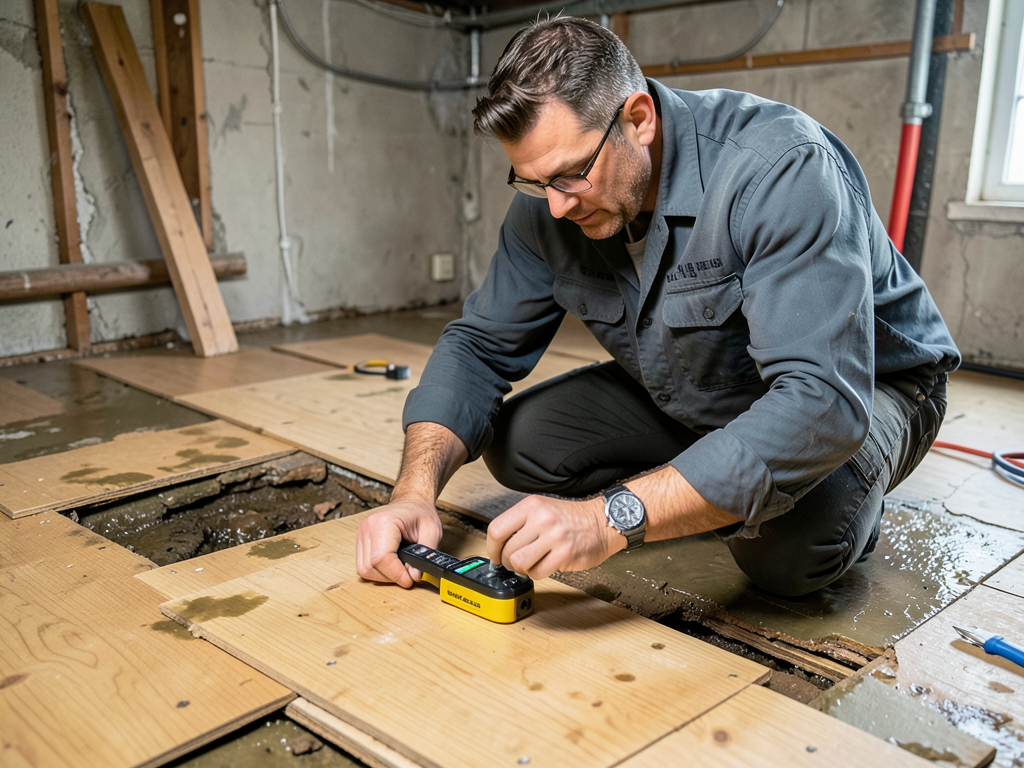
Diagram showing water migration pathways under LVP flooring during a basement flood event.
Assessing the Damage: Is Your LVP Salvageable?
The salvageability of your LVP flooring depends on several factors. First, how long was the water present? Water standing for more than 48 hours likely requires complete removal. Second, what was the water source? Clean water from a broken supply line poses less risk than contaminated water from a sewer backup or overland flooding.. Read more about Why Your AC Condensate Line Might Be Flooding Your Eagan Apartment or Condo.
SPC flooring typically survives clean water exposure better than WPC because of its denser core. However, both types can delaminate if water reaches the adhesive layer. Glue-down installations face additional risks since water can break the bond between planks and subfloor.
Golden Valley’s older homes often have plywood subfloors that absorb moisture like a sponge. Even if your LVP appears dry on top, the subfloor may retain moisture for weeks. This creates ongoing problems including warping, buckling, and persistent musty odors.
Professional moisture testing using calibrated moisture meters provides the only reliable way to determine if your subfloor is dry. Visual inspection cannot detect moisture trapped beneath vapor barriers or within concrete slabs.
The Hidden Danger: Trapped Moisture and Subfloor Mold
Many Golden Valley homeowners make the costly mistake of assuming their LVP flooring is fine because it looks undamaged. The real damage often occurs where you cannot see it. Water trapped beneath waterproof planks creates a dark, warm environment perfect for mold growth.
Mold can begin growing within 24-48 hours of water exposure. By the time visible signs appear, the colony may have already spread extensively. Common indicators include musty odors, increased allergy symptoms, and discoloration at plank edges.
Plywood subfloors are particularly vulnerable to mold damage. When moisture content exceeds 20%, wood becomes susceptible to fungal growth. Concrete slabs can also harbor moisture, especially in Golden Valley’s high-humidity summers when vapor drive from the ground increases.
The Minnesota Department of Health recommends professional mold remediation for areas larger than 10 square feet. This guideline applies to subfloor mold discovered during LVP removal. Attempting DIY removal without proper containment can spread spores throughout your home. EPA Renovation, Repair and Painting Rule.
Technician using a moisture meter to test subfloor moisture content beneath removed LVP planks.
Our Step-by-Step LVP Restoration Process
Professional LVP restoration follows a systematic approach based on IICRC S500 standards. The process begins with emergency water extraction using truck-mounted equipment capable of removing thousands of gallons per hour. This prevents further water migration under unaffected areas. Finding Fast Emergency Water Removal in the North Loop Neighborhood.
Next, we carefully assess which planks can be salvaged. Click-lock installations often allow selective removal of affected areas while preserving undamaged sections. Glue-down flooring typically requires complete removal since separating individual planks damages the locking mechanism.
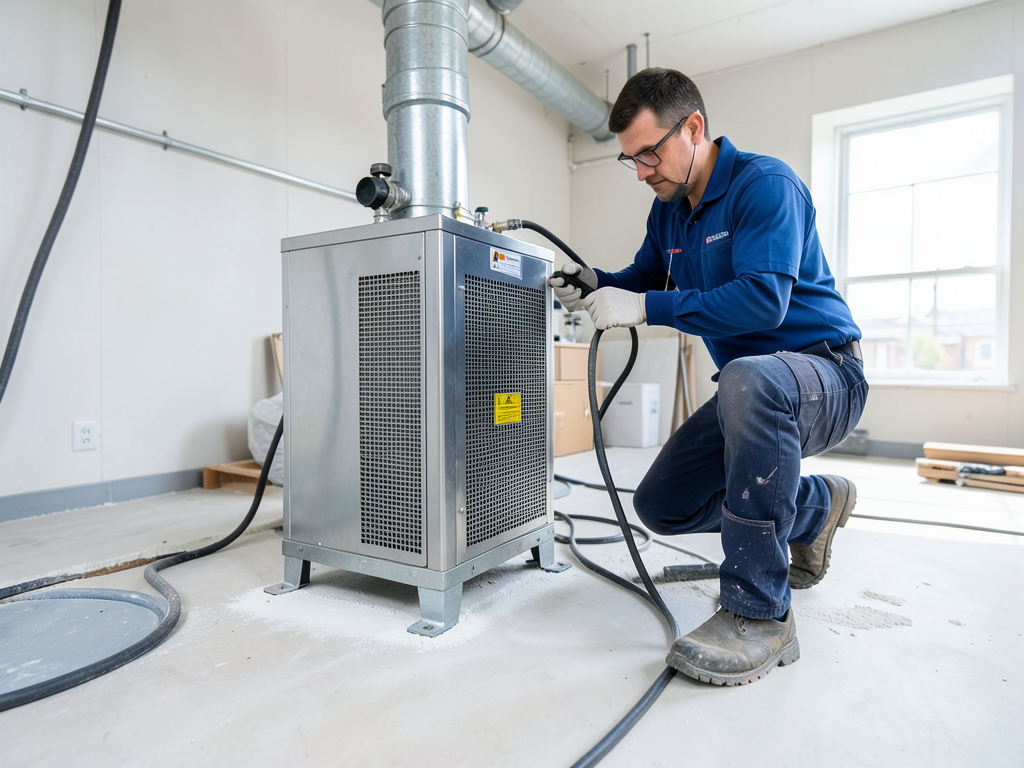
Subfloor drying represents the most critical phase. We use industrial desiccant dehumidifiers that can reduce relative humidity to 10-15%, well below the 19% threshold where mold growth accelerates. Air movers create circulation patterns that force moisture to the surface where dehumidifiers capture it.
Antimicrobial treatment follows drying. We apply EPA-registered disinfectants that eliminate existing microorganisms and prevent future growth. This step proves essential when dealing with category 2 or 3 water that may contain bacteria or other pathogens. Dealing with Sewage Backup Cleanup in Your Bloomington Home.
Moisture testing confirms when drying is complete. We test multiple locations at different depths, documenting results for insurance purposes. Only after verifying moisture content falls below 16% do we proceed with reinstallation or recommend replacement.
Why Golden Valley Climate Matters for Flooring Recovery
Golden Valley’s climate creates unique challenges for LVP restoration. Winter freeze-thaw cycles cause soil expansion and contraction that can crack foundations and create new water entry points. Spring snowmelt often overwhelms drainage systems, leading to sudden basement flooding.
Summer humidity levels in Hennepin County frequently exceed 70%, slowing natural evaporation rates. This means water trapped under LVP may take weeks to dry without professional equipment. The combination of high humidity and warm temperatures also accelerates mold growth.
Many Golden Valley homes built before 1980 have lead-based paint beneath current flooring. The EPA’s Renovation, Repair and Painting Rule requires special containment procedures when disturbing painted surfaces in pre-1978 homes. Our technicians follow these protocols to protect your family’s health.
Local building codes require proper vapor barriers in basements. However, many older homes lack adequate moisture protection. When water breaches these inadequate barriers, it creates ideal conditions for subfloor damage that goes unnoticed until significant deterioration occurs.
Insurance and Documentation
Insurance coverage for LVP flooring varies significantly between policies. Some carriers cover only the cost of removal and drying, while others provide full replacement value. Understanding your coverage before restoration begins helps manage expectations and avoid unexpected expenses.
Professional documentation strengthens your insurance claim. We provide detailed reports including moisture mapping, photographic evidence, and drying logs that demonstrate the extent of damage and the necessity of restoration procedures. This documentation often proves crucial when negotiating with adjusters.
Many Golden Valley residents discover their standard homeowner’s policy excludes flood damage. Overland flooding from heavy rains or river overflow requires separate flood insurance through the National Flood Insurance Program. However, sudden plumbing failures remain covered under most standard policies.
We work directly with insurance companies throughout the restoration process. Our experience with local adjusters helps expedite approvals and ensures proper coverage for all necessary procedures. We can often begin emergency services before claim approval to prevent further damage.
Before and after comparison showing successful LVP restoration after clean water damage in a Golden Valley basement.
Emergency Response: Time is Critical
When water contacts your LVP flooring, every hour matters. The first 24 hours represent the critical window for successful restoration. After this period, the likelihood of permanent damage and mold growth increases dramatically.
Our emergency response team arrives within 60 minutes of your call. We bring commercial-grade extraction equipment, industrial dehumidifiers, and moisture detection tools to begin assessment immediately. This rapid response often means the difference between salvage and replacement.
Golden Valley’s location near major highways allows quick deployment throughout the area. We serve neighborhoods from Meadowbrook to Northport, understanding the unique characteristics of each area’s housing stock and drainage patterns.
Beyond LVP restoration, we provide comprehensive water damage services including structural drying, content manipulation, and reconstruction. This single-source capability streamlines the restoration process and reduces your stress during a difficult time.
Cost Factors for LVP Restoration
Several factors influence the cost of restoring water-damaged LVP flooring. The extent of water migration determines how much flooring requires removal. Clean water from supply lines costs less to address than contaminated water requiring disinfection.
Subfloor conditions significantly impact restoration costs. Concrete slabs require different drying techniques than wood subfloors. Older homes with multiple layers of flooring or inadequate vapor barriers face higher restoration costs due to the complexity of proper drying.
The type of LVP installation affects salvageability. Click-lock floating floors often allow selective replacement, while glue-down installations typically require complete removal. Your restoration specialist can provide cost comparisons between partial restoration and full replacement.
Insurance deductibles and coverage limits also influence your out-of-pocket costs. We provide detailed estimates and can help you understand how insurance factors affect your financial responsibility for the restoration.
Prevention Strategies for Golden Valley Homes
While no flooring is completely flood-proof, several strategies can minimize water damage risk. Regular sump pump testing ensures reliable operation during heavy rains. Installing battery backup systems provides protection during power outages when pumps cannot operate.
Proper grading around your foundation directs water away from your home. The ground should slope at least 6 inches within the first 10 feet from your foundation. This simple measure prevents many basement flooding incidents in Golden Valley’s clay soils.
Consider installing water sensors near potential leak sources. Modern smart home systems can detect moisture and automatically shut off water supply, preventing extensive damage. These systems prove particularly valuable for vacation homes or properties left unattended during winter months.
Regular plumbing inspections identify potential failure points before they cause flooding. Pay special attention to supply lines for washing machines, dishwashers, and refrigerators with ice makers. These flexible lines represent common failure points in many Golden Valley homes.
Frequently Asked Questions
How long can LVP flooring stay wet before it’s ruined?
Water exposure beyond 24-48 hours typically causes irreversible damage to LVP flooring. The adhesive bonds weaken, the core material may swell, and mold growth accelerates. Immediate professional extraction and drying provide the best chance for successful restoration.
Can I just dry LVP flooring in place without removing it?
Drying LVP in place only works for very minor water exposure on clean, non-porous subfloors. Most flood situations require at least partial removal to access and dry the subfloor properly. Trapped moisture will continue causing damage even if the surface appears dry.
Will my insurance cover LVP flooring water damage?
Coverage depends on your specific policy and the water source. Sudden plumbing failures are typically covered, while flood damage from external sources requires separate flood insurance. We can help document damage to support your insurance claim regardless of coverage status.
How can I tell if water got under my LVP flooring?
Signs include cupping or buckling of planks, musty odors, increased allergy symptoms, or visible moisture at seams. However, the most reliable detection method uses professional moisture meters that can detect moisture beneath the surface where visual inspection cannot.
What’s the difference between waterproof and water-resistant LVP?
Water-resistant LVP can handle small spills if cleaned quickly but allows water penetration over time. Waterproof LVP resists water penetration for extended periods but is not designed to withstand standing water or prolonged moisture exposure. Neither type is flood-proof.
Take Action Before It’s Too Late
Water damage to your LVP flooring requires immediate professional attention. The longer you wait, the more extensive and expensive the damage becomes. Our Golden Valley restoration specialists understand local building conditions and can provide the rapid response needed to save your flooring and protect your home.
Don’t gamble with your home’s value and your family’s health. Professional assessment and restoration provide the only reliable path to recovering from water damage. We’re ready to help 24/7, with the equipment and expertise to handle any water damage emergency in Golden Valley. Expert Mold Remediation for Older Apartments in Uptown Minneapolis.
Call (651) 677-5055 today to schedule your inspection. Our emergency response team is standing by to protect your home from further damage. Every hour counts when it comes to water damage restoration.
Pick up the phone and call (651) 677-5055 before the next storm hits. Your quick action today can save you thousands in restoration costs tomorrow.
{
“@context”: “https://schema.org”,
“@type”: “BlogPosting”,
“headline”: “Is Luxury Vinyl Plank Flooring Actually Waterproof After a Flood in Golden Valley?”,
“description”: “Find out if your LVP flooring survives flooding. Learn about moisture damage risks, salvage methods, and when to call for emergency restoration in Golden Valley.”,
“wordCount”: 2039,
“datePublished”: “2026-04-28T07:31:00.000Z”,
“dateModified”: “2026-04-28T07:31:00.000Z”,
“inLanguage”: “en-US”,
“mainEntityOfPage”: {
“@type”: “WebPage”,
“@id”: “https://pioneerwaterdamagerestorationminneapolis.com”
},
“publisher”: {
“@type”: “LocalBusiness”,
“name”: “Pioneer Water Damage Restoration Minneapolis”,
“url”: “https://pioneerwaterdamagerestorationminneapolis.com”
},
“author”: {
“@type”: “Organization”,
“name”: “Pioneer Water Damage Restoration Minneapolis”,
“url”: “https://pioneerwaterdamagerestorationminneapolis.com”
},
“image”: {
“@type”: “ImageObject”,
“url”: “https://pioneerwaterdamagerestorationminneapolis.com/wp-content/uploads/2026/03/is-luxury-vinyl-plank-flooring-actually-waterproof-1.png”
}
}
{
“@context”: “https://schema.org”,
“@type”: “LocalBusiness”,
“name”: “Pioneer Water Damage Restoration Minneapolis”,
“url”: “https://pioneerwaterdamagerestorationminneapolis.com”,
“address”: {
“@type”: “PostalAddress”,
“addressLocality”: “Minneapolis”
},
“areaServed”: {
“@type”: “City”,
“name”: “Minneapolis”
}
}
{
“@context”: “https://schema.org”,
“@type”: “FAQPage”,
“mainEntity”: [
{
“@type”: “Question”,
“name”: “Assessing the Damage: Is Your LVP Salvageable?”,
“acceptedAnswer”: {
“@type”: “Answer”,
“text”: “The salvageability of your LVP flooring depends on several factors. First, how long was the water present? Water standing for more than 48 hours likely requires complete removal. Second, what was the water source? Clean water from a broken supply line poses less risk than contaminated water from a sewer backup or overland flooding.”
}
},
{
“@type”: “Question”,
“name”: “How long can LVP flooring stay wet before it’s ruined?”,
“acceptedAnswer”: {
“@type”: “Answer”,
“text”: “Water exposure beyond 24-48 hours typically causes irreversible damage to LVP flooring. The adhesive bonds weaken, the core material may swell, and mold growth accelerates. Immediate professional extraction and drying provide the best chance for successful restoration.”
}
},
{
“@type”: “Question”,
“name”: “Can I just dry LVP flooring in place without removing it?”,
“acceptedAnswer”: {
“@type”: “Answer”,
“text”: “Drying LVP in place only works for very minor water exposure on clean, non-porous subfloors. Most flood situations require at least partial removal to access and dry the subfloor properly. Trapped moisture will continue causing damage even if the surface appears dry.”
}
},
{
“@type”: “Question”,
“name”: “Will my insurance cover LVP flooring water damage?”,
“acceptedAnswer”: {
“@type”: “Answer”,
“text”: “Coverage depends on your specific policy and the water source. Sudden plumbing failures are typically covered, while flood damage from external sources requires separate flood insurance. We can help document damage to support your insurance claim regardless of coverage status.”
}
},
{
“@type”: “Question”,
“name”: “How can I tell if water got under my LVP flooring?”,
“acceptedAnswer”: {
“@type”: “Answer”,
“text”: “Signs include cupping or buckling of planks, musty odors, increased allergy symptoms, or visible moisture at seams. However, the most reliable detection method uses professional moisture meters that can detect moisture beneath the surface where visual inspection cannot.”
}
},
{
“@type”: “Question”,
“name”: “What’s the difference between waterproof and water-resistant LVP?”,
“acceptedAnswer”: {
“@type”: “Answer”,
“text”: “Water-resistant LVP can handle small spills if cleaned quickly but allows water penetration over time. Waterproof LVP resists water penetration for extended periods but is not designed to withstand standing water or prolonged moisture exposure. Neither type is flood-proof.”
}
}
]
}
{
“@context”: “https://schema.org”,
“@type”: “BreadcrumbList”,
“itemListElement”: [
{
“@type”: “ListItem”,
“position”: 1,
“name”: “Home”,
“item”: “https://pioneerwaterdamagerestorationminneapolis.com”
},
{
“@type”: “ListItem”,
“position”: 2,
“name”: “Blog”,
“item”: “https://pioneerwaterdamagerestorationminneapolis.com/blog”
},
{
“@type”: “ListItem”,
“position”: 3,
“name”: “Is Luxury Vinyl Plank Flooring Actually Waterproof After a Flood in Golden Valley?”
}
]
}
{
“@context”: “https://schema.org”,
“@type”: “Service”,
“serviceType”: “Water Damage Restoration”,
“provider”: {
“@type”: “LocalBusiness”,
“name”: “Pioneer Water Damage Restoration Minneapolis”,
“url”: “https://pioneerwaterdamagerestorationminneapolis.com”
},
“areaServed”: {
“@type”: “City”,
“name”: “Minneapolis”
},
“description”: “Find out if your LVP flooring survives flooding. Learn about moisture damage risks, salvage methods, and when to call for emergency restoration in Golden Valley.”
}