




menu

Musty Smells & Odor Removal in Minneapolis – Expert Diagnosis and Permanent Elimination

Liberty Water Damage Restoration Riverside uses advanced moisture detection and targeted microbial treatment to eliminate musty smells at their source, not just mask them with temporary solutions.

Slider Image 1
Slider Image 2
Slider Image 3
Slider Image 4
Slider Image 5
Slider Image 7
Slider Image 8
Slider Image 9
Slider Image 10
Slider Image 11

Why Musty Smells Persist in Minneapolis Homes and Businesses

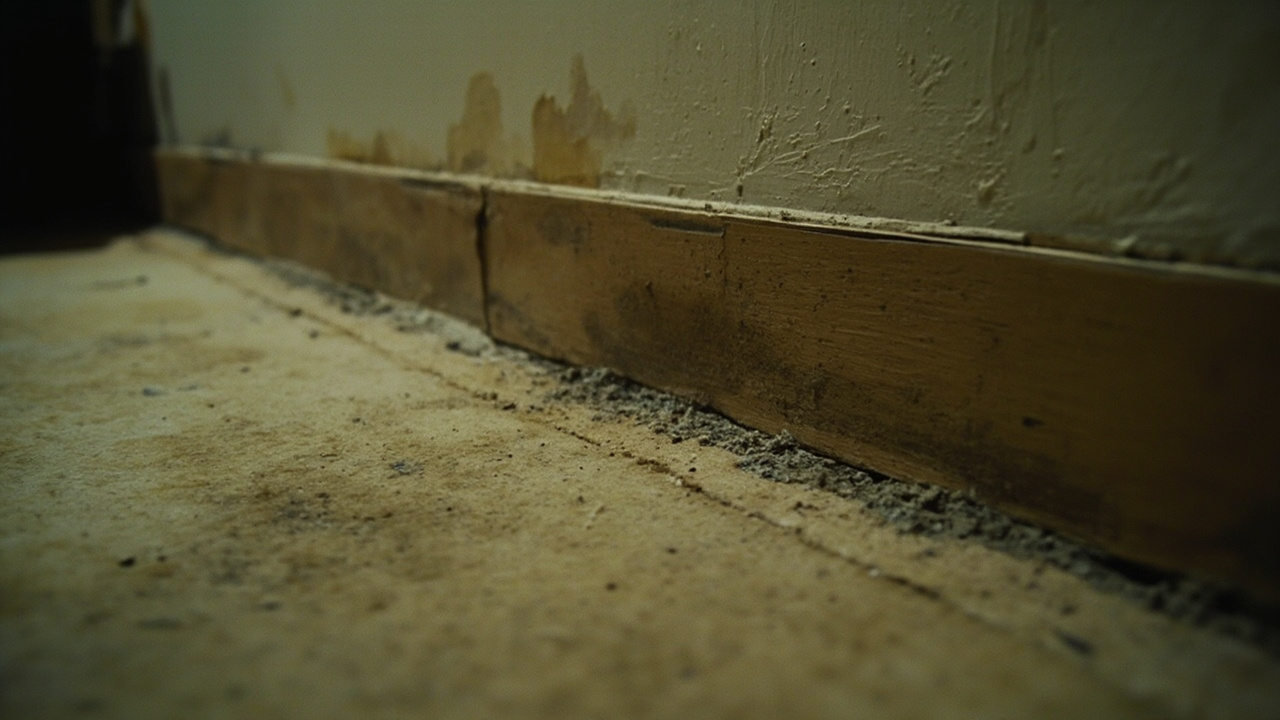
That persistent damp smell in your basement or crawl space is not just unpleasant. It is a warning sign. Minneapolis homes face unique challenges that create ideal conditions for mildew odor development. The city's freeze-thaw cycles stress foundation walls, creating hairline cracks that allow groundwater seepage. When spring temperatures rise and snowmelt saturates the soil around your foundation, moisture migrates into basements and crawl spaces. The humid summer months then create the perfect environment for microbial growth.

Older Minneapolis neighborhoods like Powderhorn, Longfellow, and Seward feature homes built before modern vapor barriers became standard. These structures often have fieldstone foundations or inadequate drainage systems. The clay-heavy soil common throughout Hennepin County holds water against foundation walls longer than sandy soils would. This prolonged contact leads to chronic dampness that produces musty odors.

Many homeowners try masking the smell with air fresheners or dehumidifiers. These approaches fail because they do not address the moisture source. Neutralizing musty odors requires identifying where water enters your structure, eliminating that pathway, and treating the affected materials. The smell you notice is volatile organic compounds released by mold and mildew colonies. These organisms thrive in dark, damp areas with organic material to feed on, like wood joists, drywall paper backing, and carpet padding.

Damp smell remediation is not cosmetic work. It is structural hygiene. Ignoring the problem allows microbial contamination to spread through HVAC systems, affecting indoor air quality throughout your property. Residents with allergies or respiratory sensitivities often experience worsening symptoms. The longer the issue persists, the more extensive the remediation becomes.

Why Musty Smells Persist in Minneapolis Homes and Businesses
Our Scientific Approach to Removing Moldy Scents

Our Scientific Approach to Removing Moldy Scents

Effective mildew odor elimination requires precision, not guesswork. We begin with thermal imaging and moisture meters to map exactly where elevated humidity exists within your structure. Standard visual inspections miss hidden moisture pockets behind finished walls or beneath flooring. Our technicians document moisture content readings in building materials, establishing a baseline for tracking remediation progress.

Once we identify the moisture intrusion points, we address the root cause. This might involve repairing foundation cracks, improving exterior grading, or installing perimeter drainage systems. Surface treatments alone will not solve the problem if groundwater continues entering your basement. We coordinate with structural specialists when necessary to ensure comprehensive solutions.

For contaminated materials, we use HEPA-filtered negative air machines to contain airborne spores during removal. Porous materials that have absorbed moisture and support microbial growth, like insulation or drywall, often require removal and replacement. Semi-porous materials like wood framing receive antimicrobial treatment after thorough drying. We dry structural components to industry-standard moisture content levels using commercial-grade air movers and dehumidifiers, typically below 15 percent moisture content for wood.

Eradicating water damage smells also requires treating HVAC components. Ductwork, air handlers, and return vents can harbor mold spores that recirculate throughout your property. We clean or replace contaminated HVAC components and apply EPA-registered antimicrobial solutions to prevent recolonization. The final step involves third-party air quality testing to verify spore counts have returned to normal ambient levels. This independent verification confirms the remediation succeeded, protecting your health and your investment.

What Happens During Your Odor Removal Service

Musty Smells & Odor Removal in Minneapolis – Expert Diagnosis and Permanent Elimination
01

Moisture Source Investigation

Our technicians arrive with thermal imaging cameras and penetrating moisture meters to locate hidden water intrusion. We inspect foundation walls, crawl spaces, rim joists, and below-grade areas where Minneapolis groundwater commonly enters. This diagnostic phase typically takes 60 to 90 minutes and identifies all moisture sources contributing to your odor problem. We document findings with photos and moisture readings to create your remediation plan.
02

Containment and Removal

We establish physical barriers using polyethylene sheeting and negative air pressure to prevent cross-contamination during removal of affected materials. Technicians wear appropriate respiratory protection while removing water-damaged insulation, drywall, or flooring that supports microbial growth. All contaminated materials are bagged and disposed of according to Minnesota Department of Health guidelines. We then treat remaining structural components with antimicrobial solutions and begin the drying process using commercial dehumidifiers.
03

Verification and Prevention

After drying structural components to target moisture levels, we conduct final air quality testing through an independent laboratory. This verifies that airborne spore counts have normalized and the odor source has been eliminated. We provide a detailed report showing before and after moisture readings and lab results. You receive specific recommendations for preventing future moisture problems, such as maintaining gutters, improving ventilation, or installing a sump pump system if your property requires it.

Why Minneapolis Property Owners Choose Liberty Water Damage Restoration Riverside

Understanding Minneapolis-specific moisture challenges makes the difference between temporary fixes and permanent solutions. Our team has remediated hundreds of properties throughout the metro, from vintage homes in Northeast Minneapolis to modern condominiums in Uptown. We know which foundation types are common in each neighborhood and how they typically fail. That knowledge allows us to diagnose problems faster and recommend solutions that work long-term.

Minneapolis building codes have evolved significantly over the past century. Older properties often lack the moisture management features now required by code. We work with these structures respectfully, understanding their construction methods while bringing them up to modern performance standards. Our technicians receive ongoing training in the latest moisture intrusion detection technology and remediation techniques. We maintain current IICRC certification in water damage restoration and applied microbial remediation.

Insurance claims for water damage and mold remediation can be complex. We document every step of the process with detailed photos, moisture readings, and scope reports that insurance adjusters require. Many property owners tell us we made their claim process easier by providing thorough documentation. We communicate directly with adjusters when needed to explain the technical necessity of each remediation step.

Emergency situations get priority response. If a burst pipe or sewage backup creates sudden water damage, we can typically arrive within two hours to begin water extraction and drying. Quick response prevents minor water events from becoming major mold problems. For non-emergency odor investigations, we schedule appointments at your convenience, including evenings and weekends. Our goal is complete customer satisfaction through technical excellence and clear communication.

What to Expect During Your Musty Smell Remediation

Response Time and Scheduling

Initial consultations typically occur within 24 to 48 hours of your call. We understand that musty odors affect your comfort and potentially your health, so we prioritize prompt scheduling. During the consultation, a technician performs moisture mapping and develops a remediation plan. For active water intrusion situations, we provide emergency response to prevent additional damage. Most odor investigations and estimates take 60 to 90 minutes. Once you approve the scope, we schedule remediation work at your convenience, often beginning within a few days depending on the project complexity.

Comprehensive Moisture Assessment

Your assessment begins with a detailed interview about when you first noticed the odor, whether it worsens after rain, and what areas of your property are affected. Our technician then conducts a physical inspection using thermal imaging to identify temperature differentials that indicate moisture. Penetrating moisture meters measure water content in building materials. We inspect exterior grading, downspouts, foundation walls, crawl spaces, and interior finishes. You receive a written report explaining moisture sources, affected areas, and recommended remediation steps. This diagnostic thoroughness ensures we address the actual problem, not just symptoms.

Complete Odor Elimination

Our remediation process eliminates odors at the source by removing contaminated materials and treating structural components. You will not smell chemical masking agents. Instead, you will notice the absence of smell as we restore your indoor environment to normal conditions. We use hydroxyl generators or ozone treatment in some cases to neutralize residual odors after removing the source. The timeline varies based on the extent of contamination and drying requirements. Most residential projects complete within three to seven days. You receive clear communication throughout the process about daily progress and any unexpected findings.

Post-Remediation Verification

After completing remediation, we verify success through independent air quality testing. A third-party laboratory analyzes samples for mold spore types and concentrations, comparing results to outdoor ambient levels. This objective verification protects you by confirming the work succeeded. You receive lab reports and final moisture readings showing all materials have returned to normal levels. We provide maintenance recommendations specific to your property to prevent future moisture problems. Many clients appreciate our follow-up calls a few weeks after project completion to ensure satisfaction and answer any questions.

Frequently Asked Questions

You Have Questions,
We Have Answers

How to get rid of a strong musty smell? +

Find the source first. Check basements, crawl spaces, and areas around windows for hidden moisture. Minneapolis homes face freeze-thaw cycles that crack foundations and let water seep in. Remove wet materials like damp carpet or insulation. Run a dehumidifier to drop humidity below 50%. Open windows when outdoor humidity is lower. Clean hard surfaces with a vinegar solution. If the smell persists after drying, you likely have hidden mold growth in walls or ductwork. Professional water damage restoration includes moisture detection tools that locate trapped water you cannot see.

Will DampRid get rid of musty smell? +

DampRid absorbs moisture in small, enclosed spaces like closets or cabinets. It works for minor humidity issues but cannot handle whole-room problems common in Minneapolis basements. The calcium chloride crystals collect water but do not move air or treat existing mold. If your musty smell comes from a damp basement or water intrusion, DampRid will not solve it. You need proper ventilation, a dehumidifier, and source elimination. DampRid is a temporary bandage, not a fix for structural moisture problems or contamination requiring remediation.

How to get rid of old lady smell in house? +

This smell comes from stale air, dust buildup, mothballs, old fabric, and poor ventilation. Start by airing out the home. Wash or remove old curtains, upholstery, and carpets that trap odors. Clean walls and ceilings with a mild detergent. Replace HVAC filters and clean ductwork if needed. Mothball odor requires activated charcoal or professional ozone treatment. Minneapolis homes with poor attic ventilation or closed-up basements develop this stale smell faster. If cleaning does not work, hidden moisture or mold may be the real issue. Professional odor removal targets the source, not just the symptom.

What is the hardest smell to get rid of in a house? +

Decomposition, sewage, and smoke penetrate porous materials and require aggressive remediation. Musty mold odor ranks high because it spreads through HVAC systems and hides in wall cavities. Pet urine that soaks into subfloors is tough without replacing materials. Fire and smoke odor bonds to everything and often needs ozone treatment or thermal fogging. In Minneapolis, flooded basements with sewage backup create the worst contamination. You cannot mask these smells with air fresheners. Professional odor removal involves containment, material removal, antimicrobial treatment, and air scrubbing with HEPA filtration and activated carbon.

What is the most powerful odor eliminator? +

Activated carbon and hydroxyl generators are the most effective for serious odor problems. Activated carbon traps odor molecules through adsorption. Hydroxyl generators break down odor compounds at the molecular level and work safely in occupied spaces. Ozone generators are powerful but require evacuation during treatment. Enzyme cleaners work for organic smells like pet urine. Baking soda and vinegar help minor surface odors. Minneapolis water damage professionals use industrial hydroxyl machines and thermal fogging for penetrating odors. Grocery store sprays and gels only mask smells. Real elimination requires breaking down the source compounds, not covering them up.

What does a musty smell indicate? +

A musty smell indicates active mold growth or high moisture levels. Mold releases microbial volatile organic compounds that create that earthy, stale odor. In Minneapolis, basements and crawl spaces develop this smell from groundwater seepage, condensation, or poor drainage. The smell means conditions are right for mold colonization. Humidity above 60%, wet building materials, or hidden water damage feed the problem. Even if you do not see visible mold, the odor confirms contamination. Ignoring it allows mold to spread and damage materials. Address moisture issues immediately to stop growth before it becomes a remediation project.

Why does my house smell musty but I can't find mold? +

Mold hides in wall cavities, under flooring, above ceilings, and inside HVAC ductwork. You smell it but cannot see it because growth happens behind finished surfaces. Minneapolis homes with finished basements often have hidden mold in rim joists or behind drywall from foundation leaks. Check for water stains, peeling paint, or soft drywall. Use your nose to track the strongest odor location. High humidity without visible mold still creates mustiness from bacteria and mildew on dust. Professional moisture meters and thermal imaging cameras locate hidden water sources driving the smell.

Is DampRid better than a dehumidifier? +

A dehumidifier is better for ongoing moisture control in lived-in spaces. DampRid works for small, enclosed areas like closets but lacks the capacity for basements or whole rooms. Minneapolis basements need dehumidifiers that remove gallons of water daily and maintain target humidity levels. Dehumidifiers circulate air and prevent new mold growth. DampRid crystals fill up quickly and require constant replacement. For active moisture problems, a dehumidifier is the only practical solution. DampRid is a supplement, not a replacement. Use it in problem spots after you control the main moisture source with mechanical dehumidification.

How long does it take a dehumidifier to remove musty smell? +

A dehumidifier reduces humidity within 24 to 48 hours, but odor removal depends on contamination level. Light mustiness from high humidity fades in a few days once moisture drops below 50%. If mold has colonized materials, the smell persists until you remove contaminated items and clean surfaces. Minneapolis basements with longstanding moisture issues need weeks of dehumidification plus cleaning. Running the dehumidifier continuously is key. Empty the reservoir daily or use a drain hose. If the smell remains after a week of proper dehumidification, hidden mold requires professional assessment and remediation.

What causes old people to smell in a house? +

The smell comes from poor ventilation, infrequent cleaning, accumulated dust, old fabrics, incontinence issues, and medication odors. Older adults may not detect odors as easily or clean as often. Closed windows and low air circulation let smells build up. Urine accidents that seep into carpet padding create ammonia odors. Mothballs and old cosmetics add to the staleness. Minneapolis homes with poor HVAC maintenance develop stagnant air. Address this by deep cleaning, washing all textiles, replacing carpet if needed, improving ventilation, and checking for hidden moisture issues that amplify odors. Professional cleaning and odor treatment restore freshness.

How Minneapolis Groundwater and Freeze-Thaw Cycles Create Persistent Basement Odors

Minneapolis sits at the confluence of the Mississippi and Minnesota Rivers, creating a high water table throughout much of the metro area. Spring snowmelt and heavy summer rains saturate the clay-heavy soil common in Hennepin County. This soil composition holds moisture against foundation walls longer than well-draining soils. Winter freeze-thaw cycles create additional stress on foundations, opening small cracks that become pathways for groundwater seepage. Older neighborhoods like Linden Hills, Kenwood, and Standish feature homes built before modern waterproofing techniques became standard. These conditions make damp smell remediation particularly important for Minneapolis property owners who want to protect their indoor air quality and structural integrity.

Minnesota has specific standards for mold remediation work through the Department of Health and Department of Labor and Industry. Contractors must follow established protocols for containment, removal, and disposal of contaminated materials. Liberty Water Damage Restoration Riverside maintains current training in these requirements and uses methods that comply with state guidelines. Our familiarity with local building inspectors and insurance adjusters helps projects proceed smoothly. We understand which documentation local adjusters require and how Minneapolis building codes apply to remediation work. This local expertise means fewer delays and better outcomes for property owners throughout the metro area.

Water Damage Restoration Services in The Minneapolis Area

Pioneer Water Damage Restoration Minneapolis is proud to be a dedicated, locally owned company centrally located to serve the entire metro area and surrounding communities. We invite you to view our service area on the map to confirm we cover your neighborhood, ensuring you receive the fastest possible emergency response whenever disaster strikes. Our commitment is always to our community’s property owners and their complete, timely recovery.

Address:
Pioneer Water Damage Restoration Minneapolis, 1330 Lagoon Ave, Minneapolis, MN, 55408

Additional Services We Offer

Our news updates

Latest Articles & News from The Blogs

Protecting Your White Bear Lake Mudroom From Melting Snow and Slush Damage Your mudroom takes the brunt of Minnesota winters.…

Protecting Your White Bear Lake Mudroom From Melting Snow and Slush Damage

Protecting Your White Bear Lake Mudroom From Melting Snow and Slush Damage Your mudroom takes the brunt of Minnesota winters.…

The Dangers of a Slow Refrigerator Water Line Leak in Your Oakdale Kitchen

The Dangers of a Slow Refrigerator Water Line Leak in Your Oakdale Kitchen A slow leak from your refrigerator water…

Stopping Rainwater Seepage Through Macalester-Groveland Stone Foundations

Stopping Rainwater Seepage Through Macalester-Groveland Stone Foundations Rainwater seeping through stone foundations in Macalester-Groveland is a common problem in older…

Contact Us

Stop living with unpleasant odors that signal hidden moisture damage. Call Liberty Water Damage Restoration Riverside at (651) 677-5055 for a thorough moisture assessment. We will identify the source, explain your options, and restore your indoor air quality permanently.