Emergency Basement Flood Cleanup in Edina, MN
When your Edina basement floods, every minute counts. Water spreads fast through the high clay content soil common in Hennepin County, saturating walls and seeping into flooring before you can even assess the damage. Our team arrives within 60 minutes with industrial-grade extraction equipment and moisture detection tools to stop the spread before mold takes hold in your home’s foundation.
We understand the unique challenges Edina homeowners face. Many homes in neighborhoods like Country Club District and Morningside were built before modern drainage systems existed. When heavy spring rains overwhelm the city’s stormwater infrastructure or a sump pump fails during a power outage, water finds its way through foundation cracks into finished basements worth tens of thousands of dollars in finishes and stored belongings.
Call (651) 677-5055 now for immediate water extraction and drying services. We work directly with your insurance provider to handle claims paperwork while we restore your home to pre-flood condition.
24/7 Rapid Response for Edina Homeowners
Flood water doesn’t wait for business hours. Our emergency response team maintains fully stocked trucks positioned throughout the Minneapolis metro area, ensuring we can reach any Edina address within one hour of your call. When you dial (651) 677-5055, you connect directly with a certified water damage specialist who can dispatch help immediately.
The first 24 hours after flooding are critical. Category 1 clean water from a broken supply line becomes Category 2 gray water within 48 hours and Category 3 black water within 72 hours as bacteria multiply. Our rapid response prevents this escalation, saving you thousands in additional remediation costs.
We arrive equipped with truck-mounted extraction units capable of removing 20 gallons of water per minute, commercial-grade air movers that create 3,000 CFM airflow, and LGR dehumidifiers that pull 30 gallons of moisture from the air daily. This equipment works together to create a drying vortex that reaches into wall cavities and under flooring where standard fans cannot penetrate.
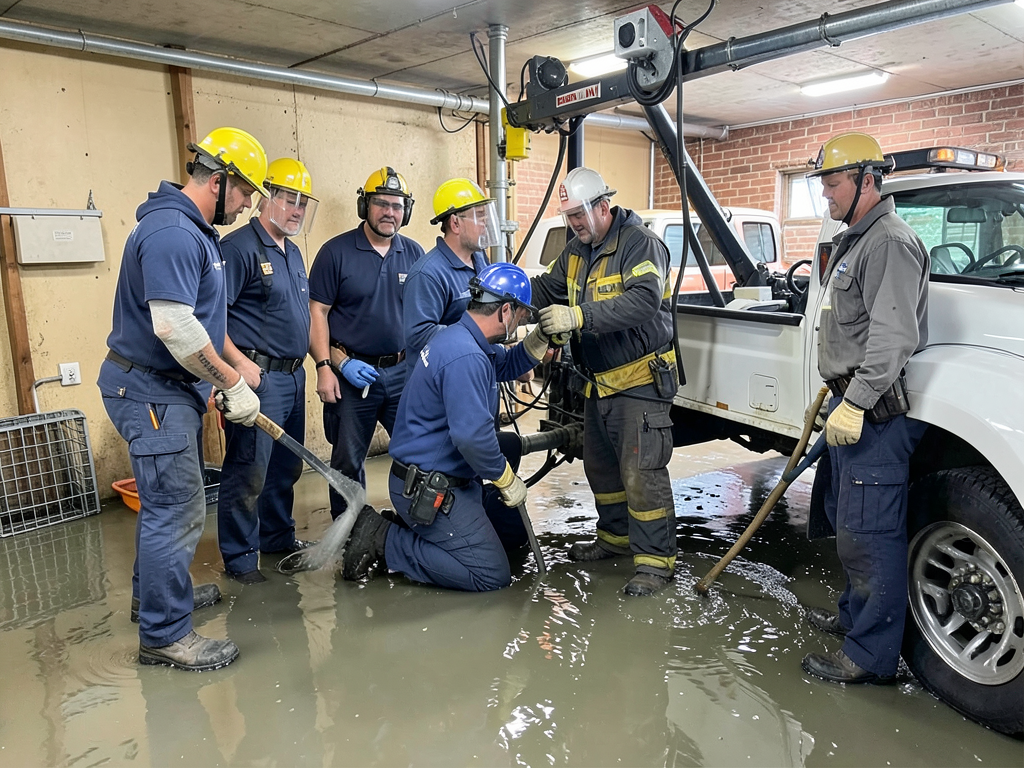
Our technicians wear personal protective equipment including respirators, Tyvek suits, and rubber boots when entering flooded basements. We assess electrical hazards first, checking for submerged outlets or exposed wiring that could energize standing water. If sewage contamination is present, we establish containment zones to prevent cross-contamination to unaffected areas of your home.
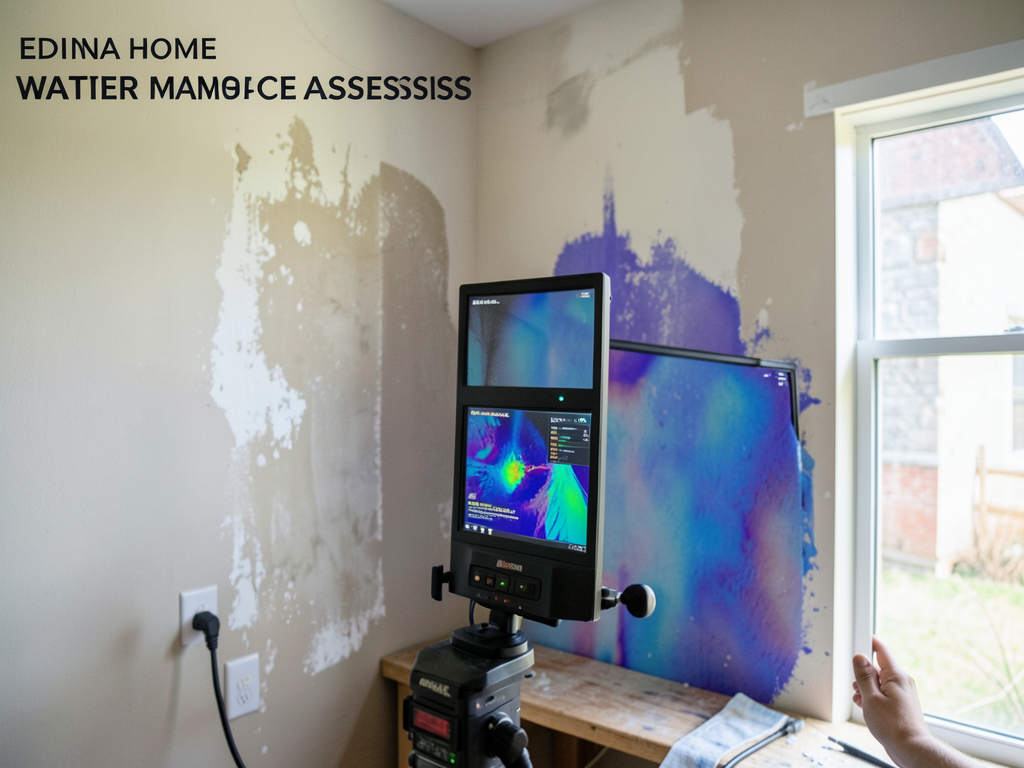
During the initial inspection, we use thermal imaging cameras to detect moisture behind finished walls and moisture meters to measure water content in wood framing. These diagnostic tools reveal hidden damage that visual inspection cannot detect, ensuring we address all affected areas the first time.
Our Edina Water Damage Restoration Process
Following ANSI/IICRC S500 standards for water damage restoration, we execute a systematic process that ensures complete drying and prevents secondary damage. This industry-standard protocol has been refined over decades of field experience in Minnesota’s challenging climate. ANSI/IICRC S500 standards.
- Emergency Contact and Assessment
When you call (651) 677-5055, we gather information about the flood source, water category, and affected areas. Our dispatcher alerts the nearest crew while you provide details about your home’s layout and any immediate safety concerns.
- Water Extraction and Removal
Using submersible pumps for standing water over two inches deep and truck-mounted extractors for carpet and padding, we remove bulk water within the first hour. This prevents further absorption into structural materials and reduces drying time by up to 70%.
- Demolition and Debris Removal
We remove irreparably damaged materials including soaked drywall, insulation, and carpet padding. This creates access to wall cavities and subfloors where moisture hides. We bag and dispose of contaminated materials following Hennepin County biohazard disposal regulations. EPA guidelines for lead-safe practices.
- Structural Drying and Dehumidification
High-velocity air movers create airflow across wet surfaces while LGR dehumidifiers remove moisture from the air. We monitor progress daily using moisture meters, adjusting equipment placement to ensure complete drying of all structural elements.
- Cleaning and Sanitization
We apply EPA-registered antimicrobial treatments to all affected surfaces, killing bacteria and preventing mold growth. Our cleaning process includes HEPA vacuuming to remove particulates and thorough wiping of all horizontal surfaces.
- Restoration and Reconstruction
Once drying is complete and moisture content returns to normal levels, we rebuild damaged areas. This includes hanging new drywall, installing flooring, and painting. We coordinate with your insurance adjuster throughout this process.
Common Causes of Edina Basement Floods
Understanding why basements flood helps prevent future incidents. Edina’s unique combination of mature tree canopy, clay-heavy soil, and aging infrastructure creates specific vulnerabilities that newer suburbs don’t face.
Sump pump failure represents the most common cause of basement flooding in Edina. During spring storms, when the ground becomes saturated from snowmelt and heavy rains, sump pumps work continuously to keep basements dry. A power outage, mechanical failure, or overwhelmed pump allows water to rise through the sump pit and flood the basement floor.
Foundation cracks develop over time as the high clay content soil in Edina expands when wet and contracts when dry. This constant movement creates hairline cracks that widen over decades. Water pressure from saturated soil pushes through these cracks during heavy rains, especially in homes built before 1980 when waterproofing standards were less stringent.
Sewage backup occurs when the city’s combined stormwater and sanitary sewer system becomes overwhelmed during extreme weather events. Water from heavy rains enters the sanitary sewer through illegal connections or cracks, causing backups through floor drains and toilets. This creates hazardous Category 3 black water containing bacteria, viruses, and other pathogens.
Gutter and downspout failures contribute to basement flooding when water is not directed away from the foundation. Clogged gutters overflow, saturating soil near the foundation wall. Downspouts that terminate too close to the house or are connected to underground drains that fail allow water to pool against the foundation, eventually finding entry points.
Water heater and appliance failures cause sudden flooding that can go unnoticed for hours. A failed water heater can release 40 to 80 gallons of water, while washing machine hoses can fail under pressure, spraying water continuously until discovered. These incidents often occur when homeowners are away, allowing extensive damage to develop.
Insurance Claim Assistance for Edina Homeowners
Navigating insurance claims after a basement flood adds stress to an already difficult situation. We work directly with insurance adjusters and provide detailed documentation that supports your claim and ensures you receive maximum coverage for your loss.
Our documentation process begins the moment we arrive. We photograph all damage, including water levels, affected materials, and personal belongings. We create detailed room-by-room inventories with measurements and material types. This comprehensive documentation proves invaluable when negotiating with insurance companies.
We understand the difference between what insurance covers and what it doesn’t. Sudden and accidental water damage from burst pipes or appliance failures is typically covered under standard homeowners policies. However, groundwater flooding, sewer backups, and gradual damage from maintenance issues often require additional endorsements or separate policies.
For sewage backup claims, we provide documentation showing Category 3 contamination and the necessary remediation steps. This helps justify the higher costs associated with black water cleanup, including PPE requirements, antimicrobial treatments, and proper disposal of contaminated materials.
We communicate directly with your insurance adjuster throughout the restoration process. Our detailed drying logs, moisture readings, and progress photos provide evidence that work was completed according to industry standards. This documentation often results in faster claim approvals and fewer disputes over scope of work.
If your claim is denied or coverage is limited, we can explain the reasons and suggest alternative solutions. Sometimes partial coverage combined with our competitive pricing makes professional restoration more affordable than you might expect. We also offer financing options for situations where insurance provides limited coverage.
Certified and Local: Serving Hennepin County
Our team holds multiple IICRC certifications including Water Damage Restoration Technician (WRT), Applied Structural Drying (ASD), and Applied Microbial Remediation Technician (AMRT). These certifications require ongoing education to stay current with evolving restoration techniques and safety protocols.
We maintain Minnesota Department of Health certification for mold remediation and follow EPA guidelines for lead-safe practices in homes built before 1978. This ensures compliance with all applicable regulations when working in Edina’s many historic and mid-century homes.
Our equipment meets or exceeds industry standards for restoration work. We use Phoenix and Dri-Eaz dehumidifiers known for reliability in commercial applications. Our air movers are axial fans that move more air using less electricity than standard centrifugal fans. This efficiency translates to faster drying and lower operating costs.
We understand Edina’s specific building characteristics. Many homes in the Country Club District feature plaster walls that require different drying techniques than modern drywall. Homes in Morningside often have finished basements with suspended ceilings that trap moisture. Our experience with these local construction methods ensures we use the right approach for each home.
Beyond Edina, we serve the entire Hennepin County area including Bloomington, Minnetonka, and St. Louis Park. Our Minneapolis-St. Paul metro presence means we can respond quickly to emergencies anywhere in the region while maintaining the personalized service local homeowners expect.
Safety remains our top priority throughout every project. We follow OSHA guidelines for confined space entry when working in basements with limited egress. We use ground fault circuit interrupters on all electrical equipment to prevent shock hazards in wet environments. Our technicians receive annual safety training covering everything from ladder safety to hazardous material handling. OSHA guidelines for confined space entry.
Preventing Future Basement Floods in Edina
After experiencing a basement flood, most homeowners want to prevent future incidents. Several strategies can significantly reduce your risk of repeat flooding in Edina’s challenging climate.
Install a battery backup sump pump system that activates during power outages. These systems include a secondary pump powered by a deep-cycle marine battery that can operate for up to 48 hours without recharging. Some advanced systems include water-powered backup pumps that use municipal water pressure to remove water without electricity.
Upgrade your primary sump pump to a commercial-grade model with a higher pumping capacity. Standard residential pumps typically handle 2,400 gallons per hour, while commercial models can pump 4,000 gallons per hour or more. This increased capacity handles heavy rain events that would overwhelm standard pumps.
Install a backwater valve on your main sewer line to prevent sewage backup during heavy rains. These one-way valves allow water to flow out but close automatically when water tries to flow back in. Minnesota plumbing code requires these valves in many new installations, but older homes often lack this protection.
Improve exterior drainage around your foundation. Grade soil away from the house at a minimum slope of 6 inches over 10 feet. Extend downspouts at least 6 feet from the foundation using buried drain pipes or surface extensions. Clean gutters twice yearly to prevent overflow during heavy rains.
Seal foundation cracks with hydraulic cement or epoxy injection. Hairline cracks can be sealed from the interior, while larger cracks may require exterior waterproofing. This prevents water from entering through the foundation walls during periods of high groundwater pressure.
Install water sensors and automatic shutoff valves on major appliances. These systems detect leaks and automatically shut off the water supply, preventing extensive damage from appliance failures. Some systems integrate with smart home technology to send alerts to your phone when leaks are detected.
Why Professional Cleanup Matters for Your Edina Home
DIY basement cleanup often creates more problems than it solves. Professional restoration ensures complete drying, prevents mold growth, and protects your home’s value and your family’s health.
Hidden moisture causes the most expensive damage in flooded basements. Water seeps into wall cavities, under flooring, and into insulation where it cannot be seen or reached with household fans. This moisture creates perfect conditions for mold growth within 24 to 48 hours, often in areas you cannot see until the problem becomes severe.
Mold exposure poses serious health risks, especially for children, elderly individuals, and those with respiratory conditions. Common symptoms include allergic reactions, asthma attacks, and respiratory infections. Professional antimicrobial treatment eliminates existing mold and prevents new growth during the drying process.
Structural damage from prolonged moisture exposure includes wood rot, metal corrosion, and concrete deterioration. Floor joists can weaken, support columns can rust, and foundation walls can spall. Professional moisture detection identifies these issues before they become safety hazards requiring expensive repairs.
Insurance companies often deny claims when homeowners attempt DIY cleanup that results in incomplete drying and secondary damage. Professional documentation proves you took appropriate steps to mitigate damage, supporting your claim and protecting your financial interests.
The cost of professional restoration is typically much less than the cost of replacing damaged materials and remediating mold growth that occurs when DIY efforts fail. Our industrial equipment removes moisture in days rather than the weeks required for household fans to make minimal progress.
Frequently Asked Questions
How long does basement flood cleanup take?
Most basement flood cleanups take 3 to 5 days from start to finish. Water extraction and demolition typically complete within the first 24 hours. Structural drying requires 2 to 4 days depending on the extent of saturation and the materials affected. Final cleaning and restoration may extend the timeline by several days.
Will my insurance cover basement flood damage?
Coverage depends on the water source. Sudden and accidental damage from burst pipes or appliance failures is typically covered under standard homeowners policies. Groundwater flooding, sewer backups, and gradual damage usually require additional endorsements. We can help determine your coverage and work directly with your insurance company.
Can I stay in my home during cleanup?
Most homeowners can remain in their homes during basement flood cleanup. The noise from air movers and dehumidifiers can be loud, and equipment must run continuously for several days. However, if sewage contamination is present or extensive demolition is required, temporary relocation may be necessary for health and safety reasons.
How do you prevent mold after a flood?
We prevent mold through rapid water removal, thorough structural drying, and application of EPA-registered antimicrobial treatments. We monitor moisture levels daily using moisture meters to ensure complete drying. Our process eliminates conditions that allow mold to grow and includes HEPA filtration to remove airborne spores during demolition.
What should I do immediately after discovering a flooded basement?
First, ensure your safety by turning off electricity to the affected area if water has reached outlets or appliances. Remove valuable items from the water if it’s safe to do so. Then call (651) 677-5055 immediately. Quick professional response prevents additional damage and reduces restoration costs.
Don’t let basement flooding destroy your Edina home and belongings. Every hour of delay allows water to spread deeper into structural materials and increases the risk of mold growth. Our certified technicians are standing by 24/7 to provide rapid emergency response throughout Edina and surrounding Hennepin County communities.
Call (651) 677-5055 now for immediate assistance. We’ll arrive within 60 minutes with the equipment and expertise to stop the damage and begin restoring your home. Our direct insurance billing and detailed documentation make the claims process simple while our professional restoration ensures your basement returns to pre-flood condition.
Pick up the phone and call (651) 677-5055 before the next storm hits. Your Edina home deserves professional care from technicians who understand local building characteristics and climate challenges. We’re ready to help 24 hours a day, 7 days a week.
{
“@context”: “https://schema.org”,
“@type”: “BlogPosting”,
“headline”: “Professional Cleanup for Flooded Basements in Edina Homes”,
“description”: “24/7 emergency basement flood cleanup in Edina MN. Certified technicians arrive within 60 minutes to extract water, dry structures, and prevent mold growth.”,
“wordCount”: 2539,
“datePublished”: “2026-02-15T10:32:00.000Z”,
“dateModified”: “2026-02-15T10:32:00.000Z”,
“inLanguage”: “en-US”,
“mainEntityOfPage”: {
“@type”: “WebPage”,
“@id”: “https://pioneerwaterdamagerestorationminneapolis.com”
},
“publisher”: {
“@type”: “LocalBusiness”,
“name”: “Pioneer Water Damage Restoration Minneapolis”,
“url”: “https://pioneerwaterdamagerestorationminneapolis.com”
},
“author”: {
“@type”: “Organization”,
“name”: “Pioneer Water Damage Restoration Minneapolis”,
“url”: “https://pioneerwaterdamagerestorationminneapolis.com”
},
“image”: {
“@type”: “ImageObject”,
“url”: “https://pioneerwaterdamagerestorationminneapolis.com/wp-content/uploads/2026/03/professional-cleanup-for-flooded-basements-in-edin-1.png”
}
}
{
“@context”: “https://schema.org”,
“@type”: “LocalBusiness”,
“name”: “Pioneer Water Damage Restoration Minneapolis”,
“url”: “https://pioneerwaterdamagerestorationminneapolis.com”,
“address”: {
“@type”: “PostalAddress”,
“addressLocality”: “Minneapolis”
},
“areaServed”: {
“@type”: “City”,
“name”: “Minneapolis”
}
}
{
“@context”: “https://schema.org”,
“@type”: “FAQPage”,
“mainEntity”: [
{
“@type”: “Question”,
“name”: “How long does basement flood cleanup take?”,
“acceptedAnswer”: {
“@type”: “Answer”,
“text”: “Most basement flood cleanups take 3 to 5 days from start to finish. Water extraction and demolition typically complete within the first 24 hours. Structural drying requires 2 to 4 days depending on the extent of saturation and the materials affected. Final cleaning and restoration may extend the timeline by several days.”
}
},
{
“@type”: “Question”,
“name”: “Will my insurance cover basement flood damage?”,
“acceptedAnswer”: {
“@type”: “Answer”,
“text”: “Coverage depends on the water source. Sudden and accidental damage from burst pipes or appliance failures is typically covered under standard homeowners policies. Groundwater flooding, sewer backups, and gradual damage usually require additional endorsements. We can help determine your coverage and work directly with your insurance company.”
}
},
{
“@type”: “Question”,
“name”: “Can I stay in my home during cleanup?”,
“acceptedAnswer”: {
“@type”: “Answer”,
“text”: “Most homeowners can remain in their homes during basement flood cleanup. The noise from air movers and dehumidifiers can be loud, and equipment must run continuously for several days. However, if sewage contamination is present or extensive demolition is required, temporary relocation may be necessary for health and safety reasons.”
}
},
{
“@type”: “Question”,
“name”: “How do you prevent mold after a flood?”,
“acceptedAnswer”: {
“@type”: “Answer”,
“text”: “We prevent mold through rapid water removal, thorough structural drying, and application of EPA-registered antimicrobial treatments. We monitor moisture levels daily using moisture meters to ensure complete drying. Our process eliminates conditions that allow mold to grow and includes HEPA filtration to remove airborne spores during demolition.”
}
},
{
“@type”: “Question”,
“name”: “What should I do immediately after discovering a flooded basement?”,
“acceptedAnswer”: {
“@type”: “Answer”,
“text”: “First, ensure your safety by turning off electricity to the affected area if water has reached outlets or appliances. Remove valuable items from the water if it’s safe to do so. Then call (651) 677-5055 immediately. Quick professional response prevents additional damage and reduces restoration costs.”
}
}
]
}
{
“@context”: “https://schema.org”,
“@type”: “HowTo”,
“name”: “Professional Basement Flood Cleanup Process”,
“step”: [
{
“@type”: “HowToStep”,
“position”: 1,
“name”: “Emergency Contact and Assessment”,
“text”: “When you call (651) 677-5055, we gather information about the flood source, water category, and affected areas. Our dispatcher alerts the nearest crew while you provide details about your home’s layout and any immediate safety concerns.”
},
{
“@type”: “HowToStep”,
“position”: 2,
“name”: “Water Extraction and Removal”,
“text”: “Using submersible pumps for standing water over two inches deep and truck-mounted extractors for carpet and padding, we remove bulk water within the first hour. This prevents further absorption into structural materials and reduces drying time by up to 70%.”
},
{
“@type”: “HowToStep”,
“position”: 3,
“name”: “Demolition and Debris Removal”,
“text”: “We remove irreparably damaged materials including soaked drywall, insulation, and carpet padding. This creates access to wall cavities and subfloors where moisture hides. We bag and dispose of contaminated materials following Hennepin County biohazard disposal regulations. EPA guidelines for lead-safe practices.”
},
{
“@type”: “HowToStep”,
“position”: 4,
“name”: “Structural Drying and Dehumidification”,
“text”: “High-velocity air movers create airflow across wet surfaces while LGR dehumidifiers remove moisture from the air. We monitor progress daily using moisture meters, adjusting equipment placement to ensure complete drying of all structural elements.”
},
{
“@type”: “HowToStep”,
“position”: 5,
“name”: “Cleaning and Sanitization”,
“text”: “We apply EPA-registered antimicrobial treatments to all affected surfaces, killing bacteria and preventing mold growth. Our cleaning process includes HEPA vacuuming to remove particulates and thorough wiping of all horizontal surfaces.”
},
{
“@type”: “HowToStep”,
“position”: 6,
“name”: “Restoration and Reconstruction”,
“text”: “Once drying is complete and moisture content returns to normal levels, we rebuild damaged areas. This includes hanging new drywall, installing flooring, and painting. We coordinate with your insurance adjuster throughout this process.”
}
],
“image”: “https://pioneerwaterdamagerestorationminneapolis.com/wp-content/uploads/2026/03/professional-cleanup-for-flooded-basements-in-edin-1.png”
}
{
“@context”: “https://schema.org”,
“@type”: “BreadcrumbList”,
“itemListElement”: [
{
“@type”: “ListItem”,
“position”: 1,
“name”: “Home”,
“item”: “https://pioneerwaterdamagerestorationminneapolis.com”
},
{
“@type”: “ListItem”,
“position”: 2,
“name”: “Blog”,
“item”: “https://pioneerwaterdamagerestorationminneapolis.com/blog”
},
{
“@type”: “ListItem”,
“position”: 3,
“name”: “Professional Cleanup for Flooded Basements in Edina Homes”
}
]
}
{
“@context”: “https://schema.org”,
“@type”: “Service”,
“serviceType”: “Water Damage Restoration”,
“provider”: {
“@type”: “LocalBusiness”,
“name”: “Pioneer Water Damage Restoration Minneapolis”,
“url”: “https://pioneerwaterdamagerestorationminneapolis.com”
},
“areaServed”: {
“@type”: “City”,
“name”: “Minneapolis”
},
“description”: “24/7 emergency basement flood cleanup in Edina MN. Certified technicians arrive within 60 minutes to extract water, dry structures, and prevent mold growth.”
}