




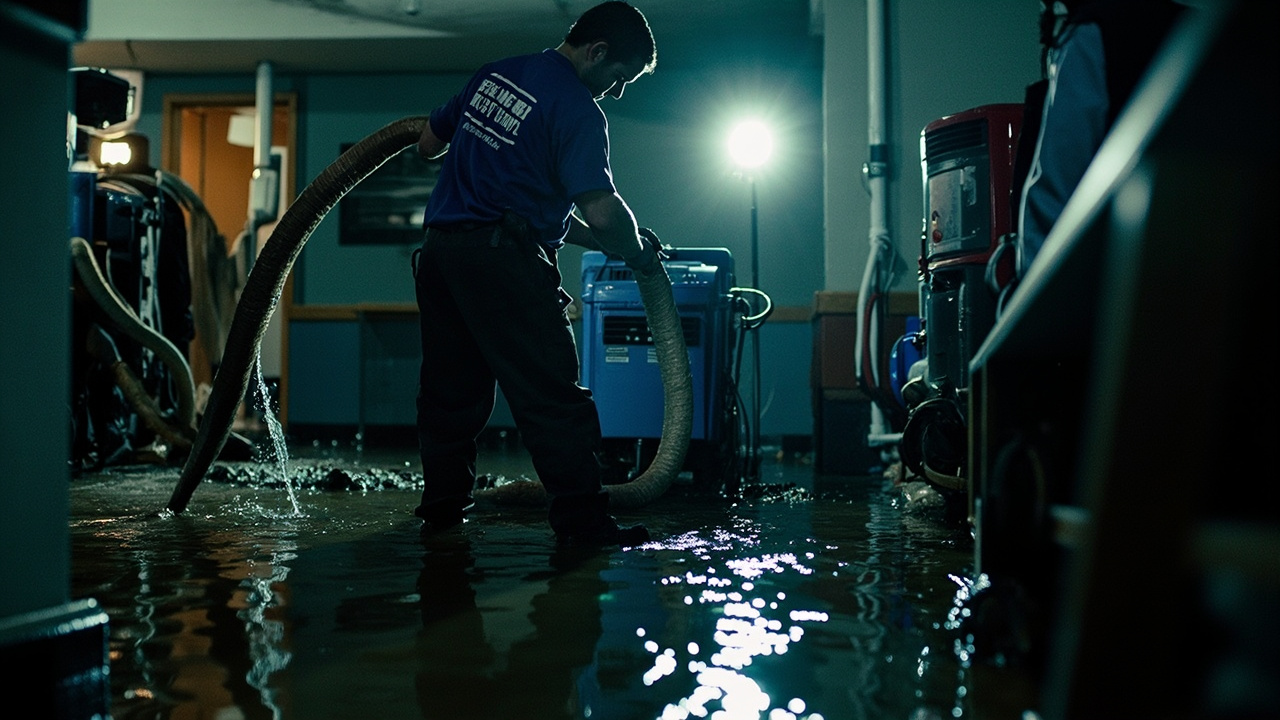

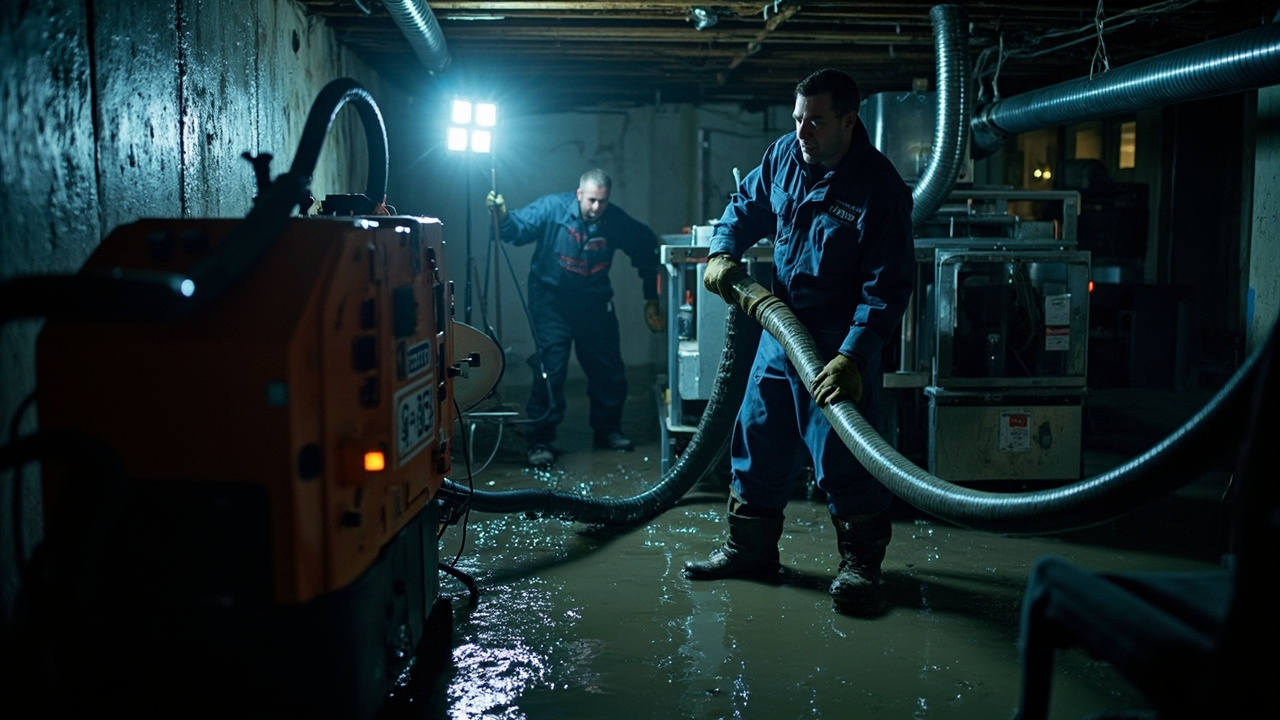
Minneapolis averages 54 inches of snowfall annually. When March temperatures spike above 40 degrees, that snow melts faster than frozen ground can absorb it. Water sheets across frozen lawns, pools against foundations, and infiltrates through basement window wells and foundation cracks. The clay-heavy soil composition throughout Hennepin County makes this worse. Clay absorbs water slowly but retains it aggressively, creating sustained hydrostatic pressure against basement walls for weeks after surface flooding recedes. This pressure forces water through mortar joints and foundation seams, flooding basements days after the initial melt event ends. Rapid response flood extraction becomes critical because delayed water removal allows repeated infiltration as ground saturation remains high throughout April and May.
Liberty Water Damage Restoration Riverside operates under Minnesota Department of Health guidelines for emergency water removal and microbial remediation. We maintain certifications in water damage restoration and understand Minneapolis building code requirements for structural drying documentation. Local insurance adjusters recognize our reports because we follow standardized documentation protocols they require for claim approval. We also understand neighborhood-specific flood patterns, from the Bassett Creek flooding that impacts North Minneapolis to the Minnehaha Creek surges affecting Nokomis and Hiawatha. This local knowledge allows us to respond with equipment appropriate to your specific flood scenario, whether you face a burst pipe or a foundation breach from snowmelt saturation. Choosing a local restoration company means working with technicians who have extracted floodwater from properties like yours dozens of times before.


