Repairing Interior Water Damage from Ice Dams in Minnetonka
When ice dams form on Minnetonka roofs during Minnesota winters, they create a perfect storm for interior water damage. The freeze-thaw cycles common to Hennepin County push melting snow under shingles, causing ceiling stains, wall damage, and potential mold growth. Our team responds 24/7 to stop the leak, dry the structure, and restore your home using IICRC S500 standards for water mitigation. IICRC S500 Standards.
24/7 Emergency Ice Dam Response in Minnetonka
Ice dams don’t wait for business hours. When you notice water dripping from ceiling fixtures or bubbling paint on walls, every minute counts. Our emergency crews arrive within 60 minutes to Glen Lake, Groveland, and all Minnetonka zip codes 55305, 55343, and 55345. We immediately deploy thermal imaging cameras to locate hidden moisture pockets behind drywall and in attic insulation.. Read more about Emergency Attic Leak Repair and Ceiling Restoration in Whittier.
The diagnostic process starts with moisture mapping using penetrating meters at multiple depths. We check for elevated readings in ceiling joists, wall studs, and flooring systems. This data creates a moisture profile that guides our drying strategy and helps document damage for insurance claims.
Common ice dam damage patterns in Minnetonka include water pooling behind built-in bookshelves, soaking into hardwood flooring near exterior walls, and creating ceiling stains in upper-level bathrooms where poor ventilation already exists. The heavy snowfall and rapid temperature swings in the Twin Cities metro create ideal conditions for these failures.
Our Minnetonka Ice Dam Restoration Process
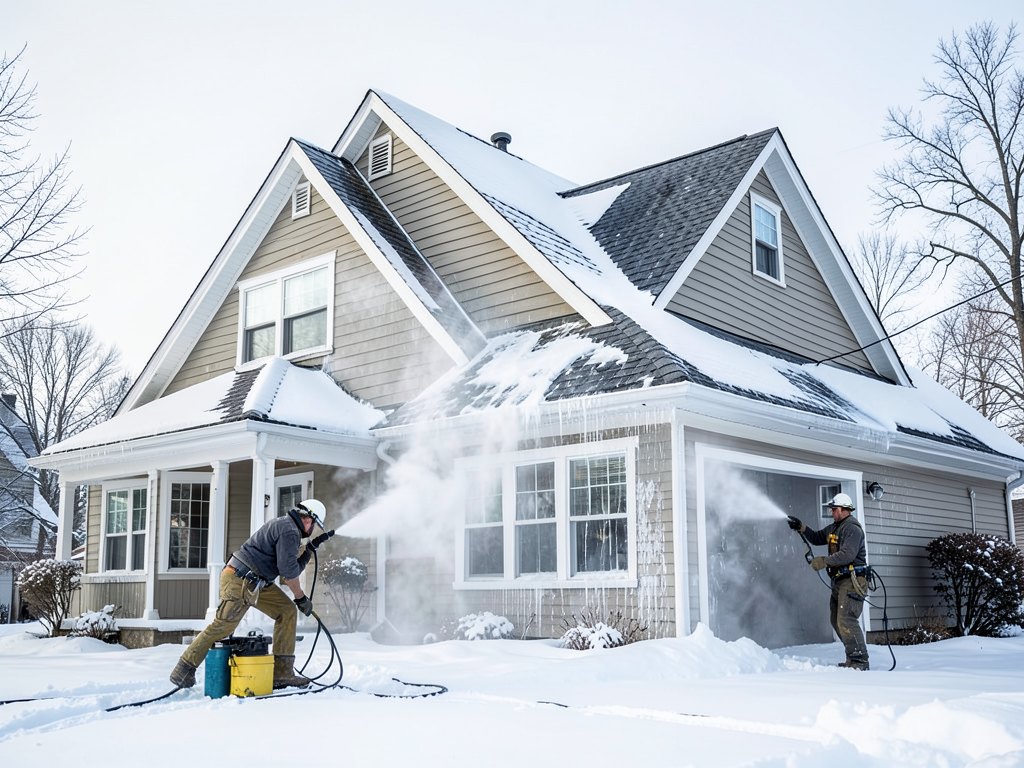
Our restoration process follows a systematic approach developed for Minnesota’s climate challenges. First, we secure the source by removing the ice dam using low-pressure steam equipment that won’t damage asphalt shingles common in Minnetonka neighborhoods. Unlike chipping methods that can tear roofing materials, steaming melts the ice safely.
Water extraction comes next. We use weighted extraction tools to pull moisture from saturated carpets and padding. For hardwood floors showing cupping or crowning, we employ specialized drying mats that create negative pressure to draw water from beneath the surface.
Structural drying involves placing industrial-grade LGR (Low Grain Refrigerant) dehumidifiers and high-velocity air movers strategically throughout the affected area. We monitor progress daily using moisture meters, documenting readings until materials return to normal moisture content levels.
Antimicrobial treatment prevents mold growth in the 24-48 hour window when spores begin to colonize damp materials. We apply EPA-registered antimicrobials to all affected surfaces, including areas behind removed baseboards and under lifted carpet edges. EPA Mold Guidelines.
Final restoration includes replacing damaged drywall, repainting with moisture-resistant paint, and reinstalling flooring materials. Throughout the process, we maintain detailed documentation for insurance adjusters, including moisture maps, drying logs, and before/after photographs.
Professional Ice Dam Removal: Steam vs. Chipping
Many Minnetonka homeowners attempt to remove ice dams themselves using hammers, chisels, or chemical de-icers. These methods often cause more damage than the original ice dam. Hammering can shatter shingles and create new leak points. Chemical de-icers can corrode metal flashing and kill surrounding vegetation.
Professional steam removal uses specialized equipment that produces steam at 300°F under low pressure. The steam melts ice without physical contact, preserving roofing materials. Our technicians wear insulated gear and work from roof anchors for safety on steep Minnetonka roof pitches common in Glen Lake and Groveland areas.
The steaming process typically takes 2-4 hours for an average home, compared to 30 minutes for destructive chipping methods. However, the protection of your roofing investment makes the time difference worthwhile. Steam removal also prevents the secondary damage that occurs when ice chunks fall onto decks, landscaping, or parked vehicles below.
After ice dam removal, we apply calcium chloride socks along roof edges to prevent immediate re-formation. These socks create channels for water drainage while the underlying causes are addressed through attic improvements.
Navigating Insurance Claims for Ice Dam Damage in Hennepin County
Most homeowners insurance policies cover sudden and accidental water damage from ice dams, but the claims process requires proper documentation. Our team works directly with insurance adjusters to provide the technical data they need to approve your claim.
We create detailed moisture maps showing affected areas, take infrared photos documenting temperature variations that indicate moisture, and provide drying logs that prove professional mitigation was performed. This documentation often results in faster claim approvals and more comprehensive coverage.
For homes near Lake Minnetonka, we understand the additional challenges of high humidity and lake-effect snow that can complicate drying times. We adjust our equipment deployment and monitor humidity levels more frequently in these locations.
Our insurance specialists can explain your policy coverage, help you understand your deductible, and provide accurate estimates for the restoration work needed. We coordinate with both you and your adjuster to ensure all necessary repairs are included in the claim.
Common claim issues we help resolve include disputes over secondary damage claims, coverage for preventive measures like improved attic ventilation, and documentation of personal property damage from ceiling leaks.
Preventing Future Ice Dams in Minnetonka Homes
Ice dam prevention requires addressing the root cause: heat escaping from your living space into the attic. Minnetonka homes built before 2000 often lack adequate attic insulation and ventilation compared to current Minnesota Energy Code requirements.
Attic insulation upgrades to R-49 or higher prevent heat transfer to the roof deck. We recommend blown-in cellulose or fiberglass batts, depending on your attic configuration. For homes with existing vermiculite insulation, we follow EPA guidelines for safe removal and replacement.
Attic bypasses are often overlooked sources of heat loss. These include gaps around plumbing vents, electrical penetrations, and recessed light fixtures. We use infrared cameras to identify these thermal leaks and seal them with spray foam or fire-rated caulking.
Proper ventilation requires both intake vents in the soffits and exhaust vents near the ridge. The balance between these systems creates continuous airflow that keeps the roof deck cold. For complex roof designs common in Minnetonka’s older neighborhoods, we may recommend powered attic ventilators or specialized ridge vent systems.
Roof edge heating cables can provide additional protection for problem areas, but they work best as part of a comprehensive solution rather than a standalone fix. We install commercial-grade cables with thermostatic controls that activate only when temperatures drop below freezing.
Regular roof maintenance, including cleaning gutters before winter and removing leaves from valleys, reduces the conditions that lead to ice dam formation. We recommend annual inspections to identify potential problem areas before they cause damage.
Comparing Ice Dam Removal Methods
| Method | Cost Range | Risk to Roof | Time Required | Best For |
|---|---|---|---|---|
| Professional Steam | $400-800 | Very Low | 2-4 hours | Residential homes |
| Roof Raking | $150-300 | Low | 30-60 minutes | Early intervention |
| Chemical De-icers | $50-150 | High | 24+ hours | Small areas only |
| DIY Chipping | $0-50 | Very High | 1-3 hours | Not recommended |
Common Ice Dam Damage Scenarios in Minnetonka
- Ceiling Water Intrusion – Water travels along rafters and drips through light fixtures or ceiling joints, creating stains and potential electrical hazards.
- Wall Damage – Moisture wicks up exterior walls, causing paint blistering, drywall deterioration, and potential insulation damage.
- Floor Buckling – Water seeps under hardwood flooring, causing cupping, crowning, or complete floor failure in severe cases.
- Mold Development – Within 24-48 hours, damp materials become breeding grounds for mold spores, especially in poorly ventilated areas.
- Electrical System Issues – Water infiltration near outlets, switches, or junction boxes creates shock and fire hazards requiring immediate attention.
Why Minnetonka Homes Are Vulnerable to Ice Dams
Minnetonka’s combination of heavy lake-effect snowfall and temperature fluctuations creates perfect ice dam conditions. The area receives 50-60 inches of snow annually, with January temperatures often cycling above and below freezing.
Many homes in the Glen Lake and Groveland areas were built during the 1970s and 1980s when building codes required less insulation than current standards. These homes typically have attic insulation values of R-19 to R-25, compared to the current Minnesota code requirement of R-49.
The architectural style common in Minnetonka, with complex roof lines, multiple valleys, and varying roof pitches, creates natural collection points for snow and ice. These design features, while aesthetically pleasing, complicate proper ventilation and increase ice dam risk.
Soil conditions in Hennepin County, with high clay content, affect foundation drainage and can contribute to basement moisture issues that indirectly impact attic humidity levels. Poor exterior drainage leads to higher indoor humidity, which escapes into attics and contributes to ice dam formation.
The Minnesota Department of Labor and Industry building codes require ice and water shield extending at least 24 inches past the exterior wall line on all roof edges. However, many older Minnetonka homes were built before this requirement, leaving them more vulnerable to ice dam damage.
Emergency Response Checklist for Ice Dam Damage
When you discover ice dam water damage, follow these steps while waiting for professional help:
- Move furniture and valuables away from affected areas
- Place buckets or towels to catch dripping water
- Turn off electricity to affected rooms if water is near outlets
- Document damage with photos for insurance purposes
- Avoid walking on snow-covered roofs or attempting DIY removal
Never use electrical appliances in wet areas or attempt to break ice dams with sharp tools. These actions often cause more damage than the original problem.
Frequently Asked Questions
How long does it take to repair ice dam water damage?
Most ice dam water damage repairs take 3-7 days, depending on the extent of damage and drying requirements. Emergency water extraction and containment happen within hours, while complete structural drying may require several days of monitoring and equipment operation.
Will my homeowners insurance cover ice dam damage?
Yes, most standard homeowners insurance policies cover sudden and accidental water damage from ice dams. However, coverage details vary by policy, and some insurers may require proof of preventive maintenance or upgrades to qualify for full coverage.
Can I prevent ice dams without replacing my roof?
Absolutely. Most ice dams result from heat escaping into the attic rather than roofing material failure. Improving attic insulation, sealing air leaks, and ensuring proper ventilation often eliminates ice dams without roof replacement.
How do I know if I have hidden water damage from an ice dam?
Look for ceiling stains, wall discoloration, musty odors, or buckling floors near exterior walls. Professional moisture detection using thermal imaging and moisture meters can identify hidden damage behind walls and under flooring before it becomes visible.
What’s the difference between Category 1 and Category 3 water damage?
Category 1 water is clean water from sources like broken pipes or ice dams. Category 3 water is contaminated, such as sewage or flood water. Ice dam damage is typically Category 1, but can become Category 2 if left untreated for more than 48-72 hours.
Trust the Experts Who Know Minnetonka
With 15+ years serving the Twin Cities metro, we understand the unique challenges Minnetonka homeowners face during Minnesota winters. Our technicians are trained in the latest IICRC S500 water damage restoration standards and use commercial-grade equipment to ensure thorough drying and restoration.
We’re not a national franchise following generic protocols. We’re your neighbors who understand that Glen Lake homes need different solutions than downtown Minneapolis lofts. Our emergency response teams are stationed throughout Hennepin County for rapid deployment when ice dams strike.
Don’t let ice dam damage compromise your home’s structural integrity or your family’s health. Call (651) 677-5055 today to schedule your inspection or emergency response. Our team is ready 24/7 to protect your Minnetonka home from water damage.
Pick up the phone and call (651) 677-5055 before the next storm hits. Ice dams won’t wait, and neither should you.
You may also find this helpful. Frozen Pipe Burst Cleanup and Restoration in Plymouth.
{
“@context”: “https://schema.org”,
“@type”: “BlogPosting”,
“headline”: “Repairing Interior Water Damage from Ice Dams in Minnetonka”,
“description”: “Fast ice dam water damage repair in Minnetonka. Emergency response, expert restoration, and prevention for homes in Glen Lake, Groveland, and surrounding areas.”,
“wordCount”: 1907,
“datePublished”: “2026-02-20T07:53:00.000Z”,
“dateModified”: “2026-02-20T07:53:00.000Z”,
“inLanguage”: “en-US”,
“mainEntityOfPage”: {
“@type”: “WebPage”,
“@id”: “https://pioneerwaterdamagerestorationminneapolis.com”
},
“publisher”: {
“@type”: “LocalBusiness”,
“name”: “Pioneer Water Damage Restoration Minneapolis”,
“url”: “https://pioneerwaterdamagerestorationminneapolis.com”
},
“author”: {
“@type”: “Organization”,
“name”: “Pioneer Water Damage Restoration Minneapolis”,
“url”: “https://pioneerwaterdamagerestorationminneapolis.com”
},
“image”: {
“@type”: “ImageObject”,
“url”: “https://pioneerwaterdamagerestorationminneapolis.com/wp-content/uploads/2026/03/repairing-interior-water-damage-from-ice-dams-in-m-1.png”
}
}
{
“@context”: “https://schema.org”,
“@type”: “LocalBusiness”,
“name”: “Pioneer Water Damage Restoration Minneapolis”,
“url”: “https://pioneerwaterdamagerestorationminneapolis.com”,
“address”: {
“@type”: “PostalAddress”,
“addressLocality”: “Minneapolis”
},
“areaServed”: {
“@type”: “City”,
“name”: “Minneapolis”
}
}
{
“@context”: “https://schema.org”,
“@type”: “FAQPage”,
“mainEntity”: [
{
“@type”: “Question”,
“name”: “How long does it take to repair ice dam water damage?”,
“acceptedAnswer”: {
“@type”: “Answer”,
“text”: “Most ice dam water damage repairs take 3-7 days, depending on the extent of damage and drying requirements. Emergency water extraction and containment happen within hours, while complete structural drying may require several days of monitoring and equipment operation.”
}
},
{
“@type”: “Question”,
“name”: “Will my homeowners insurance cover ice dam damage?”,
“acceptedAnswer”: {
“@type”: “Answer”,
“text”: “Yes, most standard homeowners insurance policies cover sudden and accidental water damage from ice dams. However, coverage details vary by policy, and some insurers may require proof of preventive maintenance or upgrades to qualify for full coverage.”
}
},
{
“@type”: “Question”,
“name”: “How do I know if I have hidden water damage from an ice dam?”,
“acceptedAnswer”: {
“@type”: “Answer”,
“text”: “Look for ceiling stains, wall discoloration, musty odors, or buckling floors near exterior walls. Professional moisture detection using thermal imaging and moisture meters can identify hidden damage behind walls and under flooring before it becomes visible.”
}
},
{
“@type”: “Question”,
“name”: “What’s the difference between Category 1 and Category 3 water damage?”,
“acceptedAnswer”: {
“@type”: “Answer”,
“text”: “Category 1 water is clean water from sources like broken pipes or ice dams. Category 3 water is contaminated, such as sewage or flood water. Ice dam damage is typically Category 1, but can become Category 2 if left untreated for more than 48-72 hours.”
}
}
]
}
{
“@context”: “https://schema.org”,
“@type”: “BreadcrumbList”,
“itemListElement”: [
{
“@type”: “ListItem”,
“position”: 1,
“name”: “Home”,
“item”: “https://pioneerwaterdamagerestorationminneapolis.com”
},
{
“@type”: “ListItem”,
“position”: 2,
“name”: “Blog”,
“item”: “https://pioneerwaterdamagerestorationminneapolis.com/blog”
},
{
“@type”: “ListItem”,
“position”: 3,
“name”: “Repairing Interior Water Damage from Ice Dams in Minnetonka”
}
]
}
{
“@context”: “https://schema.org”,
“@type”: “Service”,
“serviceType”: “Water Damage Restoration”,
“provider”: {
“@type”: “LocalBusiness”,
“name”: “Pioneer Water Damage Restoration Minneapolis”,
“url”: “https://pioneerwaterdamagerestorationminneapolis.com”
},
“areaServed”: {
“@type”: “City”,
“name”: “Minneapolis”
},
“description”: “Fast ice dam water damage repair in Minnetonka. Emergency response, expert restoration, and prevention for homes in Glen Lake, Groveland, and surrounding areas.”
}