



menu

Sanitization & Odor Removal in Minneapolis – Complete Antimicrobial Treatment After Water Damage

Liberty Water Damage Restoration Riverside delivers professional sanitization and odor removal using hospital-grade antimicrobial protocols designed to eliminate bacteria, mold spores, and persistent odors from contaminated structures across the Minneapolis metro.

Slider Image 1
Slider Image 2
Slider Image 3
Slider Image 4
Slider Image 5
Slider Image 7
Slider Image 8
Slider Image 9
Slider Image 10
Slider Image 11

Why Minneapolis Water Damage Creates Hidden Health Risks

Water damage in Minneapolis does not stop when the moisture is gone. The city's humid summer climate and freeze-thaw cycles create conditions where bacteria, mold, and mildew thrive in hidden cavities long after visible water disappears. Basements flooded by Mississippi River backups or storm sewer overflows carry sewage, chemical runoff, and organic contaminants that embed in porous materials.

You may notice musty odors in crawl spaces or damp smells in finished basements weeks after a water event. These are warning signs of microbial colonization. Standard cleaning does not address the problem. Odor control services require targeted disinfection and deodorization to neutralize bacteria at the molecular level.

Minneapolis homes built before 1970 often feature horsehair plaster, older wood framing, and foundation stone that absorbs contaminated water like a sponge. When Category 2 or Category 3 water infiltrates these materials, sanitizing and deodorizing becomes a technical process that requires antimicrobial treatment, not just air fresheners.

Liberty Water Damage Restoration Riverside understands the specific contamination risks in the Twin Cities metro. We address the biological hazards you cannot see and the odors you cannot ignore. Our odor abatement protocols target the source, not just the symptom, ensuring your property is safe for occupancy and free from lingering health risks.

Why Minneapolis Water Damage Creates Hidden Health Risks
How Professional Antimicrobial Treatment Works

How Professional Antimicrobial Treatment Works

Effective sanitization requires more than spraying a disinfectant. We use a layered approach that combines surface decontamination, air purification, and material treatment to eliminate pathogens and odor-causing compounds.

First, we identify contamination zones using moisture meters and thermal imaging. Water that contacts soil, sewage, or exterior debris introduces coliform bacteria, endotoxins, and fungal spores. We classify the contamination level and select EPA-registered antimicrobial agents appropriate for the microbial load.

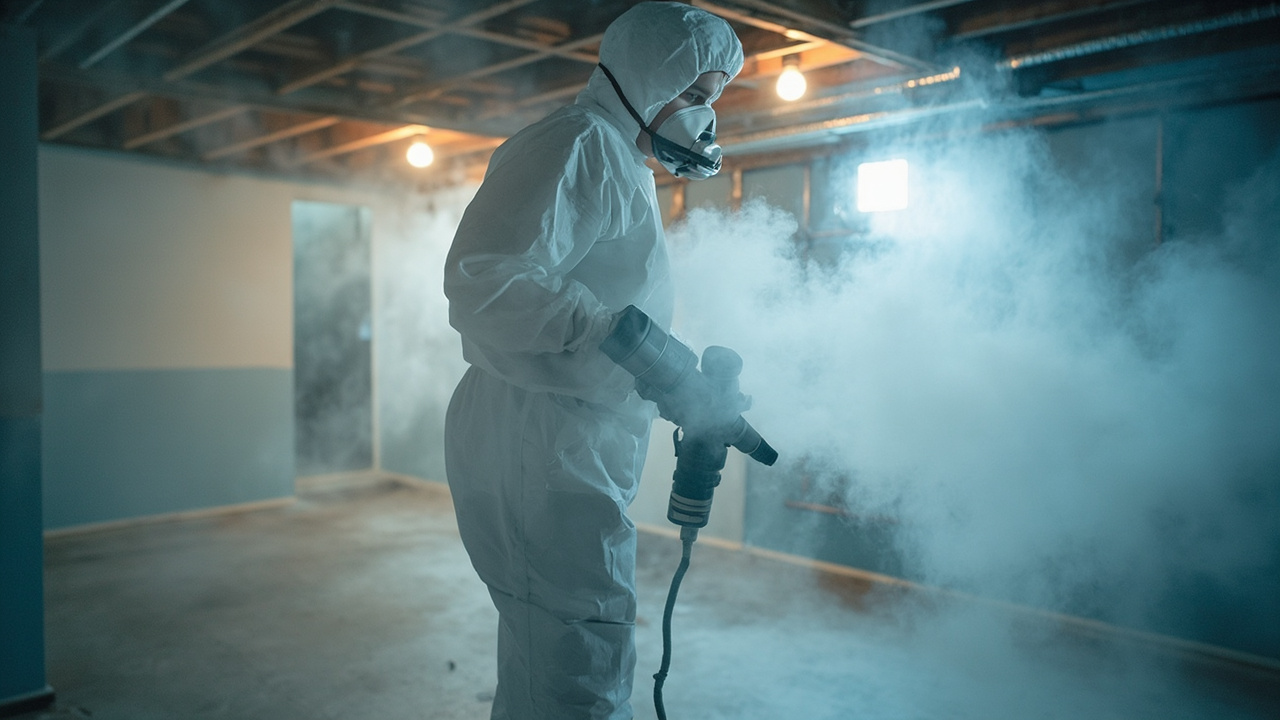
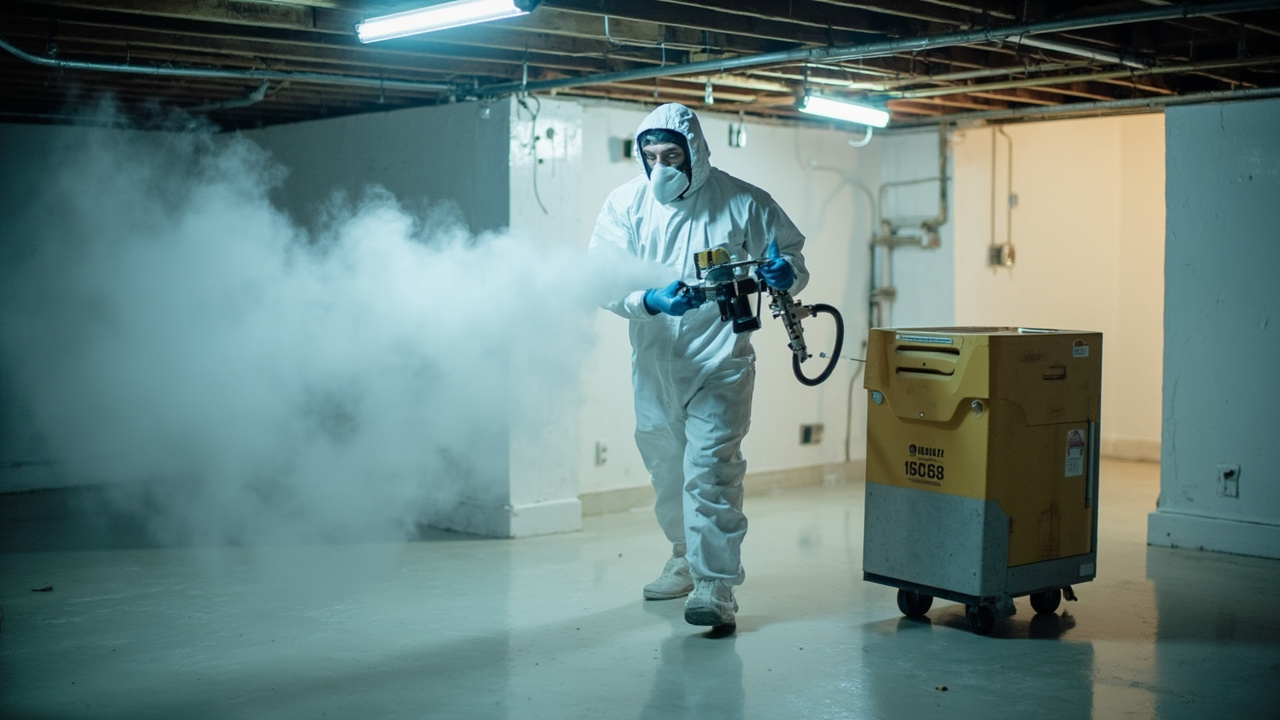
Next, we apply hospital-grade disinfectants using electrostatic sprayers that coat surfaces at the molecular level. This technology ensures coverage on irregular surfaces like floor joists, subflooring, and stud cavities where mold and bacteria colonize. We target high-risk zones including HVAC plenums, wall cavities, and basement sump areas.

For odor abatement, we deploy hydroxyl generators and ozone machines depending on occupancy status. Hydroxyl technology breaks down odor molecules through advanced oxidation while allowing safe occupancy. Ozone treatment, used in unoccupied spaces, oxidizes odor compounds embedded in porous materials like concrete and insulation.

We also treat affected materials with encapsulants and sealers that prevent future microbial growth. This is critical in Minneapolis homes with fieldstone foundations or unfinished basements where moisture wicks through porous substrates.

Liberty Water Damage Restoration Riverside does not mask odors. We eliminate the microbial source, treat affected materials, and verify results using ATP testing and air quality sampling to confirm biological load reduction.

What Happens During Professional Odor Removal

Sanitization & Odor Removal in Minneapolis – Complete Antimicrobial Treatment After Water Damage
01

Contamination Assessment

We begin by mapping contamination zones using moisture detection and thermal imaging to locate hidden water intrusion. Every affected material is categorized by contamination level. Category 3 water, such as sewage backups common in older Minneapolis neighborhoods, requires aggressive antimicrobial protocols. We document findings with photos and moisture readings to establish a baseline for odor control services.
02

Antimicrobial Application

We apply EPA-registered disinfectants using electrostatic sprayers that ensure complete surface coverage on framing, subflooring, and wall cavities. High-touch zones and porous materials receive concentrated treatment. For persistent odors, we deploy hydroxyl generators or ozone machines depending on your occupancy schedule. These systems oxidize odor molecules at the molecular level, eliminating smells embedded in concrete, wood, and insulation common in Minneapolis construction.
03

Verification and Clearance

After treatment, we verify microbial reduction using ATP surface testing and air quality sampling. These tools measure biological load and confirm that bacteria and mold spore counts meet safe occupancy standards. We provide documentation showing pre-treatment and post-treatment results. You receive a written clearance report confirming your property is sanitized, deodorized, and safe for use. This documentation is critical for insurance claims and resale disclosures.

Why Minneapolis Property Owners Choose Liberty Water Damage Restoration Riverside

Sanitization is not a one-size-fits-all service. Minneapolis properties face unique contamination challenges due to aging infrastructure, clay soil that shifts foundations, and humid summer conditions that accelerate microbial growth. We tailor our disinfection and deodorization protocols to the specific building materials and contamination sources common in the Twin Cities metro.

Homes in neighborhoods like Longfellow, Powderhorn, and Standish often feature pier and beam foundations with crawl spaces that trap moisture and organic debris. Older buildings near the Mississippi River or urban lakes experience groundwater intrusion that carries silt and biological contaminants. We understand how these environmental factors impact sanitization requirements.

Our technicians are trained in IICRC S500 and S520 standards for water damage restoration and antimicrobial treatment. We do not use generic cleaning products. We select EPA-registered disinfectants proven effective against the bacteria, mold, and viruses present in contaminated water. This includes E. coli, Stachybotrys, and other pathogens common in Category 2 and Category 3 water events.

We also coordinate with Minneapolis building inspectors and health departments when required for commercial properties or multi-unit buildings. Our documentation meets Minnesota Department of Health standards for microbial remediation and odor abatement.

Liberty Water Damage Restoration Riverside operates with transparency. We explain the contamination source, the treatment protocol, and the expected outcome. You receive detailed reports, air quality data, and photos showing the sanitization process from start to clearance.

Choosing local expertise means working with a team that understands Minneapolis construction, local codes, and the environmental factors that make sanitization complex in this region.

What to Expect During Sanitization and Odor Removal

Response Time and Scheduling

We respond within hours to emergency sanitization requests, particularly after sewage backups or flooding from storm events. Our team operates 24/7 to address contamination that poses immediate health risks. For non-emergency odor removal, we schedule within 24 to 48 hours. Treatment timelines depend on contamination severity and square footage. Small residential jobs typically complete in one to two days. Large commercial properties or multi-level buildings may require three to five days for full antimicrobial treatment and air purification. We provide a detailed timeline during the initial assessment.

Initial Inspection and Testing

Our technicians perform a comprehensive contamination assessment using moisture meters, thermal imaging, and visual inspection. We identify all affected materials, classify water contamination levels, and measure odor intensity. For complex cases, we conduct air quality sampling and surface swabs to identify specific microbial species. This data informs our treatment protocol. You receive a written report with photos, moisture maps, and recommended antimicrobial treatments. We explain the contamination source, health risks, and why specific disinfection methods are necessary. This transparency ensures you understand the scope and purpose of every step.

Final Results and Air Quality

After treatment, your property will be free from microbial contamination and persistent odors. We verify results using ATP testing and air quality sampling to confirm bacteria and mold spore counts meet safe occupancy standards. Surfaces are disinfected, air is purified, and porous materials are treated or removed. You receive a clearance report with pre-treatment and post-treatment data showing microbial reduction. This documentation is critical for insurance claims, tenant occupancy, and future resale. The result is a property that is not just dry, but biologically safe and odor-free.

Post-Treatment Support and Monitoring

We provide guidance on preventing future contamination, including moisture control strategies and ventilation improvements. For properties with recurring odor issues, we recommend follow-up air quality testing at 30 and 90 days to confirm long-term microbial control. Our team remains available for questions or concerns after project completion. If odors return due to hidden moisture sources, we investigate at no additional diagnostic charge. We stand behind our sanitization work and ensure your property remains safe and odor-free. This commitment to follow-up separates professional odor abatement from surface-level cleaning.

Frequently Asked Questions

You Have Questions,
We Have Answers

What is the most powerful odor eliminator? +

The most effective odor eliminators work at the molecular level, not just masking smells. Hydroxyl generators and thermal fogging equipment break down odor molecules completely. For residential use in Minneapolis, enzyme cleaners target organic compounds like pet waste or food spills. Activated charcoal absorbs airborne particles. Professional restoration companies use ozone machines for severe cases, though you must vacate during treatment. Avoid air fresheners or sprays that only cover up smells temporarily. The right eliminator depends on the source: smoke, mold, sewage, or decay. Each requires a different approach to neutralize odors permanently.

What do nursing homes use to get rid of urine smell? +

Nursing homes use enzymatic cleaners that break down uric acid crystals causing persistent urine odors. These bio-enzymatic solutions digest organic material at the source rather than masking the smell. Many facilities also use hospital-grade disinfectants with odor neutralizers. Air scrubbers with HEPA filters circulate in common areas. For Minneapolis nursing homes dealing with winter humidity fluctuations, moisture control is critical because urine odors intensify in damp conditions. Staff often apply encapsulants to seal porous surfaces like concrete or grout where urine has soaked in. Regular deep cleaning with extraction equipment prevents buildup in carpets and upholstery.

How do I permanently get rid of a bad smell in my house? +

Permanent odor removal requires finding and eliminating the source, not covering it. Check for hidden mold in basements, common in older Minneapolis homes with foundation moisture. Inspect HVAC ducts for debris or rodent nests. Remove contaminated materials like water-damaged drywall or carpet padding that trap odors. Clean all surfaces with appropriate solutions: enzyme cleaners for organic smells, vinegar for mildew, TSP for smoke. Use a dehumidifier to control moisture that feeds mold growth. If odors persist after cleaning, hire a restoration professional with thermal imaging to locate hidden contamination behind walls or under flooring.

What do nurses use to block smells? +

Nurses commonly use mentholated ointments like Vicks VapoRub under their noses to block strong odors during patient care. Some apply peppermint or eucalyptus essential oils to masks. Medical-grade activated charcoal masks filter airborne particles in extreme situations. Many nurses keep scented hand sanitizer or lotion nearby for quick relief. However, these are temporary barriers. Professional healthcare facilities rely on proper ventilation, negative air pressure in isolation rooms, and antimicrobial treatments to control odors at the source. Personal masking techniques only provide short-term relief during direct patient contact or procedures.

What kills all smells? +

No single product kills all smells because different odors require different chemistry. Ozone generators oxidize organic molecules but require evacuation. Hydroxyl generators work similarly but are safer for occupied spaces. Enzyme cleaners digest biological material like pet waste or food. Activated charcoal absorbs airborne particles. Baking soda neutralizes acidic odors. For Minneapolis homes with smoke damage from winter fireplace use or sewage backups from frozen pipes, professional thermal fogging penetrates porous materials. The key is matching the treatment to the odor source: biological, chemical, or particulate. Professional assessment ensures you use the right approach.

What do hotels use to make the room smell good? +

Hotels use commercial HVAC scent diffusion systems that disperse signature fragrances through air ducts. Many rely on cold-air diffusers that convert essential oil blends into dry vapor without heat or water. Housekeeping uses microencapsulated fabric refreshers that release scent gradually. High-end properties employ ozone treatments between guests to eliminate lingering odors before adding pleasant fragrances. The goal is a clean, neutral base, then light scenting. Minneapolis hotels also focus on moisture control since humidity intensifies any smell. They avoid heavy air fresheners that suggest covering up problems. Professional laundering with ozone-infused systems keeps linens fresh.

What is the old lady's smell called? +

The smell associated with aging is called nonenal. This organic compound increases after age 40 when skin produces more fatty acids that oxidize. The breakdown creates a greasy, grassy odor that clings to fabrics and surfaces. It intensifies in enclosed spaces with poor ventilation. While not a health concern, nonenal is persistent. Regular cleaning of bedding, upholstery, and clothing helps. Enzyme-based laundry detergents break down the fatty acid residue better than standard cleaners. Improving airflow reduces concentration. In Minneapolis homes with closed windows during winter, the smell becomes more noticeable without fresh air circulation.

How do professionals remove urine smells? +

Professional urine odor removal starts with moisture meters and UV lights to locate all contaminated areas, including padding and subfloors. Technicians extract liquid with truck-mounted equipment, then apply enzyme treatments that digest uric acid crystals causing the smell. For severe cases affecting wood subfloors common in older Minneapolis homes, they may seal surfaces with encapsulants or replace materials. Air scrubbers with HEPA filters remove airborne particles during drying. Professionals use hydroxyl generators to oxidize remaining odor molecules. The process takes multiple treatments because urine penetrates porous materials in layers that reactivate with humidity changes.

What do morticians use to block smells? +

Morticians use a combination of ventilation, embalming chemicals, and masking agents. Embalming fluid contains formaldehyde that preserves tissue and reduces decomposition odors. Facilities maintain negative air pressure to contain smells within preparation rooms. Industrial air scrubbers with activated charcoal filters process exhaust air. Staff apply mentholated ointments or wear respirators during procedures. Between services, morticians use hospital-grade disinfectants and ozone treatments to sanitize spaces. Professional death scene cleanup in Minneapolis requires similar protocols: removing contaminated materials, applying enzyme treatments, and using hydroxyl generators to break down organic compounds that cause decay odors.

What absorbs bad smells in a house? +

Activated charcoal absorbs odors most effectively because its porous structure traps molecules. Place bowls of charcoal or baking soda in problem areas. Fresh coffee grounds absorb kitchen smells. White vinegar neutralizes alkaline odors. For Minneapolis homes, address moisture first because humidity carries and intensifies smells. Run dehumidifiers in basements prone to dampness from groundwater or spring thaws. Clean or replace HVAC filters monthly. Houseplants like snake plants filter air naturally. However, absorption only works for mild odors. If smells persist, the source needs professional treatment. Absorbers are maintenance tools, not solutions for water damage, mold, or sewage contamination.

How Minneapolis Humidity and Aging Infrastructure Complicate Odor Removal

Minneapolis experiences summer humidity levels that regularly exceed 70 percent, creating ideal conditions for mold and bacteria to colonize water-damaged materials. Homes built before 1950 often feature stone foundations, uninsulated crawl spaces, and minimal vapor barriers that allow groundwater intrusion and moisture accumulation. When basements flood due to Mississippi River backups or storm sewer overflows, contaminated water saturates porous materials like horsehair plaster, wood lath, and fieldstone. Standard drying does not address the microbial colonization that follows. Professional antimicrobial treatment is required to eliminate bacteria, neutralize odors, and prevent long-term health risks in structures built with materials that retain moisture and organic contaminants.

Liberty Water Damage Restoration Riverside understands the specific challenges of sanitizing older Minneapolis properties. We work with local building inspectors and health officials to ensure our odor abatement protocols meet Minnesota Department of Health standards for microbial remediation. Our familiarity with Twin Cities construction styles, from early 20th-century bungalows to mid-century split-levels, allows us to tailor disinfection strategies to the materials and design features common in the region. Choosing a local team means working with professionals who understand how Minneapolis weather, aging infrastructure, and soil conditions impact sanitization requirements. We deliver results that protect your health and preserve your property value.

Water Damage Restoration Services in The Minneapolis Area

Pioneer Water Damage Restoration Minneapolis is proud to be a dedicated, locally owned company centrally located to serve the entire metro area and surrounding communities. We invite you to view our service area on the map to confirm we cover your neighborhood, ensuring you receive the fastest possible emergency response whenever disaster strikes. Our commitment is always to our community’s property owners and their complete, timely recovery.

Address:
Pioneer Water Damage Restoration Minneapolis, 1330 Lagoon Ave, Minneapolis, MN, 55408

Additional Services We Offer

Our news updates

Latest Articles & News from The Blogs

Protecting Your White Bear Lake Mudroom From Melting Snow and Slush Damage Your mudroom takes the brunt of Minnesota winters.…

Protecting Your White Bear Lake Mudroom From Melting Snow and Slush Damage

Protecting Your White Bear Lake Mudroom From Melting Snow and Slush Damage Your mudroom takes the brunt of Minnesota winters.…

The Dangers of a Slow Refrigerator Water Line Leak in Your Oakdale Kitchen

The Dangers of a Slow Refrigerator Water Line Leak in Your Oakdale Kitchen A slow leak from your refrigerator water…

Stopping Rainwater Seepage Through Macalester-Groveland Stone Foundations

Stopping Rainwater Seepage Through Macalester-Groveland Stone Foundations Rainwater seeping through stone foundations in Macalester-Groveland is a common problem in older…

Contact Us

Do not let contamination and odors compromise your health or property value. Call Liberty Water Damage Restoration Riverside at (651) 677-5055 for immediate antimicrobial treatment and odor abatement. We respond fast, work thoroughly, and deliver results you can verify.