The Honest Truth About Saving Your Carpet After a Flood in Highland Park
Water floods your Highland Park home and your first thought is whether you can save the carpet. The answer depends on three things: what type of water flooded your home how long it sat and what lies beneath the carpet. Most carpet in Highland Park sits over concrete slabs or plywood subfloors that trap moisture. If clean water from a burst pipe touches your carpet and you act within 24-48 hours you have a strong chance of saving it. But if the water came from outside or a sewage backup saving the carpet is not just difficult it is unsafe. Dealing with Sewage Backup Cleanup in Your Bloomington Home.
Highland Park homes built before 1980 often have older plumbing prone to sudden failures. When a pipe bursts on a cold winter night water can spread across multiple rooms before you find the shutoff valve. That delay matters. Mold begins growing within 24-48 hours in our humid Minnesota summers and once it takes hold the carpet and pad must be removed for health reasons. Immediate Water Damage Mitigation for Downtown Minneapolis Businesses.
The first step is to stop the water source. Then you need to determine the water category. Clean water from a supply line is Category 1. Gray water from a washing machine or dishwasher is Category 2. Black water from a sewer backup or flooding river is Category 3. Only Category 1 water gives you a realistic shot at saving the carpet. Even then the pad underneath is often ruined because it acts like a sponge and traps moisture against the subfloor. Server Room Water Damage.
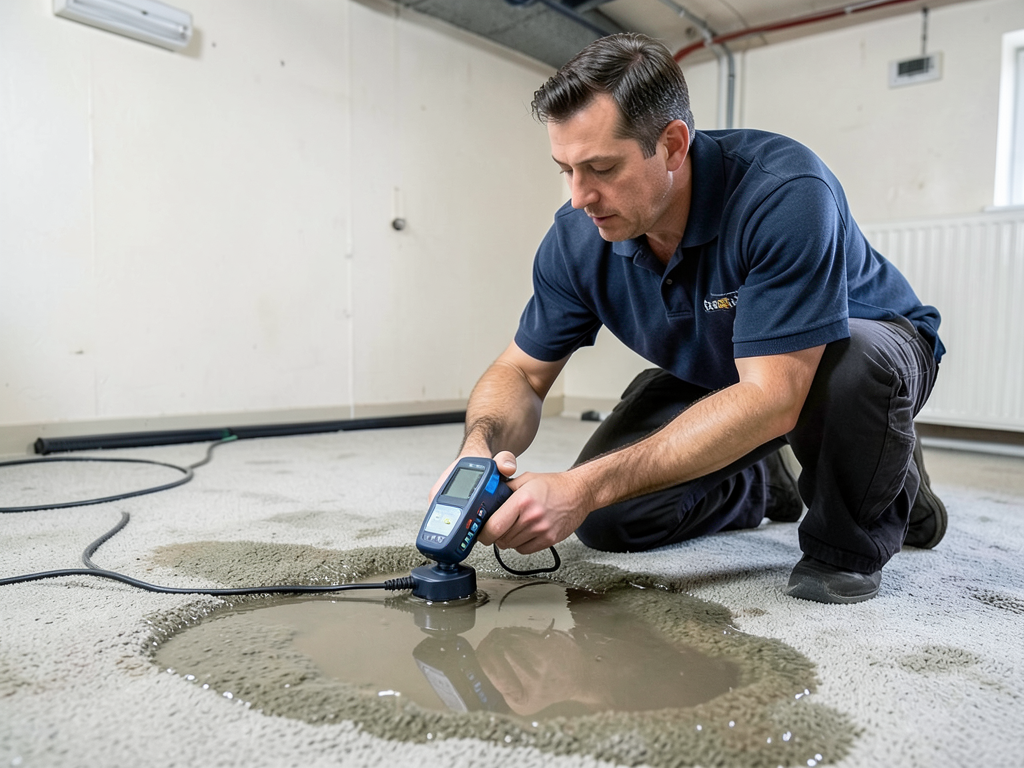
Time is your enemy. Every hour the carpet stays wet increases the risk of delamination where the backing separates from the fibers. Once delamination starts the carpet cannot be restored even if it looks dry on top. That is why professionals use moisture meters to test beneath the surface. If the subfloor reads above 16% moisture content drying the carpet alone will not stop the damage. Water Damage Restoration Rochester.
Highland Park’s clay-heavy soil and high water table mean basements here are especially vulnerable to groundwater seepage during spring thaws. A failed sump pump can flood a basement in minutes. In these cases even clean groundwater is treated as Category 3 because it likely contains bacteria and contaminants from the soil. Saving carpet after this type of flood is rarely possible.
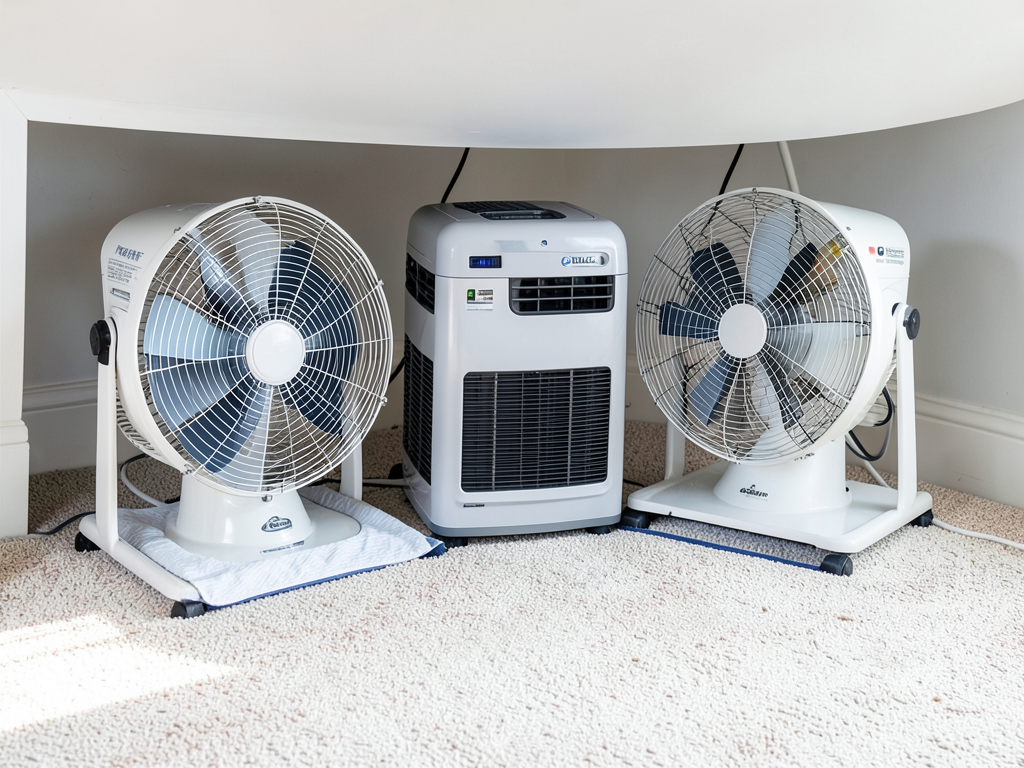
If you catch the flood early and the water is clean you can attempt DIY drying. Use a wet-dry vacuum to extract as much water as possible. Lift the carpet and remove the pad. Position industrial fans and a dehumidifier to create airflow under the carpet. Keep the room above 70 degrees and below 50% relative humidity. This process can take 24-72 hours depending on the extent of saturation.
But here is the truth most DIY articles skip: standard household fans and dehumidifiers rarely match the power of professional-grade equipment. Low-grain refrigerant (LGR) dehumidifiers can pull moisture from deep within the pad and subfloor. Without that level of drying you risk hidden mold growth that can spread through your HVAC system.
Professional restoration follows the IICRC S500 Standard which mandates specific drying goals based on material type and saturation level. Technicians test moisture content in multiple spots not just where the water was visible. They also apply antimicrobial treatments to prevent mold spores from colonizing. These steps are critical in Highland Park where summer humidity can slow natural evaporation. IICRC S500 Standard.
Cost is another factor. Replacing carpet in a standard 12×15 room can cost $800-$1500 installed. Professional water extraction and drying typically runs $500-$900 but only if the carpet is salvageable. If the pad is ruined or mold is present you will pay for removal disposal and new installation. Acting fast can mean the difference between a $500 service call and a $2000 replacement.
Insurance coverage varies. Most policies cover sudden pipe bursts but exclude groundwater flooding or sewer backups unless you carry specific endorsements. Document everything with photos before moving anything. Your adjuster will want to see the water source the affected areas and proof of mitigation steps.
If you are unsure about the water category or the extent of saturation call a professional immediately. In Highland Park (651) 677-5055 connects you to technicians who can test moisture levels on-site and give you a clear answer within the hour. Waiting even one extra day can turn a salvageable carpet into a health hazard.
Bottom line: clean water plus fast action plus proper drying equipment equals possible carpet salvation. Contaminated water plus delayed response equals guaranteed replacement. When in doubt pick up the phone and call (651) 677-5055 before the next storm hits.
Water Categories and Salvage Potential
| Water Category | Source Example | Health Risk | Salvage Potential |
|---|---|---|---|
| Category 1 | Burst clean water pipe | Low | Good if dried within 48 hours |
| Category 2 | Washing machine overflow | Moderate | Possible with cleaning and antimicrobial treatment |
| Category 3 | Sewer backup river flood | High | Discard carpet and pad for safety |
Step-by-Step How to Dry Wet Carpet Fast
- Stop the Water Source
Locate and shut off the main water valve or stop the external flooding.
- Extract Standing Water
Use a wet-dry vacuum to remove as much water as possible from the carpet surface.
- Lift and Remove Pad
Peel back the carpet and remove the wet pad underneath to expose the subfloor.
- Position Drying Equipment
Place industrial fans and an LGR dehumidifier to create airflow under the carpet.
- Test Moisture Levels
Use a moisture meter to check subfloor and carpet backing until readings drop below 16%.
- Apply Antimicrobial Treatment
Spray a professional-grade antimicrobial solution to prevent mold growth.
- Monitor for 24-72 Hours
Check equipment daily and rotate fans to ensure even drying.
Minneapolis Climate Considerations for Carpet Drying
Highland Park’s climate creates unique challenges for water damage restoration. In winter freezing temperatures can cause pipes to burst suddenly flooding your home with clean water. The cold air holds less moisture which can actually speed up evaporation if you can heat the space above 70 degrees. However if the power is out your drying options are limited.
Summer in Highland Park brings high humidity often above 70%. This moisture in the air slows evaporation and can cause mold to grow even when the carpet feels dry to the touch. Professional restorers use dehumidifiers that can reduce relative humidity to 30-40% creating conditions where water evaporates rapidly from carpet fibers and subfloor.
Spring snowmelt is another major risk factor. Highland Park’s proximity to the Mississippi River means groundwater levels can rise quickly when snow melts. Many homes here have sump pumps that fail during power outages leading to basement flooding. If your basement floods with groundwater the carpet is almost always a total loss due to contamination.
Fall brings its own risks. Falling leaves can clog exterior drains causing rainwater to back up into basements through window wells or foundation cracks. This type of flooding often involves Category 2 or 3 water making carpet replacement necessary.
The key to successful restoration in Highland Park is understanding these seasonal patterns and having a plan. Keep contact information for (651) 677-5055 saved in your phone. When water hits your carpet every hour counts.
DIY vs Professional Restoration When to Call for Help
- DIY Appropriate
Small area under 100 sq ft clean water source caught within 24 hours you have proper equipment.
- Professional Required
Large area contaminated water over 48 hours wet you lack industrial drying equipment or you see visible mold.
- Immediate Call
Sewer backup river flooding burst pipe in a multi-story home or if anyone in the home has respiratory issues.
The Hidden Danger The Carpet Pad and Subfloor
Most homeowners focus on the carpet surface but the real damage happens underneath. Carpet padding acts like a sponge absorbing water and holding it against the subfloor. Even if the carpet feels dry the pad can remain saturated for days or weeks.
In Highland Park many homes have concrete slab foundations. Concrete is porous and can wick moisture upward from the pad. This creates a perfect environment for mold to grow between the concrete and the pad even if the carpet surface looks fine.
Plywood subfloors present different risks. When wet plywood can swell warp and lose structural integrity. The adhesives in plywood can also break down when exposed to moisture for extended periods. If you can press a screwdriver into the subfloor and it sinks easily the material is compromised.
Moisture meters are essential for detecting these hidden problems. A professional meter can read moisture content through carpet and pad to the subfloor below. Readings above 16% indicate active drying is needed to prevent mold and structural damage.
Even after the carpet and pad are removed the subfloor may need treatment. Antimicrobial solutions can prevent mold growth in the wood or concrete. In severe cases sections of subfloor may need replacement to ensure the home is safe and structurally sound.
Cost Factors Restoration vs Replacement
The cost of water damage restoration in Highland Park varies based on several factors. The size of the affected area is the most obvious but water category and response time also play major roles.
For clean water damage caught early professional extraction and drying might cost $500-$900 for a typical room. This includes water removal antimicrobial treatment and 24-48 hours of drying with professional equipment.
If the pad is ruined or mold is present costs increase significantly. Pad replacement adds $200-$400. Mold remediation can add $1000-$3000 depending on the extent. In these cases replacement often becomes the more economical option. Expert Mold Remediation for Older Apartments in Uptown Minneapolis.
Insurance coverage can offset these costs but only for certain types of water damage. Sudden pipe bursts are usually covered but groundwater flooding and sewer backups require specific endorsements. Check your policy before making decisions.
Time is money when it comes to water damage. Waiting 48 hours can double your restoration costs because mold remediation becomes necessary. In some cases waiting a week can make restoration impossible forcing full replacement.
The best way to control costs is to act fast. If you are in Highland Park and experience flooding call (651) 677-5055 immediately. A quick professional assessment can save you thousands in unnecessary replacement costs.
Frequently Asked Questions
Can I save my carpet if it got wet from a washing machine overflow?
It depends on how long the water sat and whether you can dry it within 48 hours. Washing machine water is Category 2 which means it contains some contaminants. You will need to clean the carpet with antimicrobial solution and ensure thorough drying to prevent mold growth.
How long can carpet stay wet before it must be replaced?
After 48 hours the risk of mold growth becomes significant especially in our humid Minnesota climate. If the carpet has been wet for more than 72 hours replacement is usually the safest option even if the water was clean initially.
Will my homeowner’s insurance cover water-damaged carpet?
Most policies cover sudden and accidental water damage from internal sources like burst pipes. They typically exclude groundwater flooding and sewer backups unless you have specific endorsements. Always document the damage with photos before beginning cleanup.
Can I just clean the carpet instead of replacing the pad?
No. The pad acts like a sponge and traps moisture against the subfloor. Even if the carpet looks clean a wet pad will continue to cause problems. In most cases the pad must be replaced to ensure proper drying and prevent mold growth.
What should I do first when my carpet gets flooded?
Stop the water source immediately. Then call (651) 677-5055 for professional assessment. While waiting use towels to absorb standing water and lift furniture off the wet carpet to prevent staining. Do not walk on the wet carpet more than necessary to avoid spreading contamination.
[IMAGE_PLACEHOLDER_3>
Water damage does not wait for business hours. If your Highland Park home is flooding right now every minute matters. The longer water sits in your carpet the more damage it causes to your subfloor walls and air quality. Clean water from a burst pipe can turn into a mold breeding ground within 48 hours in our humid Minnesota summers.
Do not gamble with your home’s safety. Call (651) 677-5055 today to schedule your inspection. Our technicians arrive within the hour with moisture meters industrial air movers and LGR dehumidifiers to give you a clear answer: save it or replace it. The choice is yours but the clock is ticking.
Pick up the phone and call (651) 677-5055 before the next storm hits. In Highland Park we know how quickly a small leak can become a major disaster. Let us help you make the right call the first time. For more information, visit City of Highland Park.
{
“@context”: “https://schema.org”,
“@type”: “BlogPosting”,
“headline”: “The Honest Truth About Saving Your Carpet After a Flood in Highland Park”,
“description”: “Learn when to save or replace flood-damaged carpet in Highland Park. Discover water categories, drying techniques, and when to call (651) 677-5055 for help.”,
“wordCount”: 2151,
“datePublished”: “2026-03-09T08:23:00.000Z”,
“dateModified”: “2026-03-09T08:23:00.000Z”,
“inLanguage”: “en-US”,
“mainEntityOfPage”: {
“@type”: “WebPage”,
“@id”: “https://pioneerwaterdamagerestorationminneapolis.com”
},
“publisher”: {
“@type”: “LocalBusiness”,
“name”: “Pioneer Water Damage Restoration Minneapolis”,
“url”: “https://pioneerwaterdamagerestorationminneapolis.com”
},
“author”: {
“@type”: “Organization”,
“name”: “Pioneer Water Damage Restoration Minneapolis”,
“url”: “https://pioneerwaterdamagerestorationminneapolis.com”
},
“image”: {
“@type”: “ImageObject”,
“url”: “https://pioneerwaterdamagerestorationminneapolis.com/wp-content/uploads/2026/03/the-honest-truth-about-saving-your-carpet-after-a-1.png”
}
}
{
“@context”: “https://schema.org”,
“@type”: “LocalBusiness”,
“name”: “Pioneer Water Damage Restoration Minneapolis”,
“url”: “https://pioneerwaterdamagerestorationminneapolis.com”,
“address”: {
“@type”: “PostalAddress”,
“addressLocality”: “Minneapolis”
},
“areaServed”: {
“@type”: “City”,
“name”: “Minneapolis”
}
}
{
“@context”: “https://schema.org”,
“@type”: “FAQPage”,
“mainEntity”: [
{
“@type”: “Question”,
“name”: “Can I save my carpet if it got wet from a washing machine overflow?”,
“acceptedAnswer”: {
“@type”: “Answer”,
“text”: “It depends on how long the water sat and whether you can dry it within 48 hours. Washing machine water is Category 2 which means it contains some contaminants. You will need to clean the carpet with antimicrobial solution and ensure thorough drying to prevent mold growth.”
}
},
{
“@type”: “Question”,
“name”: “How long can carpet stay wet before it must be replaced?”,
“acceptedAnswer”: {
“@type”: “Answer”,
“text”: “After 48 hours the risk of mold growth becomes significant especially in our humid Minnesota climate. If the carpet has been wet for more than 72 hours replacement is usually the safest option even if the water was clean initially.”
}
},
{
“@type”: “Question”,
“name”: “Will my homeowner’s insurance cover water-damaged carpet?”,
“acceptedAnswer”: {
“@type”: “Answer”,
“text”: “Most policies cover sudden and accidental water damage from internal sources like burst pipes. They typically exclude groundwater flooding and sewer backups unless you have specific endorsements. Always document the damage with photos before beginning cleanup.”
}
},
{
“@type”: “Question”,
“name”: “Can I just clean the carpet instead of replacing the pad?”,
“acceptedAnswer”: {
“@type”: “Answer”,
“text”: “No. The pad acts like a sponge and traps moisture against the subfloor. Even if the carpet looks clean a wet pad will continue to cause problems. In most cases the pad must be replaced to ensure proper drying and prevent mold growth.”
}
},
{
“@type”: “Question”,
“name”: “What should I do first when my carpet gets flooded?”,
“acceptedAnswer”: {
“@type”: “Answer”,
“text”: “Stop the water source immediately. Then call (651) 677-5055 for professional assessment. While waiting use towels to absorb standing water and lift furniture off the wet carpet to prevent staining. Do not walk on the wet carpet more than necessary to avoid spreading contamination.”
}
}
]
}
{
“@context”: “https://schema.org”,
“@type”: “HowTo”,
“name”: “How to Dry Wet Carpet Fast”,
“step”: [
{
“@type”: “HowToStep”,
“position”: 1,
“name”: “Stop the Water Source”,
“text”: “Locate and shut off the main water valve or stop the external flooding.”
},
{
“@type”: “HowToStep”,
“position”: 2,
“name”: “Extract Standing Water”,
“text”: “Use a wet-dry vacuum to remove as much water as possible from the carpet surface.”
},
{
“@type”: “HowToStep”,
“position”: 3,
“name”: “Lift and Remove Pad”,
“text”: “Peel back the carpet and remove the wet pad underneath to expose the subfloor.”
},
{
“@type”: “HowToStep”,
“position”: 4,
“name”: “Position Drying Equipment”,
“text”: “Place industrial fans and an LGR dehumidifier to create airflow under the carpet.”
},
{
“@type”: “HowToStep”,
“position”: 5,
“name”: “Test Moisture Levels”,
“text”: “Use a moisture meter to check subfloor and carpet backing until readings drop below 16%.”
},
{
“@type”: “HowToStep”,
“position”: 6,
“name”: “Apply Antimicrobial Treatment”,
“text”: “Spray a professional-grade antimicrobial solution to prevent mold growth.”
},
{
“@type”: “HowToStep”,
“position”: 7,
“name”: “Monitor for 24-72 Hours”,
“text”: “Check equipment daily and rotate fans to ensure even drying.”
}
],
“image”: “https://pioneerwaterdamagerestorationminneapolis.com/wp-content/uploads/2026/03/the-honest-truth-about-saving-your-carpet-after-a-1.png”
}
{
“@context”: “https://schema.org”,
“@type”: “BreadcrumbList”,
“itemListElement”: [
{
“@type”: “ListItem”,
“position”: 1,
“name”: “Home”,
“item”: “https://pioneerwaterdamagerestorationminneapolis.com”
},
{
“@type”: “ListItem”,
“position”: 2,
“name”: “Blog”,
“item”: “https://pioneerwaterdamagerestorationminneapolis.com/blog”
},
{
“@type”: “ListItem”,
“position”: 3,
“name”: “The Honest Truth About Saving Your Carpet After a Flood in Highland Park”
}
]
}
{
“@context”: “https://schema.org”,
“@type”: “Service”,
“serviceType”: “Water Damage Restoration”,
“provider”: {
“@type”: “LocalBusiness”,
“name”: “Pioneer Water Damage Restoration Minneapolis”,
“url”: “https://pioneerwaterdamagerestorationminneapolis.com”
},
“areaServed”: {
“@type”: “City”,
“name”: “Minneapolis”
},
“description”: “Learn when to save or replace flood-damaged carpet in Highland Park. Discover water categories, drying techniques, and when to call (651) 677-5055 for help.”
}