



menu

Toilet Overflow Cleanup in Minneapolis – 24/7 Emergency Response Teams Dispatched in Under 60 Minutes

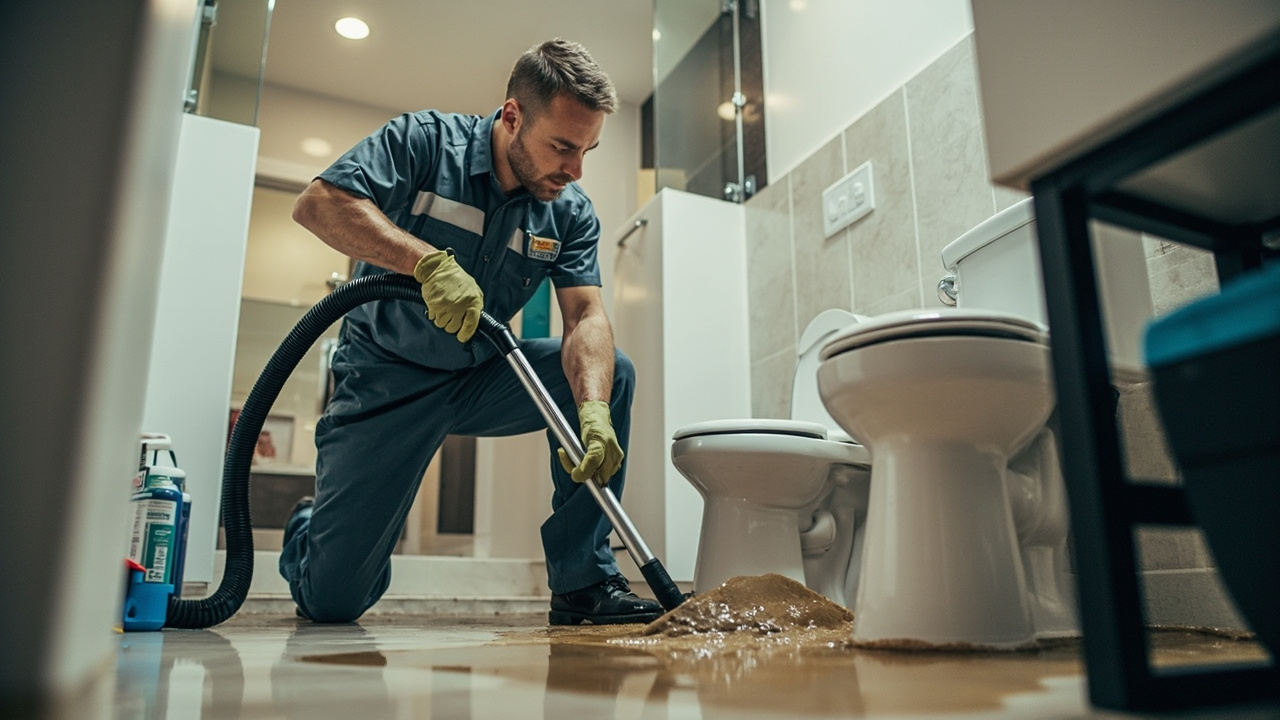
When your toilet overflows, every minute counts. Our certified restoration crews serve Minneapolis neighborhoods around the clock, arriving fast with truck-mounted extraction equipment and containment barriers to stop sewage spread before structural damage sets in.

Slider Image 1
Slider Image 2
Slider Image 3
Slider Image 4
Slider Image 5
Slider Image 7
Slider Image 8
Slider Image 9
Slider Image 10
Slider Image 11

Why Toilet Overflows Are So Destructive in Minneapolis Homes

You are standing in your bathroom watching water pour over the rim of your toilet. Your heart is racing. You know this is not clean water. This is contaminated wastewater carrying bacteria, viruses, and pathogens that soak into your subfloor, seep under baseboards, and spread into adjacent rooms within minutes.

Minneapolis homes face unique risks during toilet overflow events. Our older housing stock, particularly in neighborhoods like Powderhorn, Seward, and Longfellow, often features original hardwood flooring and plaster walls that absorb sewage water rapidly. When temperatures drop below freezing from November through March, frozen sewer lines create backpressure that forces waste back up through toilets and floor drains. The clay soil beneath Minneapolis foundations compounds the problem because it holds moisture, which can migrate up through basement slabs after a toilet flood.

Category 3 water, the classification for toilet sewage, contains fecal matter, cleaning chemicals, and solid waste. When this contaminated water sits for more than 48 hours, mold colonization begins. The porous materials in your home act like sponges. Drywall wicks sewage up the wall cavity. Carpet padding becomes a bacterial reservoir. Wooden floor joists absorb liquid waste and begin to rot.

Emergency toilet water extraction must happen immediately. Every hour of delay increases remediation costs and health exposure. The difference between a contained cleanup and a gut renovation often comes down to response time. You need a crew on-site now, not tomorrow morning.

Why Toilet Overflows Are So Destructive in Minneapolis Homes
How Professional Toilet Overflow Remediation Actually Works

How Professional Toilet Overflow Remediation Actually Works

Toilet flood restoration follows a strict contamination protocol. This is not a job for a wet-dry vacuum and bleach. When sewage enters your living space, you are dealing with biohazard materials that require EPA-approved disinfectants, negative air pressure containment, and certified disposal procedures.

Our crews arrive wearing personal protective equipment because sewage exposure causes skin infections, respiratory illness, and gastrointestinal disease. We establish containment zones using polyethylene sheeting to prevent cross-contamination into unaffected areas of your home. This matters in Minneapolis split-level homes where sewage can flow down stairwells into finished basements.

We deploy truck-mounted extractors that pull standing water at 200 gallons per minute. Standard shop vacuums cannot generate the suction power needed to remove water trapped in subflooring or wall cavities. After extraction, we document moisture readings using thermal imaging cameras and pin-type moisture meters. Minnesota building code requires proof of dry-down before reconstruction can begin.

Antimicrobial application comes next. We apply hospital-grade disinfectants that kill E. coli, Salmonella, and Hepatitis A. These products must maintain contact with contaminated surfaces for a specified dwell time to be effective. We do not spray and wipe. We saturate, allow penetration, and verify kill rates.

Structural drying involves industrial dehumidifiers and air movers positioned to create airflow patterns that accelerate evaporation. We monitor daily moisture levels until materials reach equilibrium moisture content. In Minneapolis winter conditions, heated drying equipment is necessary because cold air cannot hold moisture vapor. The process takes three to seven days depending on the extent of saturation and outdoor humidity levels.

What Happens When You Call for Emergency Toilet Cleanup

Toilet Overflow Cleanup in Minneapolis – 24/7 Emergency Response Teams Dispatched in Under 60 Minutes
01

Immediate Dispatch and Assessment

You call our emergency line and speak directly to a dispatcher, not an answering service. We confirm your address and dispatch the nearest available crew. While en route, our technician walks you through temporary containment steps like shutting off the water supply valve and moving valuables out of the affected area. We arrive with extraction equipment, moisture detection tools, and containment barriers. The first 30 minutes on-site focus on stopping water spread and assessing contamination extent using moisture mapping technology.
02

Extraction and Decontamination

Our crew removes all standing water using truck-mounted vacuum systems. We pull up saturated carpet and padding, extract water from hardwood floor seams, and suction liquid from wall cavities through small access holes. Contaminated porous materials like drywall, insulation, and baseboards are removed and bagged for biohazard disposal. We apply EPA-registered antimicrobials to all affected surfaces, paying particular attention to subflooring and wall studs where bacteria can colonize. Containment barriers remain in place throughout this phase to protect unaffected rooms.
03

Drying and Verification

Industrial dehumidifiers and high-velocity air movers run continuously to pull moisture from structural materials. We monitor drying progress daily using moisture meters and adjust equipment placement to target stubborn wet spots. Once moisture readings match the unaffected areas of your home, we document completion and remove equipment. You receive a full moisture log and clearance certificate showing your home meets safe occupancy standards. This documentation is required for insurance claims and protects you from future mold liability if you sell your home.

Why Minneapolis Homeowners Choose Liberty Water Damage Restoration Riverside

When sewage floods your bathroom at 2 a.m., you need a restoration company that answers the phone, not an automated message telling you to leave a voicemail. We staff live dispatchers 24 hours a day because toilet overflows do not wait for business hours.

Our crews know Minneapolis housing construction. We understand that homes built before 1950 in neighborhoods like Nokomis and Lynnhurst have different framing, flooring, and plumbing configurations than newer builds in Southwest Minneapolis. We adjust our extraction and drying strategies based on your home's specific construction. Older homes with balloon framing require vertical containment because sewage water can travel up wall cavities to second-floor bedrooms. Homes with radiant floor heating need specialized drying protocols to prevent system damage.

We work directly with Minneapolis-based insurance adjusters who handle claims for Hennepin County properties. This local familiarity speeds up approval processes and reduces documentation delays. We know the questions adjusters will ask, the documentation they require, and the coverage limitations common in Minnesota homeowner policies. You get accurate estimates that reflect actual replacement costs for Minneapolis contractors, not generic national pricing databases.

Our equipment stays on your property until the job is complete. Some restoration companies rotate equipment between multiple job sites to maximize utilization. This extends your drying time and increases your risk of secondary mold growth. When we set up dehumidifiers and air movers, they stay in place running continuously until moisture readings confirm safe levels.

You also get transparent communication. We explain what we are doing, why we are doing it, and what happens next. If we discover additional damage during demolition, you know immediately. No surprise bills. No scope creep. No hidden fees for after-hours service or weekend response.

What to Expect During Toilet Overflow Cleanup

Response Time and Availability

We dispatch crews within 60 minutes of your call, regardless of time or day. Our trucks carry full extraction and containment equipment, so we begin work immediately upon arrival. You do not wait for equipment delivery or crew availability. Winter response times remain consistent because we maintain dedicated emergency vehicles equipped with heated cargo areas to prevent equipment freezing. Minneapolis traffic patterns affect travel time, but we stage crews strategically throughout Hennepin County to minimize delays. You receive a text message with technician name, photo, and estimated arrival time within five minutes of dispatch.

Initial Assessment Process

Our technician conducts a complete moisture assessment using thermal imaging cameras and penetrating moisture meters. We map affected areas, identify hidden saturation, and classify the contamination level. You receive a written scope of work that itemizes materials requiring removal, estimated drying time, and equipment needed. We photograph all damage for insurance documentation before beginning extraction. If your policy includes sewage backup coverage, we identify exactly what that covers and what falls under your standard dwelling coverage. The assessment takes 20 to 30 minutes and you get copies of all documentation immediately.

Cleanup Quality Standards

We follow IICRC S500 standards for water damage restoration and S520 standards for mold remediation. This means specific moisture targets, verified antimicrobial efficacy, and documented drying progress. Your home does not just look clean. It meets measurable safety benchmarks verified by calibrated testing equipment. We provide final moisture readings showing that your subfloor, wall cavities, and structural materials have returned to normal moisture content. This documentation protects you if mold appears later, proving the remediation was done correctly. Our work meets Minnesota Department of Health guidelines for Category 3 water exposure.

Post-Cleanup Support

After equipment removal, we conduct a final walkthrough to confirm complete drying and answer questions about reconstruction. You receive a comprehensive closeout packet with moisture logs, antimicrobial application records, disposal manifests for contaminated materials, and clearance certification. If you hire contractors for repairs, they can reference our documentation to understand what was removed and what remains. We remain available for insurance adjuster questions and provide supplemental documentation if your claim requires additional detail. If moisture or odor issues appear within 30 days, we return to reassess at no additional diagnostic charge.

Frequently Asked Questions

You Have Questions,
We Have Answers

Can you pour vinegar in a toilet overflow tube? +

Yes, you can pour white vinegar into a toilet overflow tube to help break down mineral deposits and mild buildup. Pour one cup directly into the tube and let it sit for 30 minutes before flushing. This works for routine maintenance. If your toilet has already overflowed and contaminated your Minneapolis home with sewage water, vinegar will not address the biohazard. You need immediate professional extraction and disinfection. Contaminated water soaks into subflooring, drywall, and grout within minutes. Stop the water source first, then call a certified water damage restoration team to prevent mold growth and structural damage.

Will toilet overflow cause mold? +

Yes. Toilet overflow almost always causes mold if not addressed within 24 to 48 hours. Contaminated water soaks into flooring, baseboards, drywall, and subfloor materials common in Minneapolis homes. High humidity inside Minnesota homes during summer months accelerates mold colonization. You might see visible growth in three to five days, but spores begin spreading immediately. Black mold thrives on organic materials like wood and drywall when moisture is present. Do not wait. Professional extraction, antimicrobial treatment, and dehumidification are required to stop mold before it spreads throughout your HVAC system and walls.

How to clean an overflow tube in a toilet? +

Turn off the water supply at the shutoff valve. Flush the toilet to drain the tank. Use a small wire brush or bottle brush to scrub inside the overflow tube, removing calcium deposits and biofilm. Pour half a cup of white vinegar into the tube and let it sit for 20 minutes. Scrub again, then flush. This prevents clogs that cause tank overflows. If you already have water damage from an overflow in your Minneapolis home, cleaning the tube will not fix contaminated flooring or hidden moisture. You need professional water extraction and structural drying to prevent long-term damage.

What is the best cleaner for toilet rim jets? +

A paste made from baking soda and white vinegar works well for routine cleaning of toilet rim jets. Mix three tablespoons of baking soda with one cup of vinegar, apply under the rim, and scrub with a stiff brush after 10 minutes. For heavy mineral buildup common in Minneapolis hard water areas, use a calcium-lime-rust remover. If your toilet has overflowed and contaminated your bathroom with sewage, surface cleaners will not address the biohazard. Category 3 water requires professional-grade antimicrobial treatment and complete moisture removal to protect your family from pathogens and mold.

Can I leave vinegar in the toilet tank overnight? +

Yes. Leaving white vinegar in the toilet tank overnight is safe and effective for breaking down mineral deposits and mild bacterial growth. Pour two cups into the tank, let it sit for eight to 12 hours, then flush. This helps with routine maintenance. If your toilet has overflowed and flooded your Minneapolis bathroom, vinegar will not fix contaminated flooring, waterlogged drywall, or hidden moisture inside wall cavities. You need immediate professional water extraction and structural drying. Sewage backup contains harmful bacteria and requires specialized disinfection to prevent health hazards and mold colonization.

What do plumbers recommend for cleaning toilet tanks? +

Plumbers recommend white vinegar or a bleach solution for cleaning toilet tanks. Pour two cups of white vinegar into the tank and let it sit overnight, or use a quarter cup of bleach diluted in water for 15 minutes, then flush. Avoid abrasive cleaners that damage tank components. If you are dealing with a toilet overflow emergency in your Minneapolis home, tank cleaning is not the priority. You need immediate water extraction and structural drying. Contaminated water spreads quickly into subflooring and walls. Professional restoration prevents permanent damage, mold growth, and costly repairs.

How do Japanese bathrooms not get mold? +

Japanese bathrooms resist mold through superior ventilation, waterproof materials, and daily cleaning routines. They use exhaust fans, wall-mounted heaters, and quick-drying surfaces like tile and sealed grout. Bathroom floors are designed to drain completely. Minneapolis homes face different challenges, including older construction, poor ventilation, and high summer humidity. If your toilet overflows, water soaks into porous materials like wood subflooring and drywall, creating ideal mold conditions. You cannot fix this with better ventilation alone. You need professional moisture extraction, antimicrobial treatment, and dehumidification to stop mold before it colonizes your home.

What kills black mold in a toilet? +

A bleach solution kills black mold in toilets. Mix one cup of bleach with one gallon of water, pour it into the bowl, scrub with a stiff brush, and let it sit for 10 minutes before flushing. Wear gloves and ventilate the room. This works for surface mold only. If black mold appears after a toilet overflow in your Minneapolis home, the problem is deeper. Mold grows inside walls, under flooring, and within porous materials. You need professional mold remediation, not surface cleaning. Certified technicians remove contaminated materials, apply antimicrobial agents, and dry structural components to stop colonization.

Why is the black stuff in my toilet coming back? +

Black buildup keeps returning because you have a moisture problem, ongoing bacterial growth, or mold colonization beneath the surface. Hard water stains and mineral deposits also mimic mold. If your toilet overflowed recently, contaminated water likely soaked into your flooring, grout, or subflooring. Surface cleaning will not fix hidden moisture or mold growth inside wall cavities and under tiles. You need professional water damage restoration to locate and eliminate the source. Technicians use moisture meters and thermal imaging to find hidden water, then apply antimicrobial treatments and structural drying to stop recurring mold.

What are two things you should never flush down a toilet? +

Never flush wipes or feminine hygiene products. Wipes do not dissolve, even if labeled flushable. They clog pipes and cause sewage backups. Feminine hygiene products expand and block sewer lines. Both lead to catastrophic toilet overflows that flood your Minneapolis home with contaminated water. If this happens, you face a Category 3 water emergency. Sewage contains harmful bacteria, viruses, and pathogens. You need immediate professional restoration. Technicians extract contaminated water, remove affected materials, disinfect all surfaces, and dry structural components. Do not attempt cleanup yourself. Sewage exposure creates serious health risks.

How Minneapolis Freeze-Thaw Cycles Increase Toilet Overflow Risk

Minneapolis experiences an average of 156 days per year with temperatures below 32 degrees, creating conditions where main sewer lines and vent stacks freeze solid. When waste cannot exit your home through frozen pipes, backpressure forces sewage up through the lowest plumbing fixture, usually a basement toilet or floor drain. The freeze-thaw cycles between January and March cause the most problems because daytime melting sends large volumes of water into sewer systems while nighttime refreezing creates ice dams in underground lines. Homes in North Minneapolis and Near North neighborhoods, where aging cast iron sewer laterals have not been replaced, experience the highest rates of winter sewage backups. Emergency toilet water extraction becomes critical during these events because frozen ground prevents moisture from draining away from your foundation.

Minneapolis building code requires backwater valves on homes with basement fixtures, but many properties built before 1990 lack this protection. Liberty Water Damage Restoration Riverside crews work regularly with Minneapolis plumbers who install compliant backwater valves during reconstruction following toilet overflow incidents. We understand how Hennepin County permit requirements affect restoration timelines and coordinate with city inspectors to ensure work meets current code standards. Our familiarity with Minneapolis Department of Regulatory Services inspection protocols means faster approvals and fewer delays. When you choose a restoration company with deep local knowledge, you avoid the compliance issues that can stall insurance payments and extend displacement time.

Water Damage Restoration Services in The Minneapolis Area

Pioneer Water Damage Restoration Minneapolis is proud to be a dedicated, locally owned company centrally located to serve the entire metro area and surrounding communities. We invite you to view our service area on the map to confirm we cover your neighborhood, ensuring you receive the fastest possible emergency response whenever disaster strikes. Our commitment is always to our community’s property owners and their complete, timely recovery.

Address:
Pioneer Water Damage Restoration Minneapolis, 1330 Lagoon Ave, Minneapolis, MN, 55408

Additional Services We Offer

Our news updates

Latest Articles & News from The Blogs

Protecting Your White Bear Lake Mudroom From Melting Snow and Slush Damage Your mudroom takes the brunt of Minnesota winters.…

Protecting Your White Bear Lake Mudroom From Melting Snow and Slush Damage

Protecting Your White Bear Lake Mudroom From Melting Snow and Slush Damage Your mudroom takes the brunt of Minnesota winters.…

The Dangers of a Slow Refrigerator Water Line Leak in Your Oakdale Kitchen

The Dangers of a Slow Refrigerator Water Line Leak in Your Oakdale Kitchen A slow leak from your refrigerator water…

Stopping Rainwater Seepage Through Macalester-Groveland Stone Foundations

Stopping Rainwater Seepage Through Macalester-Groveland Stone Foundations Rainwater seeping through stone foundations in Macalester-Groveland is a common problem in older…

Contact Us

Sewage contamination spreads fast. Call Liberty Water Damage Restoration Riverside at (651) 677-5055 right now for immediate dispatch. Our emergency crews are standing by with extraction equipment and containment barriers ready to deploy.