




Bloomington sits in the Minnesota River Valley where clay-rich soil and seasonal freeze-thaw cycles create constant pressure on foundation walls and basement floors. When temperatures swing 60 degrees between January and July, ground movement cracks foundations and shifts drainage systems. The result is chronic seepage in neighborhoods like East Bloomington and water intrusion along the Minnesota River bluffs.
Spring snowmelt overwhelms aging storm sewers throughout the city, pushing water back through floor drains in older homes near Penn Avenue and Old Shakopee Road. Summer storms drop two inches of rain in 30 minutes, flooding walkout basements in Dwan Hills and saturating crawl spaces across the west side. Bloomington's mature housing stock contains original plumbing from the 1950s and 1960s that fails without warning, sending 50 gallons per minute into finished basements.
The combination of expansive clay soil, extreme temperature swings, intense rainfall events, and aging infrastructure makes water damage the most common property emergency in Bloomington. Homeowners near Nine Mile Creek and residents in the Oxboro neighborhood face elevated risk due to high water tables and proximity to wetlands. Quick response prevents tens of thousands in structural damage, mold remediation costs, and content loss.
Pioneer Water Damage Restoration Minneapolis maintains a dedicated Bloomington rapid response team positioned to reach properties in East Bloomington, Dwan Hills, Oxboro, and the Hillcrest neighborhood within one hour of your call. We understand Bloomington's specific challenges because we have extracted water from hundreds of homes along the Minnesota River bluffs, dried basements in the Penn-American neighborhood, and restored properties damaged by the same clay soil conditions affecting your foundation.
Our technicians carry thermal imaging cameras to find hidden moisture in wall cavities, commercial-grade air movers that dry structures in half the time of standard equipment, and truck-mounted extraction units that remove standing water in minutes rather than hours. We document every step with digital moisture readings and photo evidence that insurance adjusters accept without dispute, which speeds your claim and gets restoration work approved faster.
Pioneer holds IICRC Water Damage Restoration Technician certification and follows ANSI-approved S500 drying standards that prevent mold growth and secondary structural damage. We map moisture migration through your walls and floors, place drying equipment based on airflow science rather than guesswork, and verify complete dryness with calibrated meters before we leave your property. This precision matters when you are facing a flooded basement at 2 AM or watching water pour through your ceiling during a storm.
We work directly with every major insurance carrier operating in Bloomington and provide detailed estimates that match industry pricing standards. Our team coordinates with your adjuster, provides emergency mitigation documentation, and ensures you receive full coverage for both water removal and structural drying. You make one phone call and we handle the rest.

Pioneer dispatches crews to Bloomington properties within 60 minutes, 24 hours a day. We stage equipment across the south metro to reach flooded basements, burst pipes, and storm damage before water destroys flooring, walls, and personal belongings. Speed stops damage from spreading through your home.

We communicate directly with your insurance adjuster and provide industry-standard documentation that gets claims approved without dispute. Pioneer submits detailed moisture maps, equipment logs, and restoration estimates that match carrier guidelines. This eliminates claim delays and out-of-pocket expenses for Bloomington homeowners.
Every Pioneer technician holds Water Damage Restoration certification from the Institute of Inspection, Cleaning and Restoration Certification. We follow ANSI S500 drying standards and use calibrated moisture meters to verify complete dryness. This prevents mold growth, structural rot, and failed restoration work that creates bigger problems months later.
Pioneer has restored water-damaged properties throughout Bloomington for years. We know how clay soil affects foundations in East Bloomington, which neighborhoods near Nine Mile Creek face drainage issues, and how to dry split-level homes in Dwan Hills. Local knowledge means faster diagnosis and more effective drying strategies.
Pioneer provides end-to-end water damage restoration from the moment you discover flooding through final reconstruction. Our services span emergency water removal, structural drying and dehumidification, content pack-out and cleaning, mold remediation, and complete reconstruction of damaged spaces. We handle residential basement floods, commercial property water intrusion, storm damage, sewage backups, and appliance failures across Bloomington.
Each water damage event requires a different response strategy. A burst pipe in January demands rapid heat and aggressive drying to prevent freeze damage. A sump pump failure during spring storms needs immediate extraction before water wicks up drywall. A roof leak during summer humidity requires dehumidification to prevent mold spores from colonizing wet insulation. Pioneer matches equipment and technique to your specific situation.
We start with emergency mitigation to stop ongoing damage, then move into controlled structural drying using thermal imaging and moisture mapping. Once your property reaches verified dry standards, we coordinate reconstruction work to return your home or business to pre-loss condition. You work with one company from emergency call through final walkthrough, which eliminates coordination delays and communication gaps between multiple contractors.
Pioneer responds immediately to active water emergencies across Bloomington with truck-mounted extraction equipment, emergency board-up services, and temporary power solutions. We stop water intrusion at the source, remove standing water within minutes, and stabilize your property to prevent additional damage. Our teams arrive with industrial extractors, submersible pumps, and moisture detection equipment ready to go. Emergency mitigation includes content protection, temporary roof tarping, and emergency plumbing repairs that stop water flow.
After water extraction, Pioneer deploys commercial air movers, refrigerant dehumidifiers, and desiccant systems to dry building materials to industry standards. We use thermal imaging to track moisture migration through walls and floors, place equipment based on psychrometric calculations, and monitor drying progress with calibrated moisture meters. Our technicians adjust airflow and dehumidification daily based on real-time readings. Complete drying prevents mold growth, wood rot, and structural failure that develops when moisture remains trapped in wall cavities and subfloors.
Once structures reach verified dry standards, Pioneer rebuilds damaged areas to match existing finishes and construction. We handle everything from drywall replacement and flooring installation to trim carpentry and paint. Our reconstruction team works directly with your insurance carrier to ensure approved scope and pricing. We source matching materials, coordinate inspections, and complete work to code requirements. You avoid managing multiple contractors and get your property back to pre-loss condition through one coordinated restoration process.
Bloomington's location in the Minnesota River Valley creates specific water intrusion patterns that repeat across neighborhoods. Clay soil expands when wet and contracts when dry, which cracks foundation walls and creates entry points for groundwater. The city's mature tree canopy sends roots into aging sewer lines, which causes backups during heavy rain. Split-level homes built in the 1960s and 1970s have below-grade living spaces that flood when drainage systems fail.
Properties near Nine Mile Creek, along the Minnesota River bluffs, and in low-lying areas of East Bloomington face elevated water table issues that overwhelm sump pumps during spring snowmelt. Finished basements throughout the Penn-American and Oxboro neighborhoods suffer repeated flooding because original drainage tile systems have collapsed or clogged with sediment. These problems intensify as infrastructure ages and storms become more intense.
Understanding what causes water damage in your specific Bloomington neighborhood helps you respond appropriately when flooding occurs. The right equipment and drying strategy depends on whether you are dealing with clean water from a burst pipe, contaminated water from a sewer backup, or storm water carrying soil and debris.
Clay soil throughout Bloomington expands and contracts with moisture changes, which cracks poured concrete and block foundations. Water seeps through these cracks during spring snowmelt and summer storms, saturating basement walls and pooling on floors. Pioneer seals active leaks, extracts standing water, and dries foundation walls to prevent mold growth and structural deterioration.
When power fails during severe storms, sump pumps stop running and groundwater floods basements within minutes. Homes in low-lying areas near Nine Mile Creek and along the river bluffs face the highest risk. Pioneer extracts flood water, dries affected areas with commercial equipment, and coordinates emergency pump installation to prevent recurring flooding while power is restored.
Original copper and galvanized steel plumbing in older Bloomington homes fails without warning, releasing hundreds of gallons before water can be shut off. Frozen pipes burst during January cold snaps when temperatures drop below zero for extended periods. Pioneer stops water flow, extracts standing water, and begins immediate drying to prevent drywall damage, flooring destruction, and mold contamination.
Severe thunderstorms drop two inches of rain in 30 minutes across Bloomington, overwhelming gutters and driving water under shingles. Ice dams form on north-facing roofs during winter, forcing meltwater under roofing materials and into attics. Pioneer tarps damaged roofs, extracts water from ceiling cavities, and dries insulation and framing to prevent rot and mold growth in hidden spaces.
When you call Pioneer about water damage in your Bloomington property, you reach a live person who dispatches a crew immediately. We ask specific questions about the water source, affected areas, and any safety concerns to ensure our team arrives prepared with the right equipment. You receive a call from your assigned technician within 15 minutes with an accurate arrival time.
Our crews arrive in clearly marked vehicles with extraction equipment, air movers, dehumidifiers, and moisture detection tools ready to deploy. We walk your property to assess damage, identify the water source, and develop a mitigation plan before we start work. You receive a clear explanation of what we will do, how long it will take, and what to expect during the drying process.
Throughout restoration, Pioneer provides daily updates on drying progress, equipment adjustments, and timeline expectations. We coordinate directly with your insurance carrier, provide detailed documentation, and ensure you understand each phase of the process. Our goal is to remove stress during an already difficult situation by handling technical work, insurance communication, and reconstruction coordination while keeping you informed every step.
Pioneer dispatches crews to Bloomington locations within 60 minutes of your call, day or night. We maintain staged equipment across the south metro to reach properties fast. Your technician calls with an accurate arrival time and asks specific questions about your situation to ensure proper equipment deployment. When we arrive, we start work immediately to stop water damage from spreading through your property.
You receive daily moisture readings, equipment adjustment updates, and timeline estimates throughout the drying process. Pioneer technicians explain what moisture levels mean, why specific equipment is positioned where it is, and how long drying will take based on current conditions. We answer questions clearly and adjust our approach when conditions change. You never wonder what is happening or when work will finish.
Pioneer provides detailed photo documentation, moisture maps, equipment logs, and itemized estimates that insurance adjusters accept without dispute. We communicate directly with your carrier, answer technical questions, and provide industry-standard documentation that speeds claim approval. Our estimates match insurance carrier pricing guidelines, which eliminates disputes over covered work. You avoid claim delays and out-of-pocket expenses for covered damage.
Pioneer follows a systematic three-phase approach that stops damage immediately, dries structures completely, and restores your property to pre-loss condition. This process works for every type of water damage from burst pipes to storm flooding.
We arrive within 60 minutes, stop water intrusion at the source, and extract standing water with truck-mounted equipment. Our technicians move contents to dry areas, remove saturated materials that cannot be saved, and set up initial drying equipment. We document pre-mitigation conditions with photos and moisture readings for your insurance claim. Emergency mitigation typically takes two to four hours depending on water volume and affected area size.
Pioneer deploys commercial air movers and dehumidifiers based on moisture mapping and psychrometric calculations. We monitor drying progress daily with calibrated meters, adjust equipment placement as moisture migrates, and document conditions with thermal imaging. Drying takes three to five days for most residential water damage, longer for severe flooding or when humidity is high. We verify complete dryness before removing equipment.
Once structures reach verified dry standards, our reconstruction team rebuilds damaged areas with materials that match existing finishes. We handle drywall replacement, flooring installation, trim carpentry, and paint. Pioneer coordinates inspections, ensures code compliance, and completes work according to insurance-approved scope. You get your property back to pre-loss condition through one coordinated restoration process without managing multiple contractors.
Professional water damage restoration follows specific industry standards that protect property owners from incomplete drying and mold contamination. The Institute of Inspection, Cleaning and Restoration Certification publishes the IICRC S500 Standard and Reference Guide for Professional Water Damage Restoration, which establishes moisture measurement protocols, drying goals, and equipment deployment guidelines. Minnesota does not require state licensing for water damage restoration companies, which means property owners must verify that contractors follow recognized industry standards.
IICRC certification requires technicians to complete classroom training on water behavior, psychrometrics, structural drying, and equipment operation. Certified technicians understand how water migrates through different building materials, which materials can be dried versus which must be removed, and how to calculate drying time based on moisture content readings. This knowledge matters when you are paying for restoration work and trusting a contractor to prevent mold growth in your walls.
Pioneer technicians use calibrated moisture meters that measure water content in wood, drywall, and concrete to parts per thousand accuracy. We take baseline readings of unaffected areas, compare affected area readings to these baselines, and continue drying until moisture returns to normal levels. This scientific approach prevents the guesswork that leads to incomplete drying and mold problems months after restoration appears complete.
Minnesota building code requires that water-damaged structures be dried to acceptable moisture levels before reconstruction. Insurance carriers follow these same standards and will not approve reconstruction over wet materials. Pioneer provides detailed moisture logs that document drying progress and verify code compliance, which satisfies both building inspectors and insurance adjusters. We understand that proper documentation protects you if problems develop later and speeds claim approval when carriers review our work.
The S500 Standard establishes moisture measurement protocols, equipment deployment guidelines, and drying verification requirements that prevent mold growth and structural damage. Pioneer follows these industry-recognized standards on every restoration project. We document moisture readings, equipment placement, and drying progress to ensure complete restoration and insurance compliance.
Water damage restoration costs depend on water volume, affected area size, contamination level, and drying difficulty. Clean water from supply lines costs less to restore than contaminated water from sewage backups. Finished basements require more drying equipment than concrete floors. Pioneer provides detailed estimates that match insurance carrier pricing standards.
Most residential water damage dries in three to five days with proper equipment and monitoring. Severe flooding, high humidity, or dense materials like hardwood flooring extend drying time. Pioneer monitors moisture daily and adjusts equipment based on real-time conditions. We verify complete dryness with calibrated meters before removing equipment to prevent mold growth.
Most homeowner policies cover sudden water damage from burst pipes, appliance failures, and storm damage. Flood insurance covers rising water from outside sources. Pioneer documents all damage, communicates directly with adjusters, and provides estimates that match carrier guidelines. We handle claim paperwork so you focus on recovery rather than insurance disputes.
Pioneer Water Damage Restoration Minneapolis provides rapid response water damage services throughout Bloomington and across the south metro. We serve properties in East Bloomington near the Minnesota River bluffs where high water tables and clay soil create persistent foundation seepage. Our crews respond to flooded basements in the Dwan Hills neighborhood where split-level homes face drainage challenges during spring snowmelt and summer storms.
We work regularly in the Oxboro area where mature trees send roots into aging sewer lines and cause backups during heavy rain events. Properties along Old Shakopee Road and Penn Avenue face water damage from overwhelmed storm sewers that push water back through floor drains when infrastructure cannot handle sudden rainfall. The Hillcrest neighborhood contains homes built in the 1960s with original plumbing that fails without warning and floods finished basements.
Pioneer responds to water emergencies near the Mall of America, across residential areas surrounding Wood Lake Nature Center, and throughout properties bordering Nine Mile Creek where wetland proximity elevates groundwater levels. We understand that water damage patterns vary across Bloomington based on topography, soil conditions, home age, and proximity to water features.
Our service area extends beyond Bloomington city limits to Richfield, Edina, Eden Prairie, and Burnsville. We respond to water emergencies throughout Hennepin County and across the south metro because water damage does not respect municipal boundaries. When pipes burst or storms cause flooding, Pioneer dispatches crews from our south metro staging area to reach your property within one hour regardless of which community you call home.
The combination of local knowledge and rapid response capability means we understand your property's specific risk factors while arriving fast enough to stop damage from spreading. We know which Bloomington neighborhoods flood during spring snowmelt, which areas face sewer backup risk during summer storms, and which homes contain aging infrastructure likely to fail during winter freeze events.
Pioneer Water Damage Restoration Minneapolis is proud to be a dedicated, locally owned company centrally located to serve the entire metro area and surrounding communities. We invite you to view our service area on the map to confirm we cover your neighborhood, ensuring you receive the fastest possible emergency response whenever disaster strikes. Our commitment is always to our community’s property owners and their complete, timely recovery.
Address:
Bloomington, MN, 55431
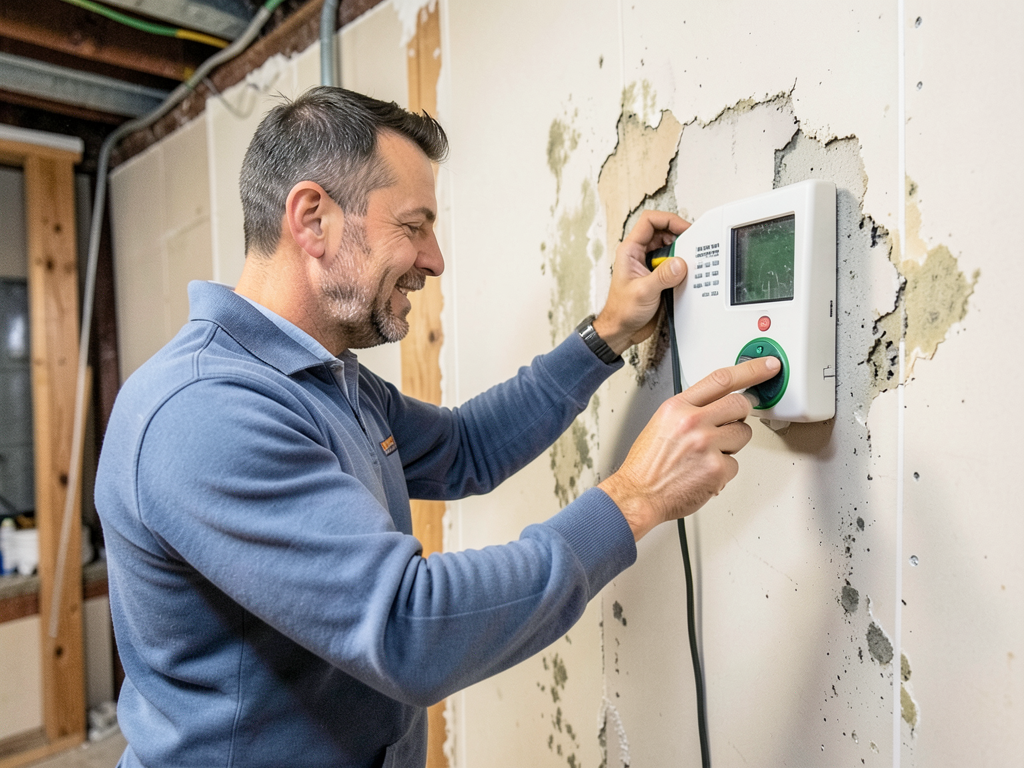
Identifying Black Mold Growth in Older Rental Properties Around Hopkins Living in an older rental property in Hopkins can expose you to hidden dangers like black mold. This toxic fungus thrives in Minnesota’s humid summers…

Protecting Your White Bear Lake Mudroom From Melting Snow and Slush Damage Your mudroom takes…

The Dangers of a Slow Refrigerator Water Line Leak in Your Oakdale Kitchen A slow…

Stopping Rainwater Seepage Through Macalester-Groveland Stone Foundations Rainwater seeping through stone foundations in Macalester-Groveland is…
Water damage spreads fast and destroys property every minute you wait. Pioneer dispatches certified crews to Bloomington within 60 minutes, day or night. Call (651) 677-5055 right now for immediate water extraction, structural drying, and complete restoration services.