




Brooklyn Park sits at the convergence of the Mississippi and Rum Rivers, creating a unique water table that makes basements and crawl spaces particularly vulnerable to seepage and flooding. The clay-heavy soil common throughout Hennepin County expands when saturated and contracts when dry, putting constant pressure on foundation walls and basement floors. This freeze-thaw cycle is brutal. Winter temperatures regularly drop below zero, freezing water in pipes, ice dams forming on roofs, and spring thaws sending snowmelt directly into vulnerable entry points.
The housing stock in neighborhoods like Edinburgh, Huntington Place, and River Park tells the story. Many homes were built in the 1960s and 70s with outdated waterproofing methods that fail under modern weather extremes. Add in aging sump pumps, outdated drainage systems, and increasingly severe rainfall events, and you have a recipe for water intrusion. Properties near Palmer Lake and the Shingle Creek watershed face additional risk during heavy rain events. Brooklyn Park building codes require proper drainage and sump systems, but older properties often fall short of current standards, leaving homeowners exposed to water damage that escalates quickly from a puddle to structural compromise.
When water invades your Brooklyn Park home, you need a team that understands both the science of water damage and the specific challenges of our geography. Pioneer Water Damage Restoration Minneapolis has spent years responding to emergencies throughout Hennepin County, and we know exactly how water behaves in Brooklyn Park properties. We understand how clay soil affects foundation drainage, how our climate creates ice dam problems, and how to navigate insurance claims with Minnesota carriers.
Our technicians hold IICRC certifications in water damage restoration and applied structural drying. This is not cleanup. This is science. We use thermal imaging to find hidden moisture, measure humidity levels in wall cavities, and calculate precise drying times based on materials and conditions. Our truck-mounted extraction units remove thousands of gallons quickly, and our commercial dehumidifiers create the airflow needed to dry structures completely, not just surface dry.
We respond 24 hours a day because water damage does not wait for business hours. A call at 2 AM gets the same rapid dispatch as a call at 2 PM. Our response time to Brooklyn Park addresses averages under 90 minutes. We arrive with everything needed to start mitigation immediately. No waiting, no delays, no watching damage get worse while you wait for help.
We also handle the insurance process from documentation to final approval. We photograph everything, measure moisture levels at every stage, and provide the documentation adjusters need to approve claims quickly. You should not have to fight your insurance company while your home is torn apart. We handle that fight.

Water spreads fast. We move faster. Our Brooklyn Park response time averages under 90 minutes from your call to technicians on site with extraction equipment running. We dispatch immediately, not when it is convenient. Every minute we save reduces your damage and your costs.

Our technicians hold certifications from the Institute of Inspection, Cleaning and Restoration Certification. This means proven knowledge of water behavior, drying science, and microbial contamination. We follow industry protocols that insurance companies recognize and trust. Your claim process goes smoother when we document properly.
We work directly with your insurance carrier to document damage, provide estimates, and secure approval. You should not have to navigate claims paperwork while your home sits flooded. We handle communication with adjusters, provide required documentation, and get approvals faster because we speak their language.
Surface drying creates mold problems. We dry structures completely using thermal imaging, moisture meters, and calculated airflow. We verify dryness with measurements, not guesses. This protects your investment and prevents the mold growth that turns a water problem into a health hazard.
Water damage is not one problem. It is a cascade of problems that requires different skills and equipment at every stage. Pioneer Water Damage Restoration Minneapolis handles everything from initial water removal through final restoration, so you work with one team that coordinates every phase. We start with emergency water extraction to stop damage progression, move into structural drying to eliminate moisture from materials, and finish with repairs that return your property to pre-loss condition.
Our service range covers every water damage scenario Brooklyn Park properties face. Basement flooding from sump pump failure, burst pipes in freezing weather, sewage backups from overwhelmed municipal systems, ice dam leaks through roof penetrations, and appliance failures that dump hundreds of gallons onto finished floors. Each scenario requires specific protocols. Sewage contamination demands different treatment than clean water. Hardwood floors need different drying than carpet. We adjust our approach based on water source, affected materials, and contamination level.
We also handle the hidden damage that most homeowners miss. Water wicks up drywall, saturates insulation, and pools inside wall cavities where you cannot see it. This hidden moisture causes the structural damage and mold growth that turns a manageable problem into a total gut job. Our equipment finds it, our protocols dry it, and our documentation proves it to insurance companies.
When water is actively flooding your Brooklyn Park property, extraction is the priority. Our truck-mounted pumps remove thousands of gallons per hour from basements, crawl spaces, and living areas. We extract standing water, pull moisture from carpet and padding, and begin air circulation immediately to slow damage progression. This is damage control. The faster we extract, the less destruction water causes to flooring, drywall, and structural materials. We deploy 24/7 because flooding does not wait.
After extraction comes the science of structural drying. We place commercial dehumidifiers and air movers in calculated positions to create airflow through wall cavities, under flooring, and inside structural materials. Thermal imaging cameras show us moisture you cannot see. Moisture meters give us readings inside wood and drywall. We monitor humidity levels daily and adjust equipment until materials reach verified dry standards. This prevents mold growth and structural rot that starts in damp environments.
Once structures are completely dry, we rebuild what water destroyed. This includes drywall replacement, flooring installation, trim and baseboard work, painting, and any structural repairs needed. You do not need to hire multiple contractors. We coordinate all trades to return your Brooklyn Park property to the condition it was in before water hit. One team, one timeline, one point of contact from emergency call to final walkthrough.
Brooklyn Park homes face water intrusion from multiple angles. Our location in the northwest Twin Cities metro puts us in the path of severe weather systems moving across Minnesota. Spring brings rapid snowmelt that overwhelms drainage systems and saturates soil around foundations. Summer delivers intense rainfall that turns streets into rivers and backs up storm sewers. Fall freezes arrive early, catching homeowners before winterization is complete. Winter brings the freeze-thaw cycles that crack pipes and create ice dams.
The problems we see most often connect directly to our geography and housing stock. Sump pump failures during heavy rain leave basements under three feet of water in hours. Frozen pipes burst when temperatures drop below zero for days at a stretch. Ice dams form on roofs where attic insulation is inadequate, sending melt water under shingles and into living spaces. Washing machine hoses fail after years of Minnesota temperature swings. Water heaters corrode faster in our hard water conditions. Each of these problems escalates from minor inconvenience to major damage if not addressed immediately with proper water damage mitigation and structural drying protocols.
Sump pumps fail during the heaviest rain when you need them most. Power outages, aging motors, and overwhelmed capacity leave basements flooding fast. Clay soil around Brooklyn Park foundations does not absorb water quickly, so groundwater pressure builds against basement walls and finds any entry point. A failed sump means water rising inches per hour.
Brooklyn Park winter temperatures regularly hit negative numbers. Pipes in exterior walls, crawl spaces, and unheated garages freeze solid. When ice expands, copper and PEX pipes crack. The real damage happens when temperatures rise and ice melts, sending water flooding through walls and ceilings. A single burst pipe releases hundreds of gallons before you can shut off water.
Poor attic ventilation and insulation create the perfect conditions for ice dams on Brooklyn Park roofs. Heat escaping through the roof melts snow, which refreezes at the eaves and creates ice barriers. Melt water backs up under shingles and runs into attic spaces and down walls. By the time you see water stains on ceilings, insulation is soaked and drywall is damaged.
Heavy rainfall overwhelms Brooklyn Park storm sewers and creates backflow into residential drain lines. Sewage backs up through basement floor drains and toilets, bringing contaminated water into finished living spaces. This is a Category 3 contamination event that requires specialized cleaning protocols and disposal of porous materials that absorbed sewage.
When you call us at (651) 677-5055, you reach a real person who dispatches help immediately. No voicemail, no waiting until morning, no callbacks when someone gets around to it. You tell us what happened, we ask a few questions to understand the scope, and we send technicians to your Brooklyn Park address right away. Our average response time is under 90 minutes from call to arrival.
When our team arrives, we assess damage quickly and start extraction immediately. You do not wait for estimates or approvals to begin water removal. Stopping damage progression is the priority. While extraction runs, we photograph everything for insurance documentation, measure moisture levels in affected materials, and explain what needs to happen next. You get straight answers about timeline, process, and what your insurance will likely cover.
We stay in communication through every phase. You get daily updates on drying progress, moisture readings, and timeline adjustments. When we say your property is dry, we prove it with meter readings and thermal images. When reconstruction starts, you approve materials and finishes before we proceed. No surprises, no decisions made without your input, and no wondering what is happening with your property. You deal with one project manager who coordinates everything from emergency call to final invoice.
Your call triggers immediate dispatch to our closest available crew. We do not schedule you for tomorrow or wait until morning. Technicians grab equipment and head to your Brooklyn Park property right away. Most arrivals happen within 90 minutes of your call. When minutes matter, we move. You should see our trucks pulling up while you are still on the phone with your insurance company reporting the loss.
You get assigned one project manager who handles your entire job from start to finish. This person answers your calls, provides daily progress updates, and explains what is happening at each stage. Moisture readings, drying progress, timeline adjustments, and insurance communication all flow through one point of contact. No confusion about who to call or what is happening next. Just clear information when you need it.
We do not rebuild over damp materials. Before any reconstruction starts, we verify complete dryness with moisture meter readings and thermal imaging. You get documentation showing that wood, drywall, and concrete meet industry dry standards. This protects you from mold problems that develop when contractors close up walls over moisture. Your property gets dried right, then rebuilt right.
Water damage restoration follows a proven sequence. Each phase builds on the previous one to eliminate moisture, prevent secondary damage, and return your property to normal. We handle everything.
We arrive at your Brooklyn Park property with truck-mounted extraction equipment and portable pumps. Standing water gets removed first using the most powerful equipment appropriate for your situation. We extract water from carpets, pull soaked padding, and remove any materials too saturated to salvage. Air movers start running immediately to begin evaporation. The goal is stopping damage progression. Every gallon we remove in the first hours saves you money in reconstruction costs later.
Commercial dehumidifiers and air movers run continuously to dry building materials completely. We place equipment based on airflow science and moisture readings, not guesswork. Technicians visit daily to take moisture readings in floors, walls, and structural materials. We adjust equipment placement and track drying progress until readings meet industry standards. This phase takes three to seven days depending on materials affected and saturation levels. We do not rush it.
Once structures are verified dry, reconstruction begins. We replace drywall, install new flooring, rebuild damaged framing, and finish surfaces to match existing conditions. You approve materials, colors, and finishes before installation. Our crews coordinate all trades so electrical, plumbing, and finish work happen in the right sequence. The final walkthrough happens when your property looks like water never touched it.
Water damage restoration is applied building science. The Institute of Inspection, Cleaning and Restoration Certification sets the standards our industry follows, and those standards are based on physics, microbiology, and material science. Water behaves predictably. It flows downward following gravity, spreads horizontally through porous materials via capillary action, and evaporates based on temperature and humidity differentials. Understanding these principles separates effective restoration from surface cleanup that leaves moisture hidden in building cavities.
The IICRC S500 Standard guides our water damage restoration protocols. This document defines water categories based on contamination level, establishes material classifications based on porosity, and provides calculation methods for determining appropriate drying equipment and placement. Category 1 water from supply lines requires different handling than Category 3 sewage contamination. Class 1 damage affecting small areas needs less equipment than Class 4 damage in hardwood floors and plaster walls.
We use psychrometry to manage drying conditions. This is the science of air and moisture interaction. Relative humidity, temperature, and dew point determine how quickly moisture evaporates from materials into the air. Dehumidifiers remove that moisture from the air so evaporation continues. Air movers create airflow across surfaces to speed evaporation. The equipment placement is calculated based on room volume, material surface area, and current moisture readings. This is why we take daily measurements. We adjust conditions to maintain optimal drying based on what the science tells us.
Minnesota climate adds complexity. Brooklyn Park properties face freeze-thaw cycles that crack foundations and create entry points for water. Clay soil expands when wet and shrinks when dry, putting constant pressure on basement walls. These factors mean water intrusion patterns here differ from properties in other regions. Effective restoration requires understanding local conditions, not just following generic protocols. Our experience with Brooklyn Park properties informs how we approach each job.
The IICRC Water Damage Restoration Technician certification requires comprehensive training in water behavior, drying science, microbial contamination, and structural systems. Our technicians maintain active certifications through continuing education because standards evolve as building materials and methods change. Insurance companies recognize IICRC certification because it proves competency in industry protocols.
Restoration costs depend on water category, affected materials, and damage extent. Clean water from supply lines costs less to remediate than sewage contamination requiring disposal of porous materials. Drying 500 square feet takes less equipment and time than drying 2,000 square feet. Hardwood floors and plaster walls take longer to dry than carpet and drywall. Structural damage adds reconstruction costs beyond basic drying and cleanup.
Structural drying takes three to seven days for most residential water damage. Materials like hardwood, plaster, and concrete take longer than carpet and drywall. We cannot speed up physics. Moisture evaporates at a rate determined by temperature, humidity, and airflow. We optimize conditions, but complete drying takes the time it takes. Rushing creates mold problems. The timeline extends when damage is extensive or materials are deeply saturated.
Most homeowner policies cover sudden and accidental water damage like burst pipes and appliance failures. Flood damage requires separate flood insurance through NFIP. Insurance companies need specific documentation including photos, moisture readings, equipment logs, and daily progress notes. We provide this documentation in formats adjusters expect because we work with insurance carriers daily. Proper documentation speeds approval and reduces claim disputes.
Pioneer Water Damage Restoration Minneapolis serves every neighborhood in Brooklyn Park, from the established homes near Edinburgh Golf Course to the newer developments in Huntington Place and Riverview. We respond to properties throughout the northwest metro because water damage requires local presence. A company based an hour away cannot provide 90-minute response times when your basement is flooding at midnight.
The neighborhoods along West River Road and East River Road face unique challenges due to proximity to the Mississippi River. Properties near Palmer Lake and Twin Lakes deal with high water tables that make basement waterproofing critical. Homes in the Zanewood and Brookdale areas were built in the 1960s and 70s, and many still have original sump pumps and drainage systems that fail under modern rain intensity. The newer construction in areas like Crestview and Summerhill features better drainage design, but even new homes face burst pipe risks when temperatures drop below zero.
We know Brooklyn Park because we work here daily. We understand how water moves through properties built on clay soil. We know which streets flood during heavy rain because storm sewers reach capacity. We have relationships with local plumbers, electricians, and contractors who help when water damage requires coordinated trades. This local knowledge matters when you need help fast and need it done right.
Our service area extends throughout Hennepin County including nearby Maple Grove, Osseo, Brooklyn Center, and Champlin. We also serve properties across the county line in Anoka County when Brooklyn Park residents need help at second properties or rental units. No matter where your property sits in the northwest metro, we respond quickly with the equipment and expertise needed to handle water damage correctly. The goal is always the same: stop damage fast, dry structures completely, and restore your property to the condition it was in before water hit.
Pioneer Water Damage Restoration Minneapolis is proud to be a dedicated, locally owned company centrally located to serve the entire metro area and surrounding communities. We invite you to view our service area on the map to confirm we cover your neighborhood, ensuring you receive the fastest possible emergency response whenever disaster strikes. Our commitment is always to our community’s property owners and their complete, timely recovery.
Address:
Brooklyn Park, MN, 55429
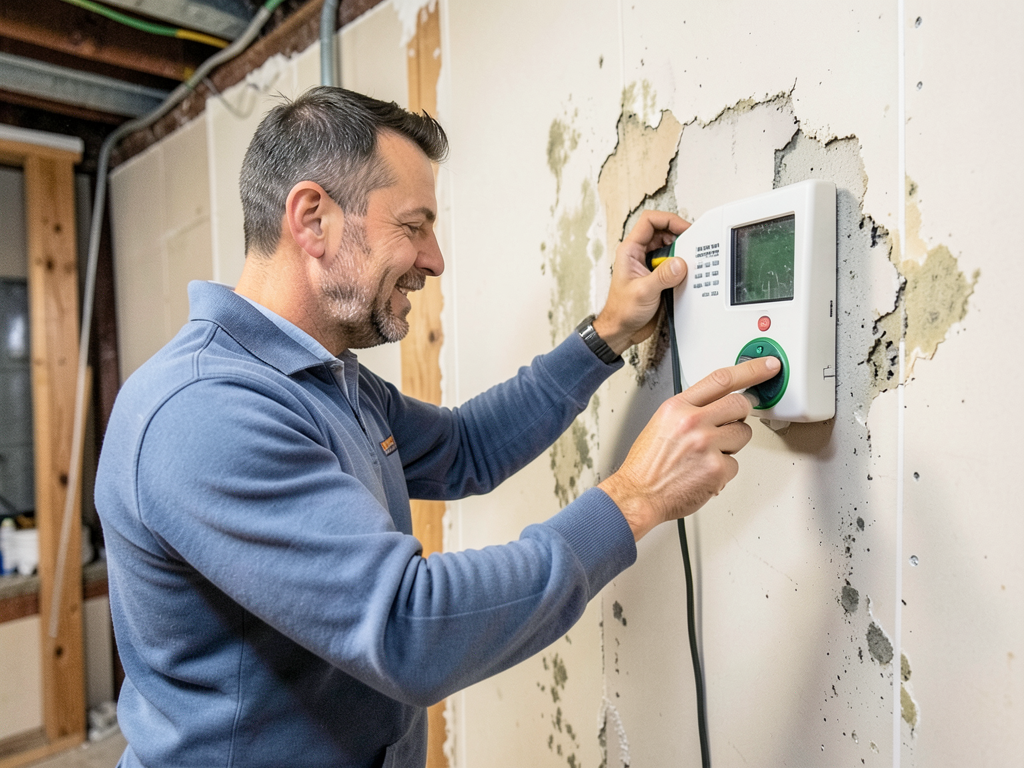
Identifying Black Mold Growth in Older Rental Properties Around Hopkins Living in an older rental property in Hopkins can expose you to hidden dangers like black mold. This toxic fungus thrives in Minnesota’s humid summers…

Protecting Your White Bear Lake Mudroom From Melting Snow and Slush Damage Your mudroom takes…

The Dangers of a Slow Refrigerator Water Line Leak in Your Oakdale Kitchen A slow…

Stopping Rainwater Seepage Through Macalester-Groveland Stone Foundations Rainwater seeping through stone foundations in Macalester-Groveland is…
Call Pioneer Water Damage Restoration Minneapolis right now at (651) 677-5055. We answer 24/7 and dispatch immediately to Brooklyn Park properties. Every minute you wait, water spreads further and damage gets worse. Stop the destruction now.