




Burnsville sits at the confluence of the Minnesota River valley where spring snowmelt and seasonal flooding create persistent moisture problems. The city's building boom in the 1960s and 70s means thousands of homes built before modern waterproofing standards now face basement seepage issues. Clay-heavy soil throughout Dakota County expands when wet and contracts when dry, creating foundation cracks that channel groundwater into finished basements.
Winter freeze-thaw cycles burst pipes in crawl spaces and attics across neighborhoods from Terrace Oaks to Nicollet Heights. Temperatures swing from minus 20 to 50 degrees in a single week, causing ice dams on roof valleys and overwhelming gutters. Sump pump failures spike during April storms when ground saturation peaks and power outages hit simultaneously.
Commercial properties along County Road 42 and I-35W face different challenges. Flat commercial roofs accumulate snowmelt faster than pitched residential roofs. HVAC condensate lines freeze in mechanical rooms. Sprinkler system malfunctions flood retail spaces overnight when buildings sit empty.
Minnesota's humid continental climate keeps relative humidity above 60 percent through summer, which means water-damaged materials never fully dry without mechanical intervention. A small leak becomes a mold farm in 48 hours. Burnsville property owners need rapid water extraction and complete structural drying to prevent secondary damage that costs three times the initial loss.
We operate the only water damage fleet in Dakota County equipped with trailer-mounted desiccant dehumidifiers that pull moisture from concrete slab foundations. Other restoration companies rent portable units that take twice as long to dry commercial spaces. Our equipment investment means faster turnaround and lower overall costs because we prevent mold remediation add-ons.
Our technicians hold IICRC Water Damage Restoration certification and complete annual training on Minnesota building codes and insurance claim documentation. We know exactly what State Farm and Travelers adjusters require for approval. We photograph moisture readings in wall cavities, map affected areas with thermal imaging, and submit itemized estimates within 24 hours. You get claim approval faster because we speak the same language as your insurance company.
We staff local crews who live in Burnsville and respond from our facility near Cliff Road and Highway 13. When your sump pump fails at 2 AM, you get a technician who knows the fastest route to your neighborhood, not someone driving from Minneapolis or Saint Paul. Response time determines damage severity. We arrive before water soaks through drywall into insulation.
Unlike franchise operations that subcontract actual restoration work, Pioneer owns our extraction equipment and employs our technicians directly. The same crew that arrives for emergency water removal completes your entire project. You work with one project manager from initial assessment through final walkthrough. No handoffs. No confusion. No delays waiting for the next available subcontractor.
We guarantee complete structural drying verified by moisture meter readings, not visual inspection. We document baseline moisture levels in unaffected areas, then dry damaged materials to match those readings. We leave calibrated data loggers to track drying progress between visits. You receive a certification letter confirming your property meets insurance company drying standards.

We dispatch from our Burnsville facility the moment you call. Our trucks carry truck-mounted extractors that remove 95 percent of standing water in a single pass. Other companies arrive with shop vacs and portable pumps that take hours. We stop damage progression immediately, which saves you thousands in reconstruction costs and prevents mold growth that doubles restoration expenses.

We communicate directly with your insurance adjuster to document damage, justify equipment costs, and expedite approval. Our estimates match Xactimate pricing software that adjusters use to evaluate claims. We photograph moisture readings, create drying logs, and provide thermal imaging reports that satisfy underwriter requirements. You avoid claim denials caused by incomplete documentation or non-standard pricing.
We use FLIR thermal cameras to find hidden water in wall cavities and under flooring before it causes structural damage. Moisture meters measure water content in wood framing and concrete. We drill test holes to check insulation saturation. Standard visual inspections miss 40 percent of affected materials. Our technology finds every wet surface so nothing gets left behind to grow mold.
Our crews understand how clay soil affects Burnsville basements and which neighborhoods flood during spring runoff. We know local building inspectors and work with city permit requirements for reconstruction projects. We stock materials that match 1960s-era homes common throughout Burnsville. You get restoration that matches your existing construction, not generic solutions designed for newer properties.
Water damage restoration requires different approaches depending on the source, duration, and contamination level of the water. Clean water from supply line breaks needs immediate extraction but minimal sanitization. Sewer backups require antimicrobial treatment and specialized disposal of contaminated materials. Storm flooding brings mud and debris that damages HVAC systems and electrical panels.
Pioneer Water Damage Restoration Minneapolis provides complete water removal services from initial emergency response through final reconstruction. We extract standing water, dry structural materials to pre-loss moisture levels, remove unsalvageable contents, treat affected surfaces to prevent microbial growth, and rebuild damaged areas to match existing construction.
Our service categories address the three primary water damage scenarios Burnsville property owners face. Emergency water extraction stops active flooding and prevents secondary damage. Structural drying eliminates moisture from building materials to prevent mold and wood rot. Water damage reconstruction repairs and rebuilds areas damaged beyond drying, including drywall replacement, flooring installation, and cabinet restoration.
Each project requires customized equipment and techniques based on water category, affected materials, and drying conditions. We assess your specific situation and deploy the appropriate combination of extraction, dehumidification, air movement, and antimicrobial treatment to restore your property completely.
We respond to active flooding from burst pipes, sump pump failures, and appliance malfunctions any time day or night. Our truck-mounted extractors remove thousands of gallons per hour from basements and crawl spaces. We relocate furniture to prevent wicking damage, pull wet carpeting, and remove soaked padding. Submersible pumps handle deep standing water. Portable extractors clean hardwood floors and tile. We shut off water sources, document damage with photos and moisture readings, and place initial drying equipment before leaving your property.
We use commercial dehumidifiers, air movers, and specialty drying equipment to remove moisture from framing, subfloors, drywall, and insulation. Desiccant dehumidifiers dry concrete slabs and block foundations. Air movers create airflow across wet surfaces to accelerate evaporation. We monitor drying progress with daily moisture readings and adjust equipment placement to optimize performance. Injectidry systems push warm air into wall cavities and under flooring. We continue drying until moisture levels match unaffected areas of your property, typically three to five days for standard residential projects.
We rebuild areas damaged beyond repair, including drywall replacement, baseboard reinstallation, flooring repair, and cabinet restoration. Our crews remove water-damaged materials, treat framing with antimicrobial solutions, install new insulation and vapor barriers, hang and finish drywall, and paint to match existing surfaces. We replace carpet, refinish hardwood, and reinstall tile. Licensed plumbers and electricians repair damaged systems. We match existing materials and finishes so restored areas blend seamlessly with undamaged portions of your property.
Burnsville's location in the Minnesota River valley and construction history create specific water intrusion patterns. Older neighborhoods built before sump pump requirements experience chronic basement seepage. Properties near Crystal Lake and Alimagnet Lake face high water tables that push groundwater through foundation walls. Commercial buildings along major corridors deal with aging plumbing infrastructure installed 30 to 40 years ago.
Spring snowmelt overwhelms perimeter drain tiles throughout April and May. Winter freeze-thaw cycles burst supply lines in exterior walls and unheated garages. Summer humidity prevents wet basements from drying naturally. These recurring issues require professional water damage mitigation to prevent cumulative structural damage, mold growth, and declining property values.
Understanding local water damage patterns helps property owners recognize problems early and respond before minor leaks become major reconstruction projects. Burnsville faces four primary water damage scenarios that account for most emergency calls we receive.
Clay soil throughout Dakota County creates hydrostatic pressure that forces groundwater through foundation cracks and cold joints. Older homes lack exterior waterproofing membranes. Spring water tables rise within inches of basement floors. Perimeter drain systems clog with silt. Water seeps through block walls and floor-wall joints during heavy rain. Finished basements sustain carpet damage, drywall wicking, and microbial growth behind wall panels.
Minnesota's temperature extremes stress copper and PEX supply lines. Pipes in exterior walls freeze when insulation settles. Washing machine hoses fail after 10 years of thermal cycling. Water heaters develop pinhole leaks. Supply line breaks flood multiple rooms before residents discover the problem. Second-floor bathroom leaks damage ceilings and wall cavities on lower levels. Insurance claims average $8,000 to $12,000 for multi-room supply line failures.
April rainstorms saturate ground and activate sump pumps throughout Burnsville neighborhoods. Power outages disable pumps during peak demand. Float switches stick in the off position. Discharge lines freeze and cause pump cycling. Backup pumps fail to activate when primary pumps quit. Basements flood with several inches of groundwater in under an hour. Rapid response prevents carpet and drywall damage that requires complete basement reconstruction.
Inadequate attic insulation allows heat to escape and melt snow on roofs. Meltwater refreezes at roof edges and creates ice dams. Water backs under shingles and drips into attic insulation. Ceiling stains appear in upstairs bedrooms. Insulation becomes saturated and compresses. Drywall ceilings sag from water weight. Ice dam damage requires attic restoration, insulation replacement, and roof valley repairs beyond standard water extraction.
Water damage creates panic. You need immediate answers about response time, equipment, insurance coverage, and how long your home will be torn apart. We provide clear expectations during the initial phone call and follow a structured process that minimizes disruption while maximizing insurance reimbursement.
Our intake process starts with questions about the water source, affected areas, and current conditions. We dispatch a crew immediately for active flooding. We schedule assessment appointments within four hours for contained leaks. You speak directly with the project manager who will oversee your restoration from start to finish.
We communicate at every project phase. You receive text updates when crews arrive and leave. We explain moisture readings and drying progress during daily visits. We submit insurance estimates with line-item explanations. You approve all work before reconstruction begins. Here's what the experience looks like from emergency call through project completion.
We arrive with extraction equipment, moisture detection tools, and documentation cameras. Our technician locates the water source and shuts it off if still active. We assess the extent of damage using thermal imaging and moisture meters. You receive an on-site explanation of required services, expected timeline, and approximate costs. We photograph all damage for insurance documentation. For active flooding, we begin water extraction immediately. For contained leaks, we schedule equipment delivery within four hours.
We submit detailed estimates to your insurance company within 24 hours showing equipment costs, labor, materials, and project timeline. Our estimates include moisture reading logs, thermal images, and affected area diagrams. We participate in adjuster inspections and explain our scope of work. We answer insurance company questions about drying techniques and equipment costs. You receive copies of all documentation submitted to your carrier. We track claim approval status and notify you of any adjuster concerns.
We monitor moisture levels daily and document drying progress with time-stamped readings. Equipment runs continuously until materials reach standard dryness levels matching unaffected areas. We provide completion certificates showing final moisture readings for insurance files. Reconstruction work follows manufacturer installation standards. We perform final walkthroughs and address any concerns before requesting final payment. You receive warranties on all reconstruction work and documentation packages for property records.
Water damage restoration follows a structured sequence from emergency response through reconstruction. Each phase requires specific equipment, expertise, and quality controls. Our process ensures complete moisture removal and prevents secondary damage.
We arrive with truck-mounted extractors, submersible pumps, and portable extraction units. Our crew removes standing water from all affected areas, including carpets, tile floors, and hardwood. We extract water from furniture, area rugs, and contents. Truck-mounted units pull water directly from carpets into holding tanks. We move furniture onto blocks to prevent wicking damage. We document pre-extraction conditions with photos and moisture readings for insurance claims.
We place commercial dehumidifiers and air movers to dry structural materials. Equipment runs 24 hours per day for three to seven days depending on saturation levels. We monitor moisture daily using penetrating and non-penetrating meters. Air movers create airflow across wet surfaces. Dehumidifiers pull moisture from the air to accelerate evaporation. We adjust equipment placement based on drying progress. Thermal imaging verifies complete drying in wall cavities and subfloors.
We remove and dispose of materials damaged beyond repair. Our crews install new drywall, insulation, baseboards, and flooring to match existing construction. We prime and paint walls to match surrounding areas. We reinstall fixtures, outlets, and trim. Licensed contractors handle plumbing and electrical repairs. Final cleaning removes dust and debris. You perform a walkthrough inspection before we request final payment.
Professional water damage restoration in Minnesota follows Institute of Inspection Cleaning and Restoration Certification standards and state building codes. IICRC S500 Standard for Professional Water Damage Restoration establishes protocols for water classification, material removal decisions, drying goals, and antimicrobial treatment. These standards protect property owners from incomplete drying that leads to mold growth and structural damage.
Minnesota requires water damage restoration contractors to follow Department of Health guidelines for mold prevention. Any water intrusion lasting more than 48 hours requires antimicrobial treatment of affected materials. Contaminated water from sewage backups or flood events requires specialized cleaning protocols and disposal procedures for porous materials like drywall and insulation.
Insurance companies base claim payments on Xactimate estimating software, which prices water damage restoration using standard equipment costs, labor rates, and material allowances. Estimates must include line items for extraction equipment, dehumidification, air movement, antimicrobial treatment, and reconstruction. Detailed moisture logs documenting drying progress justify equipment rental periods and prevent claim disputes.
Building permits apply to reconstruction projects exceeding $2,500 in value or involving structural modifications, electrical work, or plumbing changes. Burnsville requires permits for drywall replacement exceeding 100 square feet, subfloor replacement, or wall framing repairs. Licensed contractors must pull permits and schedule inspections. Unpermitted work creates liability issues and complicates future property sales.
The difference between professional restoration and DIY attempts comes down to moisture measurement and verification. Thermal imaging finds hidden water. Penetrating moisture meters measure water content inside materials, not just surface dampness. Psychrometers measure humidity levels to calculate drying efficiency. Professional equipment creates controlled drying conditions that prevent warping, cracking, and microbial growth.
IICRC classifies water as Category 1 (clean water from supply lines), Category 2 (grey water from appliances), or Category 3 (black water from sewage or flooding). Each category requires different handling protocols. Category 3 water requires disposal of porous materials and antimicrobial treatment of structural components. Insurance claims specify water category to determine covered services and material replacement costs.
Drying costs depend on affected square footage, saturation depth, material types, and humidity conditions. Concrete takes longer to dry than wood framing. Insulated walls require specialized drying systems. High outdoor humidity extends drying time. Equipment rental runs $200 to $400 daily for residential projects. Complete drying takes three to seven days for standard scenarios and up to 14 days for severe flooding or Category 3 water damage.
Wood moisture content must reach 12 to 16 percent to prevent mold growth and dimensional changes. Concrete should measure below 4 percent on calcium carbide tests. We establish baseline readings in unaffected areas, then dry damaged materials to match those levels. Insurance companies require documented proof that materials reached standard dryness before equipment removal. Inadequate drying causes callback issues and mold claims.
Reconstruction work must meet Minnesota State Building Code and local amendments. Burnsville requires GFCI outlets in bathrooms and wet areas. Insulation must meet R-value minimums for climate zone 6. Vapor barriers go on the warm side of insulation in heating climates. Licensed electricians and plumbers must complete mechanical work. Final inspections verify code compliance before issuing certificates of completion.
Pioneer Water Damage Restoration Minneapolis serves all Burnsville neighborhoods from our facility near the intersection of Cliff Road and Highway 13. We respond to water damage emergencies throughout the greater Burnsville metro area, including established neighborhoods like Terrace Oaks, Nicollet Heights, and the Southcross area near Buck Hill.
Older residential areas east of I-35W, particularly around Crystal Lake and near Heart of the City, contain homes built in the 1960s and 70s that face chronic basement moisture issues. These properties often lack exterior foundation waterproofing and rely on interior perimeter drains that clog over time. We work extensively in these neighborhoods addressing recurring seepage problems and upgrading sump pump systems during restoration projects.
Commercial properties along County Road 42 and the I-35W corridor require rapid response to minimize business interruption. We've restored retail spaces, medical offices, and industrial facilities throughout the Burnsville Center area and along the Highway 13 commercial strip. These buildings often feature flat roofs and complex HVAC systems that create unique water damage scenarios requiring specialized equipment.
Properties near Alimagnet Lake and southern sections of Burnsville bordering Lakeville experience seasonal high water tables that stress foundation waterproofing systems. Spring flooding from snowmelt accumulation affects basements throughout April and May. We maintain relationships with local foundation repair contractors to coordinate comprehensive solutions when water damage reveals underlying structural issues.
The western residential areas near the Minnesota River valley face different challenges. These neighborhoods sit at lower elevations where groundwater migrates during wet seasons. Properties along River Hills Drive and near the Minnesota Valley National Wildlife Refuge deal with persistent moisture intrusion that requires ongoing monitoring and maintenance.
We understand how Burnsville's geography, construction history, and seasonal weather patterns create location-specific water damage risks. Our crews know which neighborhoods flood during spring storms, which commercial corridors contain aging infrastructure, and which soil conditions contribute to foundation problems. This local knowledge helps us respond faster and design solutions that address root causes, not just immediate damage.
We also serve adjacent communities throughout Dakota County, including Apple Valley, Eagan, Savage, and Prior Lake. Our central Burnsville location provides quick access to these areas while maintaining deep familiarity with local building practices, insurance adjusters, and municipal code requirements.
Pioneer Water Damage Restoration Minneapolis is proud to be a dedicated, locally owned company centrally located to serve the entire metro area and surrounding communities. We invite you to view our service area on the map to confirm we cover your neighborhood, ensuring you receive the fastest possible emergency response whenever disaster strikes. Our commitment is always to our community’s property owners and their complete, timely recovery.
Address:
Burnsville, MN, 55337
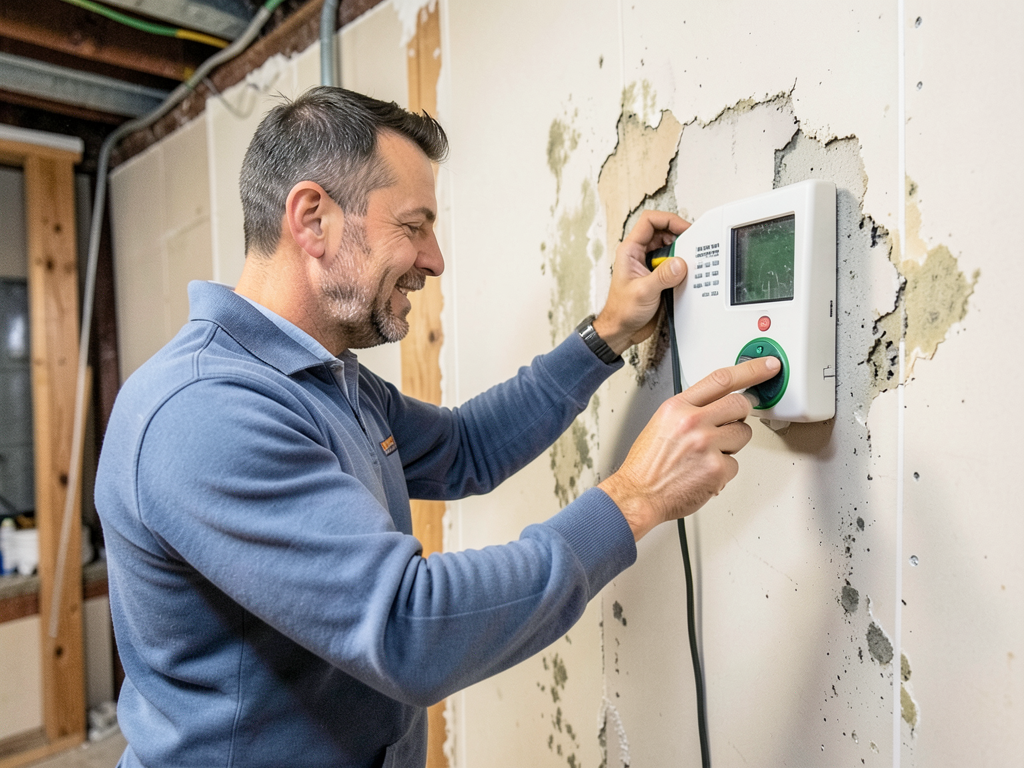
Identifying Black Mold Growth in Older Rental Properties Around Hopkins Living in an older rental property in Hopkins can expose you to hidden dangers like black mold. This toxic fungus thrives in Minnesota’s humid summers…

Protecting Your White Bear Lake Mudroom From Melting Snow and Slush Damage Your mudroom takes…

The Dangers of a Slow Refrigerator Water Line Leak in Your Oakdale Kitchen A slow…

Stopping Rainwater Seepage Through Macalester-Groveland Stone Foundations Rainwater seeping through stone foundations in Macalester-Groveland is…
Water damage spreads every minute you wait. Call Pioneer Water Damage Restoration Minneapolis at (651) 677-5055 for emergency response. Our crews dispatch immediately with truck-mounted extractors and commercial drying equipment. We coordinate directly with your insurance company and guarantee complete structural drying.