




Duluth sits at the intersection of Lake Superior's moisture and Minnesota's brutal freeze-thaw cycles, creating perfect conditions for water damage. Winter temperatures plunge below zero for weeks, freezing pipes in crawl spaces and attics. When spring arrives, rapid snowmelt overwhelms aging stormwater systems in neighborhoods like Woodland and Lakeside, sending runoff into basements.
The city's dramatic elevation changes mean homes in Park Point and Canal Park face flooding from lake-effect storms, while properties in higher areas like Kenwood deal with foundation seepage as water flows downhill. Duluth's older housing stock, much of it built before modern waterproofing standards, features stone foundations that wick moisture and wooden floor joists vulnerable to rot.
Add Lake Superior's humidity, and you get mold growth within 48 hours of any water intrusion. Properties near Chester Creek and Tischer Creek face additional flooding risk during heavy rain events. The combination of extreme weather, aged infrastructure, and geographical challenges means Duluth homeowners need water damage specialists who understand these specific threats, not generic restoration companies reading from a manual.
Pioneer Water Damage Restoration Minneapolis has restored over 3,000 properties across Minnesota's North Shore region, and we understand what Duluth water damage actually looks like. We know that a burst pipe in a Congdon Park home built in 1910 requires different treatment than flooding in a Canal Park commercial space. Our technicians train specifically on the restoration challenges created by Lake Superior's climate and Duluth's unique building construction.
We maintain equipment staging locations that allow 60-minute response times to any Duluth neighborhood, from Lester Park to Spirit Valley. While other companies send a single technician with a shop vac, we arrive with truck-mounted extraction systems, commercial dehumidifiers, thermal imaging cameras, and moisture meters that measure water content in walls and subfloors. This matters because incomplete drying leads to mold, structural damage, and insurance claim denials.
Our restoration process follows IICRC S500 standards, the industry benchmark for water damage remediation. We document everything with photos, moisture readings, and daily progress reports because insurance carriers demand proof of proper mitigation. We also communicate directly with your adjuster, eliminating the back-and-forth that delays payment. Many Duluth restoration companies subcontract the actual work. We employ our own certified technicians who live in the area and respond to your emergency personally. When your basement floods at midnight, you get our team, not an answering service routing calls to whoever's available.

We dispatch certified technicians to Duluth properties within one hour of your call, 24 hours a day. Faster response means less damage, lower restoration costs, and better outcomes with your insurance claim. Our trucks carry industrial extraction and drying equipment, so mitigation starts immediately, not after we order supplies.

Every Pioneer technician holds current IICRC Water Damage Restoration certification and completes continuing education on advanced drying techniques. We follow documented protocols for extraction, structural drying, antimicrobial treatment, and final verification. This certification matters when insurance carriers review your claim and question restoration procedures.
We communicate directly with your insurance adjuster, providing required documentation, moisture readings, photos, and scope of work. This eliminates claim delays and reduces your out-of-pocket costs. We understand what carriers require for approval and document our restoration process to meet those standards from day one.
We've restored hundreds of Duluth properties and understand how Lake Superior humidity, freeze-thaw cycles, and elevation changes affect water damage. Our drying protocols account for local conditions that generic restoration companies miss, preventing callbacks for mold growth and structural issues months after the initial restoration.
Water damage restoration requires more than removing standing water. Proper remediation includes emergency mitigation to stop ongoing damage, structural drying to prevent mold and rot, contamination treatment for sewage or floodwater, reconstruction of damaged building components, and final verification that moisture levels have returned to normal.
Pioneer Water Damage Restoration Minneapolis provides complete water damage cleanup from initial emergency response through final reconstruction. We handle everything under one contract, eliminating coordination headaches between multiple contractors. Our services cover every type of water intrusion Duluth properties face, from clean water supply line failures to category three sewage backups.
We categorize our water removal services into three main areas based on urgency level, contamination type, and structural impact. This approach ensures you get the right response for your specific situation, whether you're dealing with a leaking water heater or a flooded basement from spring runoff. Each service includes moisture monitoring, antimicrobial treatment when needed, and complete documentation for insurance purposes.
When water is actively damaging your property, immediate mitigation prevents thousands in additional losses. We extract standing water using truck-mounted pumps, remove saturated materials that cannot be saved, protect unaffected areas with containment barriers, and begin structural drying within hours of arrival. Emergency mitigation includes water removal from all affected spaces, content protection and pack-out if needed, temporary power setup for drying equipment, and initial moisture mapping to identify hidden water intrusion.
Visible water removal is only the first step. Water absorbed into walls, subfloors, and framing requires industrial dehumidification and air movement equipment running for days. We use thermal imaging to locate trapped moisture, place air movers to create airflow across wet surfaces, position commercial dehumidifiers to remove moisture from the air, and monitor drying progress with daily moisture meter readings. Structural drying continues until all building materials return to dry standard, preventing mold growth and wood rot.
After drying verification, we rebuild damaged areas to match existing construction. Complete restoration includes replacing drywall, insulation, flooring, trim, and any structural components damaged beyond repair. We match existing finishes, textures, and materials so repaired areas blend seamlessly. Our reconstruction team works from detailed scope documents approved by your insurance carrier, and we coordinate inspections required by Duluth building officials for permits. You get a single point of contact from water extraction through final walkthrough.
Duluth's combination of extreme cold, Lake Superior humidity, and aging infrastructure creates water damage scenarios homeowners across Minnesota rarely face. Freeze-thaw cycles stress plumbing systems in ways that don't happen in milder climates. The city's dramatic topography sends runoff downhill into basements during snowmelt and heavy rain. Older homes in neighborhoods like Congdon, Hunters Park, and East Hillside were built before modern waterproofing existed.
Properties near Chester Creek, Tischer Creek, and Miller Creek face flooding during spring runoff and severe storms. Lake Superior's proximity keeps humidity levels high year-round, accelerating mold growth after any water intrusion. Commercial properties in Canal Park and downtown Duluth deal with aging stormwater systems that back up during heavy precipitation. Understanding these specific challenges helps property owners recognize water damage risk before it becomes an emergency. Here are the most common situations we respond to across the greater Duluth area.
Duluth winter temperatures regularly drop below zero, freezing water inside supply lines in exterior walls, crawl spaces, and unheated attics. When temperatures rise, ice expands and ruptures copper and PEX piping. A single burst pipe can discharge hundreds of gallons before someone shuts off the main valve. We respond to frozen pipe failures throughout winter, extracting water from walls, ceilings, and floors before structural damage occurs.
Rapid snowmelt combined with frozen ground creates runoff that overwhelms foundation drainage systems. Water enters through cracks in stone foundations, failed sump pumps, and window wells. Hillside properties see water flowing downhill into basements, and homes near creeks face additional flood risk. Spring flooding often contains soil, sediment, and organic matter that requires specialized cleaning beyond standard water extraction.
Severe storms knock out power across Duluth neighborhoods, disabling sump pumps just when groundwater levels spike. Without pumping capacity, basements fill with water from foundation drains and perimeter tiles. We extract standing water, dry structural components, and recommend battery backup systems to prevent future flooding. Sump pump failures often go unnoticed until inches of water cover basement floors.
Older Duluth neighborhoods have combined sewer systems that carry both sewage and stormwater. Heavy rain overwhelms capacity, forcing sewage back through floor drains into basements. Sewage backups require category three water damage protocols, including removal of contaminated materials, antimicrobial treatment, and air scrubbing. We handle sewage cleanup following IICRC S500 standards to protect your family's health and meet insurance requirements.
Water emergencies create panic. Your basement is flooding, water is pouring from a ceiling, or you've discovered mold growing behind furniture. You need immediate help and clear answers, not vague promises about someone calling you back during business hours.
When you contact Pioneer Water Damage Restoration Minneapolis, you talk to a real person who dispatches a certified technician to your Duluth property within 60 minutes. We walk you through immediate actions to minimize damage while our crew drives to your location. Upon arrival, we assess the situation, explain what needs to happen, and begin emergency mitigation immediately.
We understand water damage restoration feels overwhelming. You're dealing with insurance claims, worried about repair costs, and trying to protect your belongings while water keeps spreading. Our job is to remove that stress by handling everything from extraction through reconstruction. Here's what the restoration process actually looks like when you work with Pioneer.
We arrive within one hour of your call with industrial extraction equipment and moisture detection tools. Our technician explains what happened, identifies the water source, and walks you through the restoration plan before starting work. You receive upfront cost estimates, timeline expectations, and a clear scope of work. We document everything with photos and moisture readings, creating the paper trail your insurance carrier requires. No surprise charges, no vague timelines, no wondering what happens next.
Structural drying takes three to seven days depending on materials affected and extent of water intrusion. We don't extract water and disappear for a week. Our technicians visit your property daily to download data from monitoring equipment, adjust air movers and dehumidifiers, and measure moisture levels in walls and floors. You receive text or email updates explaining drying progress and any issues we discover. We answer your questions in plain language, not technical jargon designed to confuse.
We don't declare your property dry based on guesswork. Final verification requires moisture meter readings confirming all affected materials have returned to dry standard. You receive documentation showing before and after moisture levels, photos of completed work, and antimicrobial treatment certificates. If reconstruction is needed, we provide a detailed bid matching insurance scope documents and complete repairs using licensed contractors. Our work carries a one-year guarantee covering both restoration and reconstruction.
We follow IICRC S500 standards for water damage restoration, a systematic approach that ensures complete moisture removal and prevents secondary damage. Here's how the process works.
Call (651) 677-5055 any time, day or night. Our dispatcher gathers information about your water emergency, provides immediate damage control advice, and sends a certified technician to your Duluth property within 60 minutes. We ask about the water source, affected areas, and any safety concerns like electrical hazards or structural damage. You receive an estimated arrival time and direct contact information for the responding technician. We stay on the phone until you understand next steps.
Our crew extracts standing water using truck-mounted pumps, removes unsalvageable materials like saturated carpet padding and damaged drywall, and sets up industrial air movers and dehumidifiers. We use thermal imaging cameras to locate hidden moisture in wall cavities and subfloors. Moisture mapping identifies all affected areas, preventing mold growth in spaces that look dry. Equipment runs continuously while technicians monitor progress with daily moisture readings. Drying continues until verification testing confirms all building materials have returned to dry standard.
After drying verification, our reconstruction team rebuilds damaged areas to match existing construction. We replace drywall, insulation, flooring, trim, and any structural components beyond repair. Paint and finishes match surrounding areas for seamless integration. Final walkthrough includes moisture documentation, before and after photos, and antimicrobial treatment certificates. You receive complete restoration records for insurance claim closeout. Our one-year guarantee covers all restoration work, giving you confidence the job was done right.
The Institute of Inspection Cleaning and Restoration Certification publishes ANSI/IICRC S500, the national standard for water damage restoration. This document defines proper procedures for assessment, mitigation, and restoration based on water contamination level and materials affected. Insurance carriers reference S500 standards when reviewing claims, and failure to follow documented protocols can result in claim denial.
Water damage falls into three categories based on contamination. Category one involves clean water from supply lines, with minimal health risk. Category two includes gray water from appliance discharge or toilet overflow, containing some contamination. Category three is grossly contaminated black water from sewage backups or flooding, requiring specialized handling and disposal procedures.
Each category requires different extraction methods, drying protocols, and antimicrobial treatments. Category three water damage demands removal and disposal of all porous materials that contacted contaminated water, including drywall, insulation, carpet, and padding. Non-porous surfaces require antimicrobial cleaning following EPA-registered disinfectant protocols.
Proper structural drying follows specific psychrometric principles measuring temperature, humidity, and airflow. We calculate grain depression, the difference between indoor air moisture content and outdoor air, to determine optimal dehumidification strategy. Closed drying systems work better in humid Duluth summers while open systems using outside air assist winter drying when outdoor humidity drops.
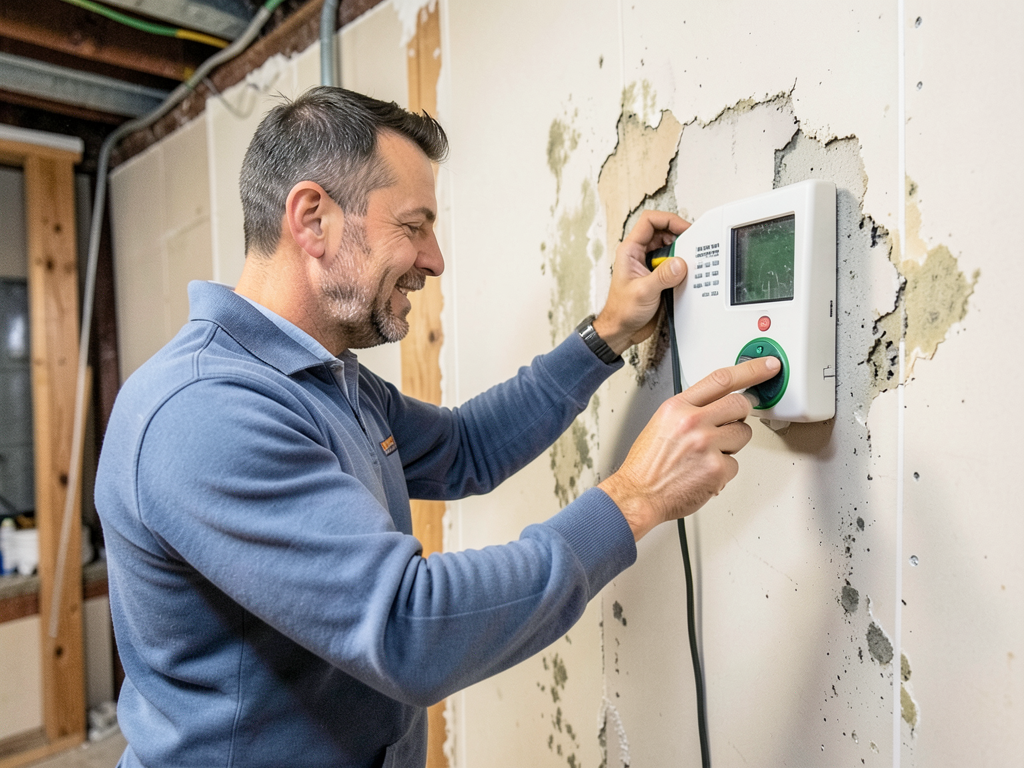
Moisture meters measure water content in wood framing, drywall, and concrete using electrical resistance or radio frequency. We document readings at initial assessment and throughout drying, creating data logs that prove materials returned to dry standard. Thermal imaging cameras detect temperature differences caused by evaporative cooling, revealing hidden moisture in walls and ceilings not visible to moisture meters. This equipment prevents the number one mistake in water damage restoration, declaring a structure dry based on surface observations while moisture remains trapped in building cavities.
Category one clean water requires standard extraction and drying. Category two gray water demands antimicrobial treatment of affected materials. Category three black water requires removal and disposal of all porous materials, antimicrobial treatment of structural components, and air scrubbing using HEPA filtration. Insurance carriers deny claims when restoration companies treat category three water damage using category one protocols.
Water damage restoration costs depend on water volume, affected square footage, contamination category, materials damaged, and drying time required. A burst supply line affecting 500 square feet costs substantially less than sewage backup flooding an entire basement. Stone foundations common in older Duluth homes require longer drying periods than modern poured concrete. Insurance typically covers sudden water damage but excludes gradual leaks and maintenance issues.
Structural drying takes three to seven days for typical water damage affecting wood framing and drywall. Concrete foundations and stone basement walls require seven to fourteen days. Companies promising 24-hour drying either lack proper equipment or cut corners that lead to mold growth. Rushed drying leaves moisture trapped in building cavities, creating problems months after equipment removal. Proper restoration cannot be rushed past physical limitations of moisture evaporation.
IICRC Water Damage Restoration Technician certification requires classroom training, field experience, and written examination covering water damage science, psychrometrics, microbial contamination, structural drying, and documentation protocols. Applied Structural Drying certification adds advanced training in moisture measurement, heat drying systems, and commercial applications. Technician certification ensures proper restoration procedures, equipment use, and insurance documentation standards. Hiring uncertified companies risks improper drying and claim complications.
Pioneer Water Damage Restoration Minneapolis maintains rapid response capability across all Duluth neighborhoods and surrounding St. Louis County communities. We've restored properties from the Canal Park waterfront to Spirit Valley's western boundary, understanding how water damage challenges vary across the city's dramatic topography.
Homes in Lakeside and Lester Park face flooding risk from proximity to Lake Superior and local creek systems. These East Duluth neighborhoods experience basement water intrusion during spring runoff and severe storms when Lester River and Tischer Creek overflow. Properties built on hillsides deal with groundwater flowing downhill into foundations, requiring robust sump pump systems and exterior drainage.
Central Hillside, Congdon, and Hunters Park feature Duluth's oldest housing stock, much of it built between 1890 and 1920 with stone foundations and minimal waterproofing. We've restored dozens of these historic homes, understanding how water migrates through rubble stone foundations and damages wooden floor systems. The neighborhood's steep streets send runoff downhill during heavy rain, overwhelming aging stormwater infrastructure and flooding basements along grade changes.
Woodland and Northland neighborhoods experience burst pipe emergencies throughout winter when temperatures plunge below zero for extended periods. These areas sit at higher elevation, exposing plumbing in exterior walls to extreme cold. We respond to frozen pipe failures across these West Duluth communities, extracting water from finished basements and main floor living spaces before structural damage occurs.
Downtown commercial properties and Canal Park businesses face water damage from aging building infrastructure, roof leaks, and proximity to Lake Superior. We've handled emergency restoration for retail spaces, restaurants, hotels, and office buildings, working overnight to minimize business interruption and revenue loss. Commercial restoration requires different protocols than residential work, including rapid content pack-out, antimicrobial treatment of inventory, and coordination with health inspectors for food service establishments.
Park Point presents unique challenges due to its sandbar geography and water table just feet below grade. Homes on the Point deal with high groundwater, requiring continuous sump pump operation and foundation waterproofing maintenance. We've responded to flooding emergencies across Park Point when power outages disable pumps during storms, extracting water before it damages finished living spaces.
Our service area extends beyond Duluth city limits to include Hermantown, Proctor, Superior Wisconsin, and rural St. Louis County properties along Highway 61 toward Two Harbors. We maintain equipment staging that allows 60-minute response across this coverage area, ensuring rapid mitigation regardless of location.
Pioneer Water Damage Restoration Minneapolis is proud to be a dedicated, locally owned company centrally located to serve the entire metro area and surrounding communities. We invite you to view our service area on the map to confirm we cover your neighborhood, ensuring you receive the fastest possible emergency response whenever disaster strikes. Our commitment is always to our community’s property owners and their complete, timely recovery.
Address:
Duluth, MN, 55802
Identifying Black Mold Growth in Older Rental Properties Around Hopkins Living in an older rental property in Hopkins can expose you to hidden dangers like black mold. This toxic fungus thrives in Minnesota’s humid summers…

Protecting Your White Bear Lake Mudroom From Melting Snow and Slush Damage Your mudroom takes…

The Dangers of a Slow Refrigerator Water Line Leak in Your Oakdale Kitchen A slow…

Stopping Rainwater Seepage Through Macalester-Groveland Stone Foundations Rainwater seeping through stone foundations in Macalester-Groveland is…
Water damage spreads every minute you wait. Pioneer Water Damage Restoration Minneapolis responds to Duluth emergencies 24/7 with certified technicians and industrial equipment. Call (651) 677-5055 now for immediate dispatch. We'll stop the damage, dry your property completely, and work directly with your insurance carrier.