



Eagan sits in the Minnesota River Valley where clay soil and fluctuating water tables create perfect conditions for basement flooding and foundation seepage. Spring snowmelt combines with heavy rainfall to overwhelm sump pumps across neighborhoods from Thomas Lake to Lexington. The freeze-thaw cycles that hit Eagan between November and April crack pipes in walls and attics, leading to burst pipe emergencies that flood multiple floors before homeowners even notice.
Your property faces additional risks from Eagan's building stock. Many homes near Cedar Grove and Cascade Bay were built in the 1970s and 80s with original plumbing and water heaters now past their expected lifespan. When these systems fail, they dump 40 to 80 gallons of water into finished basements and living spaces. Commercial properties along Yankee Doodle Road and Promenade Avenue deal with flat roof drainage issues that send water through ceiling tiles and into office spaces during heavy storms.
The moisture doesn't just damage your property. It creates mold growth within 24 to 48 hours in Eagan's humid summer conditions. Your walls, insulation, and subflooring become breeding grounds for spores that spread through your HVAC system. Fast water extraction and thorough drying protect your investment and your health.
We built our reputation in the Twin Cities metro by showing up fast and finishing the job right. Our dispatch center sends the closest crew to your Eagan property with truck-mounted extraction equipment and commercial dehumidifiers that pull moisture from spaces other companies leave damp. You get a team that knows how water travels through split-level homes common in Blackhawk and how to dry crawl spaces in properties near Lebanon Hills Regional Park.
Our technicians hold IICRC certifications in water damage restoration and applied structural drying. These credentials mean we follow proven protocols that insurance companies trust and adjusters recognize as industry standard. We document moisture readings at initial assessment and throughout the drying process, creating the paper trail your claim needs. Most restoration companies take photos and hope for the best. We use thermal imaging cameras to find hidden moisture in wall cavities and beneath flooring, then prove it's dry before we pack up.
You work with one project manager from emergency call to final walk-through. No confusion about who's handling what or when crews will arrive. We coordinate directly with your insurance adjuster, forward documentation they request, and explain what your policy covers. Our goal is removing the stress of restoration logistics while you handle everything else a water emergency disrupts. We've restored hundreds of Eagan properties over the past decade, and homeowners recommend us because we answer calls at 2 AM and show up ready to work.

Our crews dispatch to Eagan locations within one hour of your call, day or night. We stage equipment throughout the metro area so you're never waiting while water spreads through your property. Fast response limits damage and reduces restoration costs by stopping water migration before it reaches additional rooms or building materials.

We bill your insurance company directly and provide the documentation adjusters need to process your claim quickly. You receive detailed moisture readings, photo documentation, and equipment logs that satisfy carrier requirements. Our estimates use Xactimate software that adjusters reference, eliminating disputes over pricing and speeding approvals.
Every technician on your project holds current certification from the Institute of Inspection, Cleaning and Restoration Certification. We follow IICRC S500 standards for water damage restoration and applied structural drying protocols that insurance companies recognize as proper industry practice. Certification means proven competence, not just experience.
We've restored properties throughout Eagan for over ten years and know how water behaves in local construction types. Our teams understand the drainage challenges near the Minnesota River Valley and the basement configurations common in Cedar Grove developments. Local knowledge means faster assessment and more efficient drying strategies for your specific property.
Water emergencies take different forms, and your response needs to match the situation. A burst washing machine hose requires different equipment and procedures than a sewer backup or storm flooding. Pioneer Water Damage Restoration Minneapolis provides specialized services for every type of water intrusion affecting Eagan homes and businesses.
Our emergency response services focus on immediate damage control when water is actively flowing or standing. Restoration services handle the complete drying, cleaning, and reconstruction process after we control the source. Mitigation services work to prevent future water damage through moisture barrier installation, waterproofing, and drainage improvements.
Each service category uses specific equipment and follows distinct protocols. Emergency water removal deploys truck-mounted extractors and portable pumps. Structural drying uses commercial dehumidifiers, air movers, and moisture monitoring equipment. Mitigation projects install sump pump systems, interior drainage, and vapor barriers. We match the response to your situation rather than applying generic solutions that leave moisture behind or fail to prevent recurring problems.
Immediate response to active water emergencies including burst pipes, appliance failures, and sewer backups. We arrive within 60 minutes to extract standing water, remove damaged materials, and set up drying equipment. Our trucks carry submersible pumps, truck-mounted extractors, and commercial air movers that begin the drying process before water soaks deeper into walls and subflooring. Every emergency response includes moisture mapping and photo documentation for insurance claims.
Thorough drying of building materials using industrial dehumidifiers, air movers, and moisture monitoring equipment. We follow IICRC S500 standards for applied structural drying, measuring moisture levels in walls, floors, and ceilings until readings return to normal. Our technicians monitor conditions daily and adjust equipment placement to ensure complete drying. This service prevents mold growth and preserves materials like hardwood floors and drywall that might otherwise require replacement.
Permanent solutions to recurring water problems including sump pump installation, interior drainage systems, and foundation waterproofing. We assess why water enters your property and design systems that keep it out. Services include vapor barrier installation in crawl spaces, exterior grading correction, and backup sump pump systems that protect against power failures. Mitigation work prevents future water damage emergencies and protects your property investment long term.
Eagan's location in the Minnesota River Valley and its clay soil composition create specific water intrusion patterns we see repeatedly. Properties near Lebanon Hills and Cliff Lake deal with high water tables that push groundwater through foundation walls during spring thaw. Homes in Thomas Lake and Cedar Grove have basement seepage issues tied to poor exterior drainage and settled foundation footings.
The freeze-thaw cycle that runs from November through April causes pipe failures in exterior walls and unheated spaces. Water expands when it freezes, cracking copper pipes and PEX connections that burst when temperatures rise above freezing. We respond to multiple burst pipe emergencies every winter across Eagan, especially during cold snaps followed by rapid warming.
Commercial properties face different challenges. Flat roofs on buildings along Yankee Doodle Road and Promenade Avenue develop drainage problems as roof membranes age and drains clog with debris. Water ponds on the roof, finds gaps in flashing, and leaks through ceiling tiles into office and retail spaces. These slow leaks often go unnoticed until significant damage occurs.
Clay soil and high water tables push groundwater through foundation cracks and floor seams during heavy rainfall and snowmelt. Water seeps through walls or bubbles up through floor drains, flooding finished basements and damaging stored belongings. Without proper drainage systems and sump pump capacity, basements flood repeatedly every spring.
Pipes in exterior walls and unheated attics freeze during cold snaps, then burst when temperatures warm up. The resulting flood can dump hundreds of gallons into walls and ceilings before homeowners shut off water. Burst pipes cause extensive damage to multiple floors, requiring emergency extraction and complete structural drying of wall cavities.
Water heaters in Eagan's older homes reach the end of their 10 to 12 year lifespan and fail without warning. A corroded tank bottom releases 40 to 80 gallons onto basement floors, soaking finished living spaces, carpeting, and stored items. The damage spreads quickly across open basement floors and into adjacent rooms.
Heavy storms overwhelm gutters and exterior grading, sending water against foundations where it finds cracks and gaps. Water flows into basements through window wells, foundation seams, and utility penetrations. Properties without proper drainage systems flood during every significant rainfall event, causing recurring water damage that compounds over time.
Water emergencies create chaos and stress. You need clear communication about what happens next and when crews will arrive. Pioneer Water Damage Restoration Minneapolis follows a structured response process that removes confusion and gets your property dry as quickly as possible.
Your experience starts the moment you call our dispatch center. We answer 24 hours a day, every day of the year. You speak with a trained specialist who asks targeted questions about your water emergency, determines what equipment and crew size you need, and dispatches the closest available team. You receive an estimated arrival time and a callback number to reach your project manager directly.
Our crews arrive with equipment already loaded and ready to deploy. We don't need to return to the shop for extractors or dehumidifiers. Your project manager walks through the affected areas with you, explains what we're seeing, and outlines the restoration plan. We start work immediately after you approve the scope. Throughout the project, you receive daily updates on drying progress and timeline adjustments. We don't disappear for days and show up randomly to check equipment.
Our dispatch center answers your call 24/7 and sends crews to your Eagan location within 60 minutes. You receive a direct phone number for your project manager who coordinates every aspect of your restoration. We answer questions promptly, explain what we're doing and why, and keep you informed about timeline and progress. No waiting days for callbacks or wondering when crews will arrive.
We document everything your insurance company needs to process your claim quickly. You receive detailed moisture readings, photographs of affected areas, equipment logs, and itemized estimates in Xactimate format. Our project managers communicate directly with your adjuster, answer their questions, and provide supplemental documentation they request. We handle the paperwork burden so you can focus on other priorities.
We don't remove equipment based on guesswork or timelines. Your project manager tests moisture levels in affected materials daily using calibrated meters and removes drying equipment only after readings return to normal ranges. You receive a final moisture report showing your property is completely dry and ready for reconstruction. This verification protects you from mold growth and ensures thorough restoration.
We follow a proven sequence that stops damage progression, removes all moisture, and restores your property to pre-loss condition. Each step builds on the previous phase to ensure complete restoration.
We remove standing water using truck-mounted extractors and portable pumps within minutes of arrival. Our crews pull water from carpets, pads, and hard surfaces, then remove wet materials that can't be saved like saturated drywall and insulation. We set up containment barriers to prevent water migration into unaffected areas and begin air circulation to start the drying process. Your property manager documents all damage with photos and moisture readings for insurance purposes.
Industrial dehumidifiers and air movers run continuously to pull moisture from walls, floors, and ceilings. We monitor moisture levels daily in affected materials and adjust equipment placement to target problem areas. Drying typically takes three to five days depending on materials affected and humidity levels. We provide daily progress updates and don't remove equipment until moisture readings verify complete drying throughout the structure.
After verification testing confirms complete drying, we clean and sanitize all affected surfaces. Antimicrobial treatments prevent mold growth on materials exposed to water. We coordinate reconstruction of removed materials including drywall, insulation, flooring, and trim. Your project manager schedules all work phases and ensures quality control throughout reconstruction. The final walk-through confirms your property is restored to pre-loss condition.
Professional water damage restoration follows specific standards established by the Institute of Inspection, Cleaning and Restoration Certification. These IICRC S500 standards classify water damage by contamination level and affected materials, then prescribe appropriate remediation procedures. Pioneer Water Damage Restoration Minneapolis technicians hold IICRC certification in water damage restoration and applied structural drying, ensuring we follow proper protocols for every situation.
Water damage falls into three categories based on contamination. Category 1 water comes from sanitary sources like supply lines and poses no health threat. Category 2 water contains contaminants that can cause illness and comes from sources like washing machine discharge or toilet overflow with urine but no feces. Category 3 water is grossly contaminated with sewage, flooding from rivers or storm surge, and requires complete removal of affected porous materials and aggressive antimicrobial treatment.
Drying procedures depend on which building materials absorbed water. Hardwood floors require specific moisture content targets measured with pin-type or pinless moisture meters. Drywall and insulation in wall cavities need different drying approaches than structural lumber or concrete foundations. We follow IICRC drying standards that specify target moisture content for each material type and verify results through daily testing.
Minnesota's climate affects drying timeframes and equipment requirements. Summer humidity slows evaporation and requires additional dehumidification capacity. Winter heating systems can help or hinder drying depending on the affected materials and location within the structure. Our technicians adjust equipment placement and capacity based on ambient conditions and material readings rather than following generic timelines.
Insurance companies in Minnesota expect restoration contractors to follow IICRC standards and document compliance. Adjusters look for moisture mapping, daily monitoring logs, and verification testing that confirms complete drying. Our documentation meets or exceeds these carrier requirements, reducing claim disputes and speeding approvals.
Water is classified by contamination level into three categories. Category 1 is clean water from supply lines. Category 2 contains contaminants like appliance discharge. Category 3 is grossly contaminated with sewage or flooding. Each category requires different safety protocols, material removal decisions, and antimicrobial treatment. We identify the water category during initial assessment to ensure proper remediation procedures.
Costs depend on water volume, contamination category, affected materials, and structural access. Clean water affecting hard surfaces costs less to remediate than sewage backup soaking drywall and insulation. Equipment needs vary based on humidity levels and material types. Most insurance policies cover water damage restoration minus your deductible. We provide detailed estimates in Xactimate format that insurance companies recognize as accurate pricing.
Complete structural drying typically takes three to five days for most residential water damage. Large losses or difficult materials like hardwood floors may require seven to ten days. We monitor moisture daily and remove equipment only after testing confirms materials have reached normal moisture content. Rushing the process leads to mold growth and structural problems. Timeline estimates during initial assessment become more accurate as drying progresses.
Reconstruction work after water damage must comply with current Minnesota building codes even if your home was built under older standards. This affects electrical work, insulation R-values, and ventilation requirements in restored spaces. We coordinate required permits and inspections with Eagan building officials. Code compliance protects your property value and ensures insurance coverage remains valid. Most carriers require permitted work for significant reconstruction.
Pioneer Water Damage Restoration Minneapolis maintains rapid response capability throughout Eagan and neighboring Dakota County communities. Our service area covers residential neighborhoods from Thomas Lake and Cedar Grove in the north to the developments near Cliff Lake and Nicols Lake in the southern part of the city. We respond to commercial water emergencies along the Yankee Doodle Road corridor and throughout the business districts near Promenade Avenue and Lone Oak Road.
Properties near Lebanon Hills Regional Park face unique water challenges due to proximity to the park's wetlands and elevation changes that affect drainage patterns. We've restored dozens of homes in this area and understand how groundwater behaves during spring thaw and heavy rainfall. The split-level and rambler-style homes common in Blackhawk and Lexington require specific drying approaches since water travels differently through these floor plans compared to two-story colonials.
Our response extends beyond Eagan's borders to serve Burnsville, Apple Valley, Rosemount, and Mendota Heights. Water doesn't respect city boundaries, and neither do we. Properties along the Minnesota River valley from Eagan south to Rosemount deal with similar flooding risks and soil conditions. Commercial buildings throughout the Highway 77 and Interstate 35E corridors receive the same rapid response and professional service regardless of location.
The northern sections of Eagan near Pilot Knob Road connect to Mendota Heights and West St. Paul. We serve this entire area with the same 60-minute response commitment we make to properties in south Eagan near the Rosemount border. Our familiarity with Dakota County's geography means we know the fastest routes to your property during rush hour and can dispatch crews from optimal staging locations.
Properties near the Eagan Core business district and surrounding office parks have different water damage profiles than residential areas. We respond to failures in commercial HVAC systems, roof drainage issues, and sprinkler system malfunctions that flood office spaces and retail locations. Our commercial experience includes work throughout the Twin Cities metro, and we bring that expertise to every Eagan business emergency.
Whether your property sits in established neighborhoods near the Minnesota River or newer developments in the southeast corner of the city, you receive the same professional service and rapid response. We know Eagan's streets, understand local construction types, and maintain relationships with property managers and insurance adjusters who work throughout the area.
Pioneer Water Damage Restoration Minneapolis is proud to be a dedicated, locally owned company centrally located to serve the entire metro area and surrounding communities. We invite you to view our service area on the map to confirm we cover your neighborhood, ensuring you receive the fastest possible emergency response whenever disaster strikes. Our commitment is always to our community’s property owners and their complete, timely recovery.
Address:
Eagan, MN, 55123
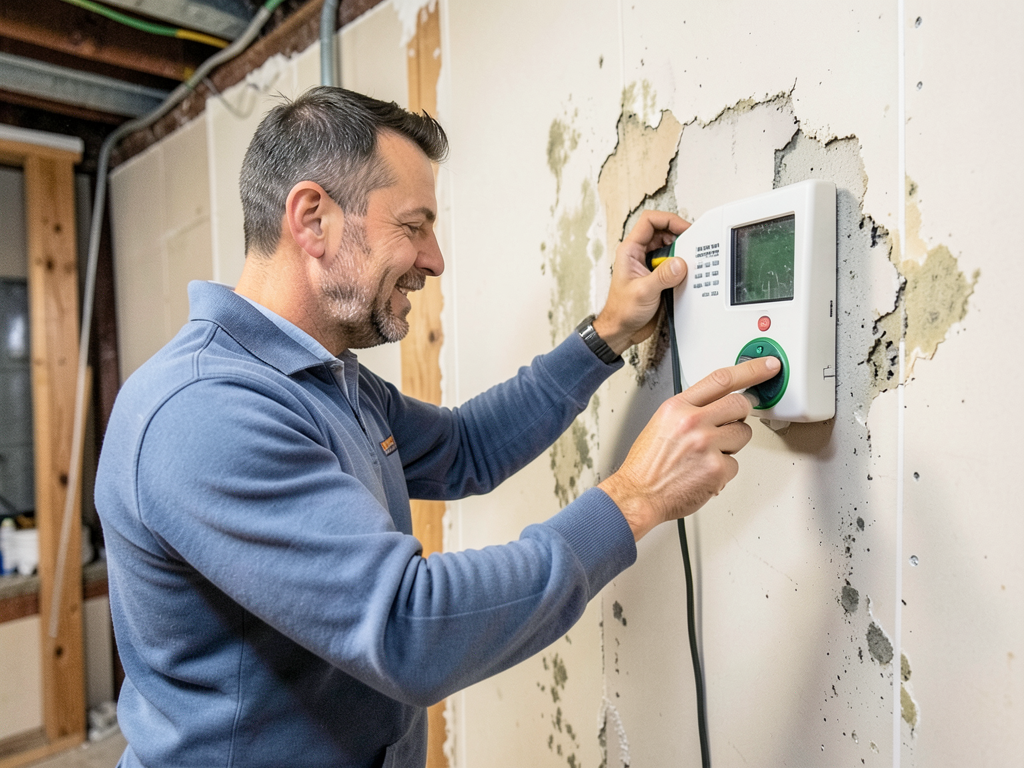
Identifying Black Mold Growth in Older Rental Properties Around Hopkins Living in an older rental property in Hopkins can expose you to hidden dangers like black mold. This toxic fungus thrives in Minnesota’s humid summers…

Protecting Your White Bear Lake Mudroom From Melting Snow and Slush Damage Your mudroom takes…

The Dangers of a Slow Refrigerator Water Line Leak in Your Oakdale Kitchen A slow…

Stopping Rainwater Seepage Through Macalester-Groveland Stone Foundations Rainwater seeping through stone foundations in Macalester-Groveland is…
Water damage gets worse every hour you wait. Call Pioneer Water Damage Restoration Minneapolis at (651) 677-5055 right now for immediate dispatch to your Eagan property. Our crews respond 24/7 with equipment ready to extract water and start drying.