




Eden Prairie sits on glacial till soils with high clay content that expands when wet and shrinks when dry. This creates hydrostatic pressure against foundation walls, especially in neighborhoods like Prairie Hills and Hennepin Village where homes were built in the 1970s and 1980s. When spring thaw combines with heavy rainfall, basements flood fast. The city averages 32 inches of precipitation annually, with intense summer storms dropping two inches in an hour.
Minnesota freeze-thaw cycles destroy plumbing. Water lines freeze at negative 20 degrees, expand, and rupture when temperatures swing back above freezing. This happens multiple times each winter across Eden Prairie. Homes near Staring Lake and Riley Creek face additional risk from high water tables that saturate foundation walls during wet seasons. Older homes in Flying Cloud and Duck Lake areas often have clay sewer lines that crack under soil movement, creating backflow conditions during heavy rain events. Each of these conditions requires different extraction methods, drying protocols, and structural assessments to prevent permanent damage.
Water damage restoration is not cleaning. It is forensic moisture detection, structural drying science, and microbial remediation. Most companies show up with shop vacs and fans. We arrive with thermal imaging to map moisture migration through wall cavities, hygrometers to measure humidity levels in building materials, and truck-mounted extraction systems that pull thousands of gallons per hour.
Our technicians hold IICRC certifications in water damage restoration and applied structural drying. This means we understand vapor pressure, psychrometry, and dew point calculations that determine drying time. We do not guess when your home is dry. We document it with moisture meters calibrated to ANSI standards. Insurance adjusters trust our reports because they meet industry protocols for claim documentation.
We have restored Eden Prairie homes since 2015. We know how water moves through the split-level designs common in Hennepin Village. We understand the crawl space ventilation issues in Prairie Hills homes. We have pulled saturated insulation from hundreds of basements in Duck Lake and Riley Lake neighborhoods. This local knowledge means faster diagnosis and zero wasted motion during emergency response.
You call once. We handle extraction, structural drying, content pack-out, antimicrobial treatment, dehumidification, and reconstruction coordination. One project manager. One invoice. One point of contact with your insurance carrier. We bill directly to insurance and guarantee our drying protocols prevent mold growth. If it grows within 12 months, we return at no charge.

Water damage doubles every hour. Drywall wicks moisture vertically at six inches per hour. Hardwood floors cup within four hours of saturation. We guarantee arrival within 60 minutes across Eden Prairie, 24 hours per day, 365 days per year. Our trucks stage with full extraction and drying equipment ready to deploy the moment you call.

You should not pay out of pocket while waiting for insurance reimbursement. We bill your carrier directly and work within Xactimate pricing that adjusters use to approve claims. We document every step with photos, moisture readings, and equipment logs that satisfy claim requirements. Most customers pay only their deductible.
The Institute of Inspection Cleaning and Restoration Certification sets industry standards for water damage restoration. Our technicians complete coursework in psychrometry, microbial remediation, and structural drying systems. This training prevents the mistakes that cause mold growth, warped floors, and denied insurance claims. Certification matters when your home is on the line.
We restore homes in your neighborhood every week. We know the foundation designs, soil conditions, and drainage patterns across Eden Prairie. We understand how water enters basements in Prairie Hills versus Duck Lake. This local expertise means accurate diagnosis, faster drying, and zero surprises during restoration. Your neighbors trust us. You should too.
Water damage restoration requires immediate extraction, controlled structural drying, microbial prevention, and reconstruction coordination. Each phase demands different equipment, expertise, and protocols. Extraction removes standing water within hours. Drying pulls moisture from materials over days using dehumidification and air movement. Remediation treats contamination. Reconstruction returns your home to pre-loss condition.
We provide complete water removal services from emergency dispatch through final walkthrough. Our technicians assess damage severity, classify water contamination levels, and design drying plans specific to your home's construction. We extract water from carpets, pads, hardwood floors, and wall cavities. We monitor moisture levels daily using thermal imaging and hygrometers. We treat for microbial growth and coordinate reconstruction trades. One company. One project manager. Complete restoration from start to finish across every neighborhood in Eden Prairie.
Standing water destroys building materials within hours. Our truck-mounted extractors pull thousands of gallons from basements, crawl spaces, and living areas before saturation spreads. We remove soaked carpets, pads, and insulation that cannot be saved. Submersible pumps handle deep flooding. Weighted extraction tools press water from hardwood floors and subfloors. Speed determines how much we save versus replace. We arrive fast and work faster to protect your property investment.
Wet drywall and framing lumber create perfect conditions for mold growth within 48 hours. We deploy commercial dehumidifiers that remove 200 pints of moisture per day while high-velocity air movers create airflow across wet surfaces. Thermal imaging cameras map hidden moisture in wall cavities. Moisture meters track drying progress in wood framing and concrete. We monitor conditions daily and adjust equipment placement until materials reach equilibrium moisture content. Insurance claims require this documentation to approve payment.
Sewage backups and sump pump failures introduce bacteria, viruses, and parasites into your home. This Category 3 contamination requires complete removal of porous materials and antimicrobial treatment of all affected surfaces. We wear protective equipment during extraction and dispose of contaminated materials following EPA protocols. Hospital-grade disinfectants treat floors, walls, and remaining structures. Air scrubbers with HEPA filters remove airborne pathogens during drying. We test for clearance before returning your home to safe occupancy.
Eden Prairie experiences four distinct seasons with extreme temperature swings and heavy precipitation. Winter freeze-thaw cycles burst pipes. Spring snowmelt saturates foundations. Summer storms overwhelm drainage systems. Fall freezes catch homeowners before winterization. Each season creates different failure points in residential plumbing and building envelopes.
Homes built before 1990 face additional risks from outdated materials and construction methods. Clay sewer lines crack under soil movement. Cast iron drain pipes corrode from the inside. Original sump pumps fail after 20 years of service. These age-related failures combine with Eden Prairie's climate and soil conditions to create predictable damage patterns across neighborhoods. Understanding these risks helps homeowners recognize warning signs before catastrophic failure occurs.
When temperatures drop below negative 10 degrees for extended periods, water lines freeze in exterior walls, crawl spaces, and unheated garages. Ice expansion creates pressure that ruptures copper and PEX piping. The damage reveals itself when temperatures rise and ice melts, releasing hundreds of gallons into wall cavities and ceilings. Immediate shutoff and extraction prevent total loss.
Eden Prairie receives heavy snowfall that melts rapidly in March and April. When frozen ground prevents absorption, runoff overwhelms foundation drains and window wells. Hydrostatic pressure forces water through foundation cracks and floor joints. Homes near Staring Lake and Riley Creek face the highest risk during rapid thaw events combined with spring rainfall.
Severe thunderstorms knock out power across Eden Prairie multiple times each summer. Without electricity, sump pumps stop running while groundwater continues entering basement sumps. Basements flood within hours during active rain events. Battery backup systems and water-powered backup pumps prevent this scenario, but most homes lack secondary protection when primary pumps fail.
Rubber supply hoses degrade after five years of service. Burst hoses release water at 60 PSI until someone shuts off the main valve. Second-floor laundry rooms create the worst damage because water flows through ceiling cavities into first-floor walls and living spaces. Braided stainless steel hoses prevent this common failure mode but require replacement before deterioration begins.
Water damage creates chaos and panic. You need someone who answers the phone, arrives fast, and knows exactly what to do. Our emergency process eliminates confusion and puts you back in control of the situation.
When you call our emergency line, a live person answers within three rings. No voicemail. No call-back delays. We collect your address, damage description, and insurance information during the initial call. Our dispatcher confirms technician arrival time and walks you through immediate safety steps like shutting off water sources and electricity to affected areas.
A project manager and technician team arrives within 60 minutes with extraction equipment loaded. They assess damage severity, photograph conditions for insurance documentation, and begin water removal immediately. You receive a detailed scope of work and drying plan before any charges apply. Most Eden Prairie homeowners see equipment running within 90 minutes of their first phone call.
You receive a dedicated project manager who handles every detail from emergency response through final invoice. This single point of contact answers your questions, coordinates with your insurance adjuster, and schedules all restoration phases. Daily updates arrive via text or email with moisture readings and equipment status. You know what is happening, when it will finish, and what it costs. No surprises. No runaround. Just clear information when you need it most.
We deploy commercial-grade extractors, dehumidifiers, air movers, and monitoring equipment that meets IICRC S500 standards for water damage restoration. Thermal imaging cameras map moisture through walls. Moisture meters track drying progress in building materials. Hygrometers measure relative humidity and temperature to calculate vapor pressure. This is not consumer-grade equipment from hardware stores. These are professional tools that cost thousands of dollars and require training to operate correctly.
We do not remove equipment until moisture readings reach equilibrium levels that prevent mold growth. Most drying projects require three to five days of continuous dehumidification. We document final readings and provide certification that materials meet industry dry standards. If mold appears within 12 months due to incomplete drying, we return and remediate at no charge. This guarantee protects your investment and gives you confidence the job finished correctly.
Emergency water damage restoration follows a proven sequence that stops damage progression, removes moisture, and returns your home to safe occupancy. Our process eliminates guesswork and delivers predictable results every time.
Our team arrives within 60 minutes to assess damage severity and water contamination category. We photograph conditions, measure affected areas, and design an extraction plan. Truck-mounted pumps remove standing water from basements and crawl spaces. Weighted extraction tools press water from carpets and hardwood floors. We remove unsalvageable materials like soaked drywall, insulation, and padding. This phase typically completes within four to six hours depending on damage extent.
Commercial dehumidifiers and high-velocity air movers run continuously to pull moisture from building materials. We monitor humidity levels, temperature, and material moisture content twice daily. Thermal imaging tracks moisture migration through wall cavities. Drying chambers contain airflow over wet surfaces to maximize evaporation rates. This phase requires three to five days for most residential water damage. We adjust equipment placement based on daily readings until materials reach equilibrium moisture content.
Once drying completes, we treat all affected surfaces with antimicrobial solutions to prevent mold growth. Air scrubbers remove airborne particles and odors. We coordinate reconstruction trades for drywall replacement, painting, flooring installation, and finish carpentry. Your project manager schedules inspections and handles final walkthrough. Most Eden Prairie homeowners return to normal occupancy within seven to ten days of initial water damage.
Water damage restoration is applied building science. Success requires understanding psychrometry, vapor pressure, and material absorption rates. The IICRC S500 Standard provides protocols for water damage restoration based on decades of research into drying science and microbial growth prevention.
Water exists in three states within buildings. Free water pools on surfaces and extracts easily. Absorbed water saturates porous materials like drywall, insulation, and wood framing. Bound water chemically adheres to material surfaces at the molecular level. Each state requires different removal methods and drying times.
Relative humidity and temperature create vapor pressure that drives moisture movement. Dehumidification lowers ambient humidity below material moisture content, causing evaporation. Air movement accelerates this process by replacing saturated air with dry air at material surfaces. The relationship between temperature, humidity, and air movement determines drying speed.
Minnesota building codes require moisture barriers and vapor retarders in residential construction. These barriers prevent moisture migration under normal conditions but trap water during damage events. We create drying chambers that overcome vapor barriers using negative air pressure and targeted airflow. This pulls moisture through the path of least resistance instead of forcing it deeper into wall cavities.
Class 1 through Class 4 water damage categories determine equipment needs and drying time. Class 1 affects less than 5% of materials in a room. Class 4 involves specialty drying situations like hardwood floors, stone, and crawl spaces. Eden Prairie basements typically qualify as Class 2 or Class 3 damage due to concrete foundation walls and finished living spaces. Each class requires different air mover and dehumidifier ratios calculated by affected square footage.
Category 1 water comes from clean sources like supply lines. Category 2 contains contamination from appliance discharge or toilet overflow without feces. Category 3 is grossly contaminated sewage or flood water. Categories determine which materials can be saved versus requiring disposal. Category 3 contamination mandates removal of all porous materials that contacted water including drywall, insulation, carpeting, and padding.
The Institute of Inspection Cleaning and Restoration Certification publishes the S500 Standard and Reference Guide for Professional Water Damage Restoration. This document establishes protocols for moisture detection, extraction methods, dehumidification ratios, and antimicrobial treatment. Insurance adjusters reference S500 standards when approving water damage claims. Restoration companies that follow these protocols produce defensible documentation that satisfies claim requirements and prevents coverage disputes.
Water damage restoration costs depend on affected square footage, water contamination category, material types, and drying difficulty. Concrete basement floors cost less to dry than hardwood living spaces. Category 1 clean water requires less labor than Category 3 sewage cleanup. Homes with finished basements, crawl spaces, or multi-level water migration require more equipment and longer drying times. Most insurance policies cover water damage restoration minus your deductible when damage results from sudden, accidental failures.
Structural drying requires three to five days for most residential water damage when using proper equipment ratios. Hardwood floors need seven to ten days to reach equilibrium moisture content without cupping or buckling. Concrete foundations hold moisture for weeks, requiring extended dehumidification. Companies that promise same-day drying create conditions for mold growth and material failure. Proper drying takes time. Rushing the process costs more when materials fail months later and insurance denies claims for incomplete mitigation.
Minnesota does not require state licensing for water damage restoration contractors. This creates a market filled with unqualified operators using inadequate equipment. IICRC certification provides the only industry-recognized credential for water damage restoration competency. Certified technicians complete coursework in water damage restoration, applied structural drying, and microbial remediation. This training prevents the costly mistakes that lead to mold growth, structural damage, and denied insurance claims.
Pioneer Water Damage Restoration Minneapolis serves all of Eden Prairie including Prairie Hills, Hennepin Village, Duck Lake, Riley Lake, and Flying Cloud neighborhoods. We respond to emergency calls from homes near Staring Lake, Round Lake, and the Riley Creek corridor where high water tables and clay soils create chronic basement moisture problems. Our technicians know the split-level designs common throughout Prairie Hills and understand how water migrates through the crawl spaces and partial basements found in older Flying Cloud area homes.
We serve properties along Highway 5, Eden Prairie Road, and Pioneer Trail where commercial and residential structures face different water damage challenges. Office buildings require after-hours coordination to minimize business interruption. Retail spaces need rapid drying to prevent inventory loss and maintain customer access. We coordinate with property managers and building owners to schedule extraction and drying around business operations.
Eden Prairie borders Minnetonka, Chanhassen, Bloomington, and Edina. We provide water damage restoration throughout the southwest Minneapolis metro area with the same 60-minute response time and IICRC-certified technicians. Homes near the Minnesota River valley in Bloomington face flood risks during spring runoff events. Properties in Minnetonka and Edina deal with aging infrastructure and mature tree roots that infiltrate sewer lines. Each community presents unique challenges that require local knowledge and proven restoration protocols.
Our service area extends north to Hopkins and St. Louis Park where older homes built in the 1950s and 1960s experience frequent plumbing failures. We restore properties in Richfield and Savage where basement living spaces and finished recreation rooms suffer extensive damage during water events. Emergency response time matters when water is actively damaging your property. We stage equipment and technicians across the metro area to guarantee arrival within 60 minutes regardless of your location.
Water damage does not respect city boundaries. A burst pipe in Eden Prairie at midnight requires the same rapid response as flooding in Edina or Bloomington. We maintain emergency dispatch 24 hours per day, every day of the year including holidays. When you call, we answer and we respond. Your neighbors throughout the southwest metro trust us to protect their largest investment. You should too.
Pioneer Water Damage Restoration Minneapolis is proud to be a dedicated, locally owned company centrally located to serve the entire metro area and surrounding communities. We invite you to view our service area on the map to confirm we cover your neighborhood, ensuring you receive the fastest possible emergency response whenever disaster strikes. Our commitment is always to our community’s property owners and their complete, timely recovery.
Address:
Eden Prairie, MN, 55347
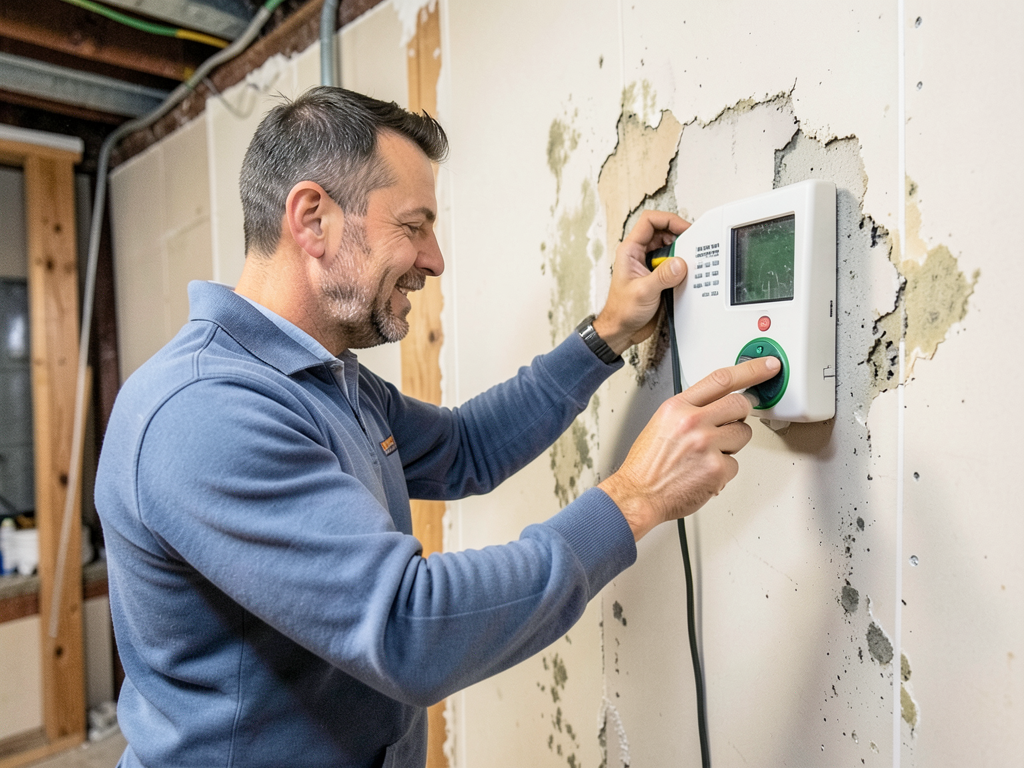
Identifying Black Mold Growth in Older Rental Properties Around Hopkins Living in an older rental property in Hopkins can expose you to hidden dangers like black mold. This toxic fungus thrives in Minnesota’s humid summers…

Protecting Your White Bear Lake Mudroom From Melting Snow and Slush Damage Your mudroom takes…

The Dangers of a Slow Refrigerator Water Line Leak in Your Oakdale Kitchen A slow…

Stopping Rainwater Seepage Through Macalester-Groveland Stone Foundations Rainwater seeping through stone foundations in Macalester-Groveland is…
Water damage worsens every hour. Call Pioneer Water Damage Restoration Minneapolis at (651) 677-5055 for immediate dispatch across Eden Prairie. Our technicians arrive within 60 minutes with full extraction equipment and begin stopping the damage while you contact your insurance company.