




Lakeville sits in Dakota County where clay-rich soil and seasonal freeze-thaw cycles create persistent water intrusion problems. The region's dense glacial till doesn't drain well, pushing groundwater toward foundation walls during spring snowmelt and heavy summer storms. When temperatures drop below freezing for extended periods, pipes in crawl spaces and exterior walls burst without warning, flooding homes in minutes.
The city's mix of 1980s split-level homes around Orchard Lake and newer construction near Antlers Park means different vulnerabilities. Older homes have aging sump pumps and cracked foundation walls from decades of soil pressure. Newer developments near wetland areas face drainage issues when storm sewers overwhelm during heavy rain events common to southern Minnesota.
Lakeville's humid continental climate creates another threat. Summer humidity above 70 percent combines with air conditioning to cause condensation in attics and basements. Without proper ventilation, this moisture feeds mold growth within 48 hours. Ice dams form on north-facing roofs during winter, sending meltwater under shingles and into wall cavities. These conditions require immediate water removal and structural drying to prevent long-term damage that insurance won't cover if you wait too long to call for help.
Pioneer Water Damage Restoration Minneapolis has extracted water from hundreds of Lakeville homes since establishing service routes through Dakota County. We keep response trucks stationed near the I-35 and County Road 70 interchange, putting us within 20 minutes of any Lakeville address during emergencies. While other restoration companies send estimators first, we arrive with extraction equipment and moisture meters ready to start work immediately.
Our technicians train specifically on the construction methods common to Lakeville neighborhoods. We know the difference between remediating water damage in 1970s ranch homes near Kenrick Avenue versus newer two-story homes in the Arondale development. This matters because extraction techniques, drying equipment placement, and demolition decisions change based on how your home was built. Generic approaches leave moisture trapped in wall cavities, causing hidden mold growth that surfaces months later.
We work as a direct billing provider for every major insurance carrier operating in Minnesota. Your adjuster receives our documentation within hours, complete with thermal imaging photos and moisture readings that prove the extent of damage. This speeds up approval and gets reconstruction started while other homeowners are still fighting for coverage. We also coordinate with Lakeville city inspectors when permits are required for structural repairs, handling the paperwork so you don't sit in line at city hall.
Most water damage companies subcontract their work to whoever answers the phone. Pioneer employs our own certified technicians who follow IICRC S500 standards for water damage remediation. You get the same crew from extraction through final clearance testing, not a revolving door of strangers walking through your home.

We dispatch trucks 24 hours a day, every day of the year. Our crews carry truck-mounted extraction units that remove thousands of gallons per hour, stopping damage progression while other companies are still driving to your address. Water doesn't wait for business hours. Neither do we.

We document every aspect of water damage with calibrated moisture meters and thermal imaging cameras. Your insurance adjuster receives detailed reports showing exactly what's wet, how wet it is, and what repairs are necessary. This eliminates back-and-forth disputes and gets your claim approved faster than homeowners who try handling it themselves.
Every technician on our team holds current Water Removal Technician and Applied Structural Drying certifications from the Institute of Inspection, Cleaning and Restoration Certification. We follow industry standards for moisture mapping, equipment placement, and drying verification. This protects you from improper remediation that voids insurance coverage or leaves hidden damage.
Water damage restoration involves far more than mopping up puddles. Pioneer Water Damage Restoration Minneapolis provides comprehensive water removal, structural drying, and reconstruction services that take your Lakeville home from disaster back to normal. We handle everything from initial emergency response through final repairs, eliminating the need to coordinate multiple contractors.
Our process starts with source identification using thermal imaging cameras that detect moisture behind walls and under floors. We stop the water intrusion, whether that means shutting off supply lines, tarping roof damage, or installing emergency board-ups. Once the source is controlled, industrial extraction equipment removes standing water before it soaks deeper into building materials.
Structural drying follows extraction, using commercial dehumidifiers and air movers positioned based on moisture meter readings. We monitor drying progress daily, adjusting equipment placement to ensure complete moisture removal from framing, insulation, and subfloors. This prevents mold growth and structural rot that develops when water remains trapped in building cavities.
After structures reach normal moisture levels, we handle all necessary repairs. Our crews perform demolition of unsalvageable materials, treat affected areas with antimicrobial solutions, and rebuild everything from drywall to flooring. You work with one company through the entire process, not a restoration crew that disappears once equipment is removed, leaving you to find contractors for repairs.
Standing water causes exponential damage the longer it remains in your home. Our emergency extraction service deploys truck-mounted pumps capable of removing thousands of gallons per hour from basements, crawl spaces, and living areas. We respond to burst pipes, sewer backups, appliance failures, and storm flooding throughout Lakeville at any hour. Extraction crews arrive with submersible pumps, wet vacuums, and moisture detection equipment to remove visible water and locate hidden saturation in walls, floors, and ceilings before it causes structural damage or mold growth.
Water extraction removes visible flooding, but moisture absorbed into framing, insulation, and subflooring requires specialized drying. We deploy commercial-grade dehumidifiers and air movers positioned according to psychrometric calculations and moisture meter readings. Daily monitoring tracks drying progress in wood framing, concrete, and other porous materials. Thermal imaging cameras verify complete moisture removal from wall cavities and ceiling assemblies. This process typically takes three to five days depending on the extent of saturation and building materials involved, preventing the mold growth and wood rot that occur when structures remain damp.
Once structures are fully dry, our reconstruction crews rebuild everything water destroyed. This includes removing damaged drywall, insulation, and flooring, treating framing with antimicrobial solutions, and installing new materials that match your home's original finishes. We handle carpentry, drywall installation, painting, flooring replacement, and trim work. Our reconstruction team works directly with the same project manager who oversaw your water removal, ensuring continuity from emergency response through final walkthrough. You get your home back to pre-loss condition without managing multiple contractors or facing coordination gaps.
Lakeville's location in southern Dakota County creates specific water damage vulnerabilities that affect homes throughout the area. The region's clay-heavy soil retains moisture and expands during wet periods, pushing hydrostatic pressure against foundation walls. This pressure finds any crack or gap, sending groundwater into basements during spring snowmelt and summer storm events.
Temperature extremes create additional problems. Winter cold snaps freeze water supply lines in exterior walls and crawl spaces, particularly in homes built before updated building codes required better insulation around plumbing. When pipes burst, they flood living spaces with hundreds of gallons before homeowners discover the problem. Ice dams form on roofs throughout neighborhoods near Crystal Lake and along Kenrick Avenue, sending meltwater under shingles and into attic spaces.
Modern appliances add another layer of risk. Water heaters, washing machines, and dishwashers fail without warning, releasing water that damages floors and seeps into wall cavities. Sump pumps overwhelmed by heavy rain or mechanical failure allow basements to flood during the exact conditions when you need them most. These common problems require immediate response to prevent damage escalation and mold growth that develops within 48 hours of water exposure.
Clay soil common throughout Lakeville swells when saturated, pushing groundwater through foundation cracks and around window wells. Older homes near downtown Lakeville particularly struggle with hydrostatic pressure that overwhelms exterior waterproofing. Spring snowmelt and summer downpours send water streaming into basements, damaging stored belongings, finished living spaces, and mechanical systems while creating conditions perfect for mold growth.
Extended cold periods drop temperatures low enough to freeze water supply lines in crawl spaces, attics, and exterior walls. When frozen pipes thaw or burst under pressure, they flood homes with clean water that soaks insulation, drywall, and flooring throughout multiple rooms. This damage often goes unnoticed until water appears on ceilings below, meaning extensive saturation has already occurred.
Lakeville receives intense rainfall during summer thunderstorms that overwhelm sump pumps or occur during power outages that disable pump motors. Mechanical failures from aging equipment add to the problem. When pumps fail during the exact conditions requiring their operation, basements flood rapidly. Water rises around furnaces, water heaters, and electrical panels, creating safety hazards alongside property damage.
Heat escaping through attic spaces melts snow on roofs, creating ice dams along eaves that trap meltwater. This standing water backs up under shingles and runs into attic spaces and wall cavities. By the time water stains appear on ceilings, insulation is soaked and framing has absorbed significant moisture. Ice dams affect north-facing roof sections throughout Lakeville neighborhoods each winter.
Water damage creates stress and uncertainty. You're dealing with flooding, ruined belongings, and fears about mold or structural damage while trying to figure out if insurance covers repairs. Pioneer Water Damage Restoration Minneapolis removes this uncertainty by providing clear communication, transparent processes, and defined timelines from your first phone call through project completion.
When you contact our dispatch center, you speak with someone who understands water damage remediation, not an answering service reading scripts. We ask specific questions about your situation to determine the appropriate response. Is water still entering your home? How much standing water exists? What building materials are affected? This information determines which equipment we bring and how quickly we need to arrive.
Our project manager walks you through each phase before work begins, explaining what equipment we'll use, how long drying typically takes, and what repairs will likely be necessary. We provide written estimates and work authorizations that detail scope, timeline, and costs. Insurance coordination starts immediately, with documentation going to your adjuster the same day we begin extraction. You're never left wondering what's happening next or what to tell your insurance company.
Our crews arrive at your Lakeville home within hours of your call, often much faster during emergencies. The first priority is stopping water intrusion, whether that means shutting off supply lines, containing sewer backups, or installing temporary roof tarps. Once the source is controlled, we map moisture levels throughout affected areas using thermal imaging cameras and moisture meters. This assessment identifies all damaged materials, including hidden saturation in walls and floors. You receive a detailed explanation of findings and our recommended remediation plan before equipment deployment begins.
Structural drying requires days of continuous equipment operation with daily progress monitoring. Our technicians visit your property each day to record moisture readings, adjust equipment placement, and update you on drying progress. You receive photos and written documentation showing moisture levels dropping toward normal ranges. This data goes directly to your insurance adjuster, providing proof of proper remediation. We answer questions and address concerns immediately, not after you've spent days wondering about status. You always know where the project stands and when equipment removal and reconstruction can begin.
Reconstruction begins only after moisture readings confirm complete structural drying. Our crews remove damaged materials, treat framing with antimicrobial solutions, and rebuild using materials that match your home's original finishes. Final walkthrough includes verification moisture testing to document that all building materials have returned to normal levels. You receive written certification of proper remediation and restoration completion. This documentation protects you if future moisture problems arise and proves to your insurance company that restoration followed industry standards.
We follow a systematic approach that addresses immediate damage while preventing long-term problems like mold growth and structural rot. This process is based on industry standards developed by restoration certification organizations.
Call our 24-hour dispatch center at (651) 677-5055 the moment you discover water damage. We ask questions about your situation to determine response priority and equipment needs. Crews deploy immediately with extraction equipment, moisture detection tools, and containment supplies. We typically arrive at Lakeville properties within 30 to 90 minutes depending on your location and current dispatch status. Upon arrival, we stop active water intrusion, assess damage extent using thermal imaging and moisture meters, and begin extraction of standing water.
Truck-mounted pumps and commercial extractors remove standing water from all affected areas. Once visible water is gone, we deploy dehumidifiers and air movers positioned according to moisture meter readings and building material types. Equipment runs continuously, creating conditions that pull moisture from wood framing, concrete, insulation, and other porous materials. Technicians visit daily to monitor moisture levels, document drying progress, and adjust equipment placement. This phase typically requires three to five days but varies based on saturation extent and building materials.
After moisture readings confirm structures are completely dry, equipment is removed and reconstruction begins. Damaged drywall, insulation, flooring, and trim are removed and replaced with new materials. Framing receives antimicrobial treatment before new materials are installed. Reconstruction includes all necessary carpentry, drywall finishing, painting, and flooring installation to return your home to pre-loss condition. Final moisture verification testing confirms all materials have returned to normal levels. You receive written documentation certifying proper remediation and restoration completion.
Proper water damage remediation follows scientific principles and industry standards developed through decades of research into moisture behavior in building materials. The Institute of Inspection, Cleaning and Restoration Certification publishes the IICRC S500 Standard and Reference Guide for Professional Water Damage Restoration, which defines proper protocols for assessment, extraction, drying, and restoration. Pioneer Water Damage Restoration Minneapolis trains all technicians in these standards and uses them to guide every project decision.
Water damage classification determines the restoration approach. Clean water from supply lines requires different handling than gray water from appliance discharge or black water from sewer backups. Each category presents different health risks and requires specific personal protective equipment and disposal methods. Material porosity also affects remediation decisions. Non-porous materials like metal and glass dry quickly with minimal intervention, while porous materials like drywall and insulation often require removal and replacement after significant saturation.
Psychrometry guides structural drying by measuring relationships between temperature, humidity, and moisture content. Dehumidifiers remove moisture from air, while air movers increase evaporation from wet materials. Equipment placement follows airflow patterns and building design to maximize drying efficiency. Moisture meters track progress by measuring water content in wood framing, concrete, and drywall. Thermal imaging cameras detect hidden moisture in wall cavities and ceiling assemblies that visual inspection misses.
Minnesota building codes require permits for structural repairs exceeding certain thresholds. Lakeville enforces the Minnesota State Building Code, which adopts the International Residential Code with state-specific amendments. Water damage affecting structural framing, electrical systems, or plumbing typically requires permit applications and inspections before final approval. We coordinate with Lakeville's Community Development Department to ensure all reconstruction work meets code requirements and passes inspections.
Thermal imaging cameras detect temperature variations caused by moisture evaporation, revealing saturation hidden behind walls and ceilings. Pin-type and pinless moisture meters measure water content in wood framing, drywall, and concrete by measuring electrical resistance or electromagnetic signals. These tools identify all affected materials, preventing hidden moisture from causing mold growth or rot after visible damage is repaired. Proper documentation also provides insurance adjusters with proof of damage extent.
Water damage restoration costs depend on saturation extent, affected materials, and contamination category. Clean water extraction costs less than sewage cleanup requiring specialized disposal. Structural drying costs increase with square footage and moisture depth in building materials. Reconstruction expenses vary based on material quality and finish complexity. Insurance typically covers sudden and accidental water damage but excludes gradual leaks or maintenance issues. Quick response reduces total costs by preventing damage escalation and mold growth.
Emergency extraction happens the same day you call, typically within hours. Structural drying requires three to seven days of continuous dehumidification depending on moisture levels and building materials. Reconstruction timelines vary based on repair extent, ranging from a few days for drywall replacement to several weeks for extensive structural repairs. Insurance approval processes add time to project starts. Faster response reduces overall timeline by preventing damage progression and secondary problems like mold growth.
IICRC certification requires technicians to complete training in water damage restoration science, pass written examinations, and maintain continuing education. The Water Removal Technician and Applied Structural Drying certifications cover moisture science, equipment operation, documentation protocols, and safety procedures. These certifications ensure technicians understand proper remediation techniques that prevent long-term problems. Insurance companies often require IICRC certification for direct billing eligibility, and improper restoration work can void coverage or warranty claims.
Pioneer Water Damage Restoration Minneapolis maintains rapid response capability throughout Lakeville and surrounding Dakota County areas. Our dispatch center coordinates crews serving neighborhoods from the northern boundary near Credit River Township down to the Elko New Market border. We know this region well because we've extracted water from homes in every corner of the community.
The original downtown Lakeville area along Kenrick Avenue features older homes built in the 1960s and 1970s with basement foundations vulnerable to groundwater seepage through aging concrete. These properties often experience flooding during spring snowmelt when saturated clay soil pushes water through foundation cracks. We've restored dozens of homes in this historic core, understanding the construction methods and common failure points in these aging structures.
Newer developments around Orchard Lake and near Antlers Park present different challenges. These subdivisions feature modern construction with better foundation waterproofing but face drainage issues from rapid development that altered natural water flow patterns. Heavy rain overwhelms storm sewers, sending water pooling around foundations. We respond regularly to sump pump failures in these areas during intense summer thunderstorms.
The neighborhoods along Ipava Avenue and near Century Middle School include split-level homes from the 1980s and 1990s with crawl spaces prone to freezing pipe bursts during cold snaps. We've learned which exterior wall orientations are most vulnerable and how to access supply lines in these designs for rapid repairs. Properties near Crystal Lake and Lake Marion face additional moisture challenges from proximity to water bodies that elevate local humidity and groundwater levels.
Commercial properties along Highway 50 and near the Lakeville Town Center require different restoration approaches than residential homes. Retail spaces with concrete slab foundations need specialized drying techniques, while multi-tenant buildings demand containment strategies that minimize business interruption for unaffected spaces. We coordinate with property managers throughout the Lakeville commercial corridor to provide restoration services that keep businesses operational during remediation.
Our familiarity with Lakeville extends to working relationships with local insurance adjusters, property managers, and city inspectors. This knowledge speeds up project approval, permit acquisition, and final inspections. Whether you're in the established neighborhoods near Cedar Avenue or the growing areas toward Farmington, we respond quickly and work efficiently because we know your community.
Pioneer Water Damage Restoration Minneapolis is proud to be a dedicated, locally owned company centrally located to serve the entire metro area and surrounding communities. We invite you to view our service area on the map to confirm we cover your neighborhood, ensuring you receive the fastest possible emergency response whenever disaster strikes. Our commitment is always to our community’s property owners and their complete, timely recovery.
Address:
Lakeville, MN, 55044
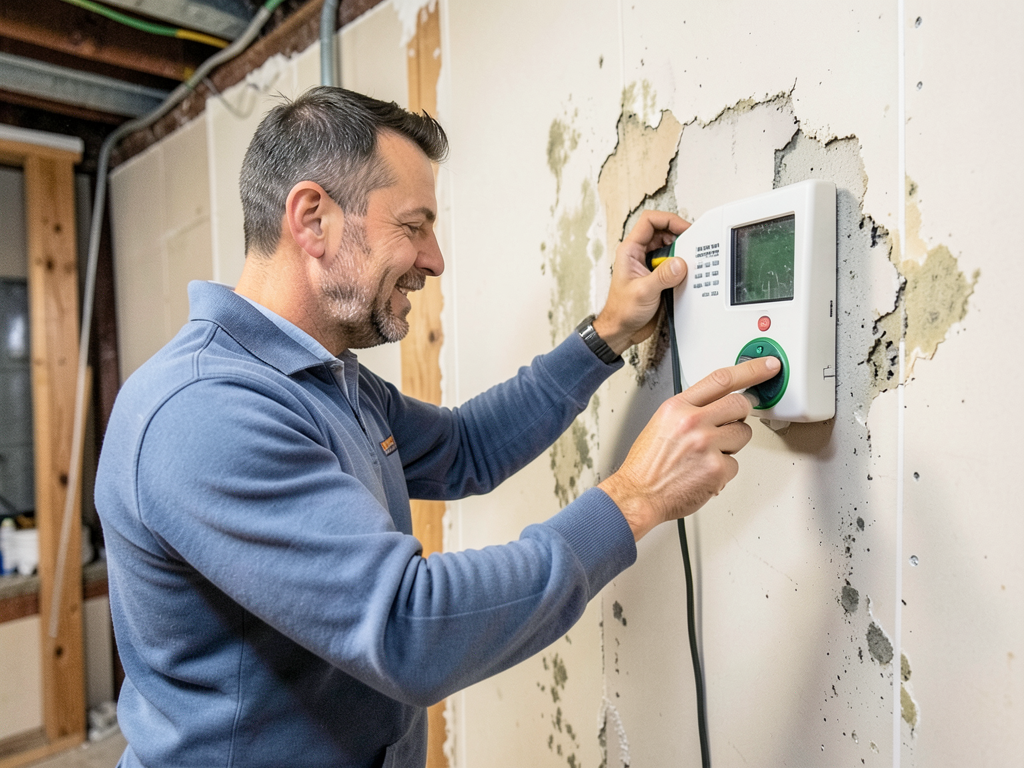
Identifying Black Mold Growth in Older Rental Properties Around Hopkins Living in an older rental property in Hopkins can expose you to hidden dangers like black mold. This toxic fungus thrives in Minnesota’s humid summers…

Protecting Your White Bear Lake Mudroom From Melting Snow and Slush Damage Your mudroom takes…

The Dangers of a Slow Refrigerator Water Line Leak in Your Oakdale Kitchen A slow…

Stopping Rainwater Seepage Through Macalester-Groveland Stone Foundations Rainwater seeping through stone foundations in Macalester-Groveland is…
Water damage worsens every hour you wait. Call Pioneer Water Damage Restoration Minneapolis at (651) 677-5055 right now for immediate dispatch to your Lakeville property. Our crews are standing by 24 hours a day with equipment ready to stop damage and start restoration.