




Maple Grove sits in a unique risk zone where Minnesota weather creates constant water intrusion threats. Spring snowmelt combined with clay-heavy soil causes basement seepage across neighborhoods from Weaver Lake to Rush Creek. Summer storms dump intense rainfall that overwhelms older drainage systems, particularly in established areas near Central Park and along the Elm Creek corridor.
Winter freeze-thaw cycles crack foundation walls and burst pipes in homes throughout the city. When temperatures drop below zero for days then spike to 35 degrees, pipe failures spike across Maple Grove. Properties built before 2000 face higher risk due to older plumbing materials that become brittle in extreme cold.
The city's position near the confluence of Elm Creek and Rush Creek means water tables rise quickly during wet periods. Homes in lower-lying areas experience groundwater pressure against foundation walls. Sump pumps fail. Basement walls leak. Crawl spaces flood. What starts as a small drip becomes a major restoration project within hours.
Maple Grove building codes require proper drainage systems, but older properties may lack modern protections. Humid Minnesota summers create condensation issues in poorly ventilated spaces. Air conditioning systems leak. Roof valleys collect debris and ice dams form. Each situation demands immediate response to prevent structural damage and mold growth.
We built our reputation responding to water emergencies across Maple Grove when other companies were still opening their doors for the day. Our dispatch team answers calls at 2 AM, on holidays, during blizzards. We arrive with truck-mounted extraction equipment, thermal imaging cameras, and moisture detection tools that locate hidden water other crews miss.
Every technician holds IICRC certification in water damage restoration and applied structural drying. They understand how water migrates through Maple Grove's common construction types, from 1970s split-levels to modern townhomes near Arbor Lakes. They know which wall cavities trap moisture, how to dry engineered hardwood without warping, and when to remove drywall versus saving it.
We work directly with your insurance company. Our estimators document damage with detailed photos, moisture readings, and thermal scans that adjusters accept without argument. We submit estimates using Xactimate software insurers recognize. We track drying progress daily and provide documentation that satisfies claim requirements. You get your settlement faster because we speak the language insurance companies understand.
Our equipment fleet includes commercial dehumidifiers, axial air movers, HEPA air scrubbers, and truck-mounted extraction units. We deploy enough gear to dry a 3,000 square foot basement in three days, not three weeks. Speed prevents secondary damage. Fast drying stops mold before it starts. We monitor moisture levels until materials reach industry-standard dry goals, then we verify it with meters and document the readings.
Local ownership means we live in the community we serve. Our families shop at the same stores, attend the same schools, and face the same weather risks. When your basement floods at midnight, you get a neighbor who cares about the outcome, not a dispatcher in another state reading a script.

Our phones never go to voicemail. Real people answer emergency calls every hour of every day. Technicians mobilize within 60 minutes across Maple Grove, arriving with extraction equipment and moisture meters ready. We stop water damage while other companies are still scheduling appointments for tomorrow.

We handle insurance paperwork from estimate to final payment. Our documentation meets adjuster requirements without back-and-forth delays. We submit claims using software insurers recognize, track approval status, and coordinate directly with your carrier. You avoid out-of-pocket expenses and settlement delays.
Every crew member holds current certification in water damage restoration and applied structural drying. They follow IICRC S500 standards for inspection, extraction, and drying. They use thermal imaging to find hidden moisture and track drying progress with calibrated meters. Your property gets restored correctly the first time.
We know how water moves through local construction types, from vintage homes near downtown to new developments around Arbor Lakes. We understand soil conditions, drainage patterns, and weather risks specific to Maple Grove. Local knowledge means faster damage assessment and more effective restoration strategies.
Water damage takes many forms in Maple Grove. Burst pipes flood basements. Storm water breaches foundation walls. Sewer backups contaminate living spaces. Roof leaks saturate insulation and ceilings. Each situation requires specific equipment, protocols, and safety measures.
Pioneer Water Damage Restoration Minneapolis handles every category of water intrusion. We respond to clean water losses from supply line breaks, gray water events from appliance failures, and black water contamination from sewer backups. Our technicians assess the water source, classify the contamination level, and deploy appropriate extraction and sanitization methods.
We provide emergency water removal services, structural drying, dehumidification, content restoration, and mold remediation. Our services extend from initial damage mitigation through complete reconstruction. You get one company managing the entire restoration process, not multiple contractors pointing fingers when problems arise.
Each project follows IICRC standards for water damage restoration. We document pre-loss conditions, track moisture levels throughout drying, and verify materials reach industry-approved dry standards. Our process protects your property value and prevents secondary damage that increases costs and extends timelines.
When water invades your property, immediate extraction prevents catastrophic damage. Our emergency teams arrive within 60 minutes with truck-mounted extraction units that remove thousands of gallons per hour. We pull standing water from basements, crawl spaces, and living areas before it saturates structural materials. Technicians move furniture to dry areas, remove wet contents, and deploy air movers to start the drying process. We stop water at the source, document damage for insurance claims, and prevent the spread that turns a contained loss into whole-house disaster.
Water hides inside walls, beneath floors, and within structural cavities where surface drying cannot reach it. Our IICRC-certified technicians use thermal imaging cameras to map moisture migration patterns. We place commercial dehumidifiers and air movers in calculated positions that create airflow through wall cavities and under flooring systems. Moisture meters track drying progress in wood framing, drywall, and insulation. We adjust equipment placement based on daily readings until all materials reach dry standards. Proper structural drying prevents mold growth, wood rot, and long-term damage.
Severe water damage requires rebuilding after drying completes. Our restoration division handles everything from drywall replacement to complete basement reconstruction. We remove damaged materials, treat framing for mold prevention, and rebuild to code. Flooring gets replaced, cabinets reinstalled, and paint matched to existing finishes. You get a general contractor who already understands the damage scope because we handled the extraction. No communication gaps between mitigation and reconstruction. We manage the project from emergency call through final walkthrough.
Maple Grove's climate and construction patterns create predictable water damage scenarios. Older neighborhoods near Central Park feature homes built when waterproofing standards were minimal. Basement walls lack exterior membrane protection. Floor drains connect to systems that no longer meet code. Sump pumps installed decades ago fail during the storms that matter most.
Newer developments around Arbor Lakes face different challenges. Builders rushed construction during boom periods. Grading slopes toward foundations instead of away. Window wells lack proper drainage. Bathroom exhaust fans vent into attics instead of outside. Small installation errors create big water problems years later.
Spring brings freeze-thaw cycles that crack foundation walls throughout Maple Grove. Summer storms overwhelm gutters and downspouts. Fall leaves clog drainage systems. Winter cold snaps burst pipes in exterior walls and unheated spaces. Each season presents distinct water intrusion risks that require immediate professional response. Delayed action turns minor leaks into major reconstruction projects.
Clay soil throughout Maple Grove expands when wet and contracts when dry. This movement cracks foundation walls and creates pathways for water intrusion. Hydrostatic pressure forces groundwater through cracks during spring snowmelt and heavy rain events. Basements flood. Carpet saturates. Drywall wicks moisture three feet up walls. Without immediate extraction and structural drying, mold colonizes within 48 hours.
Minnesota winters freeze pipes in exterior walls, crawl spaces, and unheated garages. When temperatures drop below zero for extended periods, water inside pipes turns to ice and expands. Copper splits. PEX fittings fail. The damage stays hidden until temperatures rise and ice melts. Suddenly hundreds of gallons per hour flood living spaces. Quick shutoff and emergency extraction save thousands in damage costs.
Summer storms drop two inches of rain in 30 minutes across Maple Grove. Gutters overflow. Downspouts dump water against foundations. Window wells fill and breach basement windows. Sump pumps run continuously then burn out. Finished basements flood through floor cracks and wall penetrations. Without rapid water removal, flooring delaminates, drywall crumbles, and contents absorb contaminated water.
Water heaters last 10 to 12 years before tanks corrode and fail. Washing machine hoses burst without warning. Dishwasher supply lines crack. Toilet supply valves seize and leak. These failures happen when you are at work or asleep. Water runs for hours before discovery. Kitchens flood. Water migrates through floor systems into basements. Multiple levels sustain damage from a single failed component.
Water damage creates panic. Your basement is flooding. Contents are ruined. You need help now, not tomorrow morning. When you call Pioneer Water Damage Restoration Minneapolis, you reach a real person who dispatches a crew immediately. No voicemail. No hold times. No callbacks hours later when damage has already spread.
Our process focuses on speed, transparency, and results. We tell you exactly when crews will arrive, what equipment they will bring, and how long emergency mitigation will take. We document everything for insurance claims. We communicate daily about drying progress. We answer questions without industry jargon that confuses homeowners already dealing with stress.
You get experienced professionals who have seen every type of water damage Maple Grove properties face. They assess situations quickly, make decisions confidently, and execute proven protocols. Your property gets restored efficiently because we follow tested procedures, not experimental approaches. You know what to expect at each phase because we explain the process before work begins.
We answer emergency calls 24/7 and dispatch crews within 60 minutes across Maple Grove. A technician calls when they are en route and provides an estimated arrival time. They arrive with extraction equipment ready to deploy immediately. Before starting work, they explain the damage scope, the mitigation process, and what you need to do to protect contents. You get honest timelines, not optimistic guesses. We communicate daily about progress, equipment adjustments, and insurance coordination.
Our estimators photograph damage from multiple angles, record moisture readings in affected materials, and document pre-loss conditions. We create detailed estimates using Xactimate software that insurance adjusters recognize and accept. We submit claims directly to your carrier, track approval status, and handle communication with adjusters. You avoid the paperwork stress. We coordinate inspection visits, answer technical questions, and provide documentation that supports your claim. Most clients never write a check because we bill insurance directly.
We do not remove equipment based on timelines or schedules. Drying continues until moisture meters confirm materials have reached industry-approved dry standards. Technicians check readings in multiple locations within affected areas. We document final moisture levels and provide reports that prove your property is completely dry. If reconstruction is needed, our crews rebuild to code using quality materials. We conduct final walkthroughs to verify satisfaction before closing projects.
Water damage restoration follows a structured process designed to minimize damage and restore properties efficiently. We start with emergency mitigation, transition to controlled drying, and finish with complete restoration.
Technicians arrive and immediately assess the water source, damage extent, and safety hazards. They stop active water flow, identify electrical risks, and classify contamination levels. Thermal imaging cameras map moisture patterns in walls and ceilings. Moisture meters establish baseline readings in affected materials. We photograph damage from multiple angles for insurance documentation. This assessment determines equipment needs and establishes the mitigation strategy. You receive a clear explanation of damage scope and projected timeline.
Truck-mounted extractors remove standing water from all affected areas. We extract from carpet, padding, and hard surfaces until no more water can be recovered. Commercial air movers and dehumidifiers deploy in calculated positions that maximize airflow and moisture removal. Equipment runs continuously, monitored by technicians who adjust placement based on daily moisture readings. We check readings in walls, floors, and structural materials every 24 hours. Drying continues until moisture meters confirm materials have reached acceptable dry standards per IICRC guidelines.
Once drying verifies complete, we remove equipment and begin restoration. Minor projects need only cleaning and deodorization. Major losses require drywall replacement, flooring installation, and reconstruction. Our crews handle all trades from framing to finish work. We match paint colors, replace trim, and restore properties to pre-loss condition. Final walkthroughs verify quality and address any concerns. You receive documentation proving complete drying and professional restoration that protects property value.
Professional water damage restoration follows strict protocols established by the Institute of Inspection Cleaning and Restoration Certification. The IICRC S500 Standard guides every decision from initial assessment through final verification. These standards exist because improper drying causes long-term damage that exceeds initial water losses.
Water classification determines appropriate response protocols. Category 1 water originates from sanitary sources like supply lines. Category 2 gray water contains contaminants from appliances or toilet overflow without feces. Category 3 black water involves sewage or grossly contaminated sources. Each category requires specific extraction methods, sanitization protocols, and personal protective equipment.
Material classification affects drying strategies. Class 1 involves minimal absorption in small areas. Class 2 affects entire rooms with significant moisture absorption. Class 3 includes ceiling, wall, insulation, and flooring saturation. Class 4 involves specialty materials like hardwood or plaster requiring extended drying. Minnesota's humid summers complicate drying because ambient moisture slows evaporation rates.
Psychrometry guides dehumidification strategies. Temperature, relative humidity, and material moisture content interact to determine drying potential. Our technicians calculate grain depression and adjust dehumidifier capacity based on affected area size and moisture load. We measure specific humidity in air and materials to verify actual drying progress, not assumed results.
Minnesota building codes require proper moisture barriers and ventilation in new construction. Older Maple Grove homes lack modern protections. Foundation walls may have no exterior waterproofing. Crawl spaces lack vapor barriers. Attics ventilate poorly. These deficiencies accelerate secondary damage when water intrusion occurs. Professional restoration identifies these vulnerabilities and recommends improvements that prevent future losses.
Thermal imaging technology locates moisture invisible to visual inspection. Infrared cameras detect temperature differentials caused by evaporative cooling in wet materials. We scan walls, ceilings, and floors to map moisture migration patterns. This technology finds hidden water that causes mold growth and structural damage weeks after surface areas appear dry.
All our technicians hold current IICRC certification in Water Damage Restoration and Applied Structural Drying. These credentials require classroom training, written exams, and continuing education. Certified technicians understand psychrometry, material science, and proper equipment deployment. They follow S500 standards that protect property value and prevent secondary damage. Certification proves technical competence insurance companies and property owners can trust.
Restoration costs depend on water category, affected area size, material types, and damage duration. Clean water extraction costs less than sewage cleanup requiring sanitization and disposal. Drying 500 square feet takes less equipment and time than 2,000 square feet. Hardwood floors need specialized drying. Plaster walls require careful moisture removal. Water that runs for hours causes more damage than quickly stopped leaks. Most insurance policies cover sudden water damage with standard deductibles.
Complete structural drying typically requires three to five days for standard construction. Dense materials like hardwood or plaster extend timelines to seven days or more. Drying cannot be rushed without risking incomplete moisture removal. We monitor daily and adjust equipment based on actual readings, not hoped-for schedules. Equipment stays in place until moisture meters confirm materials reach acceptable dry standards. Verified drying prevents mold growth and protects your investment.
Minnesota law requires property owners to disclose known mold issues during real estate transactions. Improper water damage cleanup creates mold problems that become disclosure obligations affecting property values and sale timelines. Professional restoration with verified drying prevents mold growth. We document moisture levels throughout the process and provide final reports proving complete drying. Proper documentation protects property value and satisfies legal disclosure requirements if you sell later.
Pioneer Water Damage Restoration Minneapolis serves the entire Maple Grove area from established neighborhoods near Central Park to growing developments around Arbor Lakes. We respond quickly to water emergencies throughout the city because we maintain equipment and staff locally. When your basement floods at 3 AM, our trucks come from minutes away, not from dispatch centers across the metro.
The Weaver Lake neighborhood features homes built in the 1980s and 1990s on lots with mature trees and established landscaping. Properties here face water intrusion from aging sump pumps, foundation settling, and root intrusion into drainage lines. We have restored dozens of homes in this area and understand the specific construction types and common failure points.
Rush Creek areas include both vintage homes from the 1970s and newer construction from the early 2000s. Older properties often lack proper foundation waterproofing and have outdated plumbing systems prone to failure. We work in this neighborhood regularly, handling everything from burst pipe flooding to storm water intrusion through window wells and foundation cracks.
The Arbor Lakes development brought modern construction standards but also rapid building timelines that sometimes sacrificed quality. We see water damage here from improperly installed flashing, inadequate grading, and appliance failures in relatively new homes. Our crews know these floor plans and can access crawl spaces and mechanical areas efficiently.
Properties near Elm Creek face seasonal water table fluctuations that stress foundation drainage systems. Spring snowmelt and summer storms saturate soil around foundations. Sump pumps run continuously. When pumps fail or lose power during storms, basements flood quickly. We respond to this area frequently during peak weather events and maintain relationships with local property managers and homeowner associations.
North Maple Grove includes both rural properties on larger lots and suburban developments. Wells, septic systems, and private drainage create unique challenges when water damage occurs. We handle agricultural building restoration, rural home flooding, and standard residential losses throughout this area. Distance from metro services makes our local response capability valuable to north Maple Grove residents.
Whether you live near the Shoppes at Arbor Lakes, in established neighborhoods around Maple Grove Hospital, or in newer developments near Interstate 94, Pioneer Water Damage Restoration Minneapolis provides the same rapid response and quality restoration. We serve the entire community with equal commitment because we live here too.
Pioneer Water Damage Restoration Minneapolis is proud to be a dedicated, locally owned company centrally located to serve the entire metro area and surrounding communities. We invite you to view our service area on the map to confirm we cover your neighborhood, ensuring you receive the fastest possible emergency response whenever disaster strikes. Our commitment is always to our community’s property owners and their complete, timely recovery.
Address:
Maple Grove, MN, 55446
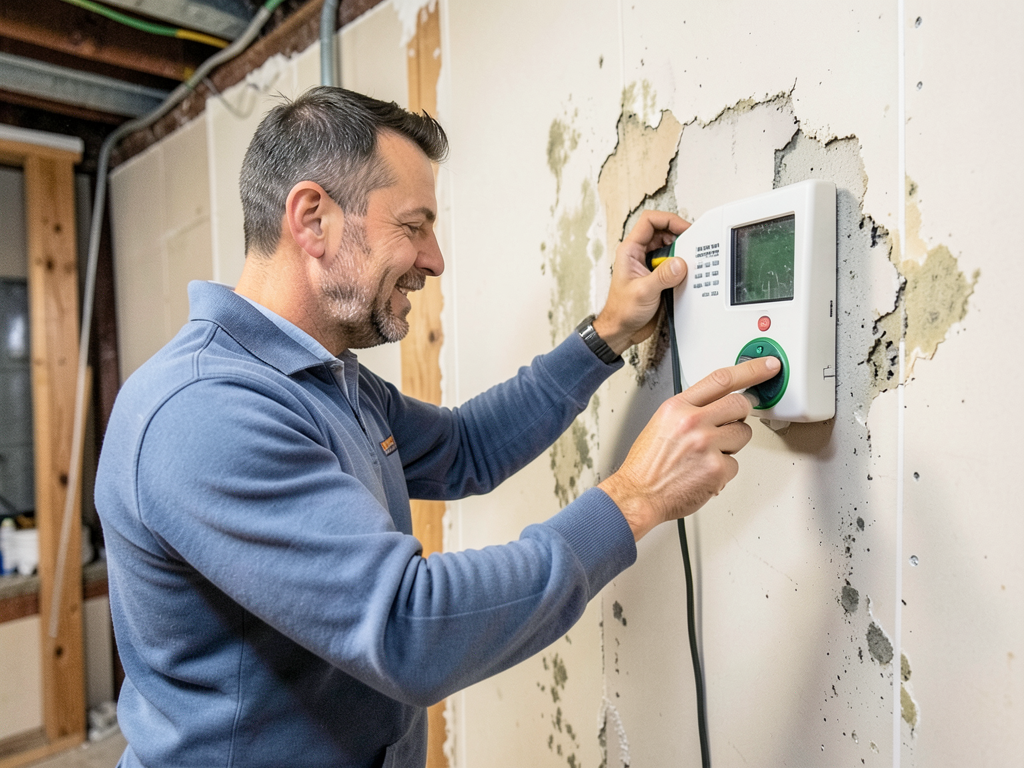
Identifying Black Mold Growth in Older Rental Properties Around Hopkins Living in an older rental property in Hopkins can expose you to hidden dangers like black mold. This toxic fungus thrives in Minnesota’s humid summers…

Protecting Your White Bear Lake Mudroom From Melting Snow and Slush Damage Your mudroom takes…

The Dangers of a Slow Refrigerator Water Line Leak in Your Oakdale Kitchen A slow…

Stopping Rainwater Seepage Through Macalester-Groveland Stone Foundations Rainwater seeping through stone foundations in Macalester-Groveland is…
Every hour water remains in your property increases damage and restoration costs. Call Pioneer Water Damage Restoration Minneapolis now at (651) 677-5055 for immediate dispatch. Our crews respond 24/7 with equipment ready to stop damage and start recovery.