




Plymouth sits in a challenging climate zone where freeze-thaw cycles wreak havoc on homes from November through April. When temperatures swing from 15 degrees to 35 degrees in a single day, pipes expand and contract until they fail. The city's heavy clay soil creates drainage problems that trap water around foundations, especially in neighborhoods along Medicine Lake and near Parkers Lake where the water table runs high.
Spring snowmelt overwhelms sump pumps throughout Plymouth. Homes in the Wayzata Boulevard corridor and near the creek systems feeding into Medicine Lake see basement flooding nearly every March. Summer storms roll across the western metro with intensity, dumping three inches of rain in an hour and overwhelming municipal drainage systems built decades ago.
Plymouth's building boom from the 1980s and 1990s means thousands of homes now have aging plumbing, deteriorating sump pumps, and original water heaters past their useful life. The city enforces Minnesota State Building Code amendments that require proper drainage and waterproofing, but older homes were built before these standards. When something fails, water moves fast through finished basements and crawl spaces, spreading into drywall, insulation, and subflooring within hours.
We run water damage restoration differently than companies that send one technician with a wet vac. Pioneer Water Damage Restoration Minneapolis dispatches full crews with truck-mounted extraction units that pull 500 gallons per hour from your basement. We arrive with thermal imaging cameras that detect moisture hiding in walls and commercial-grade air movers that create airflow patterns engineered to dry structures in days, not weeks.
Our Plymouth response time averages 47 minutes because we stage equipment throughout the western metro and maintain crews on call 24 hours a day. When your sump pump fails at 2 AM on Sunday, we answer the phone and dispatch immediately. We do not make you wait until Monday morning while water soaks deeper into your foundation.
Insurance coordination is where most restoration companies fail their customers. We photograph everything, document moisture readings with professional meters, and provide detailed estimates that insurance adjusters accept without argument. We know what Allstate, State Farm, and American Family require because we work with them every single day. You get one point of contact who handles your claim communication while you focus on your family.
Our technicians hold IICRC certification in water damage restoration and applied structural drying. We follow ANSI-IICRC S500 standards for every job, which means we test moisture levels before we call the job complete. Plymouth homeowners do not pay for guesswork. They pay for documented results and dry homes.

We dispatch crews immediately with truck-mounted extraction equipment staged throughout the western metro. When you call at 2 AM with a burst pipe flooding your Plymouth home, we arrive fast enough to prevent structural damage from spreading. Every minute matters when water is soaking into subflooring and drywall.

We handle your insurance claim from documentation through payment. Our estimates meet adjuster requirements the first time because we work with every major carrier daily. You get one point of contact who communicates directly with your insurance company while you focus on getting your life back to normal.
Our crews hold certification in water damage restoration and applied structural drying. We follow ANSI-IICRC S500 standards on every Plymouth job, documenting moisture levels before and after remediation. You receive professional documentation proving your home is dry, not just surface clean.
We understand how freeze-thaw cycles, clay soil drainage, and spring snowmelt impact Plymouth homes. Our crews know which neighborhoods flood during March thaw and which pipe configurations fail during cold snaps. Local knowledge means faster diagnosis and proper remediation the first time.
Water damage restoration requires more than removing standing water. Pioneer Water Damage Restoration Minneapolis provides complete remediation from initial extraction through final reconstruction. We handle emergency water removal when your basement floods at midnight, structural drying that prevents mold growth in wall cavities, and full restoration that returns your home to pre-loss condition.
Our Plymouth services include sewage cleanup following backups, crawl space water removal, and moisture remediation in finished basements. We work on single-family homes throughout the Wayzata Boulevard corridor, townhomes near Medicine Lake, and properties in every Plymouth neighborhood. Each situation demands different equipment and techniques based on water source, contamination level, and how long moisture has been present.
We categorize water damage into three levels. Clean water from supply line breaks requires different handling than gray water from appliance overflows or black water from sewage backups. Our crews arrive with appropriate safety equipment and follow IICRC protocols for each contamination category, protecting your family and our technicians.
When water floods your Plymouth home, immediate extraction prevents damage from spreading into subflooring, drywall, and insulation. We dispatch crews with truck-mounted extraction units that remove hundreds of gallons per hour from basements and crawl spaces. Our emergency response includes water removal, content protection, and initial moisture documentation for your insurance claim. We arrive fast, stop the damage, and stabilize your property before structural harm becomes permanent.
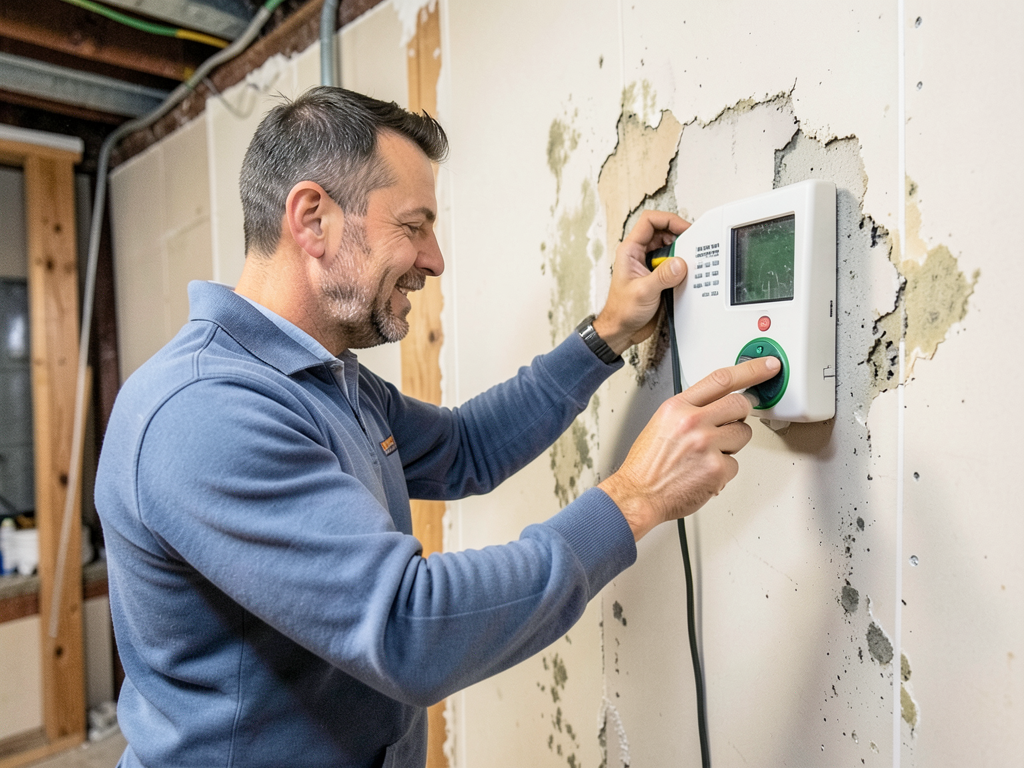
Removing standing water is just the start. Moisture trapped in walls, insulation, and subflooring causes mold growth and structural decay. Our structural drying process uses commercial dehumidifiers, air movers, and thermal imaging to detect and eliminate hidden moisture. We monitor drying progress with professional moisture meters and document results daily. Your Plymouth home is not dry when it looks dry. It is dry when our equipment confirms moisture levels match industry standards.
After your Plymouth property is dry, we rebuild what water destroyed. Our restoration services include drywall replacement, flooring installation, trim work, and painting. We handle small repairs like replacing damaged baseboards or complete basement reconstruction following severe flooding. You work with one company from emergency extraction through final walkthrough. We coordinate with your insurance company throughout the restoration process, providing documentation that supports your claim and gets you paid.
Plymouth's housing stock and climate create predictable water damage patterns throughout the year. Understanding these common emergencies helps homeowners recognize problems before minor leaks become major disasters. Winter brings frozen pipe failures when temperatures drop below zero for extended periods. Spring snowmelt overwhelms sump pumps in neighborhoods near Medicine Lake and Parkers Lake. Summer storms dump intense rainfall that floods window wells and seeps through foundation cracks.
The homes built during Plymouth's 1980s and 1990s growth boom now face aging infrastructure failures. Original water heaters installed 25 years ago fail without warning, dumping 50 gallons across basement floors. Washing machine supply lines deteriorate and burst during spin cycles. Sump pumps installed when homes were built reach the end of their functional life and quit during the worst possible moment.
These emergencies share one critical factor. Water damage spreads exponentially with time. What starts as a small leak becomes structural damage within hours as water wicks into drywall, soaks insulation, and saturates subflooring. Fast response makes the difference between a minor cleanup and a major reconstruction project.
Plymouth winters create extreme stress on plumbing when temperatures swing from subzero to above freezing repeatedly. Pipes expand and contract until joints fail or the pipe itself cracks. The damage happens inside walls where you cannot see it until water floods through ceilings or pours across floors. Immediate extraction and wall cavity drying prevent mold growth and structural damage.
March and April bring rapid snowmelt that overwhelms sump pumps throughout Plymouth neighborhoods near waterways. When pumps fail from age or mechanical problems, groundwater floods basements within hours. The water carries soil contamination and requires immediate extraction before it soaks into finished basement walls, carpeting, and furniture. Clay soil around Plymouth foundations drains poorly, making pump failures especially destructive.
Water heaters installed in Plymouth homes during the building boom of the 1980s and 1990s now exceed their expected lifespan. When tanks fail, 40 to 50 gallons flood across basement floors and soak into drywall, insulation, and stored belongings. The water spreads quickly because it is under pressure, reaching areas far from the heater location. Fast extraction prevents permanent damage to basement finishes.
Summer thunderstorms across Plymouth dump intense rainfall that overwhelms drainage systems and finds foundation weaknesses. Water enters through window wells, foundation cracks, and failed waterproofing membranes. The heavy clay soil common throughout Plymouth holds water against foundations instead of draining away. Storm water intrusion requires immediate extraction and structural drying to prevent mold growth in wall cavities and insulation.
Water damage emergencies create chaos and panic. You need someone who answers the phone, arrives fast, and takes control of the situation. When you call Pioneer Water Damage Restoration Minneapolis, you talk to a real person who dispatches crews immediately, not an answering service that takes messages. We ask specific questions about your water damage to bring the right equipment and enough crew members to handle your Plymouth property.
Our response starts with damage assessment and emergency mitigation. We stop water intrusion, extract standing water, and protect your belongings from further damage. You get immediate answers about what happened, what needs to happen next, and what the timeline looks like. We document everything with photos and moisture readings because your insurance company requires proof of damage and remediation efforts.
Communication continues throughout the drying and restoration process. You receive daily updates on moisture levels, drying progress, and expected completion dates. We coordinate directly with your insurance adjuster, providing documentation they need to process your claim. You should not have to translate between your restoration company and your insurance carrier. We handle that communication so you can focus on getting your life back to normal.
You will talk to a real person when you call our emergency line at any hour. We dispatch crews immediately to your Plymouth address with truck-mounted extraction equipment and professional drying gear. Our average response time is 47 minutes because we maintain equipment and crews throughout the western metro. When water is flooding your home right now, you do not have time to wait for a company to mobilize from across the Twin Cities.
We photograph damage, measure moisture levels with professional meters, and create detailed estimates that insurance adjusters approve without argument. You receive copies of all documentation for your records. Our crews know what State Farm, Allstate, and American Family require because we work with them on Plymouth water damage claims every week. Proper documentation means faster claim processing and less stress for you during an already difficult situation.
Water damage restoration takes days or weeks depending on severity. You will receive daily updates on moisture readings, drying progress, and timeline adjustments. We do not disappear after initial extraction and leave you wondering when your home will be dry. Our project managers maintain contact throughout structural drying and restoration, answering questions and coordinating with your insurance company. You get a final moisture report documenting that your Plymouth home meets IICRC standards before we call the job complete.
We follow a structured process that meets IICRC standards and insurance company requirements. This three-phase approach ensures complete remediation and proper documentation.
Our crew arrives at your Plymouth home with extraction equipment and moisture detection tools. We stop active water intrusion, extract standing water, and assess the full scope of damage using thermal imaging cameras that detect moisture hidden in walls and ceilings. You receive an immediate verbal assessment of what happened and what needs to happen next. We photograph everything and document initial moisture readings for your insurance claim. Content protection happens during this phase as we move furniture and belongings away from wet areas.
We set up commercial dehumidifiers and air movers in patterns engineered to dry your Plymouth home's structure efficiently. Our crews monitor moisture levels daily with professional meters, adjusting equipment placement as drying progresses. This phase typically takes three to seven days depending on how much water entered your home and how long it sat before we arrived. You receive daily updates on moisture readings and expected completion dates. We do not remove equipment until moisture levels meet IICRC standards.
After your home is completely dry, we rebuild what water damaged. This includes drywall replacement, flooring installation, trim work, and painting to match existing finishes. We handle everything from minor baseboard replacement to complete basement reconstruction. You work with one company from emergency extraction through final walkthrough. Our project manager coordinates with your insurance adjuster throughout the restoration process, ensuring claim approval and proper payment. You receive final documentation proving your Plymouth home is restored to pre-loss condition.
Professional water damage restoration follows specific protocols established by the Institute of Inspection, Cleaning and Restoration Certification. The ANSI-IICRC S500 Standard for Professional Water Damage Restoration defines how we categorize water damage, determine moisture content, and verify complete drying. These standards protect Plymouth homeowners from improper remediation that leads to mold growth and structural problems.
Water damage falls into three categories based on contamination level. Category 1 is clean water from supply lines or rainwater that has not contacted contaminants. Category 2 is gray water from appliance overflows or washing machine discharges that contains some contamination. Category 3 is black water from sewage backups or flood water that sat for more than 48 hours. Each category requires different safety protocols and disposal procedures.
Minnesota State Building Code requires proper moisture barriers and drainage systems in new construction, but older Plymouth homes were built before these amendments. When we restore properties, we bring them up to current standards where possible. This includes improving foundation drainage, upgrading sump pump capacity, and adding moisture barriers that prevent future water intrusion.
Drying verification uses moisture meters calibrated to specific materials. Wood studs should measure below 15 percent moisture content. Concrete should read below 4.5 percent on a concrete moisture meter. Drywall should measure below 1 percent on a drywall scale. We document these readings before calling a job complete because insurance companies and building inspectors require proof of proper remediation. Visual inspection is not enough. Professional equipment confirms drying to industry standards.
Pioneer Water Damage Restoration Minneapolis maintains IICRC certification and follows these protocols on every Plymouth job regardless of size. A small water heater leak receives the same professional approach as a major flood because hidden moisture causes the same problems whether it comes from 50 gallons or 500 gallons.
IICRC standards classify water into three contamination categories. Category 1 clean water comes from supply lines. Category 2 gray water contains some contamination from appliances or fixtures. Category 3 black water is grossly contaminated from sewage or standing water. Each category requires different safety equipment, disposal procedures, and remediation techniques. Proper classification protects your family and ensures complete cleanup.
Restoration costs depend on water volume, contamination category, how long moisture was present, and what materials were affected. Finished basements cost more to dry than unfinished spaces because water soaks into drywall, insulation, and flooring. Black water sewage backups require more extensive remediation than clean water supply line breaks. Most Plymouth water damage falls within insurance coverage limits after deductible.
Structural drying takes three to seven days on average for Plymouth homes with typical water damage. Extensive flooding or highly absorbent materials may require ten to fourteen days. We monitor moisture levels daily and adjust equipment until readings meet IICRC standards. Rushing the drying process leaves hidden moisture that causes mold growth and structural damage. Proper remediation takes as long as it takes to verify complete drying.
Minnesota State Building Code requires proper foundation drainage and moisture barriers in new construction. When we restore Plymouth homes, we identify code deficiencies that contributed to water damage and recommend upgrades. This includes improving foundation waterproofing, upgrading sump pump capacity, and adding drainage systems that prevent future intrusion. Bringing your home up to current standards protects your investment.
Pioneer Water Damage Restoration Minneapolis serves all of Plymouth and surrounding western metro communities. We respond to homes throughout the established neighborhoods along Medicine Lake and Parkers Lake, where spring flooding and high water tables create ongoing drainage challenges. The properties near Zachary Lane and around the Northwest Business Park face unique water damage risks from aging commercial infrastructure and modified drainage patterns.
Our crews know the housing stock in Plymouth's major growth corridors. The homes along County Road 101 and throughout the Wayzata Boulevard area were built primarily in the 1980s and now face aging plumbing systems and deteriorating sump pumps. We respond regularly to water damage calls in the neighborhoods between Highway 55 and County Road 9, where older foundation waterproofing fails during heavy spring runoff.
The areas near Medicine Lake Road and around the Plymouth Creek system require specialized knowledge of seasonal flooding patterns. We understand how snowmelt moves through these watersheds and which homes face the highest risk during March and April thaw periods. Properties in the southern sections of Plymouth near Interstate 494 face different challenges, with storm water management issues related to commercial development and limited green space for absorption.
We also serve the communities surrounding Plymouth, including Maple Grove to the north, Minnetonka to the south, and Wayzata to the east. Our response time averages 47 minutes throughout this service area because we stage equipment strategically and maintain crews on call 24 hours daily. Water damage does not respect city boundaries, and neither does our service commitment.
The closer proximity to downtown Minneapolis means many Plymouth residents work demanding schedules and need restoration companies that communicate clearly and handle insurance coordination completely. We understand the Twin Cities metro lifestyle and structure our services to minimize disruption to your daily routine while ensuring complete remediation of your property.
Pioneer Water Damage Restoration Minneapolis is proud to be a dedicated, locally owned company centrally located to serve the entire metro area and surrounding communities. We invite you to view our service area on the map to confirm we cover your neighborhood, ensuring you receive the fastest possible emergency response whenever disaster strikes. Our commitment is always to our community’s property owners and their complete, timely recovery.
Address:
Plymouth, MN, 55441
Identifying Black Mold Growth in Older Rental Properties Around Hopkins Living in an older rental property in Hopkins can expose you to hidden dangers like black mold. This toxic fungus thrives in Minnesota’s humid summers…

Protecting Your White Bear Lake Mudroom From Melting Snow and Slush Damage Your mudroom takes…

The Dangers of a Slow Refrigerator Water Line Leak in Your Oakdale Kitchen A slow…

Stopping Rainwater Seepage Through Macalester-Groveland Stone Foundations Rainwater seeping through stone foundations in Macalester-Groveland is…
Your Plymouth home is being damaged right now while you read this. Call (651) 677-5055 for immediate dispatch. We answer 24 hours a day, arrive in under an hour, and stop the damage before it spreads. Talk to a real person who will help you right now.