




Rochester's location in southeastern Minnesota creates a perfect storm of water damage risks that demand specialized restoration expertise. The city's position along the South Fork Zumbro River means properties in downtown Rochester and neighborhoods like Kutzky Park face elevated flood risk during spring thaw and heavy rainfall events. Minnesota's extreme temperature swings cause severe freeze-thaw cycles that crack foundations and burst pipes, particularly in older homes throughout the Historic Southwest District and near Mayo Clinic facilities.
The region's clay-heavy soil retains water like a sponge, creating hydrostatic pressure against basement walls in areas like Folwell and Salem Corners. This pressure forces water through foundation cracks and window wells during prolonged wet periods. Rochester's harsh winters mean frozen gutters and ice dams are common problems that lead to interior water intrusion through roof systems. Commercial properties downtown face additional challenges from aging infrastructure and the city's aggressive snow removal efforts that can overwhelm drainage systems. These local conditions require water damage specialists who understand Rochester's specific climate patterns, soil composition, and building characteristics to deliver effective mitigation and restoration.
Pioneer Water Damage Restoration has built our reputation in Rochester by doing what other restoration companies won't: we answer the phone at 3 AM, we arrive when we say we will, and we don't leave until your property is dry and safe. While larger franchise operations rotate inexperienced crews through emergency calls, our technicians average eight years of hands-on restoration experience and hold IICRC certifications in water damage restoration, applied structural drying, and microbial remediation.
We've restored hundreds of Rochester properties, from flooded basements in Century-old homes near Central Park to catastrophic pipe failures in new construction developments in the Northwest Quadrant. Our truck-mounted extraction equipment removes water faster than portable units used by competitors, which means less structural damage and lower drying costs for you. We maintain relationships with every major insurance carrier operating in Olmsted County and handle claim documentation from initial assessment through final settlement.
What sets us apart is our commitment to complete restoration, not just water removal. We don't extract the water and leave you to find a contractor. Our teams perform structural drying, antimicrobial treatment, demolition of unsalvageable materials, and complete reconstruction under one roof. You get a single point of contact and a guaranteed completion date. We've earned our reputation by protecting Rochester families and businesses during their worst days, and we prove that trust every time we respond to an emergency call.

We guarantee arrival within one hour of your call anywhere in Rochester and surrounding Olmsted County. Our trucks are pre-loaded with industrial extraction equipment, air movers, and dehumidifiers so we start water removal immediately upon arrival. Faster response means less damage and lower restoration costs for your property.

We work directly with your insurance carrier to handle claims documentation, moisture mapping reports, and damage assessments. Our estimators use Xactimate software that adjusters recognize and accept, which speeds approval and gets your property restored faster. You focus on your family while we handle the insurance paperwork.
Every technician on our crews holds current IICRC certification in water damage restoration and applied structural drying. We follow industry standard protocols for moisture detection, extraction, and drying that protect your property and prevent mold growth. Our certifications mean we know the science behind proper water damage mitigation.
Our restoration teams live and work in Rochester. We understand how Minnesota weather affects local properties, from ice dam patterns on north-facing roofs to basement seepage common in neighborhoods with high water tables. Local ownership means we protect our reputation with every job because we'll see you at the grocery store next week.
Water damage restoration encompasses far more than pumping out a flooded basement. Effective mitigation requires rapid water extraction, structural drying, humidity control, antimicrobial treatment, and complete reconstruction of damaged building materials. Pioneer Water Damage Restoration provides end-to-end water damage services that address every phase of the restoration process.
Our approach begins with emergency water removal to stop ongoing damage, progresses through scientific structural drying to eliminate hidden moisture, and concludes with complete reconstruction that returns your property to pre-loss condition. We handle residential and commercial water damage events of all sizes, from minor supply line leaks to catastrophic flooding that affects entire structures. Our service categories address the three most common water damage scenarios Rochester property owners face, each requiring specialized equipment, expertise, and protocols to achieve complete restoration.
When water invades your property, immediate extraction prevents secondary damage to flooring, drywall, and structural components. Our truck-mounted pumps and industrial extractors remove thousands of gallons per hour from flooded basements, crawlspaces, and commercial facilities. We deploy moisture meters and thermal imaging cameras to identify hidden water in wall cavities and subfloors. Emergency water removal includes content manipulation to protect belongings, antimicrobial application to prevent mold growth, and temporary climate control to begin the drying process before structural damage occurs.
Water removal is only the first step. Complete structural drying requires industrial dehumidifiers and air movement systems that eliminate moisture trapped in building materials. We follow IICRC S500 standards for drying structures, using psychrometric calculations to determine proper equipment placement and drying goals. Our technicians monitor moisture levels daily using penetrating and non-invasive meters until all affected materials reach dry standard. Structural drying prevents mold growth, wood rot, and long-term humidity problems that compromise indoor air quality and structural integrity.
Flooding from river overflow, sewer backups, or foundation failure requires comprehensive restoration that addresses contaminated water, destroyed materials, and structural damage. Our flood restoration service includes water extraction, disposal of unsalvageable materials, antimicrobial treatment of all affected surfaces, complete structural drying, and reconstruction of flooring, drywall, and finished spaces. We coordinate with plumbers and foundation specialists when source repairs are necessary. Flood restoration returns your property to safe, habitable condition while documenting every step for insurance claims.
Rochester's climate and geography create specific water damage patterns that affect thousands of properties annually. Understanding these common problems helps property owners recognize warning signs and respond quickly when water intrusion occurs. The issues we address most frequently stem from Minnesota's freeze-thaw cycles, the region's soil characteristics, and aging infrastructure throughout established Rochester neighborhoods.
Spring thaw events overwhelm drainage systems and create hydrostatic pressure against foundations. Winter ice dams force water under shingles and into attic spaces. Heavy clay soils prevent proper drainage around foundations and cause basement seepage during wet periods. These conditions affect properties throughout Rochester, from historic homes downtown to new construction in developing areas. Recognizing these common water damage scenarios helps property owners take preventive measures and understand when professional restoration is necessary.
Minnesota winters freeze supply lines in exterior walls, crawlspaces, and unheated garages. When pipes burst, hundreds of gallons flood living spaces within minutes. Burst pipe damage affects flooring, drywall, insulation, and personal belongings. Immediate water extraction and structural drying prevent mold growth and minimize reconstruction costs. We shut off water sources, extract standing water, and begin drying operations within one hour of your call.
Rochester's clay soils and high water table cause basement water intrusion during spring thaw and heavy rainfall. Failed sump pumps, overwhelmed drainage systems, and foundation cracks allow water to flood finished basements and damage mechanical systems. Basement flooding requires immediate water removal to prevent structural damage and mold growth in walls and flooring. We extract water, treat affected surfaces, and dry structural components to prevent long-term problems.
Ice dams form when heat escapes through roofs and melts snow that refreezes at eaves. The ice barrier forces meltwater under shingles and into attic spaces, where it saturates insulation and drips into ceilings and walls. Ice dam damage often goes unnoticed until water stains appear on ceilings or walls. We remove wet insulation, dry roof decking and framing, and treat affected areas to prevent mold growth in enclosed spaces.
Water heater failures, washing machine supply line breaks, and dishwasher leaks flood kitchens, laundry rooms, and adjacent living spaces. These failures often occur when homeowners are away, allowing water to run for hours or days. Appliance leaks saturate flooring, cabinets, and wall assemblies. We extract water from affected areas, remove unsalvageable materials, dry structural components, and coordinate with plumbers to repair failed fixtures and prevent recurrence.
Water damage creates stress and uncertainty. You need clear information about what happens next, how long restoration takes, and what the process involves. When you call Pioneer Water Damage Restoration, you talk directly to a restoration specialist who asks targeted questions about your water damage event, not an answering service reading a script.
We dispatch crews immediately and provide an accurate arrival time based on your Rochester location. Our technicians arrive in marked vehicles with equipment ready to begin water extraction. We explain our assessment findings, outline the restoration plan, and answer your questions before we start work. Throughout the restoration process, you receive daily updates on drying progress and timeline adjustments. We maintain clear communication because uncertainty makes water damage worse. Here's what you can expect when you work with our Rochester restoration team.
Our technicians arrive within 60 minutes and conduct a complete moisture assessment using thermal imaging and penetrating moisture meters. We identify all affected areas, including hidden water in wall cavities and subfloors. You receive a written scope of work that outlines extraction procedures, drying timeline, necessary demolition, and estimated costs before we begin. We photograph all damage for insurance documentation and explain what our equipment does and why each step matters for complete restoration.
Water damage restoration takes three to five days for most residential projects. Our technicians visit your property daily to record moisture readings, adjust equipment, and monitor drying progress. You receive text or email updates on moisture levels and projected completion dates. We don't remove drying equipment until moisture meters confirm all building materials have reached dry standard. This scientific approach prevents mold growth and ensures complete restoration. You always know where your project stands and when you can expect completion.
Once structural drying is complete, our reconstruction crews replace damaged drywall, flooring, trim, and other building materials. We match existing finishes and return your property to pre-loss condition. You receive a final walkthrough where we review all completed work and ensure you're satisfied with the restoration. We provide documentation of final moisture readings, before and after photos, and completed insurance paperwork. Our work is guaranteed, and we remain available for any questions or concerns after project completion.
Effective water damage restoration follows a systematic process that addresses immediate threats first and progresses through complete structural drying and reconstruction. Our three-phase approach ensures nothing gets missed.
We arrive with truck-mounted pumps and portable extractors to remove standing water from all affected areas. Our technicians identify the water source and coordinate shutoff if necessary. We move furniture and contents to dry areas, extract water from carpets and padding, and remove standing water from hard surfaces. Initial antimicrobial treatment prevents mold growth during the drying process. We deploy air movers and dehumidifiers to begin moisture removal from building materials and establish baseline moisture readings for all affected structural components.
Industrial dehumidifiers and air movement systems run continuously to dry framing, subfloors, drywall, and other building materials. Our technicians visit daily to record moisture readings using penetrating and non-invasive meters. We adjust equipment placement based on drying progress and psychrometric conditions. Drying typically requires three to five days depending on materials affected and moisture levels. We don't remove equipment until moisture meters confirm all materials have reached dry standard per IICRC guidelines.
Once drying is complete, we remove and dispose of unsalvageable materials including wet insulation, damaged drywall, and compromised flooring. Our reconstruction crews install new materials to match existing finishes. We complete drywall repair, flooring replacement, trim installation, and painting to return your property to pre-loss condition. Final walkthrough ensures you're satisfied with all completed work. You receive documentation including final moisture readings, photos, and insurance paperwork for claim settlement.
Proper water damage restoration requires understanding psychrometrics, material science, and building construction methods. The Institute of Inspection, Cleaning and Restoration Certification establishes industry standards through the IICRC S500 Standard and Reference Guide for Professional Water Damage Restoration. This document defines proper protocols for water damage assessment, moisture detection, structural drying, and antimicrobial treatment.
Effective drying depends on controlling four environmental variables: temperature, relative humidity, air movement, and vapor pressure. Our technicians use psychrometric calculations to determine optimal equipment placement and drying goals for Rochester's climate conditions. Different building materials have different drying characteristics. Hardwood flooring requires slow, controlled drying to prevent cupping and cracking. Drywall dries relatively quickly with proper air movement. Structural framing holds moisture longer and requires penetrating moisture meters to confirm dryness.
Water damage falls into three categories based on contamination level. Category 1 water comes from sanitary sources like supply lines. Category 2 water contains some contamination from appliances or fixtures. Category 3 water is grossly contaminated from sewage backups or flooding. Category determines cleaning and disposal protocols. All Category 3 materials require disposal, while Category 1 materials can often be cleaned and dried.
Minnesota building codes require specific R-values for insulation and vapor barriers in below-grade spaces. Wet insulation loses all thermal value and must be replaced. We follow Minnesota Residential Code Chapter 11 for foundation waterproofing and drainage requirements when addressing chronic water intrusion problems. Our restoration work meets or exceeds all applicable building codes for Olmsted County and the City of Rochester.
We use non-invasive infrared cameras to identify hidden moisture in walls and ceilings without destructive testing. Penetrating pin meters measure moisture content in wood framing and subflooring. Thermo-hygrometers record temperature and relative humidity to calculate vapor pressure and drying efficiency. Scientific moisture detection ensures we find all affected materials and confirm complete drying before reconstruction begins.
Water damage restoration costs depend on water volume, affected materials, contamination category, and drying time required. Emergency response and water extraction typically range from moderate to significant investment depending on equipment needed. Structural drying costs reflect equipment rental duration and daily monitoring. Reconstruction expenses vary based on materials replaced and finishes matched. Most homeowners insurance policies cover water damage restoration with deductibles ranging from $500 to $2,500.
Emergency water extraction begins within one hour of your call and typically completes in four to eight hours. Structural drying requires three to five days for most residential water damage events. Hardwood flooring may require extended drying time to prevent damage. Reconstruction timelines depend on scope but typically complete within one to two weeks after drying. Catastrophic flooding or extensive mold remediation extends project duration.
All Pioneer technicians hold current IICRC certification in Water Damage Restoration and Applied Structural Drying. We follow IICRC S500 standards for all mitigation and restoration work. Our estimating uses Xactimate software recognized by all major insurance carriers. We maintain liability insurance and workers compensation coverage required by Minnesota law. Industry certification ensures we use proven protocols that protect your property and deliver complete restoration.
Pioneer Water Damage Restoration maintains rapid response coverage throughout Rochester and surrounding Olmsted County communities. Our central location provides quick access to neighborhoods throughout the greater Rochester metro area, from established residential districts near downtown to developing communities in the Northwest Quadrant.
We serve the Historic Southwest District where century-old homes face unique water damage challenges from aging plumbing and basement foundation issues common to properties built before modern waterproofing standards. Properties in Kutzky Park and along the South Fork Zumbro River face elevated flood risk during spring thaw events that overwhelm drainage systems. Our teams regularly respond to water damage calls in Folwell, where clay soils create hydrostatic pressure against basement walls during extended wet periods.
Commercial properties downtown near the Mayo Clinic campus require specialized restoration that minimizes business disruption while addressing water damage from roof leaks, pipe failures, and HVAC condensate problems. We understand the unique needs of medical facilities, professional offices, and retail spaces that can't afford extended closures. The Northwest Quadrant's newer construction developments in areas like Copper Ridge and Willow Creek face different challenges, primarily from construction defects, appliance failures, and supply line issues common to properties less than ten years old.
Communities outside Rochester city limits including Byron, Pine Island, and Stewartville receive the same rapid response and expertise we provide to Rochester properties. Our service area extends throughout Olmsted County and into adjacent Dodge, Wabasha, and Winona counties for large commercial projects and catastrophic water damage events. We know the geography, understand local construction methods, and maintain relationships with building inspectors and permit officials throughout the region. This local expertise means faster restoration and better outcomes for property owners across southeastern Minnesota.
Pioneer Water Damage Restoration Minneapolis is proud to be a dedicated, locally owned company centrally located to serve the entire metro area and surrounding communities. We invite you to view our service area on the map to confirm we cover your neighborhood, ensuring you receive the fastest possible emergency response whenever disaster strikes. Our commitment is always to our community’s property owners and their complete, timely recovery.
Address:
Rochester, MN, 55904
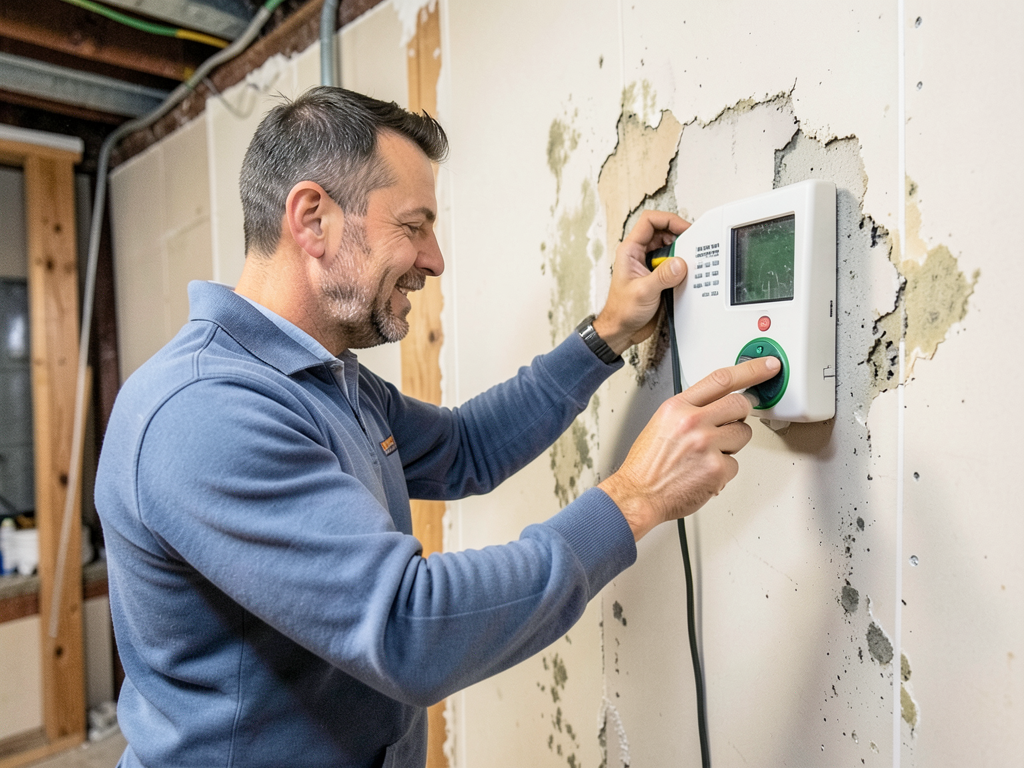
Identifying Black Mold Growth in Older Rental Properties Around Hopkins Living in an older rental property in Hopkins can expose you to hidden dangers like black mold. This toxic fungus thrives in Minnesota’s humid summers…

Protecting Your White Bear Lake Mudroom From Melting Snow and Slush Damage Your mudroom takes…

The Dangers of a Slow Refrigerator Water Line Leak in Your Oakdale Kitchen A slow…

Stopping Rainwater Seepage Through Macalester-Groveland Stone Foundations Rainwater seeping through stone foundations in Macalester-Groveland is…
Every hour of delay increases damage and restoration costs. Our Rochester crews are ready to respond 24/7 with truck-mounted extraction equipment and industrial drying systems. Call (651) 677-5055 now for emergency water damage restoration. We answer the phone, we arrive fast, and we stop the damage.