




St. Cloud sits at the confluence of the Mississippi River and central Minnesota's harsh freeze-thaw cycles, creating perfect conditions for water damage disasters. Winter temperatures routinely drop below zero, freezing pipes in older homes throughout the Southside and along Division Street. When those pipes burst during spring thaw, they flood basements and crawl spaces with hundreds of gallons in minutes.
Spring brings rapid snowmelt across Stearns County. The Mississippi can rise several feet in days, pushing groundwater into basement foundations from Beaver Island to Lincoln Avenue. Properties near Lake George and the Sauk River tributaries face sump pump failures when water tables spike. Summer storms dump three inches of rain in an hour, overwhelming aging storm sewers in East St. Cloud and flooding finished basements.
The clay-heavy soil common throughout St. Cloud holds water against foundations instead of draining. This creates hydrostatic pressure that forces moisture through basement walls and floor cracks. Older homes built before modern waterproofing standards struggle with chronic seepage. Every season brings new water intrusion risks that require immediate professional response to prevent structural damage, mold growth, and total loss of belongings.
We have responded to thousands of water emergencies across St. Cloud and Stearns County since our founding, building relationships with insurance adjusters, property managers, and homeowners who trust us when disaster strikes. Our certification through the Institute of Inspection Cleaning and Restoration Certification means our technicians follow industry protocols that insurance companies require for full claim approval. We document every step with photos, moisture readings, and detailed reports that protect your claim.
Our response vehicles carry truck-mounted extraction units that remove water faster than portable shop vacs other companies use. We deploy thermal imaging cameras to find hidden moisture in wall cavities and under flooring that standard meters miss. This technology preventsCallback visits and catches problems before mold colonies establish. Our industrial dehumidifiers and air movers create negative pressure drying environments that restore structures in days, not weeks.
We work directly with every major insurance carrier servicing St. Cloud, from State Farm to Federated. Our estimators use Xactimate software to write estimates in the same format adjusters use, eliminating disputes over scope and pricing. We coordinate the entire process from emergency board-up through final reconstruction, acting as your advocate with the insurance company. You get one point of contact instead of juggling multiple contractors.
Our commitment to St. Cloud goes beyond emergency response. We sponsor youth sports programs, support local food shelves, and employ technicians who live in the neighborhoods we serve. When you call us at 3 AM because your water heater burst, you get a crew that knows how to navigate St. Cloud streets in a blizzard and understands the building construction common to your neighborhood.

We guarantee response within 60 minutes of your call anywhere in St. Cloud. Our crews work in shifts 24/7, with vehicles stationed strategically to reach properties from Waite Park to Sartell without delay. Fast response stops water from spreading through flooring, into walls, and under cabinetry. The difference between a one-room cleanup and whole-house remediation is often measured in minutes.

Our certified estimators document damage in the exact format insurance adjusters require, maximizing your claim approval. We photograph every affected area, log moisture readings in industry-standard formats, and write detailed scope reports using Xactimate software. Most of our customers receive full claim approval without dispute because we speak the insurance company's language and follow their protocols exactly.
Every technician on our crews holds Water Restoration Technician certification through the Institute of Inspection Cleaning and Restoration Certification. This certification requires passing rigorous exams on drying science, microbial remediation, and structural restoration. Insurance companies require IICRC certification for approved vendors because it guarantees work meets industry standards. We invest in ongoing training so our crews use current best practices on every job.
We know St. Cloud construction inside and out. Our crews understand which neighborhoods have clay tile sewer lines prone to backup, which areas face seasonal groundwater intrusion, and how older homes along Riverside Drive are framed. This local knowledge lets us predict hidden damage, plan drying strategies efficiently, and coordinate with city inspectors who know our work. We are not a national franchise learning your city on your dime.
Water damage restoration requires more than mopping floors and running fans. Professional remediation follows strict protocols for water extraction, structural drying, microbial prevention, and reconstruction. Pioneer Water Damage Restoration Minneapolis delivers complete water damage mitigation services that take your St. Cloud property from emergency through final rebuild.
We handle everything from burst pipe cleanups to catastrophic flood restoration. Our services include emergency water removal, structural drying and dehumidification, mold prevention and remediation, sewage cleanup and sanitization, content pack-out and storage, and full reconstruction. We use truck-mounted extraction equipment, industrial dehumidifiers, thermal imaging cameras, moisture mapping technology, and antimicrobial treatments that prevent secondary damage.
Our service categories address the three distinct phases of water damage restoration. Emergency response focuses on stopping active damage and extracting standing water. Structural drying removes moisture from building materials to prevent mold and rot. Reconstruction repairs and rebuilds damaged structures to pre-loss condition. Each phase requires specialized equipment and expertise. Many St. Cloud property owners attempt DIY extraction only to discover hidden moisture six months later when mold appears or floors buckle. Professional restoration catches these problems immediately.
When water floods your St. Cloud property, immediate extraction prevents the damage from spreading. We deploy truck-mounted pumps that remove thousands of gallons per hour from basements, crawl spaces, and flooded floors. Our crews arrive with portable extraction units for upper floors, wet vacuums for carpets and upholstery, and submersible pumps for deep standing water. We remove water before it saturates drywall, seeps under flooring, or migrates into wall cavities. Emergency extraction includes moisture mapping to identify all affected areas, not just visible pooling.
Removing standing water is only the first step. Moisture absorbed into wood framing, drywall, insulation, and subflooring requires professional drying equipment and monitoring. We deploy industrial dehumidifiers that pull humidity from the air and high-velocity air movers that create airflow across wet surfaces. Our technicians use thermal imaging cameras to detect moisture hidden in walls and moisture meters to track drying progress daily. We continue drying until moisture levels return to normal ranges, preventing mold growth and structural weakening that appear weeks after water cleanup.
Sewage backups and contaminated floodwater require specialized cleanup protocols to protect health and safety. Our crews wear protective equipment and follow IICRC S500 standards for removing category 3 water contaminated with bacteria, viruses, and pathogens. We extract sewage, remove contaminated materials that cannot be sanitized, apply antimicrobial treatments to affected surfaces, and use hospital-grade disinfectants. Sewage cleanup includes odor control, air scrubbing with HEPA filtration, and disposal of biohazard waste according to Minnesota Department of Health regulations. This is not work for homeowners or general cleaners.
St. Cloud's climate and housing stock create predictable water damage patterns. Understanding these common emergencies helps property owners recognize problems early and respond appropriately. Most water damage starts small but escalates quickly when ignored or handled incorrectly.
Frozen pipes burst throughout St. Cloud every winter when temperatures drop below zero for extended periods. Homes along the Mississippi River corridor and in older neighborhoods with poor insulation face the highest risk. Sump pump failures spike during spring melt and summer storms when pumps run continuously and burn out motors. Basement flooding follows within hours. Roof leaks develop when ice dams form along eaves, forcing meltwater under shingles and into attics. Water heater failures flood finished basements with 40 to 50 gallons before homeowners notice. These four emergencies account for most of our St. Cloud calls, but each requires different extraction and drying approaches.
St. Cloud winters routinely hit minus 20 degrees, freezing water lines in exterior walls, crawl spaces, and unheated garages. When pipes thaw, pinhole cracks and split seams spray water under pressure, flooding rooms in minutes. Copper and PEX lines both fail. The key is shutting off water immediately at the main valve and calling for emergency extraction. Burst pipes often saturate insulation inside walls, requiring demolition to dry properly and prevent mold.
Heavy spring rains and snowmelt overwhelm sump basins throughout St. Cloud, especially in low-lying areas near the river. Pumps fail from motor burnout, clogged discharge lines, or power outages during storms. Basements flood with groundwater contaminated by soil bacteria. Standing water damages finished living spaces, storage, and mechanical systems. Sump failures require immediate extraction and thorough structural drying because groundwater carries microbial contamination even when it looks clear.
Poor attic insulation and ventilation cause ice dams along roof eaves when heat escapes and melts snow. Meltwater backs up under shingles and drips into attics, saturating insulation and ceiling drywall. By the time stains appear on ceilings, attics hold gallons of water in insulation. Ice dam leaks require attic inspection, insulation removal, roof deck drying, and often shingle replacement. Ignoring small ceiling stains leads to major mold problems in attic spaces.
Tank water heaters fail without warning when corrosion creates pinhole leaks or tank bottoms rust through. A 50-gallon heater floods finished basements with enough water to saturate carpet, drywall, and furniture before homeowners discover the leak. Water heaters in mechanical rooms spread water across entire basement levels. These failures require rapid extraction, carpet removal, and baseboard demolition to access wet drywall. Water heater floods often result in total basement reconstruction when response is delayed.
Water emergencies create panic. You need immediate help and clear information about what happens next. When you call Pioneer Water Damage Restoration Minneapolis, you get a structured response process designed to stop damage, answer questions, and restore your St. Cloud property efficiently.
Our answering service puts you through to a live technician within two rings, not voicemail. The technician asks targeted questions about the water source, affected areas, and immediate safety concerns. We dispatch a crew to your location within 60 minutes while walking you through emergency steps like shutting off water mains or moving valuables. Our trucks arrive with all necessary extraction and drying equipment already loaded. You will not wait days for a separate estimate visit before work begins.
From first response through final walkthrough, you work with a dedicated project manager who coordinates every phase. Your project manager handles insurance communication, schedules all work, and answers questions throughout the process. This single point of contact eliminates confusion and ensures nothing falls through cracks between emergency response, drying, and reconstruction phases.
Our crew arrives within 60 minutes to assess damage and begin emergency services. The crew chief walks your property with thermal imaging and moisture meters to map all affected areas, including hidden moisture you cannot see. You receive an immediate verbal assessment of damage severity and required services. We take hundreds of photos and detailed notes that document conditions for your insurance claim. Emergency extraction begins immediately to stop water from spreading. You get a written scope and estimate within 24 hours.
Our technicians visit your property daily during the drying phase to take moisture readings and adjust equipment. Drying typically takes three to five days depending on materials affected and humidity levels. Your project manager calls with updates and sends daily moisture logs showing drying progress. We do not remove equipment until moisture meters confirm all materials have returned to normal levels. You receive copies of all documentation showing the complete drying process met industry standards and insurance requirements.
Once drying is complete, our reconstruction crews repair and rebuild damaged structures to pre-loss condition. This includes drywall replacement, flooring installation, painting, and trim work. We handle all reconstruction in-house instead of subcontracting to unknown third parties. Your project manager schedules a final walkthrough where you inspect all completed work before we close the project. We guarantee our workmanship and remain available if any issues appear after completion. You get a complete documentation package for your records and insurance company.
Professional water damage restoration follows a proven sequence that stops damage, removes moisture, and restores structures. Each phase requires specific expertise and equipment. Skipping steps or rushing the process leads to mold growth, structural damage, and failed insurance claims.
We arrive within 60 minutes to stop active water intrusion and remove standing water. Our crew locates the water source and stops flow by shutting off supply lines, repairing leaks, or coordinating plumber dispatch. We extract standing water using truck-mounted pumps and portable units, working from lowest points outward to prevent spreading. Technicians map moisture using thermal imaging and meters to identify all affected areas. We remove saturated materials that cannot be saved, apply antimicrobial treatments to prevent microbial growth, and begin initial drying setup.
Industrial dehumidifiers and air movers run continuously to pull moisture from building materials and create optimal drying conditions. Technicians visit daily to take moisture readings at marked locations throughout affected areas. We adjust equipment placement and settings based on drying progress. Thermal imaging confirms moisture is leaving wall cavities and subfloors. Drying continues until all materials return to normal moisture content ranges per IICRC S500 standards. This phase typically requires three to five days but varies based on materials and saturation levels.
Once drying is verified complete, reconstruction rebuilds your property to pre-loss condition. Our crews replace drywall, install new flooring, repaint, and restore trim and fixtures. We match existing finishes and materials to maintain your home's appearance. All reconstruction work includes quality guarantees and follows Minnesota building codes. Your project manager schedules a final walkthrough where you approve all completed work. We provide complete documentation showing the entire restoration met industry standards and insurance requirements.
The Institute of Inspection Cleaning and Restoration Certification publishes the S500 Standard and Reference Guide for Professional Water Damage Restoration, which defines protocols for classifying water damage and executing proper remediation. These standards protect property owners and ensure insurance claims meet industry requirements. Understanding water categories and drying principles helps St. Cloud homeowners recognize when professional restoration is necessary.
Water damage falls into three categories based on contamination level. Category 1 is clean water from supply lines, broken pipes, or rainwater that has not contacted contaminants. Category 2 is gray water containing chemical, biological, or physical contamination such as washing machine overflow, toilet bowl water without feces, or sump pump discharge. Category 3 is black water grossly contaminated with bacteria, sewage, chemicals, or other hazardous agents. All floodwater entering from outside is category 3 regardless of appearance because it contacts soil bacteria and potential pollutants.
Water category determines required remediation protocols. Category 1 water becomes category 2 after 48 hours if not extracted because bacteria multiply rapidly. Category 2 water requires antimicrobial treatment and specific handling protocols. Category 3 demands full protective equipment, removal of porous materials that cannot be disinfected, and hospital-grade sanitization. Many St. Cloud property owners attempt DIY cleanup without understanding these distinctions, creating health hazards and insurance claim denials.
Proper drying requires controlling temperature, humidity, and airflow to achieve optimal evaporation rates. The psychrometric chart guides restoration technicians in calculating drying potential based on current conditions. Dehumidifiers remove moisture from air, creating vapor pressure differentials that pull moisture from saturated materials. Air movers increase evaporation rates by moving humid air away from wet surfaces and replacing it with drier air. Simply running box fans and opening windows rarely creates conditions for thorough structural drying in St. Cloud's humid climate. Professional equipment and daily monitoring ensure complete moisture removal before microbial growth begins.
The S500 standard establishes moisture content goals for different building materials to prevent microbial growth and structural damage. Wood framing should reach 12 to 15 percent moisture content. Drywall requires reduction to below 1 percent on moisture meters. Concrete slabs must reach specific vapor emission rates before flooring installation. We follow S500 protocols exactly and document compliance for insurance approval. Deviating from these standards voids warranties and creates liability.
Water damage restoration costs depend on water category, affected square footage, materials involved, and drying duration. Category 3 sewage cleanup costs significantly more than clean water extraction due to safety protocols and disposal requirements. Hardwood floor drying attempts cost less than replacement but may fail. Finished basements require more demolition than unfinished storage spaces. Insurance typically covers sudden and accidental water damage but excludes long-term seepage or maintenance issues. We provide detailed estimates that break down all costs.
Most St. Cloud water damage situations require three to five days of continuous drying with industrial equipment. Concrete foundations and basement floods may need seven to ten days due to density and porosity. Winter drying takes longer because cold outdoor air holds less moisture, reducing dehumidifier efficiency. Humid summer conditions can accelerate drying with proper equipment setup. We never remove drying equipment based on timelines alone. Moisture meters must confirm all materials reach target levels before equipment removal and reconstruction begins.
Minnesota does not require specific water damage restoration licensing, but contractors performing reconstruction must hold appropriate licenses for trades involved. Our company maintains general contractor licensing, liability insurance, and workers compensation coverage. We carry pollution liability insurance that covers mold and sewage claims. All technicians hold IICRC Water Restoration Technician certification, which insurance companies require for approved vendors. We provide certificates of insurance directly to your insurance adjuster and comply with all Stearns County permit requirements.
Pioneer Water Damage Restoration Minneapolis maintains 24/7 emergency response coverage throughout St. Cloud and the greater Stearns County area. Our crews respond to water emergencies from downtown St. Cloud to Waite Park, Sartell, Sauk Rapids, and Clearwater. We serve residential properties, commercial buildings, and industrial facilities across all St. Cloud neighborhoods.
Our fastest response times reach properties in central St. Cloud near the Stearns County Courthouse and along Division Street, but we guarantee 60-minute arrival anywhere within city limits. Homes in the Southside neighborhood between Cooper Avenue and Clearwater Road face frequent basement flooding from spring melt and summer storms due to proximity to the Mississippi River. We have extensive experience with the older housing stock throughout this area, including homes built before modern foundation waterproofing became standard. Properties along Riverside Drive and near Munsinger Gardens require specialized approaches due to high water tables and river proximity during flood events.
The Northside neighborhoods around Wilson Avenue and across Highway 23 include newer construction with better drainage systems, but frozen pipe bursts remain common during extreme cold snaps. We respond frequently to properties in the growing areas around Crossroads Center and along County Road 75, where rapid development sometimes outpaces storm sewer capacity. Commercial properties throughout the business corridors along Highway 15 and Division Street call us for emergency water extraction after roof leaks, HVAC failures, and sprinkler system malfunctions.
East St. Cloud properties near Lake George and along Kilian Boulevard experience unique flooding patterns when lake levels rise during heavy precipitation. The older homes throughout this area often have stone foundations that allow groundwater seepage during seasonal high water tables. We work extensively with properties near St. Cloud State University, where rental properties and older multi-family buildings require rapid response to prevent displacement of multiple tenants.
Our coverage extends throughout the St. Cloud metro into neighboring communities. Waite Park properties along Highway 10 and near Quarry Park call us for both residential and commercial water damage restoration. Sartell homes north of the Mississippi deal with well water system failures and basement flooding from the challenging topography. Sauk Rapids properties face similar water intrusion challenges as central St. Cloud, with added complexities from older construction methods common to that community.
We maintain relationships with insurance adjusters, property management companies, and commercial facility managers throughout Stearns County who trust our emergency response and documentation standards. From Clearwater to Cold Spring, Rice to St. Joseph, property owners call us when water damage requires immediate professional response.
Pioneer Water Damage Restoration Minneapolis is proud to be a dedicated, locally owned company centrally located to serve the entire metro area and surrounding communities. We invite you to view our service area on the map to confirm we cover your neighborhood, ensuring you receive the fastest possible emergency response whenever disaster strikes. Our commitment is always to our community’s property owners and their complete, timely recovery.
Address:
St. Cloud, MN, 56301
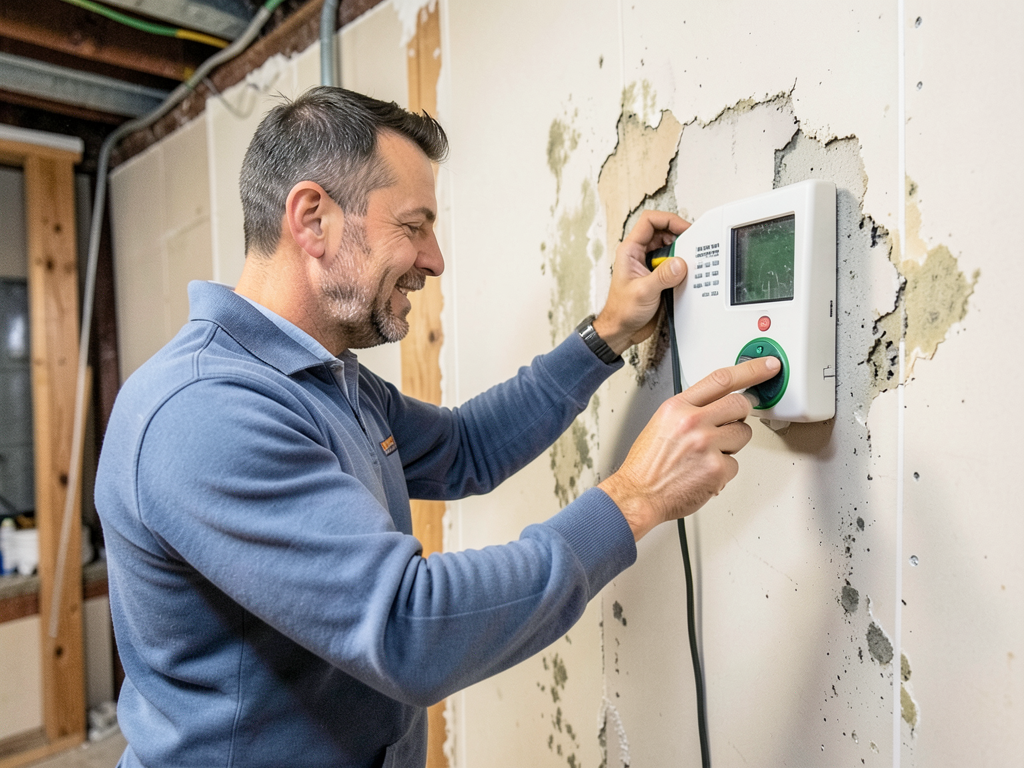
Identifying Black Mold Growth in Older Rental Properties Around Hopkins Living in an older rental property in Hopkins can expose you to hidden dangers like black mold. This toxic fungus thrives in Minnesota’s humid summers…

Protecting Your White Bear Lake Mudroom From Melting Snow and Slush Damage Your mudroom takes…

The Dangers of a Slow Refrigerator Water Line Leak in Your Oakdale Kitchen A slow…

Stopping Rainwater Seepage Through Macalester-Groveland Stone Foundations Rainwater seeping through stone foundations in Macalester-Groveland is…
Every minute counts when water floods your property. Pioneer Water Damage Restoration Minneapolis crews are standing by 24/7 to respond to your St. Cloud emergency. Call (651) 677-5055 now for immediate dispatch and expert water damage restoration that stops the damage and protects your insurance claim.