




St. Paul sits at the confluence of the Mississippi and Minnesota Rivers, creating a high water table that affects basement integrity across Summit Hill, Highland Park, and the West Side Flats. The city's harsh winter climate brings repeated freeze-thaw cycles that crack foundations, burst pipes, and compromise roof valleys in historic homes throughout Cathedral Hill and Crocus Hill.
Spring snowmelt overwhelms storm sewers in lower-lying neighborhoods near Phalen Creek and Battle Creek, causing backup flooding in finished basements. St. Paul's housing stock includes thousands of pre-1940 homes with stone foundations, knob-and-tube plumbing, and aging cast iron drain lines that fail without warning.
The Minnesota climate creates specific water damage patterns. January through March brings pipe bursts from extreme cold. April and May deliver flooding from rapid snowmelt and spring storms. Summer brings severe thunderstorms with roof leaks and sump pump failures. Fall sees condensation issues as heating systems activate in poorly ventilated crawl spaces.
Properties near Como Lake, Lake Phalen, and the river valleys face elevated humidity that accelerates mold growth after any water intrusion. St. Paul's dense urban areas also experience water damage from neighboring properties, shared walls in duplexes, and aging municipal water infrastructure.
Pioneer Water Damage Restoration Minneapolis has served St. Paul properties for years with a focus on rapid deployment and complete restoration. When water damages your property, the first 24 hours determine whether you face a manageable cleanup or catastrophic loss. Our dispatch system gets technicians to your Summit Avenue Victorian or your West Seventh Street commercial building within 60 minutes of your call.
We maintain staging locations near downtown St. Paul, ensuring fast response to every neighborhood from Mac-Groveland to the East Side. Our technicians carry commercial-grade extraction equipment, infrared moisture detection cameras, and industrial dehumidifiers on every truck. We begin water removal immediately upon arrival, not after an estimate appointment.
Our team understands St. Paul's building characteristics. We have restored water damage in century-old homes with plaster walls, modern condos along the Green Line, and commercial properties in the Energy Park district. We know how water behaves in different foundation types, how Minnesota's clay soil affects drainage, and which restoration techniques work in St. Paul's climate.
We coordinate directly with insurance adjusters, providing detailed documentation, moisture readings, and photographic evidence that supports your claim. Most St. Paul homeowners pay only their deductible. We handle the paperwork, communicate with your insurance company, and ensure you receive fair settlement for all covered damages.
Our restoration process follows IICRC standards for water damage remediation. We extract standing water, remove unsalvageable materials, dry structural components to manufacturer specifications, treat for microbial growth, and restore your property to pre-loss condition. Every job includes final moisture verification to prevent hidden damage that appears months later.

Our dispatch system activates technicians the moment you call. We maintain equipment staging near downtown St. Paul and major neighborhoods, allowing us to reach your property fast. Every response truck carries extraction pumps, moisture meters, and containment equipment. We begin water removal immediately, stopping damage progression while other companies schedule estimate appointments.

We communicate directly with your insurance adjuster, providing detailed loss documentation, moisture mapping, and photographic evidence. Our estimates follow Xactimate pricing that adjusters recognize and approve. We track every material removal, equipment placement, and labor hour. Most St. Paul homeowners pay only their deductible while we handle claim paperwork and supplement negotiations.
Every technician on our team holds current IICRC certification in water damage restoration. We follow industry protocols for extraction, drying, and microbial remediation. Our work includes thermal imaging to detect hidden moisture, psychrometric calculations to optimize drying, and final verification testing. You receive documentation showing your property meets manufacturer dry standards.
We have restored water damage in every St. Paul property type, from Summit Avenue mansions with horsehair plaster to modern condos in downtown high-rises. We understand how water behaves in stone foundations, how Minnesota's clay soil affects drainage, and which drying techniques work in different structural systems. Our local knowledge prevents mistakes that cause secondary damage.
Water damage comes from dozens of sources, and each requires specific restoration techniques. A burst pipe in a finished basement demands different treatment than a roof leak saturating attic insulation. A sewage backup requires sanitization protocols that clean water flooding does not. Pioneer Water Damage Restoration Minneapolis provides complete water damage remediation for every scenario St. Paul property owners face.
Our emergency response services address active water events requiring immediate action. Our structural drying division handles moisture removal from building materials after extraction. Our restoration services rebuild and repair damaged areas, returning your property to pre-loss condition.
We handle water damage from pipe bursts, appliance failures, roof leaks, foundation seepage, sewer backups, sump pump failures, and storm flooding. Our equipment inventory includes truck-mounted extraction units, commercial dehumidifiers, air movers, thermal imaging cameras, moisture meters, and negative air machines. We deploy the right tools for your specific situation.
Every water damage project begins with assessment. We identify the water source, classify the contamination level, measure moisture content in affected materials, and create a drying plan. Our technicians explain what can be saved, what requires removal, and how long the drying process takes. You receive clear information to make decisions about your property.
When standing water floods your property, immediate extraction prevents structural damage and mold growth. Our emergency response teams deploy truck-mounted pumps and portable extractors to remove water from basements, crawl spaces, and living areas. We handle everything from burst pipe flooding to storm water intrusion. Our technicians arrive with containment barriers, protective equipment, and industrial extraction tools. We remove standing water, extract moisture from carpets and padding, and begin drying structural components the same day you call.
After water extraction, moisture remains trapped in walls, subfloors, and structural components. Our structural drying process uses commercial dehumidifiers, air movers, and heat to pull moisture from building materials. We monitor drying progress with moisture meters and thermal imaging, adjusting equipment placement based on psychrometric calculations. Hardwood floors, drywall, insulation, and framing members receive targeted drying to manufacturer specifications. We document moisture readings daily, ensuring complete drying before restoration begins. This prevents mold growth and structural failure months after the initial water event.
Water damage often requires removing drywall, flooring, and trim to access wet structural components. Our restoration division rebuilds these areas after drying completes. We handle everything from cosmetic repairs to major reconstruction. Services include drywall replacement, flooring installation, trim carpentry, painting, and fixture reinstallation. We match existing finishes and materials, ensuring seamless integration with undamaged areas. Our licensed contractors coordinate all trades including electrical, plumbing, and HVAC repairs. You work with one company from emergency response through final walkthrough.
St. Paul's climate and building characteristics create specific water damage patterns. Understanding these issues helps property owners recognize warning signs and respond quickly. The city's cold winters stress plumbing systems, causing failures in older homes and buildings. Spring snowmelt overwhelms drainage systems in low-lying areas. Summer storms expose roof vulnerabilities. Fall temperature swings create condensation in poorly ventilated spaces.
The age of St. Paul's housing stock compounds these challenges. Many neighborhoods contain homes built before modern waterproofing standards existed. Stone foundations in Summit Hill and Cathedral Hill absorb groundwater. Cast iron drain lines corrode and fail without warning. Outdated plumbing materials cannot withstand freeze-thaw stress. These conditions make water damage more common and more severe in St. Paul than in newer suburban areas.
Property owners who understand these risks can take preventive action. Regular plumbing inspections catch deteriorating pipes before they burst. Sump pump maintenance prevents basement flooding. Roof inspections identify vulnerable areas before storms strike. When prevention fails, rapid response limits damage and reduces restoration costs.
St. Paul's pre-1940 homes often have plumbing in exterior walls or unheated spaces. When January temperatures drop below zero, water freezes in these pipes. The expanding ice creates pressure that splits copper lines and bursts galvanized steel pipes. Homeowners discover the damage when temperatures rise and ice melts, releasing hundreds of gallons into walls and ceilings. These failures cause extensive damage because water flows for hours before detection.
Minnesota's heavy snow accumulation creates flooding risk when rapid spring thaws release water faster than soil can absorb it. Properties near Phalen Creek, Battle Creek, and the Mississippi River floodplain face the highest risk. Groundwater rises, overwhelming foundation drains and forcing water through cracks in basement walls. Sump pumps run continuously and often fail from overwork. Finished basements suffer carpet damage, drywall wicking, and mold growth when owners delay calling professionals.
Heavy rainfall events overwhelm St. Paul's combined sewer system, causing backups into basement floor drains. The West Side Flats, Dayton's Bluff, and areas near the river valleys see frequent backup flooding during severe storms. Raw sewage enters finished basements, contaminating carpets, drywall, and stored belongings. This category 3 water requires specialized cleaning and sanitization. Many homeowners lack sewer backup coverage and face significant out-of-pocket costs for proper remediation.
Inadequate attic insulation and ventilation allow heat to escape through roofs, melting snow that refreezes at the eaves. Ice dams trap water behind them, forcing it under shingles and into attic spaces. Water saturates insulation, drips through ceilings, and damages plaster or drywall in living areas below. St. Paul's steep-roofed Victorian and Colonial homes see frequent ice dam problems. Damage often goes unnoticed until spring when stains appear on ceilings and walls.
Water damage creates panic. Your basement floods at midnight, or you discover ceiling stains that mean hidden water damage. You need help immediately, but you have never hired a water damage company before. Understanding what happens when you call Pioneer Water Damage Restoration Minneapolis reduces stress and helps you make informed decisions.
Our process prioritizes rapid response and clear communication. You speak with a real person who asks specific questions about your water damage. We dispatch technicians immediately while gathering details about your situation. Our goal is stopping water damage progression, not scheduling convenient appointments days later.
When technicians arrive, they assess the damage, explain what must happen, and begin emergency services. You receive upfront information about timelines, costs, and insurance coverage. We do not surprise you with unexpected charges or extend timelines without explanation. Our reputation depends on doing what we promise when we promise it.
Throughout the restoration, you know exactly what is happening with your property. We provide daily updates, answer questions promptly, and adjust our work schedule to minimize disruption to your life. When restoration completes, you receive documentation showing your property meets industry standards for moisture content and structural integrity.
When you call our emergency line, a trained dispatcher gathers essential information about your water damage while activating the nearest response team. Technicians typically arrive within 60 minutes in St. Paul. Upon arrival, they locate the water source, shut off supply if needed, and assess damage extent using moisture meters and thermal imaging. You receive a clear explanation of what happened, what requires immediate attention, and what the restoration process involves. We answer questions about insurance coverage and provide preliminary timelines.
Water damage restoration takes days or weeks depending on severity. We provide daily updates on drying progress, equipment adjustments, and timeline expectations. Our project manager remains your single point of contact, available by phone or text to answer questions. We photograph damage before, during, and after restoration for your records and insurance documentation. When unexpected issues arise, such as hidden damage behind walls, we explain options and costs before proceeding. You never wonder what is happening with your property.
Restoration completes only when moisture meters confirm all affected materials meet manufacturer dry standards. We provide final documentation showing moisture readings, equipment logs, and photographic evidence of completed work. This documentation protects you from future insurance disputes and provides proof that restoration followed industry protocols. If we rebuild damaged areas, work meets St. Paul building codes and includes appropriate permits. You receive warranties on materials and workmanship for restoration services performed.
Water damage restoration follows a logical sequence. Each phase must complete successfully before the next begins. Rushing the process or skipping steps leads to mold growth, structural failure, and repeated insurance claims for the same damage.
Technicians arrive with truck-mounted extraction equipment and portable pumps to remove standing water from your property. We extract water from carpets, remove soaked padding, and pull moisture from concrete slabs using specialized tools. Furniture and contents are moved to dry areas or elevated on blocks to prevent wicking damage. We set containment barriers to isolate affected areas from the rest of your property. Emergency board-up or tarping protects your property from weather exposure if needed.
Commercial dehumidifiers and air movers are positioned throughout affected areas to pull moisture from building materials. We remove wet insulation, drill weep holes in baseboards, and create drying chambers in wall cavities when necessary. Moisture levels are measured daily in floors, walls, and ceilings using penetrating and non-penetrating meters. Equipment placement adjusts based on drying progress. This phase typically takes three to seven days depending on materials affected and water contamination level.
After verification that all materials are completely dry, reconstruction begins. We replace drywall, install new flooring, repaint walls, and reinstall trim to match existing finishes. Licensed contractors handle electrical, plumbing, and HVAC repairs if water damaged these systems. Antimicrobial treatment is applied to affected areas before rebuilding to prevent future mold growth. Final walkthrough ensures your property is restored to pre-loss condition and all work meets your satisfaction.
Effective water damage restoration requires understanding building science, psychrometry, and industry protocols established by the Institute of Inspection, Cleaning and Restoration Certification. Homeowners who attempt DIY drying or hire unqualified companies often face mold growth, structural damage, and insurance claim denials months after the initial water event.
Water damage is classified by contamination level and affects specific material categories differently. Category 1 water from supply lines poses minimal health risk but still requires proper drying. Category 2 water from appliance discharge contains contaminants requiring antimicrobial treatment. Category 3 water from sewage or flooding requires complete removal of porous materials and intensive sanitization of structural components.
Different building materials have different drying requirements. Hardwood flooring must dry slowly to prevent cupping and cracking. Drywall can withstand some moisture but requires replacement when saturation exceeds 30 percent. Plaster walls in St. Paul's historic homes require specialized drying techniques that prevent crumbling. Concrete foundations wick water for weeks after visible drying completes.
Professional restoration uses psychrometric principles to optimize drying. We measure temperature, humidity, and moisture content to calculate the grain depression needed for efficient drying. Dehumidifiers remove moisture from air while air movers create evaporation at material surfaces. The combination pulls moisture from building components faster than passive drying while preventing secondary damage from over-drying or temperature extremes.
Insurance companies require specific documentation for water damage claims. We follow Xactimate estimating standards that adjusters recognize. Our reports include moisture mapping, equipment logs, daily monitoring records, and photographic documentation of damage and repairs. This documentation supports your claim and prevents disputes over covered damages.
Minnesota's building codes require permits for certain restoration work. Electrical repairs, structural modifications, and plumbing alterations need inspection and approval. We coordinate permit applications with the City of St. Paul, ensuring your restoration meets code requirements. This protects your property value and prevents problems during future home sales.
IICRC certification requires ongoing education about restoration techniques, safety protocols, and industry standards. Our technicians complete regular training on new equipment, moisture detection technology, and microbial remediation. This ensures we use current best practices rather than outdated methods that leave properties vulnerable to long-term damage.
Water damage is classified by contamination level. Category 1 water from supply lines requires extraction and drying. Category 2 water from appliances or toilet overflow contains bacteria requiring antimicrobial treatment. Category 3 water from sewage or flooding requires removal of all porous materials and intensive decontamination. Using wrong protocols for the contamination level creates health hazards and violates insurance requirements.
Restoration costs depend on water volume, contamination level, materials affected, and drying time required. Category 3 sewage water costs more to remediate than clean supply line water. Hardwood floor drying requires specialized equipment and longer timelines than carpet extraction. Hidden moisture in wall cavities requires invasive inspection and extended monitoring. Emergency response during nights or weekends includes dispatch fees. Insurance typically covers reasonable restoration costs when damage results from sudden, accidental events.
Water extraction begins immediately, but structural drying takes three to seven days for most properties. Severe flooding or Category 3 water may require ten to fourteen days of drying. Reconstruction timelines depend on repair extent, permit requirements, and material availability. Minor repairs take days while major rebuilds require weeks. We provide accurate timelines during initial assessment and update you if conditions change. Rushing the drying process to speed timelines causes mold growth and structural failure.
The City of St. Paul requires building permits for electrical repairs, structural alterations, and major plumbing work performed during water damage restoration. We coordinate permit applications, schedule inspections, and ensure all work meets code requirements. Permits protect your property value and prevent problems when selling your home. Work performed without required permits can result in fines, mandatory removal of completed work, and insurance claim complications.
Pioneer Water Damage Restoration Minneapolis serves the entire St. Paul metro area with the same rapid response and quality restoration. Our staging locations near downtown St. Paul ensure we reach properties throughout the city within 60 minutes of dispatch. We have restored water damage in every neighborhood, from historic mansions in Summit Hill to modern condos in Lowertown.
The Highland Park neighborhood sees frequent water damage in its mid-century ramblers and bungalows. These homes often have finished basements vulnerable to foundation seepage and sump pump failures. The area's mature trees contribute to storm damage and roof leaks during severe weather. We respond quickly to Highland Park properties, understanding how water behaves in these specific home designs.
Summit Hill and Crocus Hill contain some of St. Paul's most beautiful Victorian and Colonial homes. These properties feature plaster walls, hardwood floors, and ornate trim that require specialized restoration techniques. Water damage in these historic homes often involves aging plumbing in walls, ice dam roof leaks, and foundation moisture from stone walls. We have extensive experience restoring water damage while preserving historic architectural features.
The West Side Flats and Dayton's Bluff neighborhoods face elevated flooding risk due to their proximity to the Mississippi River and lower elevation. Spring snowmelt and severe storms cause basement flooding and sewer backups in these areas. We maintain extra equipment capacity during spring and storm season to handle the increased call volume from these neighborhoods.
Mac-Groveland and Macalester-Groveland areas contain a mix of single-family homes, duplexes, and small apartment buildings. Water damage in multi-unit properties requires coordination with landlords, tenants, and property managers. We handle the communication complexity and ensure all affected parties understand the restoration timeline and access requirements.
Downtown St. Paul's high-rise condos and apartments present unique water damage challenges. Pipe bursts in upper-floor units cascade water through multiple floors. Restoration requires building management coordination, elevator access scheduling, and careful protection of common areas. Our technicians are experienced in high-rise restoration logistics and building-specific requirements.
The East Side neighborhoods of Payne-Phalen and Greater East Side contain affordable housing stock where homeowners need efficient, cost-effective restoration. We work with these property owners to maximize insurance coverage and identify opportunities to upgrade aging systems during restoration. Our goal is protecting their investment while keeping out-of-pocket costs manageable.
Como Park and North End neighborhoods feature early 20th-century homes with basements, attics, and crawl spaces that concentrate water damage. These areas see frequent pipe bursts in winter and foundation moisture during spring thaws. We understand the plumbing layouts and foundation types common in these neighborhoods, allowing faster diagnosis and more efficient restoration.
Properties near Lake Phalen, Como Lake, and throughout the city's extensive park system face elevated humidity that accelerates mold growth after water intrusion. We account for these environmental factors in our drying protocols, ensuring moisture levels drop below thresholds that support microbial growth.
Pioneer Water Damage Restoration Minneapolis is proud to be a dedicated, locally owned company centrally located to serve the entire metro area and surrounding communities. We invite you to view our service area on the map to confirm we cover your neighborhood, ensuring you receive the fastest possible emergency response whenever disaster strikes. Our commitment is always to our community’s property owners and their complete, timely recovery.
Address:
St. Paul, MN, 55130
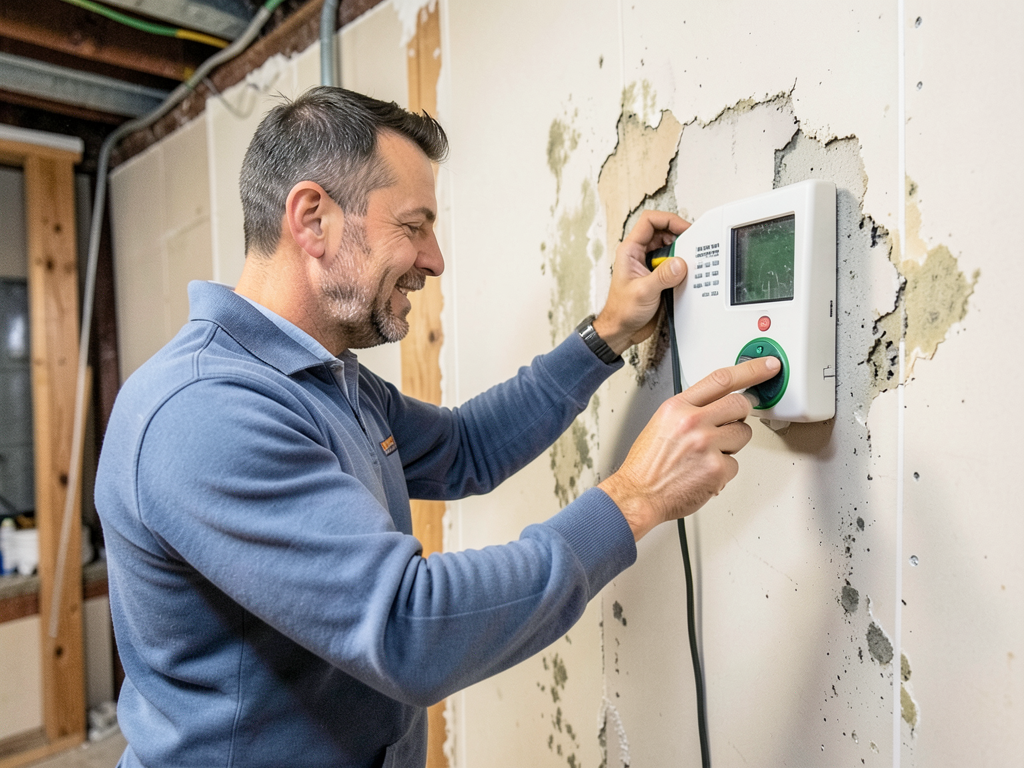
Identifying Black Mold Growth in Older Rental Properties Around Hopkins Living in an older rental property in Hopkins can expose you to hidden dangers like black mold. This toxic fungus thrives in Minnesota’s humid summers…

Protecting Your White Bear Lake Mudroom From Melting Snow and Slush Damage Your mudroom takes…

The Dangers of a Slow Refrigerator Water Line Leak in Your Oakdale Kitchen A slow…

Stopping Rainwater Seepage Through Macalester-Groveland Stone Foundations Rainwater seeping through stone foundations in Macalester-Groveland is…
Every minute counts when water damages your St. Paul property. Our emergency response teams are standing by 24/7 to stop the damage and start the restoration. Call (651) 677-5055 now for immediate dispatch. We answer every call, deploy immediately, and work directly with your insurance company.