





menu

Water Stains on Drywall in Minneapolis – Expert Diagnosis Before Mold Takes Hold

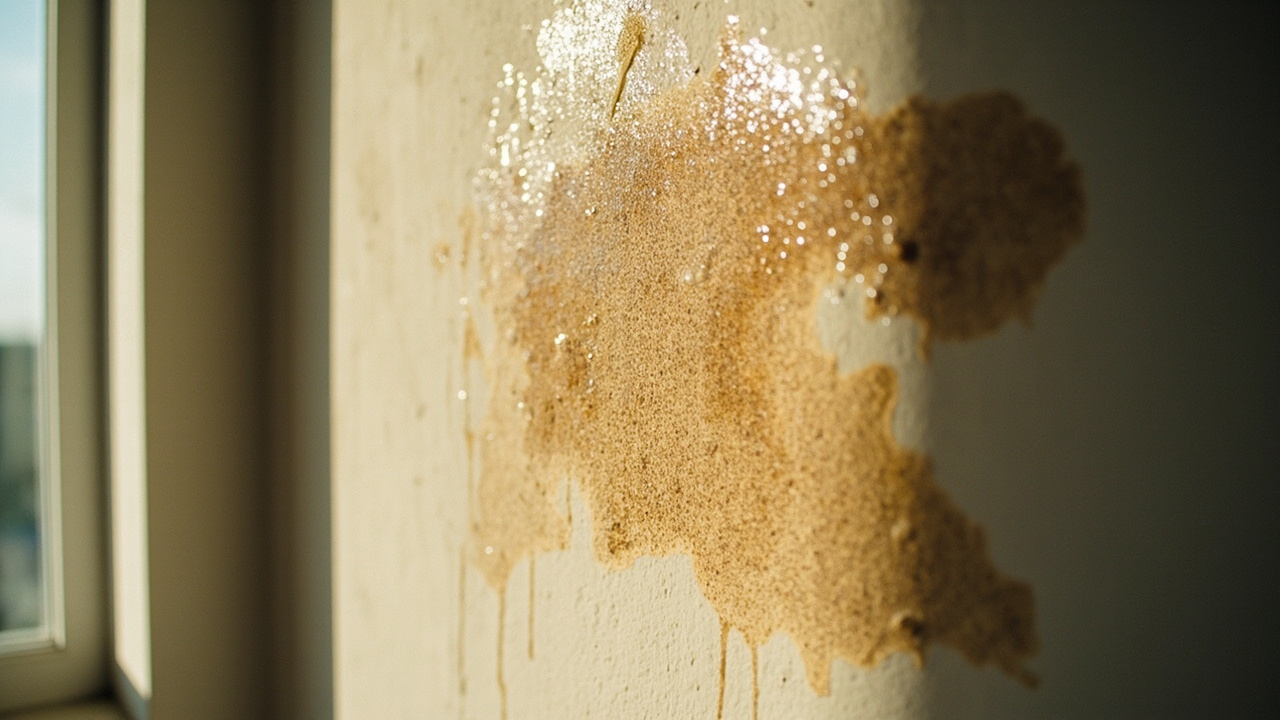
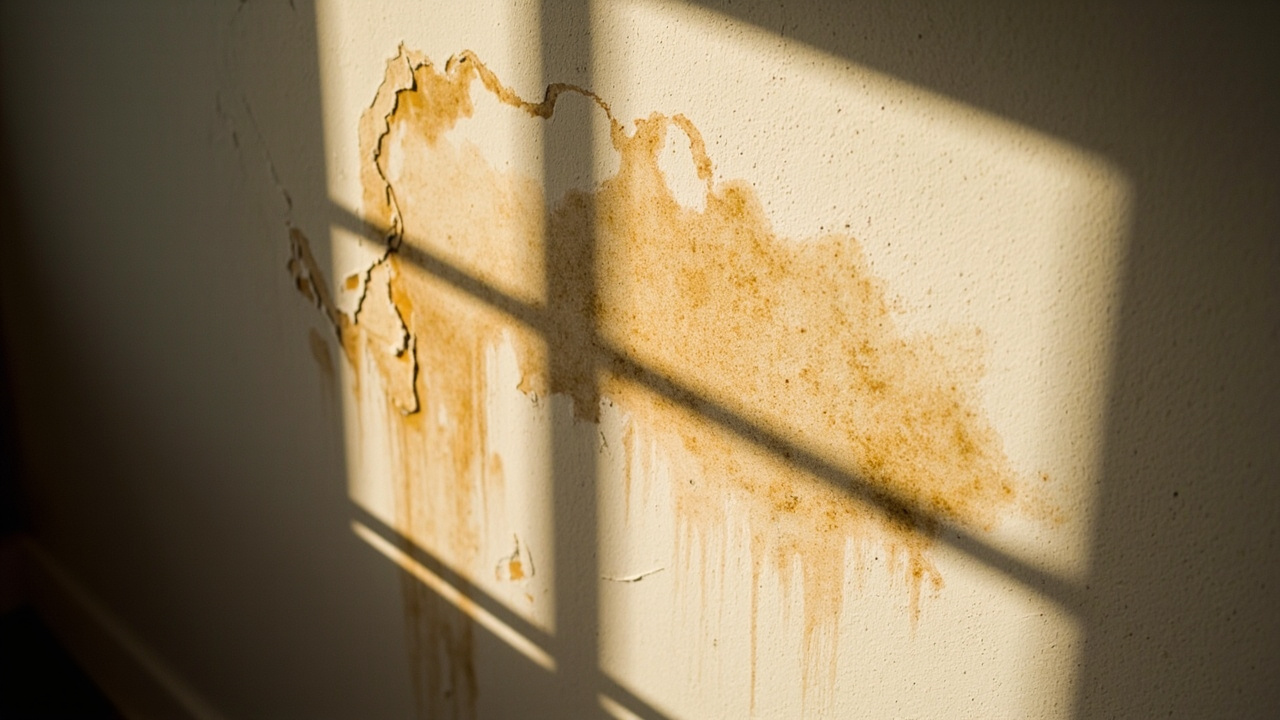
Those brown water spots on walls and yellow stains on drywall are warning signs, not cosmetic issues. We identify the hidden moisture source, stop the damage, and restore your walls before structural decay sets in.

Slider Image 1
Slider Image 2
Slider Image 3
Slider Image 4
Slider Image 5
Slider Image 7
Slider Image 8
Slider Image 9
Slider Image 10
Slider Image 11

Why Water Stains Appear on Minneapolis Drywall

You see a brown water spot on your ceiling. Maybe yellow stains on drywall near a window. You tell yourself it will dry out. It will not.

Minneapolis experiences dramatic freeze-thaw cycles, intense summer humidity, and ice dam season from December through March. These conditions force water into places it should not go. Roof ice dams melt and seep under shingles. Condensation builds inside walls when warm indoor air hits cold exterior sheathing. Plumbing freezes, thaws, and cracks in crawl spaces you cannot see.

Moisture discoloration on sheetrock is a symptom, not the problem. The real damage is happening behind the surface. Water migrates through insulation, soaks wood framing, and creates the perfect environment for mold growth within 24 to 48 hours. By the time you notice water marks on ceiling panels, the drywall has already absorbed moisture for days or weeks.

Wet patches on plasterboard also signal compromised structural integrity. Drywall loses load-bearing capacity when saturated. Ceilings sag. Walls bow. Paint bubbles and peels. The gypsum core disintegrates into chalky mush.

You cannot fix this with a coat of primer. You have to find the source, measure the moisture saturation, remove compromised materials, and dry the cavity properly. Anything less is cosmetic fraud that leaves mold spores and rotting framing inside your walls.

Minneapolis homes built before 1980 often have minimal vapor barriers and outdated plumbing. Newer construction uses OSB sheathing that holds moisture longer than traditional plywood. Both scenarios create hidden water damage that shows up as innocent-looking stains.

Why Water Stains Appear on Minneapolis Drywall
How We Trace and Eliminate the Moisture Source

How We Trace and Eliminate the Moisture Source

We do not patch stains. We perform forensic moisture analysis.

First, we use thermal imaging cameras to map temperature differentials behind walls and ceilings. Wet insulation and framing show up as cool spots. This tells us where water is pooling and how far it has spread. We also use pin-type and pinless moisture meters to measure exact moisture content in drywall, studs, and subflooring. Readings above 16 percent indicate active moisture intrusion.

Next, we trace the pathway. Roof leaks travel downward along rafters and can emerge 10 feet from the actual breach. Plumbing leaks follow gravity and seep into floor joists. HVAC condensate leaks saturate insulation inside exterior walls. Ice dams force water under shingles and into attic spaces, where it drips onto ceiling drywall below.

We identify the exact entry point. If it is a roof penetration, we document the failed flashing or missing shingle. If it is plumbing, we locate the leaking joint or corroded pipe. If it is condensation, we measure indoor humidity levels and check for inadequate ventilation or missing vapor barriers.

Then we stop the water. Roof tarps go up. Leaking pipes get capped. HVAC drains get cleared. Only after the source is eliminated do we address the damaged drywall.

We remove wet drywall in controlled sections, exposing the framing cavity. We set up commercial dehumidifiers and air movers to pull moisture out of wood studs and insulation. We monitor moisture levels daily until readings drop below 12 percent. Only then do we rebuild with mold-resistant drywall and vapor barriers appropriate for Minneapolis climate conditions.

What Happens When You Call Us About Ceiling Stains

Water Stains on Drywall in Minneapolis – Expert Diagnosis Before Mold Takes Hold
01

Moisture Mapping and Documentation

We arrive with thermal cameras and moisture meters, not a can of paint. Within the first 30 minutes, we map every wet zone in your walls and ceilings. You get photos, moisture readings, and a written scope of all affected materials. This documentation is critical for insurance claims and prevents future disputes about what was damaged.
02

Source Elimination and Containment

We stop the water first. If the leak is active, we address it immediately or coordinate with your plumber or roofer. We set up containment barriers using plastic sheeting and negative air pressure to prevent mold spores from spreading into clean areas. All wet materials are removed in sealed bags to protect your indoor air quality during demo.
03

Controlled Drying and Restoration

We dry the structure using industrial dehumidifiers and focused air movement. Daily moisture monitoring ensures framing reaches safe levels before we close walls. We install new mold-resistant drywall, tape, mud, sand, and prime. You get walls that are structurally sound and ready for your final paint, not a bandaid that fails in six months.

Why Minneapolis Homeowners Choose Liberty Water Damage Restoration Riverside

We have restored water-damaged homes throughout Minneapolis for years. We know the construction methods used in Longfellow bungalows, the plumbing configurations in Uptown duplexes, and the roof designs common in Northeast Minneapolis. This matters because water damage diagnosis is not a checklist. It requires understanding how your specific home was built and where vulnerabilities exist.

Minneapolis homes face unique challenges. Ice dams are a seasonal certainty, not a maybe. Older neighborhoods have cast iron drain stacks that corrode from the inside out. Homes near Lake Calhoun and Lake Harriet deal with higher groundwater tables. We account for these factors when we assess your damage.

We also understand Minnesota building codes and the permits required for structural drywall repairs. If we remove more than 25 percent of a wall or ceiling, a permit is required. We handle that process. We coordinate inspections. We ensure your home is restored to code, not just to appearance.

You also get transparent communication. We explain what we find in plain language. If you have a small roof leak and one stained ceiling panel, we tell you that. If you have widespread framing rot and mold growth, we document it with photos and moisture data. You make decisions based on facts, not fear.

We work directly with your insurance adjuster. We provide detailed estimates, moisture logs, and photo documentation that supports your claim. We know what Minnesota insurers require for water damage claims, and we submit it correctly the first time.

Liberty Water Damage Restoration Riverside is locally owned. We live in the same neighborhoods we serve. We respond fast because we are already here, not dispatched from a call center in another state.

What to Expect When We Restore Your Water-Damaged Walls

Response Time and Availability

We answer calls seven days a week. If you contact us about water stains, we schedule an assessment within 24 hours. For active leaks or visible mold, we can arrive the same day. Our typical inspection takes 60 to 90 minutes. You receive a written scope and moisture report before we leave. If you approve the work, we start containment and demo within 48 hours in most cases.

Assessment and Moisture Testing

We inspect every suspected area with thermal imaging and moisture meters. You see the same thermal images we see. We explain what the readings mean and why certain materials need to be removed. We check adjacent rooms and floors to ensure water has not migrated beyond the visible stain. You get a detailed map of all affected zones and a timeline for drying and restoration.

Quality of the Final Repair

We do not leave you with wavy ceilings or visible seams. After controlled drying, we install new drywall, tape all joints with fiberglass mesh tape, apply three coats of joint compound, sand smooth, and prime with stain-blocking primer. Our finish work matches the existing texture. You get walls ready for paint, not amateur patchwork that shows through every coat.

Post-Restoration Follow-Up

We provide a final moisture report showing all readings below safe thresholds. If we identified a roof or plumbing issue, we give you referrals to trusted local contractors. We also provide recommendations for preventing future water intrusion, such as gutter maintenance schedules or humidity control strategies for Minneapolis winters. You can call us with questions anytime after the job is complete.

Frequently Asked Questions

You Have Questions,
We Have Answers

How do you get water stains out of drywall? +

You cannot just remove water stains from drywall. The stain is a symptom, not the problem. First, find and fix the source. A roof leak, burst pipe, or condensation from Minneapolis's freeze-thaw cycles can all cause staining. Once the source is dry, assess the drywall. If it feels firm and dry after 72 hours, clean the surface with a mild detergent, let it dry completely, then apply a stain-blocking primer like Kilz or BIN before repainting. If the drywall is soft, crumbling, or the stain reappears, you need professional assessment. Water damage spreads beyond what you see.

Are water stains permanent on walls? +

Water stains are not permanent on walls, but they will not disappear on their own. The discoloration comes from minerals, dirt, and sometimes mold in the water. If you fix the leak and the drywall is structurally sound, you can cover the stain with a stain-blocking primer and repaint. However, if the underlying moisture issue is not resolved, the stain will return. In Minneapolis, older homes with outdated plumbing or ice dam damage often see recurring stains until the root cause is addressed. Stains are warnings. They tell you water entered your wall system.

Can you paint over water stains in drywall? +

You can paint over water stains, but only after proper preparation. Painting directly over a water stain without primer will fail. The stain will bleed through within days or weeks. You must first ensure the drywall is completely dry, then apply a stain-blocking primer designed for water damage. Products like Kilz, BIN, or Zinsser primers seal the stain. After the primer dries, you can apply your finish paint. If the drywall feels soft, spongy, or the paper layer is delaminating, painting is pointless. You need to replace the damaged section first.

Should you replace water stained drywall? +

You should replace water-stained drywall if it shows structural damage. Check for soft spots, bubbling, sagging, or a musty smell. If the drywall feels firm and dry after addressing the leak, you can clean and reprime it. But if the paper facing is peeling, the gypsum core is crumbling, or the stain returns after priming, replacement is necessary. Minneapolis homes with basement moisture or ice dam leaks often have hidden damage behind visible staining. Mold can grow inside wet drywall within 48 hours. When in doubt, cut out the damaged section and replace it.

Is drywall ruined once it gets wet? +

Drywall is not always ruined once it gets wet, but time matters. If drywall dries completely within 48 hours and shows no structural damage, it may be salvageable. Test it by pressing firmly. If it feels solid and the paper facing is intact, you can treat and repaint it. However, if water soaked the drywall for more than two days, or if it came from a contaminated source like a sewage backup or flooding, replacement is safer. Minneapolis homes dealing with burst pipes during winter freezes often face saturation that compromises the gypsum core.

How to get rid of a water stain on a wall? +

To get rid of a water stain on a wall, fix the leak first. Let the drywall dry completely for at least 72 hours. Use a moisture meter if possible. Once dry, wipe the stained area with a damp cloth and mild detergent to remove surface residue. Let it dry again. Apply a stain-blocking primer like Kilz or BIN to seal the discoloration. After the primer dries, repaint with your finish coat. If the stain bleeds through the primer or the drywall feels soft, you have deeper damage. Cut out and replace that section.

Does water stain on a wall mean mold? +

A water stain on a wall does not always mean mold, but it does mean moisture entered your wall system. Mold needs water, organic material like drywall paper, and time. If the leak is fixed quickly and the drywall dries within 48 hours, mold may not develop. However, if the stain is old, recurring, or accompanied by a musty odor, mold is likely growing behind the surface. Minneapolis homes with basement humidity or hidden ice dam leaks are at higher risk. You cannot see mold inside a wall without opening it up. Stains are red flags.

Will vinegar ruin paint on walls? +

Vinegar will not ruin paint on walls if used correctly. A diluted solution of one part white vinegar to three parts water is safe for cleaning most painted surfaces. Do not scrub aggressively or leave vinegar sitting on the paint. Wipe gently with a damp cloth, then rinse with clean water and dry. Vinegar can help with minor surface mold or dirt, but it will not remove water stains embedded in drywall. For water stains, you need a stain-blocking primer, not a cleaner. Vinegar is a surface treatment, not a structural fix.

How long does it take for water to stain drywall? +

Water can stain drywall within minutes, but visible staining depends on the volume and duration of exposure. A slow leak from a pipe or roof might take hours to days before you notice discoloration. A burst pipe or ice dam backup in Minneapolis can stain drywall almost immediately as water saturates the gypsum core. The longer water sits, the deeper the stain penetrates. Timing also affects mold growth. If drywall stays wet for more than 48 hours, mold spores begin to colonize. Speed matters. Fast detection and drying prevent permanent damage.

Does Kilz cover water stains? +

Yes, Kilz covers water stains when applied correctly. Kilz is a stain-blocking primer designed to seal discoloration from water, smoke, and tannins. You must first ensure the drywall is completely dry and structurally sound. Clean the surface, then apply one or two coats of Kilz primer. Let it dry fully before adding your finish paint. Kilz works well for surface stains, but it will not fix soft, damaged drywall or stop new leaks. If the stain reappears after priming, you have an active moisture problem. Fix the source before painting over it again.

How Minneapolis Winters Turn Small Leaks Into Major Drywall Damage

Minneapolis sees an average of 54 inches of snow each winter, and ice dams are a near-universal problem on homes with inadequate attic insulation. When snow melts on your roof and refreezes at the eaves, water backs up under shingles and seeps into attic spaces. This water drips onto ceiling drywall, often far from the actual ice dam. By the time you see brown water spots on your living room ceiling, the insulation above has been soaked for weeks. Frozen pipes in exterior walls also create hidden leaks that only reveal themselves as yellow stains on drywall after the thaw.

Minneapolis has strict building codes governing vapor barriers and insulation, especially after major renovations. If we remove drywall during water damage restoration, we ensure all repairs meet current Minnesota energy code requirements. This protects you from failed inspections and ensures your home performs correctly during our extreme temperature swings. Local expertise matters because contractors unfamiliar with Minneapolis construction methods often miss critical moisture control details that lead to recurring problems.

Water Damage Restoration Services in The Minneapolis Area

Pioneer Water Damage Restoration Minneapolis is proud to be a dedicated, locally owned company centrally located to serve the entire metro area and surrounding communities. We invite you to view our service area on the map to confirm we cover your neighborhood, ensuring you receive the fastest possible emergency response whenever disaster strikes. Our commitment is always to our community’s property owners and their complete, timely recovery.

Address:
Pioneer Water Damage Restoration Minneapolis, 1330 Lagoon Ave, Minneapolis, MN, 55408

Additional Services We Offer

Our news updates

Latest Articles & News from The Blogs

Protecting Your White Bear Lake Mudroom From Melting Snow and Slush Damage Your mudroom takes the brunt of Minnesota winters.…

Protecting Your White Bear Lake Mudroom From Melting Snow and Slush Damage

Protecting Your White Bear Lake Mudroom From Melting Snow and Slush Damage Your mudroom takes the brunt of Minnesota winters.…

The Dangers of a Slow Refrigerator Water Line Leak in Your Oakdale Kitchen

The Dangers of a Slow Refrigerator Water Line Leak in Your Oakdale Kitchen A slow leak from your refrigerator water…

Stopping Rainwater Seepage Through Macalester-Groveland Stone Foundations

Stopping Rainwater Seepage Through Macalester-Groveland Stone Foundations Rainwater seeping through stone foundations in Macalester-Groveland is a common problem in older…

Contact Us

Call Liberty Water Damage Restoration Riverside at (651) 677-5055 right now. We will schedule a moisture assessment, identify the source, and give you a written plan to fix it permanently. No surprises. No sales pressure. Just honest answers about your water damage.