What Minnetrista Homeowners Should Do When a Septic Backup Floods the House
When sewage backs up into your Minnetrista home, you’re facing a Category 3 biohazard emergency. The contaminated water contains dangerous pathogens including E. coli, hepatitis A, and parasites that can cause severe illness. Every minute counts when dealing with septic backup flooding. EPA septic systems guidelines.
Minnesota’s clay-rich soil in Hennepin County creates drainage challenges that make septic systems particularly vulnerable during heavy rains or rapid snowmelt. The water table near Lake Minnetonka can rise quickly, overwhelming drain fields and causing backups into basements and crawl spaces. Understanding the immediate steps to take can protect your family’s health and minimize property damage. Minnesota Department of Health septic information.
Immediate Steps for Minnetrista Homeowners
The first priority is safety. Sewage contains harmful bacteria and viruses that can cause serious illness through skin contact or inhalation. Turn off electricity to flooded areas if water reaches electrical outlets or appliances. Keep children and pets away from contaminated areas. Dealing with Sewage Backup Cleanup in Your Bloomington Home.
Stop using all water fixtures immediately. Every flush or drain use adds pressure to the already overwhelmed system. If you can safely access your septic tank, check the outlet baffle for blockages. Never enter flooded areas without proper protective equipment. Immediate Water Damage Mitigation for Downtown Minneapolis Businesses.
Document everything with photos and videos before cleanup begins. This documentation is crucial for insurance claims and helps restoration professionals assess the scope of contamination. Remove valuable items from affected areas if it’s safe to do so.
Understanding Category 3 Black Water Hazards
Septic backup water is classified as Category 3, or “black water,” the most dangerous classification in water damage restoration. Unlike clean water from a broken pipe or gray water from a washing machine, black water contains sewage, bacteria, and other contaminants that pose serious health risks. Server Room Water Damage.
The pathogens in septic backup water include multiple strains of E. coli, salmonella, giardia, and cryptosporidium. These microorganisms can survive on surfaces for days or weeks if not properly treated. Hepatitis A virus can persist in contaminated environments for months.
Porous materials like drywall, carpet, and upholstered furniture absorb contaminated water and become breeding grounds for bacteria. Even after surface cleaning, these materials may harbor dangerous microorganisms deep within their structure. The IICRC S500 Standard for Professional Water Damage Restoration requires complete removal of porous materials affected by Category 3 water.
Our Minnetrista Restoration Process
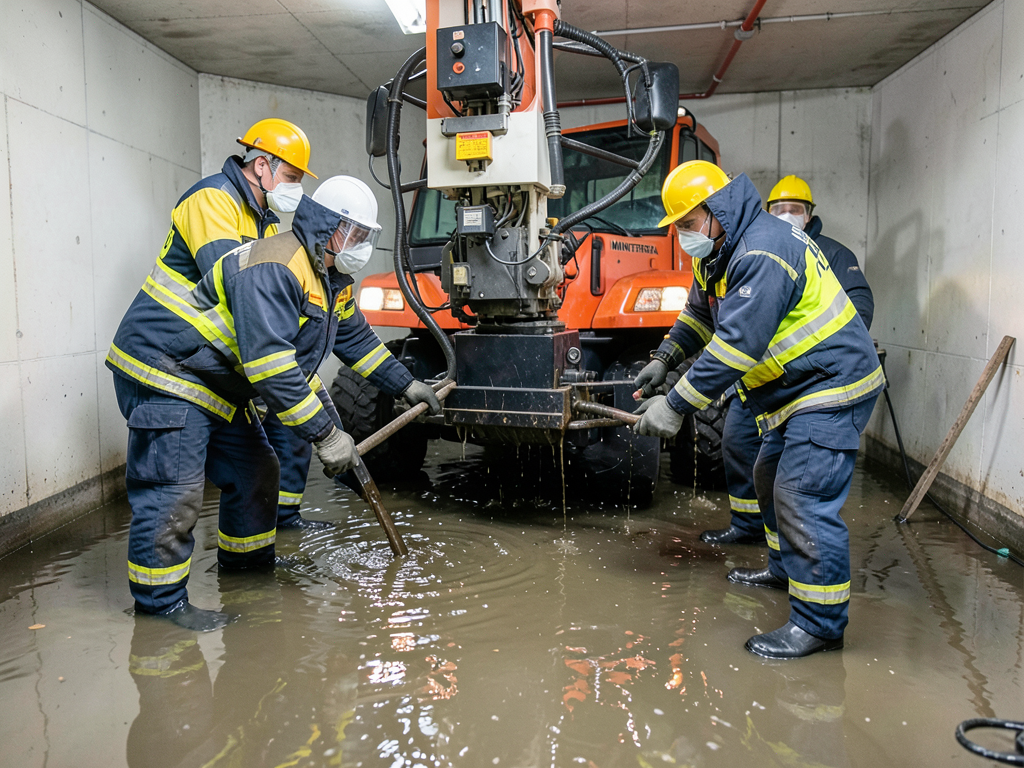
Our restoration process follows strict IICRC S500 standards for Category 3 water damage. We begin with complete water extraction using industrial-grade pumps capable of removing thousands of gallons per hour. Our truck-mounted extraction units have three times the power of portable units.
After water removal, we apply EPA-registered antimicrobial treatments to all affected surfaces. These hospital-grade disinfectants kill 99.9% of bacteria, viruses, and fungi. We use thermal foggers to reach areas traditional cleaning cannot access, including wall cavities and under flooring.
Structural drying involves industrial dehumidifiers and air movers operating 24/7 until moisture levels return to normal. We monitor progress with moisture meters and thermal imaging cameras to ensure complete drying. Hidden moisture pockets can lead to mold growth within 24-48 hours.
Odor neutralization is critical for septic backup restoration. We use hydroxyl generators and ozone treatments to eliminate sewage odors that can linger for months. These treatments break down odor molecules at the molecular level rather than masking them.
Insurance Coordination and Documentation
Most homeowner insurance policies require separate sewage backup coverage, which many Minnetrista residents don’t realize they need until it’s too late. Standard policies typically exclude sewage backup damage, leaving homeowners responsible for thousands in cleanup costs.
We work directly with insurance companies to document damage, create detailed estimates, and coordinate payments. Our technicians are trained in insurance documentation requirements and can help you understand your coverage limits and deductibles.
Proper documentation includes moisture readings, temperature and humidity logs, and detailed photo documentation of all affected areas. We provide comprehensive reports that insurance adjusters need for claim approval. This documentation also serves as proof of proper remediation should you sell your home in the future. Expert Mold Remediation for Older Apartments in Uptown Minneapolis.
Why Minnetrista Residents Trust Our Expertise
Minnetrista’s unique geography creates specific challenges for septic systems. The area’s glacial till soil, rich in clay content, drains poorly compared to sandy soils found in other parts of Minnesota. This soil composition means drain fields require larger areas and more careful maintenance.
Lake Minnetonka’s proximity affects the local water table. During spring rains or rapid snowmelt, the water table can rise within feet of the surface, overwhelming septic systems designed for normal conditions. Homes near Gale Woods Farm or along County Road 19 often experience these seasonal challenges.
We maintain specialized equipment for rural septic backup situations. Our fleet includes high-capacity extraction units that can handle the volume of water typical in septic failures. We also carry industrial-grade antimicrobial treatments specifically formulated for sewage contamination.
Our response time to Minnetrista averages under 60 minutes because we maintain crews stationed throughout the West Metro area. This quick response is critical when dealing with Category 3 water, where every hour of delay increases health risks and property damage.
Preventing Future Septic Backup Issues
Regular septic system maintenance can prevent many backup situations. Minnesota Department of Health recommends pumping septic tanks every 3-5 years, depending on household size and water usage. Homes with garbage disposals or large families may need more frequent pumping.
Watch for warning signs of impending failure: slow drains throughout the house, gurgling sounds in plumbing, or wet spots in the yard above the drain field. These symptoms indicate your system is struggling to handle normal waste loads.
During heavy rain events, minimize water usage to reduce stress on your septic system. Avoid doing multiple loads of laundry or running dishwashers during storms. Consider installing a septic alarm system that alerts you to high water levels in the tank.
Landscaping choices affect septic performance. Deep-rooted trees planted near drain fields can damage pipes with their roots. Grass is the best cover for drain fields because it prevents erosion without interfering with the system’s function.
Health and Safety Considerations
Exposure to sewage backup water can cause immediate health effects including nausea, vomiting, diarrhea, and skin infections. Long-term exposure may lead to more serious conditions like hepatitis or parasitic infections. Children, elderly individuals, and those with compromised immune systems face the highest risks.
Proper personal protective equipment is essential during cleanup. This includes waterproof boots, gloves, eye protection, and respirators. Even brief exposure to airborne contaminants during sewage removal can cause respiratory issues.
Air quality testing after restoration ensures your home is safe for reoccupation. We use particulate counters and air sampling to verify that harmful microorganisms have been eliminated. This testing provides documentation that your home meets safety standards.
Cross-contamination prevention is critical. We use containment barriers and negative air pressure systems to prevent contaminated air from spreading to unaffected areas of your home. This containment protects your family during the restoration process.
Environmental Impact and Compliance
Minnesota has strict regulations regarding sewage discharge and environmental protection. The Minnesota Pollution Control Agency (MPCA) oversees compliance with state environmental laws, including proper handling of contaminated water during restoration.
We follow all MPCA guidelines for wastewater disposal during cleanup. Contaminated water is collected and disposed of at approved treatment facilities rather than being released into storm drains or onto the ground. This compliance protects local waterways and groundwater.
EPA regulations require specific handling of Category 3 water to prevent environmental contamination. Our procedures exceed these requirements, ensuring that your cleanup doesn’t create environmental hazards for your neighbors or the broader community.
Proper documentation of disposal methods provides proof of compliance with environmental regulations. This documentation can be important if questions arise about the restoration process or if you need to demonstrate environmental responsibility.
Cost Factors and Investment Protection
The cost of septic backup restoration varies based on several factors including the extent of contamination, types of materials affected, and the size of the affected area. Category 3 water damage typically costs more to remediate than clean water damage due to the additional safety measures and specialized treatments required.
Early intervention can significantly reduce restoration costs. A small backup caught within hours may require minimal demolition and treatment, while a backup left for days can necessitate complete reconstruction of affected areas.
Investment in proper restoration protects your home’s value. Incomplete or improper cleanup can lead to ongoing problems including mold growth, structural damage, and persistent odors that reduce property value and make your home difficult to sell.
We provide detailed estimates before beginning work and can often start the restoration process while you’re reviewing the scope of work with your insurance company. This parallel processing minimizes delays in getting your home back to normal.
Frequently Asked Questions
How quickly should I call for help when sewage backs up?
Call immediately. Every hour of delay increases health risks and property damage. Category 3 water can cause permanent damage to materials within 24-48 hours and creates immediate health hazards.
Can I clean up sewage backup myself?
No. Category 3 water requires professional handling with proper safety equipment and EPA-registered disinfectants. DIY cleanup often misses hidden contamination and can create ongoing health risks.
Will my insurance cover septic backup damage?
Standard homeowner policies typically exclude sewage backup. You need separate sewage backup coverage, which is an inexpensive addition to most policies but must be purchased in advance.
How long does restoration take?
Most residential septic backup restoration takes 3-7 days, depending on the extent of damage. Complete drying and odor removal may require additional time even after visible cleanup is finished.
Don’t Wait – Call Now for Emergency Response
Septic backup flooding is a serious emergency that requires immediate professional attention. The health risks, property damage, and potential for long-term problems make DIY cleanup dangerous and ineffective. Finding Fast Emergency Water Removal in the North Loop Neighborhood.
Our certified technicians are standing by 24/7 to respond to septic backup emergencies in Minnetrista and surrounding areas. We bring industrial-grade equipment, EPA-registered disinfectants, and years of experience handling Category 3 water damage.
Call (651) 677-5055 now for immediate response. Our team will arrive quickly to assess the situation, contain the contamination, and begin the restoration process. Don’t risk your family’s health or your home’s value by waiting.
Every minute counts when dealing with sewage backup. Pick up the phone and call (651) 677-5055 before the next storm hits or the situation worsens. We’re here to help Minnetrista homeowners protect their homes and families from the dangers of septic backup flooding.
{
“@context”: “https://schema.org”,
“@type”: “BlogPosting”,
“headline”: “What Minnetrista Homeowners Should Do When a Septic Backup Floods the House”,
“description”: “Septic backup flooding is a Category 3 biohazard. Learn immediate steps to protect your Minnetrista home, health, and property from sewage contamination.”,
“wordCount”: 1784,
“datePublished”: “2026-06-06T06:33:00.000Z”,
“dateModified”: “2026-06-06T06:33:00.000Z”,
“inLanguage”: “en-US”,
“mainEntityOfPage”: {
“@type”: “WebPage”,
“@id”: “https://pioneerwaterdamagerestorationminneapolis.com”
},
“publisher”: {
“@type”: “LocalBusiness”,
“name”: “Pioneer Water Damage Restoration Minneapolis”,
“url”: “https://pioneerwaterdamagerestorationminneapolis.com”
},
“author”: {
“@type”: “Organization”,
“name”: “Pioneer Water Damage Restoration Minneapolis”,
“url”: “https://pioneerwaterdamagerestorationminneapolis.com”
},
“image”: {
“@type”: “ImageObject”,
“url”: “https://pioneerwaterdamagerestorationminneapolis.com/wp-content/uploads/2026/03/what-minnetrista-homeowners-should-do-when-a-septi-1.png”
}
}
{
“@context”: “https://schema.org”,
“@type”: “LocalBusiness”,
“name”: “Pioneer Water Damage Restoration Minneapolis”,
“url”: “https://pioneerwaterdamagerestorationminneapolis.com”,
“address”: {
“@type”: “PostalAddress”,
“addressLocality”: “Minneapolis”
},
“areaServed”: {
“@type”: “City”,
“name”: “Minneapolis”
}
}
{
“@context”: “https://schema.org”,
“@type”: “FAQPage”,
“mainEntity”: [
{
“@type”: “Question”,
“name”: “How quickly should I call for help when sewage backs up?”,
“acceptedAnswer”: {
“@type”: “Answer”,
“text”: “Call immediately. Every hour of delay increases health risks and property damage. Category 3 water can cause permanent damage to materials within 24-48 hours and creates immediate health hazards.”
}
},
{
“@type”: “Question”,
“name”: “Can I clean up sewage backup myself?”,
“acceptedAnswer”: {
“@type”: “Answer”,
“text”: “No. Category 3 water requires professional handling with proper safety equipment and EPA-registered disinfectants. DIY cleanup often misses hidden contamination and can create ongoing health risks.”
}
},
{
“@type”: “Question”,
“name”: “Will my insurance cover septic backup damage?”,
“acceptedAnswer”: {
“@type”: “Answer”,
“text”: “Standard homeowner policies typically exclude sewage backup. You need separate sewage backup coverage, which is an inexpensive addition to most policies but must be purchased in advance.”
}
},
{
“@type”: “Question”,
“name”: “How long does restoration take?”,
“acceptedAnswer”: {
“@type”: “Answer”,
“text”: “Most residential septic backup restoration takes 3-7 days, depending on the extent of damage. Complete drying and odor removal may require additional time even after visible cleanup is finished.”
}
}
]
}
{
“@context”: “https://schema.org”,
“@type”: “BreadcrumbList”,
“itemListElement”: [
{
“@type”: “ListItem”,
“position”: 1,
“name”: “Home”,
“item”: “https://pioneerwaterdamagerestorationminneapolis.com”
},
{
“@type”: “ListItem”,
“position”: 2,
“name”: “Blog”,
“item”: “https://pioneerwaterdamagerestorationminneapolis.com/blog”
},
{
“@type”: “ListItem”,
“position”: 3,
“name”: “What Minnetrista Homeowners Should Do When a Septic Backup Floods the House”
}
]
}
{
“@context”: “https://schema.org”,
“@type”: “Service”,
“serviceType”: “Water Damage Restoration”,
“provider”: {
“@type”: “LocalBusiness”,
“name”: “Pioneer Water Damage Restoration Minneapolis”,
“url”: “https://pioneerwaterdamagerestorationminneapolis.com”
},
“areaServed”: {
“@type”: “City”,
“name”: “Minneapolis”
},
“description”: “Septic backup flooding is a Category 3 biohazard. Learn immediate steps to protect your Minnetrista home, health, and property from sewage contamination.”
}