What Stillwater Business Owners Should Know About Riverfront Flood Insurance Coverage
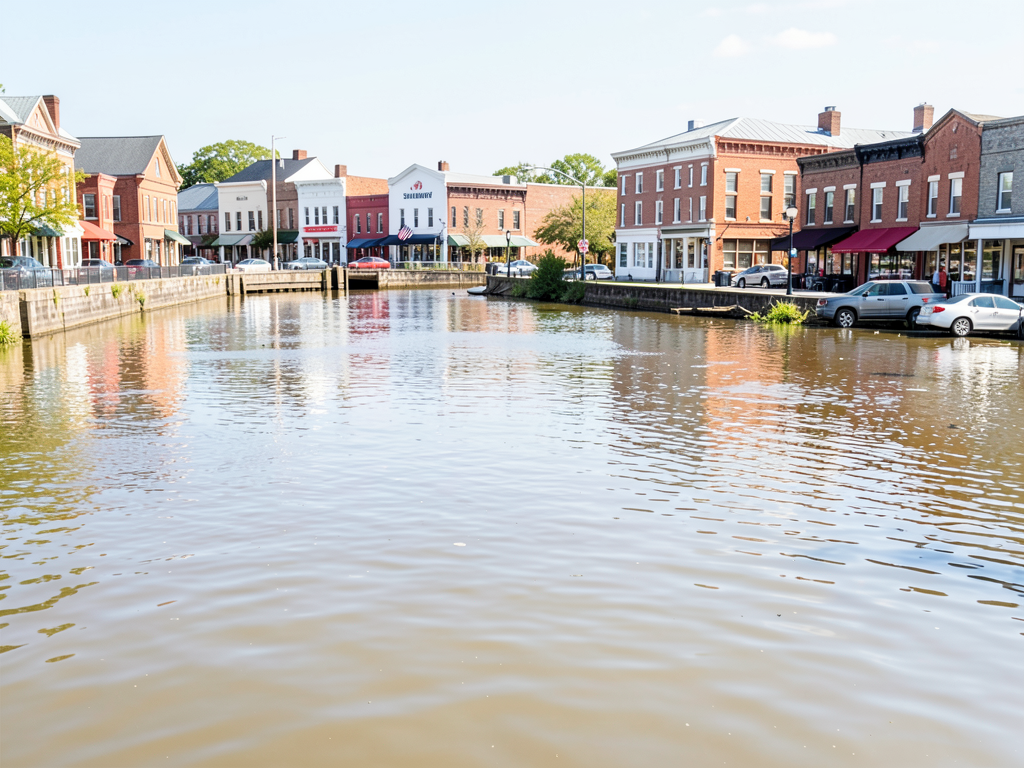
Riverfront businesses in Stillwater face unique flood risks from the St. Croix River that standard commercial property insurance simply won’t cover. The 2023 flood season showed how quickly rising waters can shut down operations, damage inventory, and create costly restoration needs. Understanding your flood insurance options now can mean the difference between a quick recovery and months of lost revenue. Immediate Water Damage Mitigation for Downtown Minneapolis Businesses.
Commercial flood insurance covers damage from rising water, storm surge, and river overflow that falls outside typical property policies. In Stillwater’s historic downtown and riverfront districts, businesses near the St. Croix face higher premiums but also have access to specialized coverage options through both the National Flood Insurance Program and private insurers. Server Room Water Damage.
Understanding Stillwater’s Commercial Flood Risk
The St. Croix River’s flood patterns directly impact Stillwater’s commercial districts. The river’s historic flood crests, including the 1965 record of 694.07 feet above sea level, demonstrate why riverfront properties need specialized coverage. Businesses along Main Street and the Lowell Park area sit in FEMA-designated flood zones that require separate flood policies. FEMA National Flood Insurance Program.
Washington County’s floodplain management regulations require new commercial construction in flood-prone areas to meet elevation standards above the base flood elevation. These codes, based on FEMA flood maps, affect everything from building permits to insurance premiums for Stillwater businesses. Water Damage Restoration Rochester.
Golden Nugget #1: Stillwater’s flood zone designations use specific elevation benchmarks tied to the St. Croix River’s gauge readings at the Stillwater gauge station, which monitors water levels in real-time during flood events.
Commercial Property Insurance vs. Flood Insurance: The Critical Gap
Standard commercial property insurance covers water damage from burst pipes or roof leaks but explicitly excludes flood damage. This creates a dangerous coverage gap for Stillwater businesses when the St. Croix River rises. A Category 3 flood event can destroy inventory, damage electrical systems, and require extensive restoration that property insurance won’t cover. Water Damage Restoration Eagan.
Business interruption coverage often pairs with flood insurance to compensate for lost income during restoration. This becomes critical for restaurants, retail shops, and service businesses that depend on daily foot traffic from the riverfront area.
Golden Nugget #2: Minnesota’s Department of Commerce requires licensed insurance agents to disclose flood insurance exclusions in writing before issuing commercial property policies, ensuring business owners understand their coverage limitations.
NFIP vs. Private Flood Insurance for Stillwater Businesses
The National Flood Insurance Program offers standard commercial flood policies with building and contents coverage up to $500,000 each. However, many Stillwater businesses need higher limits than NFIP provides. Private flood insurance carriers now offer excess coverage that bridges this gap, often with faster claims processing and higher coverage limits.
NFIP policies require a 30-day waiting period before coverage takes effect, while some private insurers offer immediate coverage. This timing difference matters when seasonal flooding threatens or when purchasing property in flood zones.
Golden Nugget #3: Private flood insurers use advanced flood modeling technology that analyzes Stillwater’s specific topography, river flow patterns, and historical flood data to calculate premiums more precisely than NFIP’s zone-based pricing.
What Commercial Flood Insurance Actually Covers
Commercial flood policies divide coverage into building property and personal property for business contents. Building coverage includes structural elements, electrical systems, plumbing, and permanently installed equipment. Contents coverage protects inventory, furniture, machinery, and business records.
Business interruption insurance pays for lost income and operating expenses when flood damage forces temporary closure. This coverage continues until repairs complete or policy limits exhaust. Some policies also include extra expense coverage for temporary relocation costs.
Sewer backup endorsement extends coverage to include drain and sump pump failures, common during heavy rainfall events that overwhelm Stillwater’s stormwater systems. This rider costs extra but protects against a major restoration expense.
Diagnostic Note: During flood events, hydrostatic pressure can force water through foundation walls even in buildings above flood stage, creating hidden damage that requires moisture mapping and thermal imaging to detect.
Stillwater’s FEMA Flood Zones and Their Impact
FEMA’s flood maps divide Stillwater into several zones based on flood risk. Zone AE areas have base flood elevations determined by detailed hydraulic analysis. Zone X areas face minimal flood risk but aren’t entirely safe from occasional flooding. Zone VE includes coastal areas with velocity hazards from wave action.
Commercial properties in high-risk zones face mandatory flood insurance requirements if they carry mortgages from federally regulated lenders. Even businesses outside high-risk zones should consider coverage, as 25% of flood claims come from low-to-moderate risk areas.
Golden Nugget #4: Stillwater’s historic downtown district sits partially in Zone AE, where base flood elevations range from 675 to 685 feet above sea level, depending on proximity to the river and local topography.
The Claims Process: Insurance and Restoration Working Together
When flood damage strikes, the claims process involves coordination between insurance adjusters and restoration contractors. The adjuster documents damage and determines coverage, while the restoration team begins mitigation to prevent further damage. This partnership speeds recovery and ensures proper documentation for maximum claim approval.
Restoration contractors document damage with photos, moisture readings, and detailed estimates that support insurance claims. They also create drying plans that meet industry standards for structural restoration. This documentation proves crucial when disputes arise over coverage or repair methods.
Washington County requires permits for flood damage repairs exceeding certain thresholds, adding another layer to the restoration process. Licensed contractors navigate these requirements while maintaining communication with insurance carriers.
Regulatory Note: The IICRC S500 standard for professional water damage restoration guides contractors in establishing drying goals and verifying when structures return to pre-loss conditions, which insurance companies use to validate restoration work.
Preparing Your Stillwater Business for Flood Season
Proactive preparation reduces flood damage and speeds insurance claims. Install backflow preventers on sewer lines to prevent backup during heavy rains. Elevate critical equipment and inventory above potential flood levels. Create a detailed inventory with photos and receipts for insurance purposes.
Develop a business continuity plan that includes emergency contacts, evacuation routes, and temporary operating procedures. Share this plan with employees and update it annually. Many insurance companies offer premium discounts for businesses with documented preparedness plans. Finding Fast Emergency Water Removal in the North Loop Neighborhood.
Consider installing flood sensors that alert you to rising water levels. These devices can trigger automatic shutoff valves on water mains, preventing catastrophic damage from burst pipes or sewer backup.
Cost Factors for Commercial Flood Insurance in Stillwater
Flood insurance premiums depend on multiple factors specific to Stillwater’s geography and your business characteristics. Elevation relative to base flood elevation significantly impacts rates. Buildings constructed to floodplain management standards often qualify for lower premiums.
The building’s age, construction type, and flood zone designation all affect pricing. Newer buildings with flood-resistant materials may cost less to insure than older structures requiring extensive retrofitting. Coverage limits and deductibles also influence premium costs.
Businesses can reduce premiums by implementing flood mitigation measures like flood barriers, elevated mechanical systems, and waterproof building materials. Some insurers offer credits for these improvements, potentially offsetting the initial investment costs.
Frequently Asked Questions
Does my commercial property insurance cover flood damage?
No. Standard commercial property insurance specifically excludes flood damage. You need a separate flood insurance policy through NFIP or a private carrier to cover rising water damage.
How long does it take to get flood insurance coverage?
NFIP policies have a 30-day waiting period. Private flood insurance may offer immediate coverage, but this varies by carrier and state regulations.
What’s the difference between building and contents coverage?
Building coverage protects the structure itself, including walls, floors, and permanently installed equipment. Contents coverage protects your business property like inventory, furniture, and movable equipment.
Do I need flood insurance if I’m not in a high-risk zone?
Even low-risk areas can experience flooding. About 25% of flood claims come from properties outside high-risk zones. Consider your proximity to the river and local drainage patterns.
How do I file a flood damage claim?
Contact your insurance agent immediately after damage occurs. Document everything with photos and videos. Keep damaged items unless they pose a safety hazard. Work with a licensed restoration contractor who can provide detailed damage assessments.
Taking Action: Your Flood Insurance Checklist
Review your current commercial property policy to understand flood exclusions. Contact a licensed insurance agent who specializes in commercial flood coverage. Get quotes from both NFIP and private insurers to compare coverage and pricing.
Document your building’s current condition with photos and videos. Create an inventory of business contents with estimated values. Review and update your business continuity plan annually.
Install flood mitigation measures where possible. Consider flood sensors and automatic shutoff valves. Train employees on emergency procedures and evacuation routes.
Call (651) 677-5055 today to schedule your inspection. Our restoration specialists can assess your flood risk and recommend mitigation strategies that may qualify you for insurance premium discounts. Don’t wait until the next flood season to protect your business.
Pick up the phone and call (651) 677-5055 before the next storm hits. Quick action after flood damage can save thousands in restoration costs and get your business back to normal faster. Our 24/7 emergency response team serves Stillwater and the greater Twin Cities area.
Understanding Your Rights and Responsibilities
Minnesota law requires insurance companies to handle claims in good faith and provide clear explanations of coverage decisions. If your claim gets denied, you have the right to appeal and request a third-party review. Keep detailed records of all communications with your insurance company. Minnesota Floodplain Management.
Washington County’s floodplain management ordinance requires compliance with elevation standards for repairs exceeding 50% of a building’s value. This affects restoration plans and may impact insurance coverage for future events.
Maintain open communication with your insurance agent about any building improvements or changes that might affect your coverage. Some upgrades may qualify for premium reductions or expanded coverage options.
Understanding these requirements helps you make informed decisions about coverage levels and restoration approaches that balance cost with adequate protection for your Stillwater business.
{
“@context”: “https://schema.org”,
“@type”: “BlogPosting”,
“headline”: “What Stillwater Business Owners Should Know About Riverfront Flood Insurance Coverage”,
“description”: “Protect your Stillwater business from St. Croix River flooding. Learn about commercial flood insurance, FEMA zones, and restoration coverage. Call (651) 677-5055 today.”,
“wordCount”: 1681,
“datePublished”: “2026-05-20T07:25:00.000Z”,
“dateModified”: “2026-05-20T07:25:00.000Z”,
“inLanguage”: “en-US”,
“mainEntityOfPage”: {
“@type”: “WebPage”,
“@id”: “https://pioneerwaterdamagerestorationminneapolis.com”
},
“publisher”: {
“@type”: “LocalBusiness”,
“name”: “Pioneer Water Damage Restoration Minneapolis”,
“url”: “https://pioneerwaterdamagerestorationminneapolis.com”
},
“author”: {
“@type”: “Organization”,
“name”: “Pioneer Water Damage Restoration Minneapolis”,
“url”: “https://pioneerwaterdamagerestorationminneapolis.com”
},
“image”: {
“@type”: “ImageObject”,
“url”: “https://pioneerwaterdamagerestorationminneapolis.com/wp-content/uploads/2026/03/what-stillwater-business-owners-should-know-about-1.png”
}
}
{
“@context”: “https://schema.org”,
“@type”: “LocalBusiness”,
“name”: “Pioneer Water Damage Restoration Minneapolis”,
“url”: “https://pioneerwaterdamagerestorationminneapolis.com”,
“address”: {
“@type”: “PostalAddress”,
“addressLocality”: “Minneapolis”
},
“areaServed”: {
“@type”: “City”,
“name”: “Minneapolis”
}
}
{
“@context”: “https://schema.org”,
“@type”: “FAQPage”,
“mainEntity”: [
{
“@type”: “Question”,
“name”: “Does my commercial property insurance cover flood damage?”,
“acceptedAnswer”: {
“@type”: “Answer”,
“text”: “No. Standard commercial property insurance specifically excludes flood damage. You need a separate flood insurance policy through NFIP or a private carrier to cover rising water damage.”
}
},
{
“@type”: “Question”,
“name”: “How long does it take to get flood insurance coverage?”,
“acceptedAnswer”: {
“@type”: “Answer”,
“text”: “NFIP policies have a 30-day waiting period. Private flood insurance may offer immediate coverage, but this varies by carrier and state regulations.”
}
},
{
“@type”: “Question”,
“name”: “What’s the difference between building and contents coverage?”,
“acceptedAnswer”: {
“@type”: “Answer”,
“text”: “Building coverage protects the structure itself, including walls, floors, and permanently installed equipment. Contents coverage protects your business property like inventory, furniture, and movable equipment.”
}
},
{
“@type”: “Question”,
“name”: “Do I need flood insurance if I’m not in a high-risk zone?”,
“acceptedAnswer”: {
“@type”: “Answer”,
“text”: “Even low-risk areas can experience flooding. About 25% of flood claims come from properties outside high-risk zones. Consider your proximity to the river and local drainage patterns.”
}
},
{
“@type”: “Question”,
“name”: “How do I file a flood damage claim?”,
“acceptedAnswer”: {
“@type”: “Answer”,
“text”: “Contact your insurance agent immediately after damage occurs. Document everything with photos and videos. Keep damaged items unless they pose a safety hazard. Work with a licensed restoration contractor who can provide detailed damage assessments.”
}
}
]
}
{
“@context”: “https://schema.org”,
“@type”: “BreadcrumbList”,
“itemListElement”: [
{
“@type”: “ListItem”,
“position”: 1,
“name”: “Home”,
“item”: “https://pioneerwaterdamagerestorationminneapolis.com”
},
{
“@type”: “ListItem”,
“position”: 2,
“name”: “Blog”,
“item”: “https://pioneerwaterdamagerestorationminneapolis.com/blog”
},
{
“@type”: “ListItem”,
“position”: 3,
“name”: “What Stillwater Business Owners Should Know About Riverfront Flood Insurance Coverage”
}
]
}
{
“@context”: “https://schema.org”,
“@type”: “Service”,
“serviceType”: “Water Damage Restoration”,
“provider”: {
“@type”: “LocalBusiness”,
“name”: “Pioneer Water Damage Restoration Minneapolis”,
“url”: “https://pioneerwaterdamagerestorationminneapolis.com”
},
“areaServed”: {
“@type”: “City”,
“name”: “Minneapolis”
},
“description”: “Protect your Stillwater business from St. Croix River flooding. Learn about commercial flood insurance, FEMA zones, and restoration coverage. Call (651) 677-5055 today.”
}