What to Do When a Fire Sprinkler Damages Your Warehouse District Office
Fire sprinklers protect lives but when they malfunction or activate accidentally the water damage can shut down your business in minutes. In Minneapolis warehouse district offices a single sprinkler head can release 20 to 40 gallons of water per minute flooding floors walls and equipment before you can react. The first hour after discharge determines whether you recover in days or weeks. This guide shows you exactly what to do when the alarm sounds and how to get your office back to full operation fast. Immediate Water Damage Mitigation for Downtown Minneapolis Businesses.
Immediate Steps After a Sprinkler Discharge
Safety comes first. Before entering the affected area shut off the main water supply to stop the flow. In most Minneapolis commercial buildings the sprinkler shutoff valve is a red wheel handle located near the front entrance or in a mechanical room. If you cannot find it call your building engineer or fire department immediately. Do not touch any electrical panels or devices until you confirm power is off. Water conducts electricity and standing water near outlets creates a lethal hazard. EPA Emergency Response Guidelines.
Once the water stops flowing move quickly to protect what matters. Remove computers servers and documents from the floor. Elevate furniture on blocks or plastic sheeting. Open windows if weather permits to start air circulation. Every minute counts because water spreads laterally and wicks into drywall within 30 minutes. The longer it sits the more it damages flooring electronics and inventory. Server Room Water Damage.
Why Commercial Sprinkler Water is Unique
Unlike clean water from a broken supply line sprinkler discharge often contains stagnant water loaded with rust scale and biological growth from the pipes. This Category 3 water classification means it carries contaminants that can cause illness and requires professional remediation. The metallic smell and dark color are immediate clues that you are dealing with more than just clean water. Expert Mold Remediation for Older Apartments in Uptown Minneapolis.
Minneapolis building codes under NFPA 25 require annual inspections of fire suppression systems but even well maintained systems can fail during extreme cold. When temperatures drop below zero water in exposed pipes can freeze and burst damaging the system internally. The resulting discharge releases not just water but years of pipe sediment creating a hazardous cleanup situation. NFPA 25 Standards.
Our Minneapolis Commercial Restoration Process
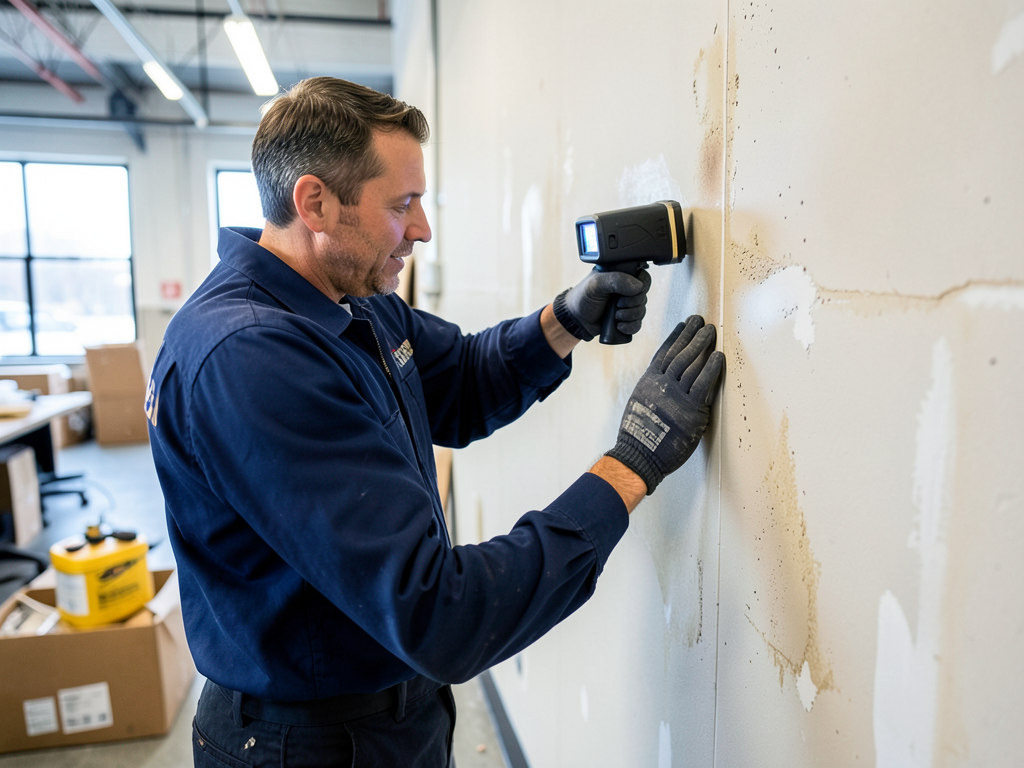
Professional restoration follows a systematic approach that minimizes downtime and prevents secondary damage. The process begins with a rapid assessment using moisture meters and thermal imaging cameras to map the extent of water migration. These tools detect moisture behind walls and under flooring that is invisible to the naked eye. Water Damage Restoration Rochester.
Water extraction comes next using truck-mounted extractors that remove 10 to 15 times more water than shop vacuums. Industrial air movers and LGR dehumidifiers then create a drying chamber that pulls moisture from structural materials. For Minneapolis commercial spaces where humidity stays high year round this equipment runs 24/7 until materials reach safe moisture content levels.
Mold prevention is critical. Category 3 water creates ideal conditions for mold growth within 48 to 72 hours. Antimicrobial treatments and HEPA air scrubbers remove airborne spores while drying prevents new growth. The entire process follows IICRC S500 standards for water damage restoration ensuring your space meets health and safety requirements before reopening.
Navigating Commercial Insurance Claims in Minnesota
Commercial property insurance typically covers sprinkler discharge but the claims process can delay your recovery if you are unprepared. Document everything with photos and videos before cleanup begins. Keep damaged items in a designated area for the adjuster to inspect. Most policies require proof of loss within 60 days so timing matters.
Business interruption coverage can reimburse lost income during closure but only if you can prove the closure was necessary. Professional restoration companies provide detailed reports with moisture mapping and drying logs that insurance adjusters need to approve claims quickly. This documentation also supports compliance with Minnesota Department of Health requirements for reopening commercial spaces.
Preventing Frozen Sprinkler Pipes in the Twin Cities
Minneapolis winters create unique risks for fire suppression systems. Buildings with dry pipe systems still face challenges because the air compressor that keeps pipes dry can fail during power outages. Wet pipe systems in unheated areas like loading docks or stairwells freeze first when temperatures drop below 20°F.
NFPA 25 requires heat tracing on exposed pipes and insulation on valves but many older Minneapolis buildings need upgrades. Installing thermostatically controlled heating cables on vulnerable sections costs less than emergency restoration. Regular maintenance checks during winter months catch small problems before they cause major damage. Finding Fast Emergency Water Removal in the North Loop Neighborhood.
Consider a winterization inspection before the first hard freeze. A certified technician can identify weak points test the air compressor and verify that heat tracing works properly. This proactive step can save thousands in potential damage and keep your fire protection system operational when you need it most.
Comparing Water Categories and Required Actions
| Water Category | Visual Clues | Required Actions | Minneapolis Code Reference | Category 1 Clean | Clear odorless | Extract dry ventilate | None special |
|---|---|---|---|
| Category 2 Gray | Cloudy slight odor | Extract disinfect dry | EPA 40 CFR 260 |
| Category 3 Black | Dark foul odor | Professional remediation PPE required | NFPA 25 2020 |
Equipment Comparison for Commercial Restoration
| Equipment Type | Water Removal Rate | Coverage Area | Best For |
|---|---|---|---|
| Truck Mount Extractor | 2 000 gallons/hour | Large open areas | Warehouse floors |
| LGR Dehumidifier | 20 gallons/day | 1 500 sq ft | Office spaces |
| Air Mover | N/A | 200 sq ft each | Carpet padding |
Five Steps to Emergency Sprinkler Damage Control
- Shut Off Water Supply
Locate the main sprinkler valve and turn it clockwise. If frozen or stuck call emergency services.
- Isolate Electrical Hazards
Turn off power at the breaker panel before entering flooded areas.
- Protect Valuables
Move electronics documents and inventory to dry areas immediately.
- Document Damage
Take photos of all affected areas before any cleanup begins.
- Call Professional Restoration
Contact certified technicians within the first hour for best results.
Frequently Asked Questions
How long does commercial sprinkler water damage restoration take?
Most Minneapolis office restorations take 3 to 5 days depending on water category and building materials. Category 3 water requires additional disinfection and testing extending the timeline.
Is sprinkler water damage covered by insurance?
Yes commercial property insurance typically covers accidental sprinkler discharge. Business interruption coverage may also apply for lost income during closure.
Can I clean up sprinkler water myself?
Category 1 clean water might be manageable but Category 2 or 3 water requires professional remediation due to contamination risks and mold potential.
What should I do if sprinkler pipes freeze?
Shut off the system immediately and call a fire protection professional. Do not attempt to thaw pipes with open flame as this creates fire hazards.
How can I prevent future sprinkler water damage?
Install water leak detection systems maintain annual NFPA 25 inspections and ensure proper insulation on all exposed pipes in unheated areas.
Call (651) 677-5055 Today for Emergency Commercial Restoration
Water keeps spreading and every hour increases the damage to your Warehouse District office. Our Minneapolis team arrives within 60 minutes with commercial-grade equipment to stop the damage and start restoration. We work directly with your insurance company to get you back to business fast. Call (651) 677-5055 now before secondary damage sets in.
Pick up the phone and call (651) 677-5055 before the next storm hits. Our certified technicians are standing by 24/7 to protect your Minneapolis commercial property from water damage and get your doors open again.
{
“@context”: “https://schema.org”,
“@type”: “BlogPosting”,
“headline”: “What to Do When a Fire Sprinkler Damages Your Warehouse District Office”,
“description”: “Fire sprinkler water damage in Minneapolis? Learn immediate steps, commercial restoration, and how to protect your Warehouse District office from secondary damage.”,
“wordCount”: 1271,
“datePublished”: “2026-03-18T12:03:00.000Z”,
“dateModified”: “2026-03-18T12:03:00.000Z”,
“inLanguage”: “en-US”,
“mainEntityOfPage”: {
“@type”: “WebPage”,
“@id”: “https://pioneerwaterdamagerestorationminneapolis.com”
},
“publisher”: {
“@type”: “LocalBusiness”,
“name”: “Pioneer Water Damage Restoration Minneapolis”,
“url”: “https://pioneerwaterdamagerestorationminneapolis.com”
},
“author”: {
“@type”: “Organization”,
“name”: “Pioneer Water Damage Restoration Minneapolis”,
“url”: “https://pioneerwaterdamagerestorationminneapolis.com”
},
“image”: {
“@type”: “ImageObject”,
“url”: “https://pioneerwaterdamagerestorationminneapolis.com/wp-content/uploads/2026/03/what-to-do-when-a-fire-sprinkler-damages-your-ware-1.png”
}
}
{
“@context”: “https://schema.org”,
“@type”: “LocalBusiness”,
“name”: “Pioneer Water Damage Restoration Minneapolis”,
“url”: “https://pioneerwaterdamagerestorationminneapolis.com”,
“address”: {
“@type”: “PostalAddress”,
“addressLocality”: “Minneapolis”
},
“areaServed”: {
“@type”: “City”,
“name”: “Minneapolis”
}
}
{
“@context”: “https://schema.org”,
“@type”: “FAQPage”,
“mainEntity”: [
{
“@type”: “Question”,
“name”: “How long does commercial sprinkler water damage restoration take?”,
“acceptedAnswer”: {
“@type”: “Answer”,
“text”: “Most Minneapolis office restorations take 3 to 5 days depending on water category and building materials. Category 3 water requires additional disinfection and testing extending the timeline.”
}
},
{
“@type”: “Question”,
“name”: “Is sprinkler water damage covered by insurance?”,
“acceptedAnswer”: {
“@type”: “Answer”,
“text”: “Yes commercial property insurance typically covers accidental sprinkler discharge. Business interruption coverage may also apply for lost income during closure.”
}
},
{
“@type”: “Question”,
“name”: “Can I clean up sprinkler water myself?”,
“acceptedAnswer”: {
“@type”: “Answer”,
“text”: “Category 1 clean water might be manageable but Category 2 or 3 water requires professional remediation due to contamination risks and mold potential.”
}
},
{
“@type”: “Question”,
“name”: “What should I do if sprinkler pipes freeze?”,
“acceptedAnswer”: {
“@type”: “Answer”,
“text”: “Shut off the system immediately and call a fire protection professional. Do not attempt to thaw pipes with open flame as this creates fire hazards.”
}
},
{
“@type”: “Question”,
“name”: “How can I prevent future sprinkler water damage?”,
“acceptedAnswer”: {
“@type”: “Answer”,
“text”: “Install water leak detection systems maintain annual NFPA 25 inspections and ensure proper insulation on all exposed pipes in unheated areas.”
}
}
]
}
{
“@context”: “https://schema.org”,
“@type”: “HowTo”,
“name”: “Emergency Sprinkler Damage Control”,
“step”: [
{
“@type”: “HowToStep”,
“position”: 1,
“name”: “Shut Off Water Supply”,
“text”: “Locate the main sprinkler valve and turn it clockwise. If frozen or stuck call emergency services.”
},
{
“@type”: “HowToStep”,
“position”: 2,
“name”: “Isolate Electrical Hazards”,
“text”: “Turn off power at the breaker panel before entering flooded areas.”
},
{
“@type”: “HowToStep”,
“position”: 3,
“name”: “Protect Valuables”,
“text”: “Move electronics documents and inventory to dry areas immediately.”
},
{
“@type”: “HowToStep”,
“position”: 4,
“name”: “Document Damage”,
“text”: “Take photos of all affected areas before any cleanup begins.”
},
{
“@type”: “HowToStep”,
“position”: 5,
“name”: “Call Professional Restoration”,
“text”: “Contact certified technicians within the first hour for best results.”
}
],
“image”: “https://pioneerwaterdamagerestorationminneapolis.com/wp-content/uploads/2026/03/what-to-do-when-a-fire-sprinkler-damages-your-ware-1.png”
}
{
“@context”: “https://schema.org”,
“@type”: “BreadcrumbList”,
“itemListElement”: [
{
“@type”: “ListItem”,
“position”: 1,
“name”: “Home”,
“item”: “https://pioneerwaterdamagerestorationminneapolis.com”
},
{
“@type”: “ListItem”,
“position”: 2,
“name”: “Blog”,
“item”: “https://pioneerwaterdamagerestorationminneapolis.com/blog”
},
{
“@type”: “ListItem”,
“position”: 3,
“name”: “What to Do When a Fire Sprinkler Damages Your Warehouse District Office”
}
]
}
{
“@context”: “https://schema.org”,
“@type”: “Service”,
“serviceType”: “Water Damage Restoration”,
“provider”: {
“@type”: “LocalBusiness”,
“name”: “Pioneer Water Damage Restoration Minneapolis”,
“url”: “https://pioneerwaterdamagerestorationminneapolis.com”
},
“areaServed”: {
“@type”: “City”,
“name”: “Minneapolis”
},
“description”: “Fire sprinkler water damage in Minneapolis? Learn immediate steps, commercial restoration, and how to protect your Warehouse District office from secondary damage.”
}