
Choosing the Right Dehumidifier for a Damp Basement in Columbia Heights
Columbia Heights basements face unique moisture challenges from clay soil and seasonal freeze-thaw cycles. Before buying a dehumidifier you need to understand why standard units often fail in our local conditions. Professional LGR (Low Grain Refrigerant) equipment removes significantly more moisture and works efficiently in the cool temperatures common to Minnesota basements. Columbia Heights building codes.
Standard hardware store dehumidifiers remove about 30-50 pints of water per day under ideal conditions. In a Columbia Heights basement with high humidity and cool temperatures they often struggle to keep up. Professional LGR units remove 70-150 pints per day and continue working efficiently in lower temperatures down to 33°F. The key is matching the right equipment to your basement size and moisture level. Immediate Water Damage Mitigation for Downtown Minneapolis Businesses.
Most Columbia Heights homes built before 1980 have limestone or concrete block foundations that allow moisture to seep through. When spring snowmelt meets our clay soil the ground becomes saturated pushing water vapor through basement walls. Without proper dehumidification this creates conditions for mold growth within 24-48 hours and can damage stored belongings.
Professional restoration technicians measure moisture using psychrometric calculations that consider temperature humidity and air pressure. They determine the right dehumidifier size by calculating air changes per hour for your basement volume. A typical 1000 square foot basement with 8-foot ceilings needs a unit moving at least 400 cubic feet per minute of air to effectively reduce humidity.
Why Standard Residential Dehumidifiers Fail in Columbia Heights Basements
Consumer dehumidifiers are designed for maintenance not flood recovery. They use standard refrigerant coils that lose efficiency below 65°F. Columbia Heights basements often stay between 55-65°F year-round which means these units run constantly but remove minimal moisture.
LGR technology uses a pre-cooling stage and double-pass evaporator coils to extract moisture even in cold conditions. This matters in Columbia Heights where spring temperatures fluctuate dramatically. When outdoor temperatures rise above freezing but the ground remains frozen meltwater has nowhere to go except through foundation walls.
Another limitation of standard units is their small condensate pumps. Most can only lift water 15 feet vertically. Columbia Heights homes often require pumping water up to 25 feet to reach floor drains. Professional units include high-capacity pumps with backup float switches to prevent overflows.
Energy efficiency also differs significantly. Consumer units might use 6-8 amps continuously. Professional LGR units use 10-12 amps but remove 2-3 times more moisture per kilowatt hour. In Minnesota where electricity rates average 14 cents per kilowatt hour this efficiency difference matters during humid summer months.
Key Metrics That Matter: PPD CFM and Operating Temperatures
Understanding technical specifications helps you choose the right dehumidifier. Pints Per Day (PPD) at AHAM (Association of Home Appliance Manufacturers) rating shows performance at 80°F and 60% relative humidity. However real-world conditions in Columbia Heights are rarely this ideal. AHAM dehumidifier ratings.
Saturation rating shows maximum moisture removal at 90°F and 90% humidity. This matters during summer thunderstorms when basement humidity can spike above 70%. Professional units maintain high PPD ratings across a wider temperature range than consumer models.
Cubic Feet per Minute (CFM) measures airflow. A unit needs sufficient CFM to process all the air in your basement multiple times per hour. The formula is: Basement Volume x Air Changes per Hour ÷ 60 = Required CFM. For flood recovery you need 4-6 air changes per hour. For maintenance 2-3 changes suffice.
Operating temperature range determines when the unit shuts down. Consumer models typically stop at 41°F. Professional LGR units continue operating down to 33°F making them effective during spring thaw when basement walls are cold but humidity is high.
Noise level measured in decibels affects where you can place the unit. Professional models average 55-65 dB which is similar to normal conversation. Consumer units often exceed 70 dB making them too loud for occupied spaces.
Top Professional Dehumidifiers for Columbia Heights Homeowners
Dri-Eaz Revolution LGR: This compact unit removes 170 PPD at AHAM and 30 gallons per day at saturation. It operates down to 33°F and includes a 40-foot drain hose. The digital control panel shows real-time humidity readings. At 33 pounds it is portable but powerful enough for basements up to 2000 square feet.
AlorAir Sentinel HDi90: Features a built-in pump that can lift water 19.6 feet vertically. Removes 90 PPD at AHAM with HEPA filtration to capture mold spores. The unit includes automatic defrost and humidistat control. Its wheels and telescoping handle make it easy to move between rooms. EPA mold remediation guidelines.
Phoenix 200 Max: Industrial-grade unit removing 135 PPD at AHAM. Includes a 25-foot drain hose and can operate in series with other units for large spaces. The roto-molded housing resists damage from impacts and moisture. Built-in hour meter tracks runtime for maintenance scheduling.
When comparing models consider your specific needs. If you store valuable items in your basement the HEPA filtration of the AlorAir may justify the higher cost. For occasional use during spring thaw the Dri-Eaz Revolution offers the best balance of performance and price.
Dealing with Minneapolis Snowmelt and Summer Humidity
Columbia Heights sits on clay soil that expands when wet and contracts when dry. This movement creates foundation cracks that allow moisture entry. During spring thaw the frozen ground prevents meltwater from soaking in so it collects around foundations. When temperatures drop at night this water freezes and expands creating new cracks.
Summer humidity in Minneapolis averages 73% in July. When warm humid air contacts cold basement walls condensation forms. This is why basements feel damp even when outdoor humidity seems manageable. Professional dehumidifiers must remove both the initial moisture load and the continuous infiltration from outside air.
Local building codes require proper drainage around foundations. Hennepin County recommends a 5% grade away from foundations for at least 10 feet. However many Columbia Heights homes built before 1980 lack this grading. Improving exterior drainage often reduces the load on interior dehumidification systems. Repairing Interior Water Damage from Ice Dams in Minnetonka.
Air sealing also matters. Gaps around pipes electrical penetrations and windows allow humid air to enter. Professional restoration teams use spray foam or caulk to seal these openings reducing the dehumidifier workload by 20-30%.
Monitoring humidity levels helps prevent problems. Relative humidity above 60% encourages mold growth. Below 30% wood can crack and shrink. The ideal range for basements is 45-50%. Many professional units include built-in humidistats that automatically maintain this range.
When to Stop DIY and Call a Minneapolis Restoration Pro
Category 1 water from clean sources like broken supply lines is safe to handle yourself if addressed within 24-48 hours. However Category 2 gray water from washing machines or Category 3 black water from sewage backups requires professional handling due to contamination risks. Dealing with Sewage Backup Cleanup in Your Bloomington Home.
If your basement has standing water over 1/4 inch deep you need professional extraction. Consumer wet vacuums remove about 5-10 gallons per hour. Professional truck-mounted extractors remove 50-100 gallons per minute. The speed difference prevents secondary damage and mold growth.
Visible mold covering more than 10 square feet requires professional remediation under EPA guidelines. Disturbing mold releases spores throughout your home. Professionals use containment barriers HEPA filtration and antimicrobial treatments to safely remove contamination. Expert Mold Remediation for Older Apartments in Uptown Minneapolis.
Structural damage indicators include sagging ceilings warped floors or cracked foundation walls. These suggest water has compromised building integrity. Professional assessment determines whether drying alone suffices or if structural repairs are needed.
Insurance considerations matter too. Most policies cover sudden water damage but not gradual moisture problems. Professional documentation with moisture readings and drying logs supports insurance claims. Without this documentation adjusters often deny coverage.
Health symptoms like respiratory problems headaches or allergy flare-ups may indicate hidden mold or bacterial growth. Professional testing identifies contaminants and determines appropriate remediation methods. The cost of testing often pays for itself by identifying problems early.
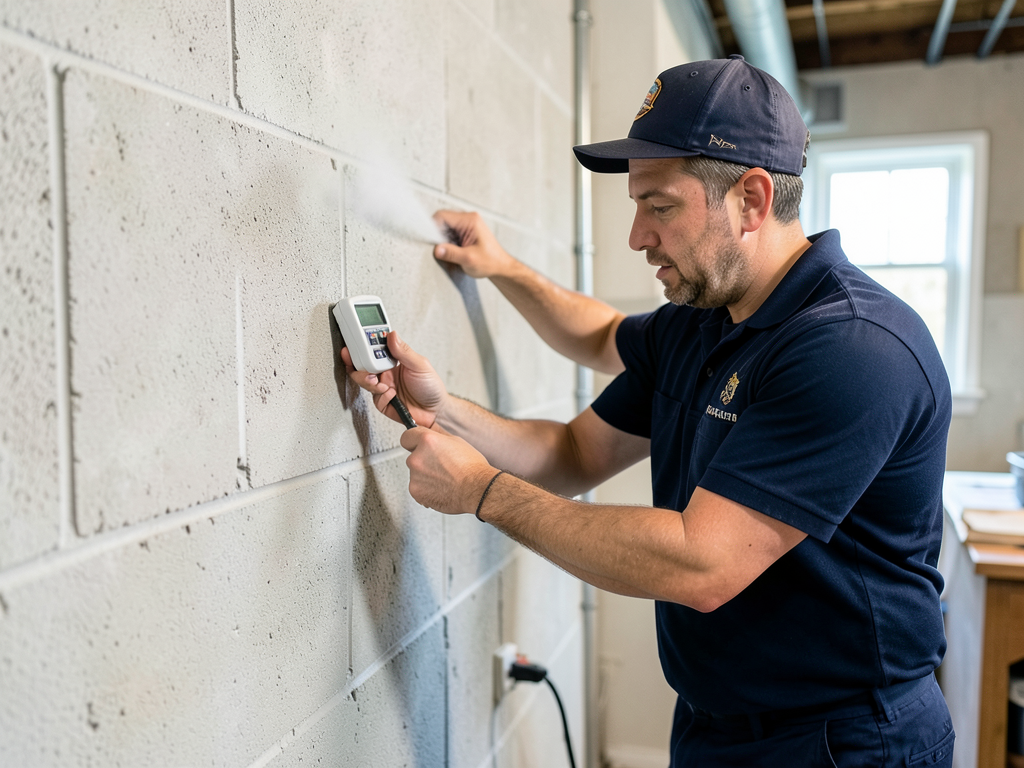
Call (651) 677-5055 today to schedule your inspection. Our certified technicians use moisture meters thermal imaging and hygrometers to assess your basement conditions. We provide written recommendations with specific equipment requirements and cost estimates. Don’t wait until minor moisture becomes major damage.
Installation and Maintenance Tips for Maximum Performance
Proper placement improves dehumidifier efficiency. Place units in central locations away from walls to allow 360-degree airflow. If your basement has multiple rooms consider multiple smaller units rather than one large unit. This ensures even coverage and prevents dead zones.
Elevate the unit on blocks or a stand to prevent contact with standing water during floods. Most professional units include automatic shutoff if water levels rise too high. However keeping the unit above potential flood levels extends its lifespan.
Regular maintenance prevents performance degradation. Clean or replace filters monthly during heavy use. Check drain hoses for kinks or clogs quarterly. Professional units include filter change indicators and maintenance reminders.
Monitor the unit’s performance using a separate hygrometer. If humidity levels remain above 60% despite continuous operation the unit may need servicing or replacement. Ice buildup on coils indicates low refrigerant levels or airflow restrictions.
Energy costs vary by season. During summer peak rates may reach 20 cents per kilowatt hour. Running a 10-amp dehumidifier continuously costs about $35 per month at average rates. However preventing moisture damage often saves thousands in repair costs.
Consider smart controls for convenience. Many professional units now offer Wi-Fi connectivity allowing you to monitor humidity levels and receive alerts when problems occur. This is especially useful for vacation homes or rental properties.
Cost Comparison: DIY vs Professional Solutions
Consumer dehumidifiers range from $150-500 but typically last 2-3 years with heavy use. Professional LGR units cost $1500-3000 but often last 5-7 years with proper maintenance. The higher upfront cost includes better warranties and performance guarantees.
Operating costs differ significantly. Consumer units use more electricity per pint of water removed. Professional units achieve 2-3 times better energy efficiency. Over a 5-year period the energy savings often offset the higher purchase price.
Hidden costs matter too. Consumer units often fail during critical periods like spring thaw or summer storms. Emergency replacements cost more and delay moisture removal allowing damage to worsen. Professional units include priority service and loaner equipment during repairs. Finding Fast Emergency Water Removal in the North Loop Neighborhood.
Insurance implications affect total cost. Professional documentation supports claims and may increase approval rates. Some insurance companies offer premium discounts for documented moisture control systems. These savings accumulate over time.
Resale value considerations matter for homeowners. Professional moisture control systems with documentation demonstrate responsible property maintenance. Buyers often pay premiums for homes with proven moisture management systems.
Columbia Heights Specific Considerations
Columbia Heights experiences unique moisture challenges due to its location and soil conditions. The area sits on compacted glacial till with high clay content. This soil retains water and expands when saturated creating hydrostatic pressure against foundation walls.
Local water table levels fluctuate seasonally. In spring the water table can rise within 5-10 feet of the surface. Homes without proper sump systems experience groundwater infiltration through basement floors and walls. Professional dehumidifiers must handle both atmospheric moisture and groundwater vapor.
Many Columbia Heights homes built between 1950-1980 used concrete block foundations without proper waterproofing. These foundations allow moisture migration even when exterior drainage appears adequate. Professional assessment identifies these vulnerabilities and recommends appropriate solutions.
Local weather patterns affect moisture loads. Columbia Heights receives 30-35 inches of precipitation annually with most falling as snow. Spring snowmelt creates the highest moisture loads when ground remains frozen but air temperatures rise above freezing.
Neighborhood infrastructure impacts moisture problems. Areas near Kohlman Creek or the railroad corridor experience higher groundwater levels due to proximity to surface water. Homes in these areas often need enhanced moisture control systems.
Building codes in Columbia Heights require proper grading and drainage for new construction. However many existing homes predate these requirements. Professional moisture assessments identify code compliance issues and recommend upgrades.
Frequently Asked Questions
How do I know if my basement needs a dehumidifier?
Look for condensation on windows musty odors visible mold or water stains on walls. Use a hygrometer to measure relative humidity. If readings exceed 60% consistently you need dehumidification.
What size dehumidifier do I need for my basement?
Calculate your basement volume in cubic feet then multiply by 2-4 air changes per hour depending on moisture level. Divide by 60 to get required CFM. Match this to dehumidifier specifications.
Can I use a regular dehumidifier in my basement?
Standard units work for maintenance in dry basements but struggle with significant moisture problems. For Columbia Heights conditions with clay soil and seasonal flooding professional LGR units provide better performance and reliability.
How much does it cost to run a dehumidifier?
A 10-amp unit running continuously costs $30-40 monthly at average Minnesota rates. Professional LGR units use energy more efficiently reducing operating costs by 20-30% compared to consumer models.
When should I call a professional instead of using a dehumidifier?
Call for standing water over 1/4 inch visible mold over 10 square feet sewage contamination or structural damage. Also call if DIY efforts fail to control humidity below 60%.
How long should I run a dehumidifier after water damage?
Continue operation until moisture content in affected materials drops below 16% and relative humidity stays below 50% for 48 hours. This typically takes 3-7 days depending on damage extent.
Will a dehumidifier prevent mold growth?
Dehumidifiers help prevent mold by keeping humidity below 60%. However they cannot remove existing mold or address moisture sources like leaks. Complete mold prevention requires moisture control plus proper ventilation and prompt leak repair.
What maintenance does a dehumidifier need?
Clean or replace filters monthly check drain hoses quarterly and inspect coils annually for ice buildup. Professional units include maintenance indicators and some offer service contracts for annual tune-ups.
Final Recommendations
Choosing the right dehumidifier for your Columbia Heights basement requires understanding your specific conditions. Consider your basement size existing moisture problems and local climate factors. Professional LGR units provide superior performance for our Minnesota conditions but cost more upfront.
Start by measuring your basement humidity and identifying moisture sources. If levels exceed 60% or you notice musty odors invest in professional assessment. The cost of proper equipment and installation often saves money compared to repeated consumer unit failures and moisture damage repairs.
Remember that dehumidification is one part of moisture control. Proper exterior drainage foundation sealing and air sealing complement interior dehumidification. A comprehensive approach provides the best long-term protection for your home and belongings.
Don’t wait until moisture problems cause expensive damage. Call (651) 677-5055 today to schedule your basement moisture assessment. Our certified technicians provide honest recommendations based on your specific needs not sales quotas. Protect your Columbia Heights home with professional moisture control solutions that actually work in our challenging climate.
{
“@context”: “https://schema.org”,
“@type”: “BlogPosting”,
“headline”: “Choosing the Right Dehumidifier for a Damp Basement in Columbia Heights”,
“description”: “Learn how to choose professional-grade dehumidifiers for Columbia Heights basements. Compare models, understand local moisture challenges, and prevent costly water damage.”,
“wordCount”: 2476,
“datePublished”: “2026-03-22T08:13:00.000Z”,
“dateModified”: “2026-03-22T08:13:00.000Z”,
“inLanguage”: “en-US”,
“mainEntityOfPage”: {
“@type”: “WebPage”,
“@id”: “https://pioneerwaterdamagerestorationminneapolis.com”
},
“publisher”: {
“@type”: “LocalBusiness”,
“name”: “Pioneer Water Damage Restoration Minneapolis”,
“url”: “https://pioneerwaterdamagerestorationminneapolis.com”
},
“author”: {
“@type”: “Organization”,
“name”: “Pioneer Water Damage Restoration Minneapolis”,
“url”: “https://pioneerwaterdamagerestorationminneapolis.com”
},
“image”: {
“@type”: “ImageObject”,
“url”: “https://pioneerwaterdamagerestorationminneapolis.com/wp-content/uploads/2026/03/choosing-the-right-dehumidifier-for-a-damp-basemen-1.png”
}
}
{
“@context”: “https://schema.org”,
“@type”: “LocalBusiness”,
“name”: “Pioneer Water Damage Restoration Minneapolis”,
“url”: “https://pioneerwaterdamagerestorationminneapolis.com”,
“address”: {
“@type”: “PostalAddress”,
“addressLocality”: “Minneapolis”
},
“areaServed”: {
“@type”: “City”,
“name”: “Minneapolis”
}
}
{
“@context”: “https://schema.org”,
“@type”: “FAQPage”,
“mainEntity”: [
{
“@type”: “Question”,
“name”: “How do I know if my basement needs a dehumidifier?”,
“acceptedAnswer”: {
“@type”: “Answer”,
“text”: “Look for condensation on windows musty odors visible mold or water stains on walls. Use a hygrometer to measure relative humidity. If readings exceed 60% consistently you need dehumidification.”
}
},
{
“@type”: “Question”,
“name”: “What size dehumidifier do I need for my basement?”,
“acceptedAnswer”: {
“@type”: “Answer”,
“text”: “Calculate your basement volume in cubic feet then multiply by 2-4 air changes per hour depending on moisture level. Divide by 60 to get required CFM. Match this to dehumidifier specifications.”
}
},
{
“@type”: “Question”,
“name”: “Can I use a regular dehumidifier in my basement?”,
“acceptedAnswer”: {
“@type”: “Answer”,
“text”: “Standard units work for maintenance in dry basements but struggle with significant moisture problems. For Columbia Heights conditions with clay soil and seasonal flooding professional LGR units provide better performance and reliability.”
}
},
{
“@type”: “Question”,
“name”: “How much does it cost to run a dehumidifier?”,
“acceptedAnswer”: {
“@type”: “Answer”,
“text”: “A 10-amp unit running continuously costs $30-40 monthly at average Minnesota rates. Professional LGR units use energy more efficiently reducing operating costs by 20-30% compared to consumer models.”
}
},
{
“@type”: “Question”,
“name”: “When should I call a professional instead of using a dehumidifier?”,
“acceptedAnswer”: {
“@type”: “Answer”,
“text”: “Call for standing water over 1/4 inch visible mold over 10 square feet sewage contamination or structural damage. Also call if DIY efforts fail to control humidity below 60%.”
}
},
{
“@type”: “Question”,
“name”: “How long should I run a dehumidifier after water damage?”,
“acceptedAnswer”: {
“@type”: “Answer”,
“text”: “Continue operation until moisture content in affected materials drops below 16% and relative humidity stays below 50% for 48 hours. This typically takes 3-7 days depending on damage extent.”
}
},
{
“@type”: “Question”,
“name”: “Will a dehumidifier prevent mold growth?”,
“acceptedAnswer”: {
“@type”: “Answer”,
“text”: “Dehumidifiers help prevent mold by keeping humidity below 60%. However they cannot remove existing mold or address moisture sources like leaks. Complete mold prevention requires moisture control plus proper ventilation and prompt leak repair.”
}
},
{
“@type”: “Question”,
“name”: “What maintenance does a dehumidifier need?”,
“acceptedAnswer”: {
“@type”: “Answer”,
“text”: “Clean or replace filters monthly check drain hoses quarterly and inspect coils annually for ice buildup. Professional units include maintenance indicators and some offer service contracts for annual tune-ups.”
}
}
]
}
{
“@context”: “https://schema.org”,
“@type”: “BreadcrumbList”,
“itemListElement”: [
{
“@type”: “ListItem”,
“position”: 1,
“name”: “Home”,
“item”: “https://pioneerwaterdamagerestorationminneapolis.com”
},
{
“@type”: “ListItem”,
“position”: 2,
“name”: “Blog”,
“item”: “https://pioneerwaterdamagerestorationminneapolis.com/blog”
},
{
“@type”: “ListItem”,
“position”: 3,
“name”: “Choosing the Right Dehumidifier for a Damp Basement in Columbia Heights”
}
]
}
{
“@context”: “https://schema.org”,
“@type”: “Service”,
“serviceType”: “Water Damage Restoration”,
“provider”: {
“@type”: “LocalBusiness”,
“name”: “Pioneer Water Damage Restoration Minneapolis”,
“url”: “https://pioneerwaterdamagerestorationminneapolis.com”
},
“areaServed”: {
“@type”: “City”,
“name”: “Minneapolis”
},
“description”: “Learn how to choose professional-grade dehumidifiers for Columbia Heights basements. Compare models, understand local moisture challenges, and prevent costly water damage.”
}