
Common Causes of Water Damage in New Construction Homes in Maple Grove
New construction homes in Maple Grove might look perfect on the surface but can hide serious water damage risks beneath fresh paint and pristine finishes. Minnesota’s extreme freeze-thaw cycles combined with rapid building practices create a perfect storm for moisture intrusion in brand-new homes. Understanding these hidden dangers can save you thousands in repairs and protect your investment from day one. EPA Mold Guidelines.
The first two years after construction are critical as foundations settle, materials cure, and drainage patterns establish themselves. During this vulnerable period, homeowners often discover problems that could have been prevented with proper awareness and early intervention.. Read more about Can Your Insulation Be Saved After a Roof Leak in Your North Oaks Home?.
Foundation Settling Creates Hidden Water Pathways
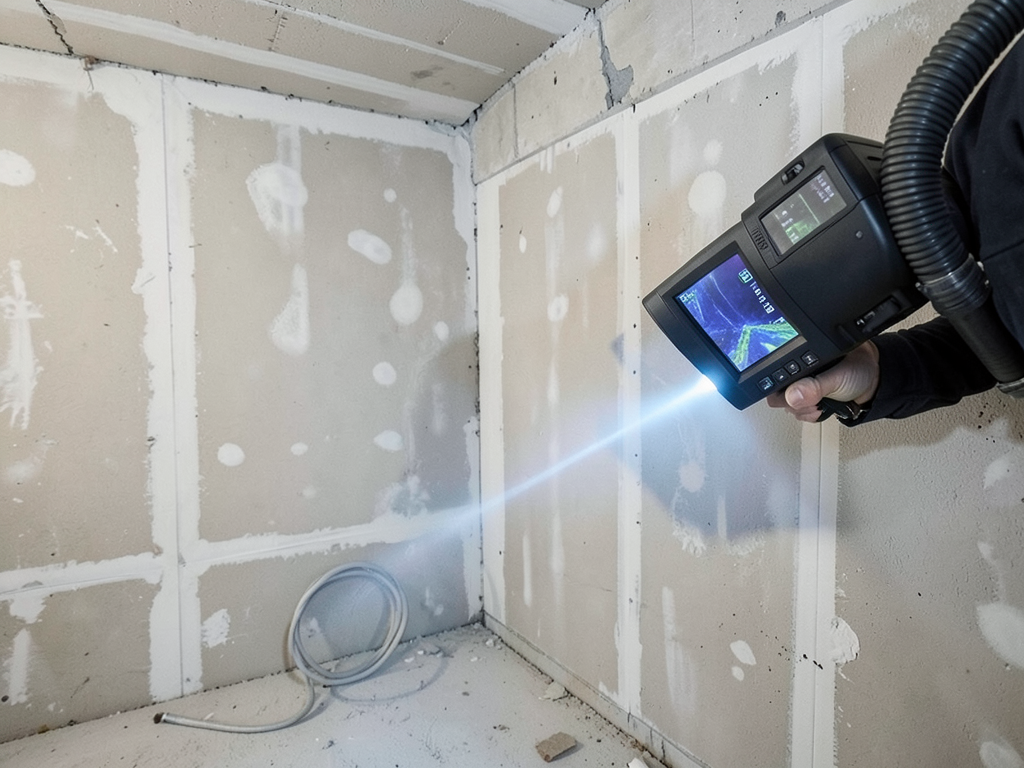
New foundations in Maple Grove face unique challenges from our region’s clay-heavy soil composition. As the ground freezes and thaws throughout Minnesota winters, soil expands and contracts around your home’s foundation. This movement creates hairline cracks in concrete that widen over time, allowing water to seep into basements and crawl spaces. Immediate Water Damage Mitigation for Downtown Minneapolis Businesses.
The settling process typically occurs within the first 12 to 24 months after construction. During this time, backfill soil around the foundation compacts unevenly, often creating negative slopes that direct water toward your home instead of away from it. Many Maple Grove homeowners don’t realize their property’s drainage has reversed until water appears in their basement during spring snowmelt. Server Room Water Damage.
Foundation cracks wider than one-eighth inch indicate serious structural concerns that require immediate attention. These cracks often appear near window wells, basement corners, and where the foundation meets the garage slab. Thermal imaging can reveal moisture patterns behind walls that visual inspection misses.
Improper Window and Door Flashing Installation
Modern construction often prioritizes speed over precision, leading to critical flashing errors around windows and doors. In Maple Grove’s climate, even small gaps in flashing can allow significant water intrusion during our heavy spring rains and winter snowmelt. The problem compounds when builders use house wrap incorrectly or skip essential weather barriers. Water Damage Restoration Rochester.
Window flashing should extend at least six inches beyond the window frame and integrate with the building’s water-resistive barrier. Many new homes in the Twin Cities metro area suffer from reverse-lapped flashing, where water flows behind the protective layers instead of being directed outward. This creates hidden moisture pockets that feed mold growth for months before detection.. Read more about Dealing with Water Damage from a Burst Washing Machine Hose in Seward.
The Minnesota Residential Code requires specific flashing details for new construction, but inspection gaps sometimes allow substandard work to pass. Homeowners should inspect window sills for staining, check for drafts around frames, and monitor for condensation between windowpanes as early warning signs.
Sump Pump Failures in Fresh Installations
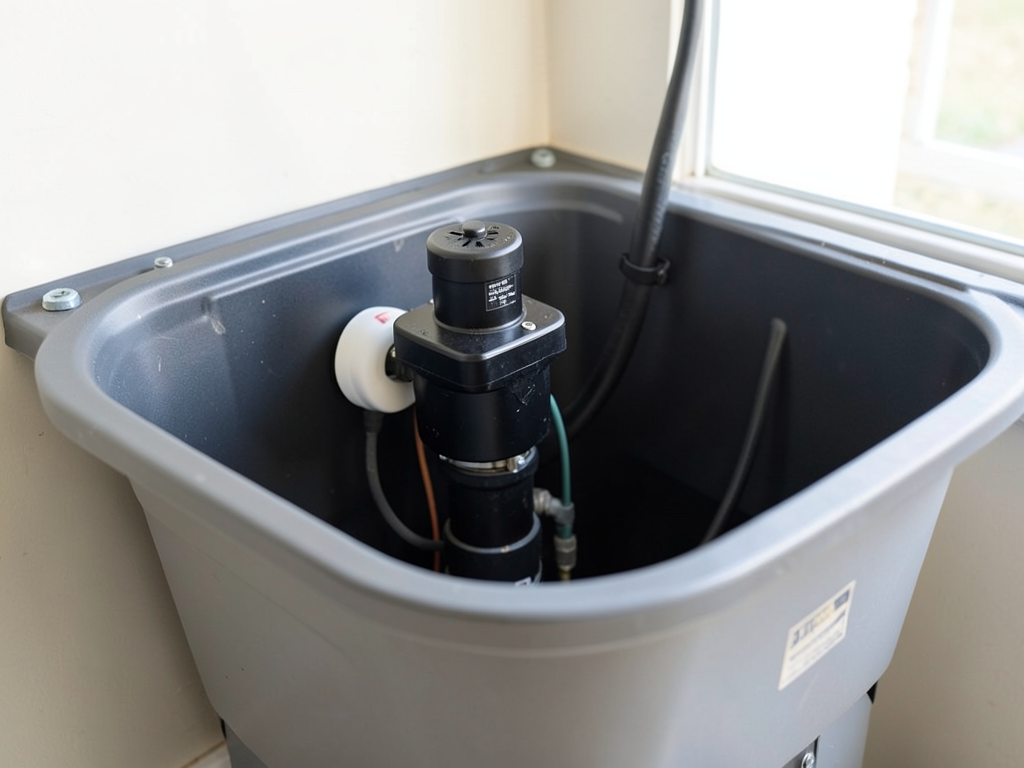
New construction sump pumps face unique failure risks that catch homeowners by surprise. During the building process, construction debris often falls into sump basins, damaging pump impellers or clogging float switches. Additionally, the high water table common in parts of Maple Grove can overwhelm undersized pumps installed to minimize costs.. Read more about How to Spot Hidden Water Damage Before Buying a House in Longfellow.
The first major storm test often reveals inadequate pumping capacity. When heavy rains hit within the first year, many new homes experience basement flooding because the sump system cannot keep pace with incoming water volume. This typically occurs between midnight and 6 AM when storms are most severe and homeowners are asleep.. Read more about Managing Water Damage in Modernist Homes with Flat Roofs in Fridley.
Proper sump pump installation includes a battery backup system and alarm to alert homeowners of failures. The International Plumbing Code requires these features in many jurisdictions, but cost-cutting measures sometimes eliminate them from new builds. Testing your sump system monthly by pouring water into the basin can prevent catastrophic failures.. Read more about How Water Damage Affects the Resale Value of Your Eden Prairie Property.
Ice Dam Formation on New Roof Systems
Ice dams form when heat escaping from a poorly insulated attic melts snow on the roof, which then refreezes at the colder eaves. New construction homes in Maple Grove often suffer from inadequate attic ventilation or insulation, creating perfect conditions for ice dam formation. These frozen barriers force melting snow under shingles and into wall cavities.
The problem intensifies in homes with complex roof designs featuring valleys, dormers, and multiple roof levels. Snowpack depth exceeding six inches creates significant weight stress while providing ample material for ice dam formation. Heat loss through recessed lighting, bathroom vents, and uninsulated attic access points accelerates the melting process.. Read more about Why Your Apple Valley Air Conditioner Is Leaking Water Inside the House.
Minnesota building codes now require ice and water shield installation along eaves in new construction, but the shield must extend at least 24 inches past the exterior wall to be effective. Many builders install the minimum required coverage, leaving vulnerable areas exposed to water intrusion during severe winter storms.. Read more about The Dangers of a Slow Refrigerator Water Line Leak in Your Oakdale Kitchen.
Grading and Drainage Issues in New Developments
New home developments in Maple Grove often face significant grading challenges as construction progresses. Heavy equipment compacts soil during building, creating uneven settling patterns that reverse intended drainage slopes. Additionally, the removal and replacement of topsoil during construction frequently results in poorer quality soil that absorbs water poorly.
The Minnesota Stormwater Manual requires new developments to manage runoff through proper grading and drainage systems. However, these systems require time to establish themselves as vegetation takes root and soil structure improves. During the first two growing seasons, many new homes experience water pooling near foundations due to inadequate initial grading.
Homeowners should observe their property during heavy rains to identify problem areas. Water should flow away from the foundation at a minimum slope of 2% for at least 10 feet. Puddles forming within 5 feet of basement walls indicate drainage problems that will worsen over time.
Building Material Moisture Content and Off-Gassing
New construction homes contain thousands of gallons of water trapped in concrete, lumber, and other building materials. As these materials dry during the first year of occupancy, they release moisture that can overwhelm ventilation systems. This process, called hygric buffering, creates ideal conditions for mold growth in wall cavities and attics.
Pressure-treated lumber, commonly used for decks and sill plates, retains significant moisture that slowly releases into surrounding materials. Similarly, concrete foundations require approximately 30 days per inch of thickness to fully cure, releasing water vapor throughout the drying process. In Maple Grove’s humid summers, this moisture has nowhere to escape in tightly sealed homes.
Modern energy-efficient construction creates nearly airtight building envelopes that trap indoor moisture. Without proper mechanical ventilation, humidity levels can exceed 60% for extended periods, promoting condensation on cool surfaces and creating musty odors throughout the home. Installing dehumidifiers and ensuring proper HVAC operation becomes critical during the first 12 months.
Plumbing System Pressure Testing Failures
New construction plumbing systems undergo pressure testing before final inspection, but some leaks only appear after walls close and water service activates. The thermal expansion and contraction of pipes during the first year can cause fittings to loosen or develop slow leaks that go unnoticed for months. These hidden leaks often occur behind shower surrounds, under kitchen cabinets, or in wall cavities.. Read more about How to Clean Up After a Major Toilet Overflow in Your Robbinsdale Bathroom.
Cross-linked polyethylene (PEX) piping, while flexible and cost-effective, can develop pinhole leaks when exposed to certain water chemistry conditions common in the Twin Cities area. The chlorine levels in municipal water supplies can degrade PEX over time, particularly in homes with recirculation pumps that keep water moving continuously.
Water pressure exceeding 80 PSI can stress new plumbing connections, causing premature failures. Many new homes lack pressure-reducing valves or have them set too high. Installing water pressure gauges and monitoring for pressure fluctuations can identify problems before they cause extensive damage.
Exterior Cladding and Moisture Barrier Defects
Modern exterior cladding systems rely on perfect integration between multiple moisture barriers to protect homes from water intrusion. In new construction, errors in this integration sequence create pathways for water to penetrate behind siding materials. Vinyl siding, while popular in Maple Grove, requires precise installation of starter strips and corner posts to prevent water channeling behind the material.
Hardboard siding and engineered wood products used in many new builds absorb moisture more readily than traditional materials. When installed over inadequate house wrap or with improper nailing patterns, these materials swell and deteriorate rapidly. The swelling process creates gaps that allow more water intrusion, accelerating the damage cycle.
Stucco and synthetic stucco systems require specific installation techniques that many builders shortcut to save time. Improper mixing ratios, inadequate curing time, or missing control joints can cause cracking that allows water penetration. These systems trap moisture against sheathing, leading to rot and mold growth that remains hidden until extensive damage occurs.
Landscaping and Sprinkler System Damage
Newly installed landscaping and irrigation systems often cause unexpected water damage in the first year. Overzealous sprinkler heads can direct water against foundation walls, while broken lines underground create saturated soil conditions that increase hydrostatic pressure against basement walls. The first freeze-thaw cycle frequently reveals installation defects in irrigation systems.
Mulch placed too close to foundation walls can trap moisture against concrete surfaces. As mulch decomposes, it generates heat that can melt adjacent snow in winter, creating localized drainage problems. Additionally, the weight of saturated mulch beds can cause soil settlement that reverses drainage patterns around the home.
Tree and shrub root systems planted too close to foundations can damage waterproofing membranes and create pathways for water intrusion. Fast-growing species common in new developments can extend roots 20 feet or more in the first few years, seeking moisture near foundation walls. Proper plant selection and spacing becomes critical for long-term moisture management.
Minnesota’s Climate Stress on New Construction
Maple Grove’s location in the northern United States exposes new homes to climate stresses that many builders underestimate. Our region experiences temperature swings of 60 to 80 degrees within 24 hours during spring and fall, causing building materials to expand and contract at different rates. This differential movement creates stress points where water can penetrate.
Heavy snowfall followed by rapid warming creates unique challenges for new homes. The weight of wet snow can cause roof structures to deflect slightly, breaking seals around vents and chimneys. When temperatures suddenly rise, this trapped snow melts rapidly, overwhelming drainage systems designed for normal precipitation rates.
Summer humidity levels in the Twin Cities often exceed 80%, creating condensation problems in new homes with inadequate attic ventilation. The moisture load from daily activities like cooking, bathing, and laundry combines with building material off-gassing to create indoor humidity levels that promote mold growth and material degradation.
Preventing Water Damage in Your New Maple Grove Home
Protecting your new construction investment requires proactive monitoring and maintenance during the critical first two years. Schedule annual professional inspections that include thermal imaging to detect hidden moisture problems before they cause extensive damage. Document all findings with photographs and moisture readings to establish baselines for future comparisons. Finding Fast Emergency Water Removal in the North Loop Neighborhood.
Install water leak detection systems that can alert you to problems through smartphone notifications. These systems can detect as little as one drop of water per minute and can automatically shut off water supply to prevent flooding when you’re away from home. The peace of mind during Minnesota’s storm season justifies the modest investment.. Read more about The Best Smart Leak Detectors for Waterfront Homes in Wayzata.
Maintain detailed records of all inspections, repairs, and warranty claims. Many water damage issues fall under builder warranties, but proving the damage originated during construction requires thorough documentation. Keep all receipts, inspection reports, and correspondence with builders in a dedicated file for easy reference when warranty claims arise.
When to Call Water Damage Professionals
Certain water damage situations require immediate professional intervention to prevent escalating costs and health hazards. If you discover standing water in your basement, visible mold growth, or water stains spreading across ceilings or walls, contact restoration specialists immediately. These conditions indicate active water intrusion that will worsen without proper remediation. Expert Mold Remediation for Older Apartments in Uptown Minneapolis.
Musty odors, especially in basements or crawl spaces, often signal hidden mold growth behind walls or under flooring. Professional moisture detection equipment can locate these problems without destructive testing. Similarly, if your energy bills spike unexpectedly, hidden water damage may be compromising your home’s insulation and creating air leakage pathways.
Foundation cracks wider than one-eighth inch, doors or windows that suddenly stick, or sloping floors indicate structural problems that require immediate assessment. These symptoms often accompany water damage that threatens your home’s structural integrity. Professional evaluation can determine whether the issues are cosmetic or require immediate remediation.
Protecting Your Investment Through Vigilance
New construction homes in Maple Grove represent significant financial investments that require active protection during their most vulnerable period. The first 24 months after construction determine whether your home will provide decades of trouble-free service or become a money pit of constant repairs and remediation. Understanding the common causes of water damage empowers you to identify problems early when they’re least expensive to fix.
Regular inspection routines, prompt attention to warning signs, and professional assessments when needed create a comprehensive protection strategy. Remember that water damage rarely resolves itself and typically worsens over time, making early intervention the most cost-effective approach to home maintenance.
Your vigilance today protects your family’s health, your financial investment, and your peace of mind for years to come. Don’t wait for water damage to become visible before taking action.
Frequently Asked Questions
How long does new construction typically remain vulnerable to water damage?
New homes remain most vulnerable to water damage during the first 24 months after construction. This period encompasses foundation settling, material curing, and the establishment of proper drainage patterns. However, some issues like improper flashing or inadequate waterproofing can cause problems throughout the home’s lifetime.
Does homeowner’s insurance cover water damage in new construction?
Standard homeowner’s insurance typically covers sudden and accidental water damage but excludes damage from poor construction, settling, or gradual leaks. Many new construction water damage issues fall under builder warranties instead. Review your policy carefully and understand what coverage applies to your specific situation.
What are the first signs of water damage in a new home?
Early warning signs include musty odors, condensation on windows, water stains on ceilings or walls, sticking doors or windows, and unexpectedly high humidity levels. You might also notice efflorescence (white mineral deposits) on basement walls or hear sump pumps running more frequently than normal.
Should I have my new home inspected for water damage?
Absolutely. Professional inspections using thermal imaging and moisture meters can detect hidden problems before they cause extensive damage. Schedule inspections at 6 months, 12 months, and 24 months after construction, or anytime you notice warning signs. These inspections often reveal issues covered under builder warranties.
How can I prevent ice dams on my new roof?
Prevent ice dams by ensuring proper attic insulation (R-49 to R-60 in Minnesota), adequate ventilation with soffit and ridge vents, and sealing all air leaks from the living space into the attic. Consider installing heat cables along eaves in problematic areas and keep gutters clean to prevent ice buildup.
What should I do if I find water in my new basement?
Immediately identify the water source if possible, stop using affected areas, and contact both your builder and a water damage restoration professional. Document everything with photos and videos. Most builders have warranties covering basement water intrusion, but you must report problems promptly to preserve your rights.
Are sump pumps in new homes reliable?
Sump pumps in new construction vary widely in quality. Many builders install basic models to minimize costs. For reliable protection, consider upgrading to a commercial-grade pump with battery backup, alarm system, and proper basin sizing. Test your system monthly by pouring water into the basin to verify operation.
How does Minnesota’s climate specifically affect new homes?
Minnesota’s extreme temperature swings, heavy snowfall, and high humidity create unique stresses on new construction. Freeze-thaw cycles cause foundation movement, ice dams form on inadequately ventilated roofs, and summer humidity promotes mold growth in tightly sealed homes. These factors make new Minnesota homes more vulnerable than in milder climates.
What building code requirements protect against water damage?
Minnesota Residential Code requires ice and water shield on roofs, proper flashing details, moisture barriers in walls, and specific grading requirements around foundations. The International Plumbing Code mandates sump pump systems in many areas. However, code compliance doesn’t guarantee perfect execution, making professional inspections valuable even in code-compliant homes.
How much does water damage repair typically cost?
Repair costs vary dramatically based on damage extent and location. Minor issues might cost $500 to $2,000, while major foundation repairs or mold remediation can exceed $10,000. Early detection typically reduces repair costs by 50% or more. Most restoration professionals provide free inspections and estimates.
- Check Foundation Exterior
Walk around your home’s perimeter and look for cracks wider than 1/8 inch, water stains, or efflorescence on foundation walls. Ensure soil slopes away from the house at 2% minimum grade for 10 feet.
- Inspect Windows and Doors
Examine caulking and weatherstripping for gaps or deterioration. Check for drafts, condensation between panes, or water stains around frames that indicate flashing problems.
- Test Plumbing System
Check under all sinks and vanities for moisture or corrosion. Run water in all fixtures and check for slow drains or unusual sounds that might indicate pipe problems.
- Examine Attic Space
Look for moisture, mold, or proper ventilation. Check insulation levels and ensure bathroom vents terminate outside, not into the attic. Look for ice dam formation along eaves in winter.
- Monitor Basement Conditions
Check for musty odors, visible moisture, or water stains. Test sump pump operation monthly and observe during heavy rains to ensure proper function.
Take Action Before Water Damage Escalates
Water damage in new construction homes requires immediate professional attention to prevent escalating repair costs and potential health hazards. If you’ve noticed any warning signs or want peace of mind about your new home’s condition, don’t wait for problems to worsen.
Call (651) 677-5055 today to schedule a comprehensive water damage inspection. Our certified technicians use advanced thermal imaging and moisture detection equipment to identify hidden problems before they cause extensive damage. We’ll provide a detailed report of our findings and recommend appropriate remediation steps.
Protect your investment and your family’s health with professional assessment from experts who understand Minnesota’s unique climate challenges. Pick up the phone and call (651) 677-5055 before the next storm hits your new Maple Grove home. For more information, visit IICRC Water Damage Restoration Standards.
You may also find this helpful. Preventing Burst Outdoor Faucets Before the First Freeze in Mendota Heights.
{
“@context”: “https://schema.org”,
“@type”: “BlogPosting”,
“headline”: “Common Causes of Water Damage in New Construction Homes in Maple Grove”,
“description”: “Discover why new homes in Maple Grove face water damage from settling foundations, improper flashing, and Minnesota’s harsh climate. Learn the warning signs.”,
“wordCount”: 3040,
“datePublished”: “2026-03-13T16:17:00.000Z”,
“dateModified”: “2026-03-13T16:17:00.000Z”,
“inLanguage”: “en-US”,
“mainEntityOfPage”: {
“@type”: “WebPage”,
“@id”: “https://pioneerwaterdamagerestorationminneapolis.com”
},
“publisher”: {
“@type”: “LocalBusiness”,
“name”: “Pioneer Water Damage Restoration Minneapolis”,
“url”: “https://pioneerwaterdamagerestorationminneapolis.com”
},
“author”: {
“@type”: “Organization”,
“name”: “Pioneer Water Damage Restoration Minneapolis”,
“url”: “https://pioneerwaterdamagerestorationminneapolis.com”
},
“image”: {
“@type”: “ImageObject”,
“url”: “https://pioneerwaterdamagerestorationminneapolis.com/wp-content/uploads/2026/03/common-causes-of-water-damage-in-new-construction-1.png”
}
}
{
“@context”: “https://schema.org”,
“@type”: “LocalBusiness”,
“name”: “Pioneer Water Damage Restoration Minneapolis”,
“url”: “https://pioneerwaterdamagerestorationminneapolis.com”,
“address”: {
“@type”: “PostalAddress”,
“addressLocality”: “Minneapolis”
},
“areaServed”: {
“@type”: “City”,
“name”: “Minneapolis”
}
}
{
“@context”: “https://schema.org”,
“@type”: “FAQPage”,
“mainEntity”: [
{
“@type”: “Question”,
“name”: “How long does new construction typically remain vulnerable to water damage?”,
“acceptedAnswer”: {
“@type”: “Answer”,
“text”: “New homes remain most vulnerable to water damage during the first 24 months after construction. This period encompasses foundation settling, material curing, and the establishment of proper drainage patterns. However, some issues like improper flashing or inadequate waterproofing can cause problems throughout the home’s lifetime.”
}
},
{
“@type”: “Question”,
“name”: “Does homeowner’s insurance cover water damage in new construction?”,
“acceptedAnswer”: {
“@type”: “Answer”,
“text”: “Standard homeowner’s insurance typically covers sudden and accidental water damage but excludes damage from poor construction, settling, or gradual leaks. Many new construction water damage issues fall under builder warranties instead. Review your policy carefully and understand what coverage applies to your specific situation.”
}
},
{
“@type”: “Question”,
“name”: “What are the first signs of water damage in a new home?”,
“acceptedAnswer”: {
“@type”: “Answer”,
“text”: “Early warning signs include musty odors, condensation on windows, water stains on ceilings or walls, sticking doors or windows, and unexpectedly high humidity levels. You might also notice efflorescence (white mineral deposits) on basement walls or hear sump pumps running more frequently than normal.”
}
},
{
“@type”: “Question”,
“name”: “Should I have my new home inspected for water damage?”,
“acceptedAnswer”: {
“@type”: “Answer”,
“text”: “Absolutely. Professional inspections using thermal imaging and moisture meters can detect hidden problems before they cause extensive damage. Schedule inspections at 6 months, 12 months, and 24 months after construction, or anytime you notice warning signs. These inspections often reveal issues covered under builder warranties.”
}
},
{
“@type”: “Question”,
“name”: “How can I prevent ice dams on my new roof?”,
“acceptedAnswer”: {
“@type”: “Answer”,
“text”: “Prevent ice dams by ensuring proper attic insulation (R-49 to R-60 in Minnesota), adequate ventilation with soffit and ridge vents, and sealing all air leaks from the living space into the attic. Consider installing heat cables along eaves in problematic areas and keep gutters clean to prevent ice buildup.”
}
},
{
“@type”: “Question”,
“name”: “What should I do if I find water in my new basement?”,
“acceptedAnswer”: {
“@type”: “Answer”,
“text”: “Immediately identify the water source if possible, stop using affected areas, and contact both your builder and a water damage restoration professional. Document everything with photos and videos. Most builders have warranties covering basement water intrusion, but you must report problems promptly to preserve your rights.”
}
},
{
“@type”: “Question”,
“name”: “Are sump pumps in new homes reliable?”,
“acceptedAnswer”: {
“@type”: “Answer”,
“text”: “Sump pumps in new construction vary widely in quality. Many builders install basic models to minimize costs. For reliable protection, consider upgrading to a commercial-grade pump with battery backup, alarm system, and proper basin sizing. Test your system monthly by pouring water into the basin to verify operation.”
}
},
{
“@type”: “Question”,
“name”: “How does Minnesota’s climate specifically affect new homes?”,
“acceptedAnswer”: {
“@type”: “Answer”,
“text”: “Minnesota’s extreme temperature swings, heavy snowfall, and high humidity create unique stresses on new construction. Freeze-thaw cycles cause foundation movement, ice dams form on inadequately ventilated roofs, and summer humidity promotes mold growth in tightly sealed homes. These factors make new Minnesota homes more vulnerable than in milder climates.”
}
},
{
“@type”: “Question”,
“name”: “What building code requirements protect against water damage?”,
“acceptedAnswer”: {
“@type”: “Answer”,
“text”: “Minnesota Residential Code requires ice and water shield on roofs, proper flashing details, moisture barriers in walls, and specific grading requirements around foundations. The International Plumbing Code mandates sump pump systems in many areas. However, code compliance doesn’t guarantee perfect execution, making professional inspections valuable even in code-compliant homes.”
}
},
{
“@type”: “Question”,
“name”: “How much does water damage repair typically cost?”,
“acceptedAnswer”: {
“@type”: “Answer”,
“text”: “Repair costs vary dramatically based on damage extent and location. Minor issues might cost $500 to $2,000, while major foundation repairs or mold remediation can exceed $10,000. Early detection typically reduces repair costs by 50% or more. Most restoration professionals provide free inspections and estimates.”
}
}
]
}
{
“@context”: “https://schema.org”,
“@type”: “HowTo”,
“name”: “How to Inspect Your New Home for Water Damage”,
“step”: [
{
“@type”: “HowToStep”,
“position”: 1,
“name”: “Check Foundation Exterior”,
“text”: “Walk around your home’s perimeter and look for cracks wider than 1/8 inch, water stains, or efflorescence on foundation walls. Ensure soil slopes away from the house at 2% minimum grade for 10 feet.”
},
{
“@type”: “HowToStep”,
“position”: 2,
“name”: “Inspect Windows and Doors”,
“text”: “Examine caulking and weatherstripping for gaps or deterioration. Check for drafts, condensation between panes, or water stains around frames that indicate flashing problems.”
},
{
“@type”: “HowToStep”,
“position”: 3,
“name”: “Test Plumbing System”,
“text”: “Check under all sinks and vanities for moisture or corrosion. Run water in all fixtures and check for slow drains or unusual sounds that might indicate pipe problems.”
},
{
“@type”: “HowToStep”,
“position”: 4,
“name”: “Examine Attic Space”,
“text”: “Look for moisture, mold, or proper ventilation. Check insulation levels and ensure bathroom vents terminate outside, not into the attic. Look for ice dam formation along eaves in winter.”
},
{
“@type”: “HowToStep”,
“position”: 5,
“name”: “Monitor Basement Conditions”,
“text”: “Check for musty odors, visible moisture, or water stains. Test sump pump operation monthly and observe during heavy rains to ensure proper function.”
}
],
“image”: “https://pioneerwaterdamagerestorationminneapolis.com/wp-content/uploads/2026/03/common-causes-of-water-damage-in-new-construction-1.png”
}
{
“@context”: “https://schema.org”,
“@type”: “BreadcrumbList”,
“itemListElement”: [
{
“@type”: “ListItem”,
“position”: 1,
“name”: “Home”,
“item”: “https://pioneerwaterdamagerestorationminneapolis.com”
},
{
“@type”: “ListItem”,
“position”: 2,
“name”: “Blog”,
“item”: “https://pioneerwaterdamagerestorationminneapolis.com/blog”
},
{
“@type”: “ListItem”,
“position”: 3,
“name”: “Common Causes of Water Damage in New Construction Homes in Maple Grove”
}
]
}
{
“@context”: “https://schema.org”,
“@type”: “Service”,
“serviceType”: “Water Damage Restoration”,
“provider”: {
“@type”: “LocalBusiness”,
“name”: “Pioneer Water Damage Restoration Minneapolis”,
“url”: “https://pioneerwaterdamagerestorationminneapolis.com”
},
“areaServed”: {
“@type”: “City”,
“name”: “Minneapolis”
},
“description”: “Discover why new homes in Maple Grove face water damage from settling foundations, improper flashing, and Minnesota’s harsh climate. Learn the warning signs.”
}