Finding Hidden Mold Behind Wallpaper in Your Historic Summit-University Home
Peeling wallpaper in your Summit-University Victorian home might be more than just an aesthetic issue. When moisture seeps behind vinyl wallpaper, it creates the perfect dark, humid environment for mold growth. The problem compounds in historic homes because plaster walls retain moisture longer than modern drywall, and the Twin Cities’ freeze-thaw cycles drive condensation deeper into wall cavities.
The first 100 words matter. If you notice musty odors, bubbling seams, or dark spots under peeling edges, you likely have mold growing between your wallpaper and wall. This isn’t a DIY situation. Disturbing mold without proper containment releases millions of spores throughout your HVAC system and living spaces.
Summit-University’s historic district contains some of Saint Paul’s oldest housing stock, with many homes built before 1940 using plaster-and-lath construction. These walls breathe differently than modern materials, trapping moisture in ways that modern building codes now prevent. When vinyl wallpaper acts as a vapor barrier on these older walls, condensation forms on the cold side during Minnesota winters, creating persistent moisture problems that feed mold colonies.
Signs of Hidden Mold in Historic Summit-University Homes
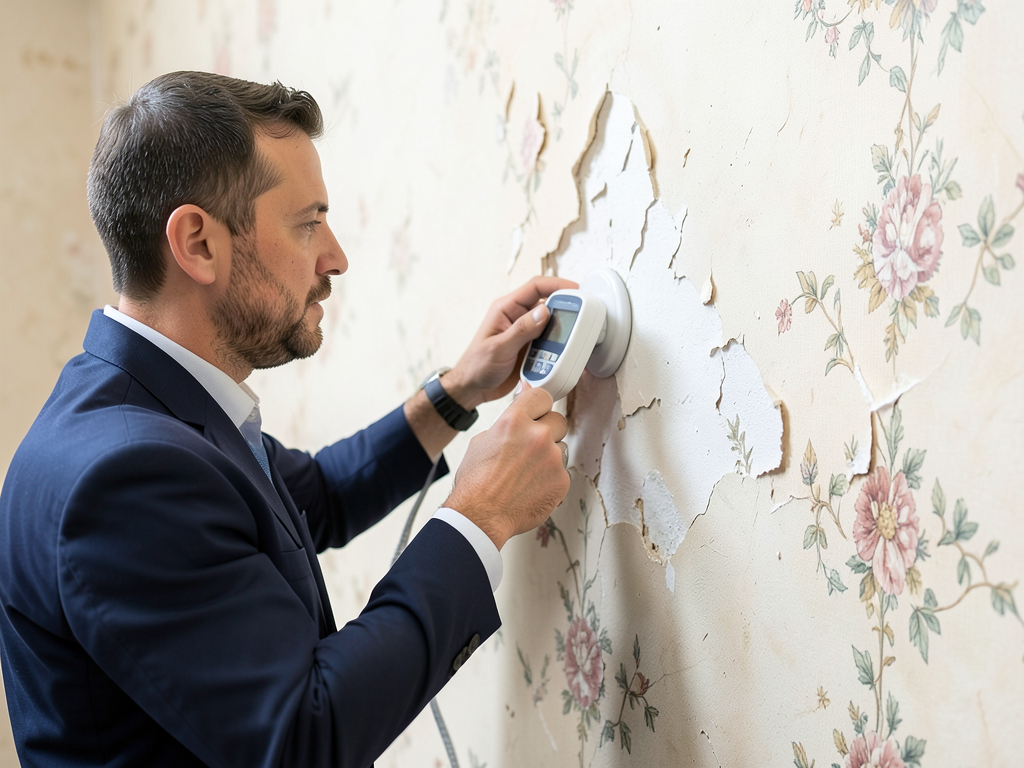
Professional mold inspectors look for specific diagnostic signs when examining historic Summit-University properties. The musty, earthy odor that intensifies when humidity rises indicates active mold colonies releasing microbial volatile organic compounds. Dark discoloration that appears only along north-facing walls suggests condensation-driven growth, as these surfaces stay coldest during Minnesota winters.
Wallpaper seams that bubble or peel without water exposure often indicate moisture accumulation behind the surface. The paper backing absorbs water, causing expansion and separation from the wall. In plaster homes, this moisture rarely evaporates because the dense material holds water like a sponge, creating sustained conditions for mold growth. EPA Mold Resources.
Homeowners frequently report respiratory symptoms that improve when away from the property. These include persistent coughing, throat irritation, and allergy-like responses. Children and elderly residents experience these effects more severely due to developing or compromised immune systems. The confined spaces of Summit-University’s historic row homes and brownstones mean mold spores circulate throughout connected living areas.
Why Wallpaper Traps Mold in the Twin Cities Climate
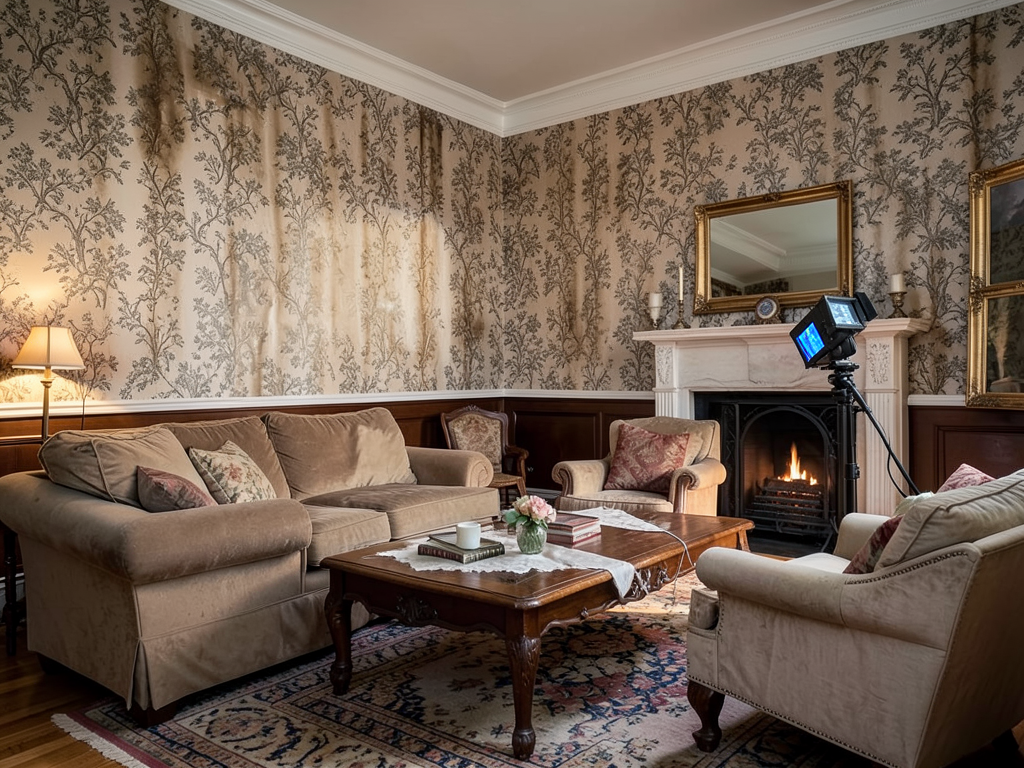
Minnesota’s climate creates unique challenges for historic home preservation. The state experiences average annual humidity fluctuations from 30% in winter to over 80% in summer. When vinyl wallpaper covers exterior walls in older Summit-University homes, it creates a double vapor barrier effect. The wallpaper prevents wall cavities from breathing, while the plaster retains moisture longer than modern materials.
During winter months, warm interior air holds more moisture. When this air contacts cold exterior walls, condensation forms. In homes with vinyl wallpaper, this moisture cannot escape through the wall surface. Instead, it accumulates behind the paper, creating sustained humidity levels above 60% – the threshold where most mold species begin growing. Repairing Interior Water Damage from Ice Dams in Minnetonka.
The problem intensifies in Summit-University’s historic housing stock. Many homes feature balloon framing construction, where wall cavities extend from basement to attic without fire blocking. This design allows moisture and mold spores to travel vertically through the structure. Combined with the neighborhood’s mature tree canopy that shades north-facing walls, these conditions create persistent moisture traps.
Building science research shows that plaster walls in Minnesota homes absorb approximately 5-7% of their weight in water during seasonal cycles. Modern drywall absorbs less than 2%. This difference means plaster walls in Summit-University homes take weeks to dry after moisture events, while mold can establish colonies in 24-48 hours. Immediate Water Damage Mitigation for Downtown Minneapolis Businesses.
The Risks of DIY Removal
Attempting to remove moldy wallpaper without professional containment creates severe health hazards. When wallpaper separates from the wall, it disturbs established mold colonies. A single square foot of mold-infested wallpaper can release over 10 million spores into the air. Without negative air pressure containment, these spores spread through your entire home via HVAC systems.
Professional remediation follows IICRC S520 standards for mold remediation. This industry standard requires establishing containment barriers, using HEPA filtration, and wearing personal protective equipment. DIY attempts typically lack these safeguards, exposing homeowners to Stachybotrys chartarum (black mold) and other toxigenic species common in water-damaged buildings. IICRC S520 Standard.
The Minnesota Department of Health mandates specific protocols for mold remediation in residential properties. These include air quality testing before and after removal, documentation of affected areas, and verification that spore counts return to normal levels. DIY removal cannot provide this documentation, potentially creating liability issues if you sell your home. Expert Mold Remediation for Older Apartments in Uptown Minneapolis.
Structural damage represents another hidden risk. Mold feeds on organic materials in plaster and wallpaper adhesives. When homeowners peel away moldy paper, they often discover extensive damage to the underlying wall structure. This damage requires professional assessment to determine whether sections need replacement or can be treated and restored.
Our 5-Step Restoration Process
Professional mold remediation follows a systematic approach that ensures complete removal while protecting your family’s health. Our process begins with comprehensive inspection using moisture meters and thermal imaging cameras to identify all affected areas, not just visible mold growth.
- Containment Setup
We establish negative air pressure containment using HEPA-filtered air scrubbers. This prevents spore migration to unaffected areas during removal. Containment barriers include 6-mil polyethylene sheeting sealed with tape at all seams.
- HEPA Vacuuming and Removal
All visible mold growth undergoes HEPA vacuuming to capture loose spores. Contaminated materials receive careful removal following EPA disposal guidelines. We bag materials in 6-mil contractor bags within the containment area.
- Antimicrobial Treatment
We apply EPA-registered antimicrobials to remaining surfaces. These treatments penetrate porous materials to kill mold at the root level. Our products meet Minnesota Department of Agriculture standards for indoor use.
- Drying and Dehumidification
Industrial dehumidifiers reduce ambient humidity below 50%. This prevents mold regrowth during the restoration phase. We monitor humidity levels continuously using data loggers.
- Wall Repair and Restoration
After ensuring complete drying, we repair damaged areas using mold-resistant materials. This includes replacing compromised plaster sections and installing new wall coverings appropriate for historic preservation.
Throughout the process, we maintain detailed documentation including before/after photos, moisture readings, and air quality test results. This documentation proves compliance with Minnesota mold remediation regulations and provides peace of mind for homeowners.
Contact a Summit-University Mold Specialist
Historic Summit-University homes require specialized knowledge of both mold remediation and historic preservation techniques. Our technicians understand the unique construction methods used in homes built before 1940 and how these methods interact with modern moisture problems.
We serve the entire 55102, 55103, 55104, and 55105 zip codes with 24/7 emergency response. Our average response time to Summit-University addresses is under 90 minutes, critical when dealing with active mold growth that spreads exponentially. Finding Fast Emergency Water Removal in the North Loop Neighborhood.
Don’t wait until health symptoms worsen or structural damage becomes severe. Call (651) 677-5055 today to schedule your inspection. Our certified technicians will assess your situation and provide a clear remediation plan tailored to your historic Summit-University home’s specific needs.
Pick up the phone and call (651) 677-5055 before the next storm hits. Minnesota’s spring rains and summer humidity create perfect conditions for mold growth behind wallpaper, and early intervention prevents costly structural repairs.
Frequently Asked Questions
How can I tell if mold is behind my wallpaper without removing it?
Look for musty odors that intensify with humidity, bubbling or peeling seams without water exposure, and dark spots that appear along cold exterior walls. A moisture meter can detect elevated readings behind wallpaper, indicating potential mold growth conditions. Server Room Water Damage.
Is black mold behind wallpaper more dangerous than other types?
Stachybotrys chartarum produces mycotoxins that can cause serious respiratory issues, but any mold growth in confined wall spaces poses health risks. The danger comes from spore concentration and duration of exposure rather than mold color. Professional testing identifies specific species and risk levels.
How long does professional mold remediation take for wallpaper removal?
Most residential projects require 2-4 days depending on affected area size and damage extent. Containment setup takes 4-6 hours, removal and treatment require 1-2 days, and drying plus restoration adds another 1-2 days. We provide specific timelines after initial inspection.
Will my insurance cover mold removal behind wallpaper?
Coverage depends on the moisture source. If water damage from burst pipes or roof leaks caused the mold, most policies cover remediation. However, mold from humidity or condensation typically falls under maintenance issues not covered by standard policies. We help document damage for insurance claims.
Can I just paint over moldy wallpaper instead of removing it?
No. Painting over mold creates a temporary cosmetic fix while allowing the colony to continue growing behind the new surface. Mold will eventually show through paint, and the moisture problem persists. Complete removal and proper treatment are the only effective solutions.