How to Spot Mold Growth Around the Steel Window Frames of Lowertown St. Paul Lofts
Steel window frames in Lowertown St. Paul lofts create a perfect environment for mold growth when warm indoor air meets cold exterior steel during Minnesota winters. You can spot mold growth by looking for black or green discoloration around window edges, a musty odor near windows, and visible condensation that doesn’t evaporate. The combination of historic brick construction, single-pane steel windows, and our extreme temperature swings creates conditions where moisture becomes trapped, feeding mold colonies that can spread beyond the window frame into wall cavities.. Read more about Protecting Exposed Brick Walls in North Loop Lofts from Moisture and Efflorescence.
Why Steel Window Frames in Lowertown Are Prone to Mold
Historic Lowertown lofts feature industrial-era steel window frames that were built before modern insulation standards existed. These frames act as thermal bridges, conducting cold from outside directly into your living space. When warm, humid indoor air contacts these cold steel surfaces, condensation forms and moisture accumulates in the window tracks and surrounding drywall. The Mississippi River’s proximity creates higher ambient humidity, while the neighborhood’s century-old brick buildings retain moisture longer than newer construction. This combination of factors makes mold growth inevitable without proper moisture management.
Steel window frames in Lowertown buildings typically date back to the early 1900s when industrial warehouses dominated the area. These frames lack the thermal breaks found in modern windows, allowing direct heat transfer that creates condensation. The brick-and-mortar construction of these buildings also contributes to moisture problems, as older mortar joints can allow water infiltration during heavy rains or snowmelt. Immediate Water Damage Mitigation for Downtown Minneapolis Businesses.
Visual Signs of Mold Around Steel Window Frames
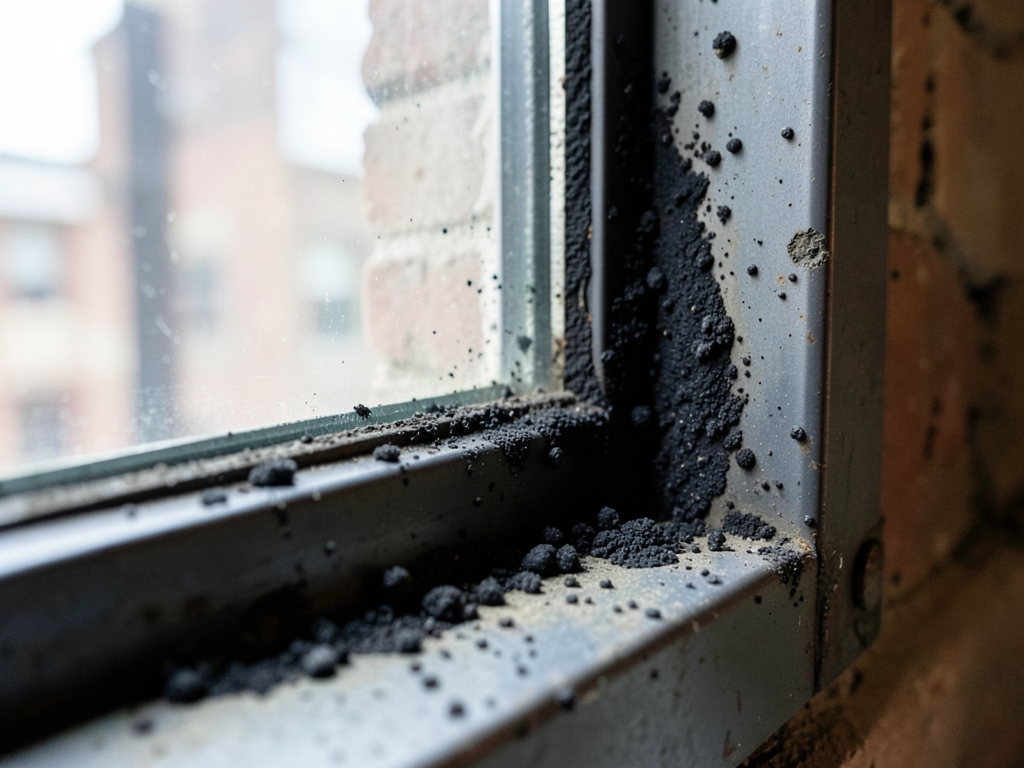
Black mold around window frames often appears as dark spots or streaks that start small and expand over time. You might notice greenish-black patches in window corners where moisture collects, or fuzzy white growth that indicates early-stage mold colonization. Pay attention to any discoloration that seems to grow or change shape over weeks rather than remaining static. Mold often follows the path of moisture, so look for patterns that radiate from window edges toward surrounding walls.
Beyond color changes, mold growth creates texture changes on window frames and surrounding surfaces. The surface may become slightly raised or develop a fuzzy appearance that distinguishes it from simple dirt or dust. In severe cases, you might see mold spores becoming airborne, creating a visible haze near affected windows, especially when sunlight streams through.
Musty Odors as Early Warning Signs
A musty, earthy smell near steel windows often precedes visible mold growth by weeks or months. This odor comes from microbial volatile organic compounds (MVOCs) that mold releases as it grows and spreads. The smell tends to be strongest in rooms with poor ventilation or where windows remain closed for extended periods during winter. If you notice this distinctive odor concentrated around specific windows, investigate immediately even if you don’t see visible mold yet.
The musty smell often intensifies after rain or during humid weather, indicating that moisture levels in your window frames are rising. This odor can penetrate fabrics, carpets, and even wall materials, making it important to address the source rather than just masking the smell with air fresheners or ventilation.
Condensation Patterns That Signal Mold Risk
Excessive condensation on steel window frames goes beyond normal winter moisture. Watch for water that pools in window tracks and doesn’t evaporate within a few hours of sunrise, or for condensation that forms ice crystals on the interior frame surface. These conditions create standing water that mold spores need to establish colonies. Pay special attention to south-facing windows that receive direct sunlight, as the temperature differential between sunny and shaded areas can create condensation pockets. Repairing Interior Water Damage from Ice Dams in Minnetonka.
Condensation that appears as water droplets running down window frames or pooling on window sills indicates humidity levels inside your loft exceed safe levels. In Minnesota winters, indoor humidity should stay between 30-40%. Higher levels create conditions where mold can thrive even in well-maintained buildings.
Health Symptoms Linked to Window Frame Mold
Window frame mold can trigger respiratory issues, especially in enclosed historic lofts where air circulation is limited. Common symptoms include persistent coughing, sneezing, itchy eyes, and throat irritation that worsen when you’re at home. People with asthma or allergies may experience more severe reactions, including wheezing or difficulty breathing. Children, elderly residents, and those with compromised immune systems face higher risks from mold exposure.
Beyond respiratory symptoms, some people report headaches, fatigue, and skin irritation when exposed to mold spores from window frames. These symptoms often improve when away from home, suggesting the indoor environment as the source. The Minnesota Department of Health notes that Stachybotrys chartarum, commonly called black mold, can produce mycotoxins that affect neurological function in sensitive individuals. EPA Mold Resources.
Common Mold Species Found in Lowertown Lofts
Cladosporium and Aspergillus are the most common mold types found around steel window frames in Lowertown buildings. Cladosporium appears as olive-green to brown colonies and thrives in cool, damp conditions typical of Minnesota winters. Aspergillus can appear in various colors and often grows in concentric rings as it spreads across window surfaces. Both species can trigger allergic reactions and respiratory issues in sensitive individuals.
Stachybotrys chartarum, while less common, poses serious health risks when present. This black mold grows in areas with prolonged moisture exposure and can produce mycotoxins that affect respiratory and neurological systems. The presence of Stachybotrys often indicates more extensive water damage than surface-level condensation, potentially requiring professional remediation. Expert Mold Remediation for Older Apartments in Uptown Minneapolis.
DIY Mold Testing Methods for Window Frames
You can perform basic mold testing using adhesive tape to collect samples from suspicious areas around window frames. Press clear tape against the discolored surface, then place it on a white index card for examination. Compare the collected sample to online mold identification guides, though professional testing provides more accurate results. Home mold test kits are available at hardware stores, but they may not distinguish between harmful and harmless mold species.
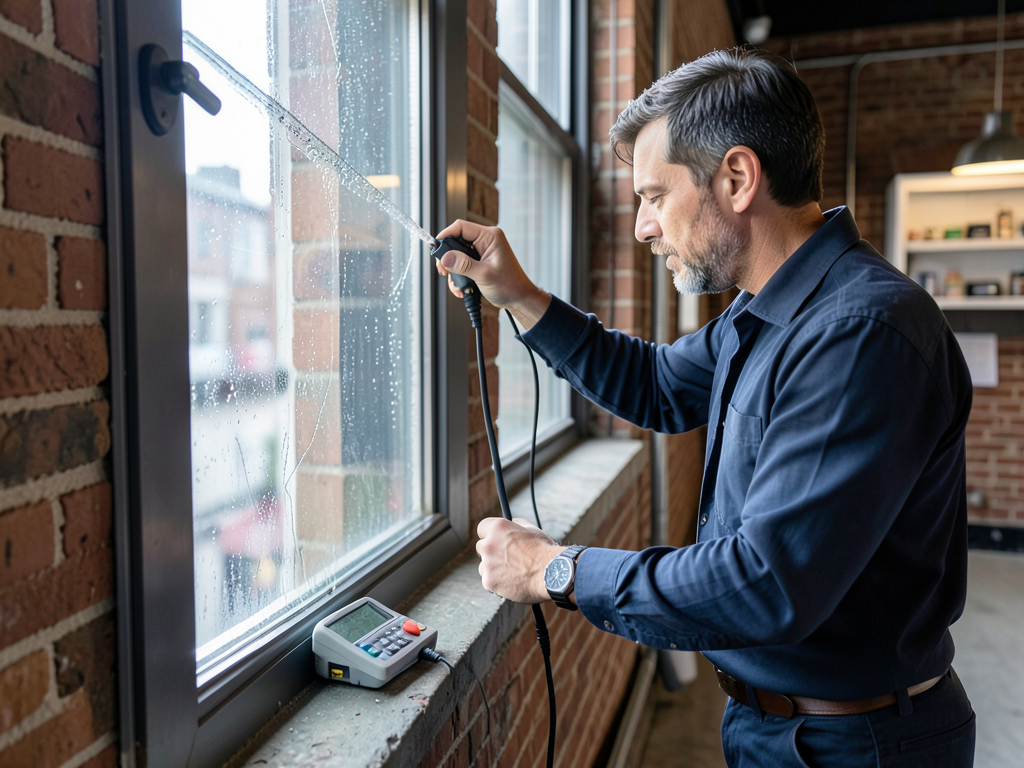
Moisture meters provide another diagnostic tool for assessing mold risk around window frames. These devices measure moisture content in wood, drywall, and other materials. Readings above 16% moisture content indicate conditions favorable for mold growth. Many hardware stores rent moisture meters, making this a cost-effective way to assess potential mold problems before they become severe.
When to Call Professional Mold Remediation
Call professionals when mold covers more than 10 square feet, when you suspect mold in wall cavities behind window frames, or when family members experience persistent health symptoms. Professional remediation becomes necessary when mold returns within weeks of cleaning, indicating an underlying moisture problem that DIY methods cannot address. The EPA recommends professional assessment for any mold growth that could affect indoor air quality or structural integrity.
Professional remediation is also essential when dealing with historic Lowertown buildings, as older construction may contain lead paint or asbestos that requires specialized handling during mold removal. Licensed professionals understand how to protect both occupants and the building’s historic features during the remediation process. Dealing with Sewage Backup Cleanup in Your Bloomington Home.
Professional Mold Remediation Process
Professional mold remediation follows IICRC S520 standards, beginning with containment to prevent spore spread to other areas of your loft. Technicians use HEPA filtration systems to capture airborne spores while removing contaminated materials. The process includes treating affected surfaces with EPA-registered antimicrobials, addressing the moisture source that allowed mold growth, and verifying through testing that remediation was successful. IICRC S520 Mold Remediation Standard.
The remediation process for steel window frames often involves removing affected drywall, treating the window frame and surrounding areas, and addressing any structural damage from prolonged moisture exposure. Professionals use moisture meters to ensure all affected areas are identified, not just visible mold growth. This comprehensive approach prevents mold from returning after remediation.
Preventing Mold Growth in Steel Window Frames
Prevention starts with controlling indoor humidity levels using dehumidifiers during winter months when windows stay closed. Keep indoor humidity between 30-40% using a hygrometer to monitor levels. Improve air circulation by running ceiling fans or using portable fans near windows to reduce condensation buildup. Consider installing window film or thermal curtains to create an additional barrier between cold steel frames and warm indoor air.
Regular cleaning of window tracks and frames removes dust and organic matter that mold feeds on. Use a solution of one part vinegar to three parts water for routine cleaning, as vinegar kills most mold species and prevents regrowth. Inspect window seals annually and replace damaged weatherstripping to prevent moisture infiltration around frame edges.
Upgrading Steel Windows in Historic Lofts
Replacing historic steel windows with modern thermal replacement units can eliminate mold problems while preserving your loft’s character. Modern steel-look windows feature thermal breaks that prevent condensation while maintaining the industrial aesthetic of Lowertown buildings. These upgrades can reduce energy costs by 15-25% while eliminating the moisture problems that lead to mold growth.
Historic preservation guidelines in Lowertown may restrict window replacements, so consult with the St. Paul Heritage Preservation Commission before making changes. Some property owners opt for interior storm windows that provide thermal protection without altering the building’s exterior appearance. These solutions can significantly reduce condensation while maintaining compliance with preservation requirements.
Insurance Coverage for Mold Remediation
Standard homeowner’s insurance policies in Minnesota typically exclude mold damage unless it results from a covered peril like a burst pipe. Review your policy carefully to understand coverage limitations for mold remediation. Some insurers offer mold endorsements for additional premiums, which can be worthwhile for historic properties prone to moisture issues. Document mold problems with photos and professional assessments to support insurance claims.
Many Lowertown loft owners find that addressing mold promptly prevents more extensive damage that insurance might cover. Water damage from mold-related structural issues often exceeds standard mold remediation costs, making prevention a cost-effective strategy. Keep records of all maintenance and remediation efforts, as this documentation can support future insurance claims.
Local Building Codes and Mold Remediation
Minneapolis and St. Paul building codes require proper ventilation in residential units to prevent moisture accumulation. The Minnesota State Building Code Section 1203 mandates mechanical ventilation systems in lofts and apartments to control indoor air quality. Compliance with these codes helps prevent conditions that lead to mold growth around window frames.
Professional mold remediation companies must follow EPA guidelines for containment and disposal of contaminated materials. The EPA’s Mold Remediation in Schools and Commercial Buildings guidelines, while focused on larger structures, provide best practices applicable to residential remediation. These standards ensure that mold removal protects both occupants and the environment.
Long-term Maintenance for Mold Prevention
Establish a seasonal maintenance routine to prevent mold recurrence after remediation. Check window frames quarterly for signs of moisture or discoloration. Clean window tracks monthly to remove debris that can trap moisture. Inspect exterior caulking and seals annually, repairing any gaps that could allow water infiltration. Consider professional HVAC maintenance to ensure your heating system isn’t contributing to excess indoor humidity.
Monitor your building’s exterior for signs of water damage that could affect interior window frames. Check for damaged gutters, roof leaks, or foundation issues that might increase indoor humidity levels. Addressing these external moisture sources prevents mold problems from recurring in your steel window frames.
Cost Factors for Professional Mold Remediation
Professional mold remediation costs vary based on the extent of contamination and the complexity of your loft’s construction. Small areas of surface mold might cost $500-1,000 to remediate, while extensive contamination requiring drywall removal could range from $2,000-5,000. Historic Lowertown buildings may incur additional costs due to specialized handling requirements for older construction materials.
Factors affecting remediation costs include the need for containment barriers, the extent of testing required, and whether structural repairs are necessary. Some companies offer free inspections to assess mold problems and provide detailed cost estimates before beginning work. Always get multiple quotes from licensed remediation contractors familiar with historic Minneapolis buildings.
Environmental Factors Affecting Mold Growth
Lowertown’s proximity to the Mississippi River creates a microclimate with higher humidity levels than other Minneapolis neighborhoods. The river’s moisture content in the air, combined with the neighborhood’s dense historic buildings, creates conditions where mold can thrive year-round. Understanding these environmental factors helps you take proactive steps to prevent mold growth around your steel window frames.
Seasonal changes significantly impact mold risk in Lowertown lofts. Spring snowmelt and summer humidity create peak mold growth periods, while winter condensation provides year-round risk for steel window frames. Monitoring humidity levels and maintaining proper ventilation becomes especially important during these high-risk seasons.
DIY Cleaning Solutions for Minor Mold Problems
For small areas of mold on window frames, you can use a solution of one cup bleach mixed with one gallon of water. Apply this solution with a spray bottle, let it sit for 15 minutes, then scrub with a brush and wipe clean. Always wear gloves and eye protection when cleaning mold, and ensure proper ventilation during the process. Never mix bleach with ammonia or other cleaning products, as this creates toxic fumes.
Alternative cleaning solutions include vinegar, which kills most mold species without the harsh chemicals of bleach. Tea tree oil mixed with water also provides natural anti-fungal properties. After cleaning, dry the area thoroughly and monitor for regrowth, as cleaning alone doesn’t address underlying moisture problems that cause mold.
Understanding Mold Spore Counts and Air Quality
Professional mold testing often includes air quality analysis to measure mold spore counts in your loft. Normal indoor spore counts range from 200-500 spores per cubic meter. Counts above 1,000 spores per cubic meter indicate significant mold problems requiring remediation. These tests help determine whether visible mold growth represents a localized issue or a building-wide contamination problem.
Air quality testing also identifies specific mold species present in your home. Some species, like Stachybotrys, produce mycotoxins that pose greater health risks than common allergenic molds. Understanding which species are present helps professionals develop appropriate remediation strategies and helps you assess potential health impacts on your household.
Legal Requirements for Mold Disclosure
Minnesota law requires sellers to disclose known mold problems when selling property. This disclosure requirement extends to rental properties, where landlords must inform tenants about existing mold issues. Understanding these legal requirements helps you navigate property transactions involving historic Lowertown buildings that may have experienced mold problems.
Commercial properties in Lowertown face additional regulations regarding indoor air quality and mold disclosure. Businesses must maintain safe working environments, and visible mold growth could violate occupational safety regulations. Professional remediation becomes not just a property maintenance issue but a legal compliance matter for commercial loft owners.
Choosing the Right Mold Remediation Company
Select remediation companies with specific experience in historic Minneapolis buildings and steel window frame mold problems. Look for IICRC certification in mold remediation and verify their licensing with the Minnesota Department of Labor and Industry. Ask about their experience with Lowertown properties specifically, as these buildings present unique challenges due to their age and construction methods.
Request detailed remediation plans that include containment procedures, cleaning methods, and post-remediation testing. Professional companies should provide written guarantees for their work and offer follow-up inspections to ensure mold doesn’t return. Check references from other Lowertown property owners who have dealt with similar mold issues.
Emergency Response for Severe Mold Problems
Severe mold problems require immediate professional attention to prevent health risks and property damage. Signs of emergency situations include large areas of visible mold growth, strong musty odors throughout your loft, or health symptoms affecting multiple household members. Many professional remediation companies offer 24/7 emergency response for critical mold situations. Finding Fast Emergency Water Removal in the North Loop Neighborhood.
During emergency response, professionals establish containment zones to prevent spore spread while assessing the full extent of contamination. They may recommend temporary relocation if mold levels pose immediate health risks. Quick response prevents mold from spreading to unaffected areas and reduces overall remediation costs by addressing problems before they become more extensive.
Monitoring Indoor Air Quality After Remediation
Post-remediation air quality testing verifies that mold levels have returned to normal ranges. This testing typically occurs 24-48 hours after remediation completion and includes both air sampling and surface testing of previously affected areas. Normal spore counts and negative surface samples indicate successful remediation, though some companies recommend periodic testing for several months afterward.
Invest in a quality hygrometer to monitor indoor humidity levels, as maintaining proper humidity prevents mold recurrence. Many smart home devices now include humidity monitoring and can alert you to conditions favorable for mold growth. Regular monitoring helps you catch potential moisture problems before they lead to new mold growth.
Resources for Lowertown Property Owners
The St. Paul Heritage Preservation Commission provides guidance for maintaining historic properties while addressing modern issues like mold remediation. The Minnesota Department of Health offers resources on indoor air quality and mold prevention specific to our climate. Local hardware stores in Lowertown often stock products designed for historic building maintenance, including mold-resistant treatments appropriate for older construction.
Neighborhood associations in Lowertown can connect you with contractors experienced in historic building maintenance. Online forums for Lowertown residents provide peer support and recommendations for dealing with common property issues. These community resources prove invaluable when navigating the unique challenges of maintaining historic steel-windowed lofts.
Final Thoughts on Steel Window Frame Mold
Mold growth around steel window frames in Lowertown St. Paul lofts represents a manageable problem when addressed promptly and properly. Understanding the unique conditions that create mold in these historic buildings helps you take effective prevention measures. Whether you choose DIY cleaning for minor issues or professional remediation for extensive problems, addressing mold quickly protects both your health and your property investment.
Remember that mold indicates underlying moisture problems that require attention beyond surface cleaning. By controlling humidity, improving ventilation, and maintaining your windows and building envelope, you can prevent most mold issues from developing. When problems do occur, professional assessment ensures you address both visible mold and hidden moisture sources that could cause future growth.. Read more about The Hidden Danger of Mold Growing Inside Your New Hope Ductwork After a Leak.
Frequently Asked Questions
How can I tell if the black spots on my window frame are mold or just dirt?
Mold typically appears fuzzy or slightly raised and may grow in patterns that follow moisture paths. Dirt appears flat and uniform. Mold also produces a musty odor and may cause health symptoms like sneezing or coughing when you’re near affected windows. If you’re unsure, professional testing can identify whether you’re dealing with mold or simple dirt accumulation.
Can I stay in my loft during professional mold remediation?
For small remediation projects affecting limited areas, you can usually remain in your loft with proper containment barriers in place. However, for extensive mold problems or if you have respiratory sensitivities, temporary relocation may be recommended during the remediation process. Your remediation contractor will assess your specific situation and recommend the safest approach.
How long does professional mold remediation take for steel window frames?
Small remediation projects typically take 1-2 days, while extensive contamination requiring structural repairs may take 3-5 days or longer. The timeline depends on the extent of mold growth, the need for containment barriers, and whether underlying moisture issues require repair. Your contractor should provide a detailed timeline after initial assessment.
Don’t wait until mold spreads throughout your Lowertown loft. Call (651) 677-5055 today to schedule your professional mold inspection. Our certified technicians understand the unique challenges of historic Minneapolis buildings and can provide effective solutions to protect your property and health.
Pick up the phone and call (651) 677-5055 before the next storm hits. Our emergency response team is ready to help you address mold problems quickly and effectively, preventing further damage to your valuable Lowertown property.
{
“@context”: “https://schema.org”,
“@type”: “BlogPosting”,
“headline”: “How to Spot Mold Growth Around the Steel Window Frames of Lowertown St. Paul Lofts”,
“description”: “Learn how to identify dangerous mold around steel window frames in Lowertown St. Paul lofts. Discover the warning signs, health risks, and when to call for professional remediation.”,
“wordCount”: 3279,
“datePublished”: “2026-05-19T11:18:00.000Z”,
“dateModified”: “2026-05-19T11:18:00.000Z”,
“inLanguage”: “en-US”,
“mainEntityOfPage”: {
“@type”: “WebPage”,
“@id”: “https://pioneerwaterdamagerestorationminneapolis.com”
},
“publisher”: {
“@type”: “LocalBusiness”,
“name”: “Pioneer Water Damage Restoration Minneapolis”,
“url”: “https://pioneerwaterdamagerestorationminneapolis.com”
},
“author”: {
“@type”: “Organization”,
“name”: “Pioneer Water Damage Restoration Minneapolis”,
“url”: “https://pioneerwaterdamagerestorationminneapolis.com”
},
“image”: {
“@type”: “ImageObject”,
“url”: “https://pioneerwaterdamagerestorationminneapolis.com/wp-content/uploads/2026/03/how-to-spot-mold-growth-around-the-steel-window-fr-1.png”
}
}
{
“@context”: “https://schema.org”,
“@type”: “LocalBusiness”,
“name”: “Pioneer Water Damage Restoration Minneapolis”,
“url”: “https://pioneerwaterdamagerestorationminneapolis.com”,
“address”: {
“@type”: “PostalAddress”,
“addressLocality”: “Minneapolis”
},
“areaServed”: {
“@type”: “City”,
“name”: “Minneapolis”
}
}
{
“@context”: “https://schema.org”,
“@type”: “FAQPage”,
“mainEntity”: [
{
“@type”: “Question”,
“name”: “How can I tell if the black spots on my window frame are mold or just dirt?”,
“acceptedAnswer”: {
“@type”: “Answer”,
“text”: “Mold typically appears fuzzy or slightly raised and may grow in patterns that follow moisture paths. Dirt appears flat and uniform. Mold also produces a musty odor and may cause health symptoms like sneezing or coughing when you’re near affected windows. If you’re unsure, professional testing can identify whether you’re dealing with mold or simple dirt accumulation.”
}
},
{
“@type”: “Question”,
“name”: “Can I stay in my loft during professional mold remediation?”,
“acceptedAnswer”: {
“@type”: “Answer”,
“text”: “For small remediation projects affecting limited areas, you can usually remain in your loft with proper containment barriers in place. However, for extensive mold problems or if you have respiratory sensitivities, temporary relocation may be recommended during the remediation process. Your remediation contractor will assess your specific situation and recommend the safest approach.”
}
},
{
“@type”: “Question”,
“name”: “How long does professional mold remediation take for steel window frames?”,
“acceptedAnswer”: {
“@type”: “Answer”,
“text”: “Small remediation projects typically take 1-2 days, while extensive contamination requiring structural repairs may take 3-5 days or longer. The timeline depends on the extent of mold growth, the need for containment barriers, and whether underlying moisture issues require repair. Your contractor should provide a detailed timeline after initial assessment.”
}
}
]
}
{
“@context”: “https://schema.org”,
“@type”: “BreadcrumbList”,
“itemListElement”: [
{
“@type”: “ListItem”,
“position”: 1,
“name”: “Home”,
“item”: “https://pioneerwaterdamagerestorationminneapolis.com”
},
{
“@type”: “ListItem”,
“position”: 2,
“name”: “Blog”,
“item”: “https://pioneerwaterdamagerestorationminneapolis.com/blog”
},
{
“@type”: “ListItem”,
“position”: 3,
“name”: “How to Spot Mold Growth Around the Steel Window Frames of Lowertown St. Paul Lofts”
}
]
}
{
“@context”: “https://schema.org”,
“@type”: “Service”,
“serviceType”: “Water Damage Restoration”,
“provider”: {
“@type”: “LocalBusiness”,
“name”: “Pioneer Water Damage Restoration Minneapolis”,
“url”: “https://pioneerwaterdamagerestorationminneapolis.com”
},
“areaServed”: {
“@type”: “City”,
“name”: “Minneapolis”
},
“description”: “Learn how to identify dangerous mold around steel window frames in Lowertown St. Paul lofts. Discover the warning signs, health risks, and when to call for professional remediation.”
}