Managing Chronic Moisture in the Sandstone Foundations of Dayton’s Bluff Homes
Dayton’s Bluff homeowners know the struggle of dealing with persistent basement moisture. The neighborhood’s historic sandstone foundations, combined with the area’s high clay content soil and proximity to the Mississippi River, create a perfect storm for water infiltration. If you’re battling musty odors, efflorescence on your basement walls, or actual water seepage, you’re facing a problem that requires understanding the unique geological and architectural challenges of this St. Paul neighborhood. EPA mold guidelines.
The sandstone foundations common in Dayton’s Bluff homes built before 1920 are particularly vulnerable to moisture problems. Unlike modern concrete foundations that can be sealed with relative ease, sandstone is porous and absorbs water like a sponge. When hydrostatic pressure builds up from the surrounding clay soil saturated with spring snowmelt or heavy rains, that water has nowhere to go but through your foundation walls. The result is not just an inconvenience but a serious threat to your home’s structural integrity and indoor air quality. Immediate Water Damage Mitigation for Downtown Minneapolis Businesses.
Understanding the specific moisture challenges in Dayton’s Bluff requires looking at three key factors: the age and material of your foundation, the soil composition unique to this part of Ramsey County, and the neighborhood’s position on the Mississippi River bluff. Each of these elements contributes to the chronic moisture problems many homeowners experience, but they also point to specific solutions that work in this environment.
Why Dayton’s Bluff Homes Are Prone to Foundation Leaks
The sandstone foundations found throughout Dayton’s Bluff were state-of-the-art when these homes were built in the late 1800s and early 1900s. However, these foundations were never designed to handle the moisture loads we see today. Sandstone, being a sedimentary rock, contains natural fissures and pores that allow water to penetrate easily. Over a century of freeze-thaw cycles in Minnesota’s climate has only made these foundations more vulnerable, with small cracks expanding and mortar joints deteriorating.
The soil beneath your Dayton’s Bluff home plays an equally important role in moisture problems. The area sits on a layer of dense clay soil that’s notorious for poor drainage. When rainwater or melting snow hits this clay, it doesn’t absorb quickly. Instead, it pools around your foundation, creating hydrostatic pressure that pushes against basement walls. This pressure can force water through even the smallest foundation cracks or directly through the porous sandstone itself.
Dayton’s Bluff’s location on the Mississippi River bluff adds another dimension to the moisture challenge. The neighborhood’s elevation means groundwater can flow toward your home from multiple directions. Additionally, the bluff’s natural drainage patterns can channel water toward certain areas, creating localized flooding problems that affect multiple homes in the same block. During heavy rains, this can overwhelm even well-maintained drainage systems.
Historic preservation requirements in Dayton’s Bluff can also complicate moisture mitigation efforts. Many homeowners discover that exterior waterproofing solutions require approval from the St. Paul Heritage Preservation Commission, adding time and complexity to what might seem like straightforward repairs. Understanding these local requirements before starting any work can save you from costly mistakes and delays.
Our Comprehensive Waterproofing Solutions for St. Paul Homeowners
Addressing chronic moisture in Dayton’s Bluff homes requires a multi-faceted approach that respects both the historic nature of these properties and the severity of the moisture problems they face. Our process begins with a thorough diagnostic assessment that goes beyond simply finding where water enters your basement. We evaluate your entire property’s drainage patterns, foundation condition, and the specific challenges posed by your home’s construction and location. Finding Fast Emergency Water Removal in the North Loop Neighborhood.
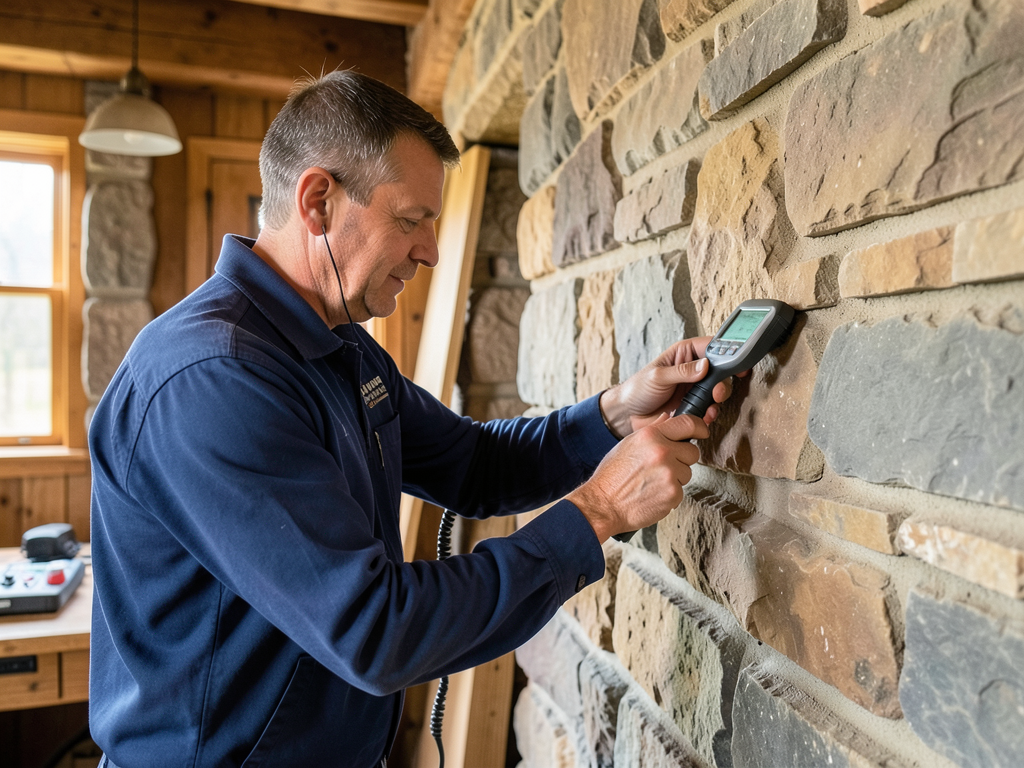
The assessment process includes moisture meter readings at multiple depths in your basement walls, visual inspection of foundation mortar joints, and evaluation of exterior grading and drainage. We also check for signs of efflorescence, that white powdery substance that appears when water carries minerals through your sandstone foundation and leaves them behind as it evaporates. This diagnostic phase is crucial because it helps us identify not just the symptoms but the underlying causes of your moisture problems.
Based on our assessment, we develop a customized waterproofing strategy that might include interior drain tile systems, exterior waterproofing membranes, foundation crack repair, or a combination of these approaches. For Dayton’s Bluff homes, we often recommend solutions that work with the existing sandstone rather than trying to completely replace it, preserving both the structural integrity and historic character of your foundation. Repairing Interior Water Damage from Ice Dams in Minnetonka.
Our waterproofing solutions are designed to provide long-term protection against the specific moisture challenges faced by Dayton’s Bluff homeowners. This means addressing not just current water infiltration but also preventing future problems by managing hydrostatic pressure, improving drainage around your foundation, and creating barriers that work with your home’s unique construction.
Interior Drain Tile Systems and Sump Pump Installation
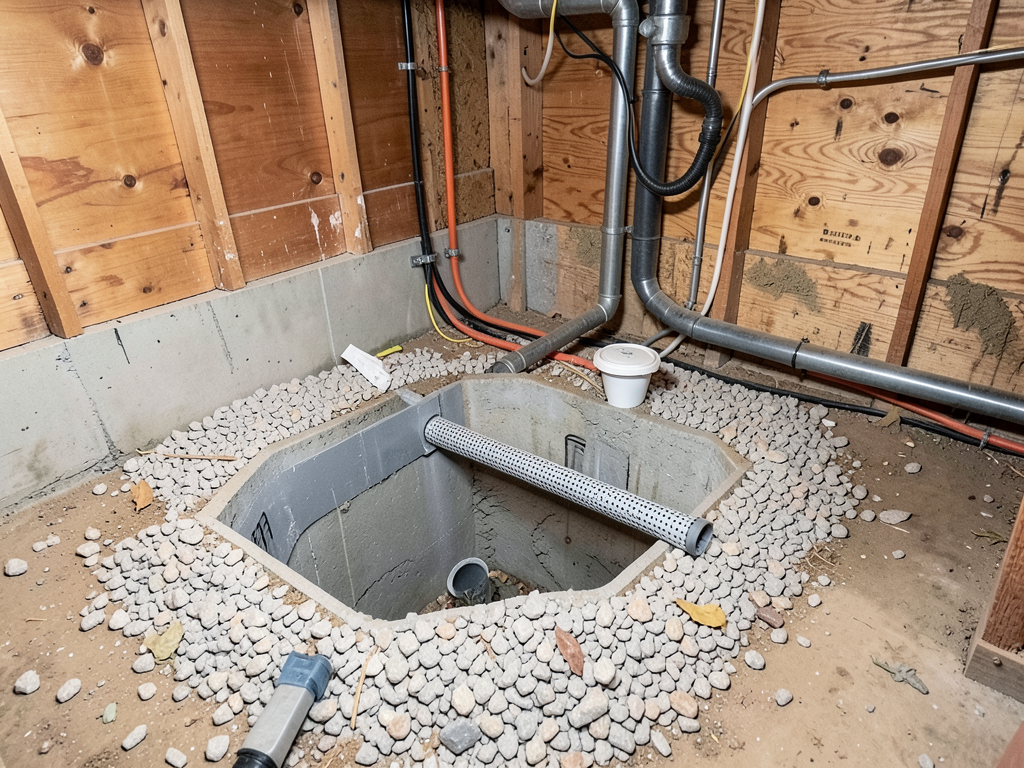
Interior drain tile systems are often the most effective solution for Dayton’s Bluff homes with chronic moisture problems. These systems work by capturing water that enters your basement through the foundation walls or floor and directing it to a sump pump for removal. For sandstone foundations, this approach is particularly valuable because it manages water without requiring extensive exterior excavation that might disturb historic elements of your home.
The installation process involves removing a small section of your basement floor along the perimeter walls, typically about 12-18 inches wide. We then place perforated drain pipe surrounded by clean gravel in this trench. The pipe collects water that would otherwise seep into your basement and channels it toward a sump pit. When water reaches a certain level in the pit, your sump pump activates automatically, pumping the water away from your foundation through a discharge line.
For Dayton’s Bluff’s clay soil conditions, we often recommend high-capacity sump pumps with battery backup systems. The clay soil’s poor drainage means water accumulates slowly but steadily, requiring reliable pumping capacity to keep your basement dry. Battery backup ensures your system continues working during power outages, which often occur during the severe storms that cause the most basement flooding.
The drain tile system we install uses specialized fittings designed to prevent root intrusion and sediment buildup, common problems in older neighborhoods with mature trees. We also seal all connections with waterproof materials specifically tested for compatibility with historic masonry, ensuring your system won’t damage your sandstone foundation while providing maximum protection against moisture infiltration.
Foundation Crack Repair and Exterior Membranes
When foundation cracks are the primary source of moisture problems, targeted crack repair becomes essential. Sandstone foundations develop cracks through natural settling, freeze-thaw cycles, and hydrostatic pressure. These cracks can range from hairline fractures to gaps wide enough to insert a pencil. Our crack repair process begins with cleaning each crack thoroughly to remove loose material, dirt, and any existing sealants that may have failed.
For hairline cracks in sandstone, we use low-pressure injection of specialized epoxy resins that penetrate deep into the foundation material. This epoxy not only seals the crack but also bonds with the surrounding sandstone, creating a stronger area than the original material. For wider cracks, we might use a combination of hydraulic cement and flexible sealants that can accommodate slight movement without failing.
Exterior waterproofing membranes provide another layer of protection for Dayton’s Bluff homes, particularly those on the bluff where groundwater movement is more pronounced. These membranes are applied to the outside of your foundation walls after excavation, creating a barrier that prevents water from ever reaching your foundation. Modern exterior membranes are much more effective than the asphalt-based products available when many Dayton’s Bluff homes were built.
The membrane installation process includes cleaning the foundation walls thoroughly, repairing any visible cracks or damage, and applying a multi-layer waterproofing system. This typically includes a liquid-applied membrane followed by a protective drainage board that channels water down and away from your foundation. We also install a French drain system at the base of the foundation to collect and redirect groundwater before it can build up hydrostatic pressure.
The Importance of Protecting Your Historic Dayton’s Bluff Property
Living in a historic Dayton’s Bluff home means accepting certain responsibilities for preservation while also ensuring your property remains safe and livable. The sandstone foundations that give these homes their character also require specialized care that balances historical integrity with modern moisture protection needs. This is where understanding both the architectural significance and the technical requirements of your foundation becomes crucial.
Many Dayton’s Bluff homeowners worry that waterproofing solutions will damage their home’s historic character. However, modern waterproofing techniques can actually preserve your foundation by preventing the freeze-thaw damage that occurs when water trapped in sandstone freezes and expands. By managing moisture effectively, you’re not just solving an immediate problem but also extending the life of your historic foundation.
The St. Paul Heritage Preservation Commission has specific guidelines for work on historic properties in Dayton’s Bluff. These guidelines generally support moisture mitigation efforts that preserve the structural integrity of historic foundations while maintaining their visible character. Our team works regularly with HPC requirements, ensuring that your waterproofing project meets both technical standards and preservation guidelines.
Beyond the immediate benefits of a dry basement, proper moisture management protects your home’s value and livability. Chronic moisture leads to mold growth, which can cause health problems and expensive remediation costs. It also damages plaster walls, hardwood floors, and other historic features that make Dayton’s Bluff homes unique. By addressing moisture problems proactively, you’re protecting not just your investment but also the character that makes your home special. Expert Mold Remediation for Older Apartments in Uptown Minneapolis.
The cost of waterproofing should be viewed as a preservation investment rather than just a repair expense. Homes with well-maintained foundations and dry basements typically command higher market values and experience fewer unexpected repair costs. Additionally, a dry basement expands your usable living space and eliminates the health risks associated with mold and mildew growth in damp environments.
Why Choose Pioneer Water Damage Restoration for Your Dayton’s Bluff Home
Pioneer Water Damage Restoration brings over 15 years of experience specifically addressing the unique challenges faced by Dayton’s Bluff homeowners. Our team understands that your sandstone foundation isn’t just a structural element but a piece of St. Paul’s architectural heritage. This understanding drives our approach to every project, ensuring we provide solutions that work effectively while respecting your home’s historic character.
Our diagnostic process sets us apart from general contractors who might offer one-size-fits-all waterproofing solutions. We use moisture meters calibrated for historic masonry, thermal imaging cameras to detect hidden moisture patterns, and detailed foundation mapping to identify problem areas specific to your home’s construction and location. This thorough assessment means we can recommend solutions targeted to your actual problems rather than applying generic fixes.
We maintain current certifications with the IICRC (Institute of Inspection, Cleaning and Restoration Certification) and stay updated on the latest techniques for historic foundation preservation. Our team includes specialists who have completed advanced training in moisture mitigation for older homes, giving us expertise that general waterproofing contractors simply don’t possess. This specialized knowledge is particularly valuable in Dayton’s Bluff, where standard solutions often fall short. IICRC.
Our commitment to Dayton’s Bluff homeowners extends beyond individual projects. We maintain relationships with local preservation organizations, understand the specific requirements of the St. Paul Heritage Preservation Commission, and stay informed about neighborhood-wide infrastructure projects that might affect drainage patterns. This community knowledge allows us to provide context-specific recommendations that account for factors beyond your individual property.
We also understand the urgency that moisture problems create for homeowners. Our emergency response team is available 24/7 for situations where water infiltration poses immediate threats to your home’s structure or your family’s health. Whether you’re dealing with active flooding or chronic dampness that’s worsening over time, we can respond quickly with solutions tailored to your specific situation. Dealing with Sewage Backup Cleanup in Your Bloomington Home.
Frequently Asked Questions About Local Basement Waterproofing
How do I know if my sandstone foundation needs waterproofing?
Signs include visible water stains on basement walls, efflorescence (white powdery deposits), musty odors, peeling paint or wallpaper, and actual water pooling during rains. A professional assessment can determine the severity and recommend appropriate solutions.
Will waterproofing damage my home’s historic character?
Modern waterproofing techniques are designed to preserve historic foundations while managing moisture. Interior systems like drain tile don’t require exterior excavation, and exterior solutions can be applied without altering visible architectural features. We work with preservation guidelines to ensure your home’s character remains intact.
How long does waterproofing a sandstone foundation typically take?
Most residential waterproofing projects in Dayton’s Bluff take between 3-7 days, depending on the scope of work. Interior drain tile systems typically require less time than comprehensive exterior waterproofing. We provide detailed timelines during our initial assessment.
What’s the difference between waterproofing and water management?
Waterproofing aims to prevent water from entering your basement entirely, while water management systems control and redirect water that does enter. For many Dayton’s Bluff homes with existing sandstone foundations, a combination of both approaches often provides the most effective long-term solution.
Is waterproofing covered by homeowners insurance?
Standard homeowners insurance typically doesn’t cover preventive waterproofing. However, if water damage results from a covered peril like a burst pipe, the resulting damage might be covered. We can help you understand what aspects of your project might qualify for insurance coverage.
How much does foundation waterproofing cost in Dayton’s Bluff?
Costs vary widely based on your home’s specific needs, foundation condition, and the scope of work required. Interior drain tile systems typically range from $5,000 to $15,000, while comprehensive exterior waterproofing can cost $15,000 to $30,000 or more. We provide detailed estimates after our diagnostic assessment.
Can I waterproof my foundation myself?
While DIY waterproofing products exist, sandstone foundations require specialized knowledge and materials. Improper waterproofing can trap moisture inside your foundation, causing more damage than the original problem. Professional assessment and installation ensure your solution addresses the actual causes of your moisture problems.
How do I maintain my waterproofing system after installation?
Regular maintenance includes checking your sump pump operation quarterly, cleaning gutters and downspouts, monitoring for new foundation cracks, and ensuring exterior grading directs water away from your foundation. We provide detailed maintenance guidelines specific to your system and offer annual inspection services.
What causes efflorescence on my basement walls?
Efflorescence occurs when water moves through your sandstone foundation, dissolving natural minerals in the process. As the water evaporates on the surface, it leaves behind these mineral deposits as a white, powdery substance. While efflorescence itself isn’t harmful, it indicates ongoing moisture infiltration that needs addressing.
How does Dayton’s Bluff’s location on the Mississippi River bluff affect my basement moisture?
The bluff location creates unique drainage patterns where groundwater can flow toward your foundation from multiple directions. The clay soil common in the area doesn’t drain well, causing water to pool around foundations. Additionally, the elevation changes in the neighborhood can create pressure differentials that draw moisture through foundation walls.
Take Action Before Moisture Damages Your Dayton’s Bluff Home
Chronic moisture in your sandstone foundation isn’t just an inconvenience—it’s a threat to your home’s structural integrity and your family’s health. The unique combination of historic sandstone foundations, clay soil, and bluff topography in Dayton’s Bluff creates moisture problems that require specialized knowledge and solutions. Waiting to address these issues only allows the damage to worsen, potentially leading to expensive structural repairs and health hazards from mold growth.
Every day you delay dealing with basement moisture is another day that water is slowly deteriorating your foundation. The freeze-thaw cycles we experience in Minneapolis can turn small foundation cracks into major structural problems. Additionally, the constant moisture creates ideal conditions for mold growth, which can spread throughout your home via your HVAC system and create serious health concerns for your family.
At Pioneer Water Damage Restoration, we understand the specific challenges faced by Dayton’s Bluff homeowners because we’ve been serving this community for over 15 years. Our team combines technical expertise in moisture mitigation with respect for the historic character of your home. We don’t just apply generic solutions—we develop customized strategies that address the root causes of your moisture problems while preserving your home’s architectural integrity.
The first step toward a dry, healthy basement is a professional assessment of your specific situation. We’ll evaluate your foundation condition, identify moisture entry points, and develop a comprehensive plan that addresses both immediate concerns and long-term prevention. Our assessment is thorough, our recommendations are specific to your home, and our solutions are backed by years of experience with Dayton’s Bluff properties.
Don’t let another Minnesota season pass with water damaging your foundation. The spring thaw and summer rains are coming, and they’ll only make existing moisture problems worse. Take control of your home’s health by calling the experts who understand Dayton’s Bluff’s unique challenges. Pick up the phone and call (651) 677-5055 today to schedule your comprehensive foundation assessment. Your home deserves protection that works with its historic character while providing modern moisture protection.
Remember, the cost of professional waterproofing is an investment in your home’s future. It’s far less expensive than dealing with structural damage, mold remediation, or the decreased property value that comes from chronic moisture problems. Call (651) 677-5055 now and take the first step toward a dry, healthy basement that preserves your Dayton’s Bluff home for generations to come.
{
“@context”: “https://schema.org”,
“@type”: “BlogPosting”,
“headline”: “Managing Chronic Moisture in the Sandstone Foundations of Dayton’s Bluff Homes”,
“description”: “Expert guide to handling basement moisture in Dayton’s Bluff’s historic sandstone foundations. Learn about local soil conditions, hydrostatic pressure, and proven waterproofing solutions.”,
“wordCount”: 2905,
“datePublished”: “2026-04-20T07:45:00.000Z”,
“dateModified”: “2026-04-20T07:45:00.000Z”,
“inLanguage”: “en-US”,
“mainEntityOfPage”: {
“@type”: “WebPage”,
“@id”: “https://pioneerwaterdamagerestorationminneapolis.com”
},
“publisher”: {
“@type”: “LocalBusiness”,
“name”: “Pioneer Water Damage Restoration Minneapolis”,
“url”: “https://pioneerwaterdamagerestorationminneapolis.com”
},
“author”: {
“@type”: “Organization”,
“name”: “Pioneer Water Damage Restoration Minneapolis”,
“url”: “https://pioneerwaterdamagerestorationminneapolis.com”
},
“image”: {
“@type”: “ImageObject”,
“url”: “https://pioneerwaterdamagerestorationminneapolis.com/wp-content/uploads/2026/03/managing-chronic-moisture-in-the-sandstone-foundat-1.png”
}
}
{
“@context”: “https://schema.org”,
“@type”: “LocalBusiness”,
“name”: “Pioneer Water Damage Restoration Minneapolis”,
“url”: “https://pioneerwaterdamagerestorationminneapolis.com”,
“address”: {
“@type”: “PostalAddress”,
“addressLocality”: “Minneapolis”
},
“areaServed”: {
“@type”: “City”,
“name”: “Minneapolis”
}
}
{
“@context”: “https://schema.org”,
“@type”: “FAQPage”,
“mainEntity”: [
{
“@type”: “Question”,
“name”: “How do I know if my sandstone foundation needs waterproofing?”,
“acceptedAnswer”: {
“@type”: “Answer”,
“text”: “Signs include visible water stains on basement walls, efflorescence (white powdery deposits), musty odors, peeling paint or wallpaper, and actual water pooling during rains. A professional assessment can determine the severity and recommend appropriate solutions.”
}
},
{
“@type”: “Question”,
“name”: “Will waterproofing damage my home’s historic character?”,
“acceptedAnswer”: {
“@type”: “Answer”,
“text”: “Modern waterproofing techniques are designed to preserve historic foundations while managing moisture. Interior systems like drain tile don’t require exterior excavation, and exterior solutions can be applied without altering visible architectural features. We work with preservation guidelines to ensure your home’s character remains intact.”
}
},
{
“@type”: “Question”,
“name”: “How long does waterproofing a sandstone foundation typically take?”,
“acceptedAnswer”: {
“@type”: “Answer”,
“text”: “Most residential waterproofing projects in Dayton’s Bluff take between 3-7 days, depending on the scope of work. Interior drain tile systems typically require less time than comprehensive exterior waterproofing. We provide detailed timelines during our initial assessment.”
}
},
{
“@type”: “Question”,
“name”: “What’s the difference between waterproofing and water management?”,
“acceptedAnswer”: {
“@type”: “Answer”,
“text”: “Waterproofing aims to prevent water from entering your basement entirely, while water management systems control and redirect water that does enter. For many Dayton’s Bluff homes with existing sandstone foundations, a combination of both approaches often provides the most effective long-term solution.”
}
},
{
“@type”: “Question”,
“name”: “Is waterproofing covered by homeowners insurance?”,
“acceptedAnswer”: {
“@type”: “Answer”,
“text”: “Standard homeowners insurance typically doesn’t cover preventive waterproofing. However, if water damage results from a covered peril like a burst pipe, the resulting damage might be covered. We can help you understand what aspects of your project might qualify for insurance coverage.”
}
},
{
“@type”: “Question”,
“name”: “How much does foundation waterproofing cost in Dayton’s Bluff?”,
“acceptedAnswer”: {
“@type”: “Answer”,
“text”: “Costs vary widely based on your home’s specific needs, foundation condition, and the scope of work required. Interior drain tile systems typically range from $5,000 to $15,000, while comprehensive exterior waterproofing can cost $15,000 to $30,000 or more. We provide detailed estimates after our diagnostic assessment.”
}
},
{
“@type”: “Question”,
“name”: “Can I waterproof my foundation myself?”,
“acceptedAnswer”: {
“@type”: “Answer”,
“text”: “While DIY waterproofing products exist, sandstone foundations require specialized knowledge and materials. Improper waterproofing can trap moisture inside your foundation, causing more damage than the original problem. Professional assessment and installation ensure your solution addresses the actual causes of your moisture problems.”
}
},
{
“@type”: “Question”,
“name”: “How do I maintain my waterproofing system after installation?”,
“acceptedAnswer”: {
“@type”: “Answer”,
“text”: “Regular maintenance includes checking your sump pump operation quarterly, cleaning gutters and downspouts, monitoring for new foundation cracks, and ensuring exterior grading directs water away from your foundation. We provide detailed maintenance guidelines specific to your system and offer annual inspection services.”
}
},
{
“@type”: “Question”,
“name”: “What causes efflorescence on my basement walls?”,
“acceptedAnswer”: {
“@type”: “Answer”,
“text”: “Efflorescence occurs when water moves through your sandstone foundation, dissolving natural minerals in the process. As the water evaporates on the surface, it leaves behind these mineral deposits as a white, powdery substance. While efflorescence itself isn’t harmful, it indicates ongoing moisture infiltration that needs addressing.”
}
}
]
}
{
“@context”: “https://schema.org”,
“@type”: “BreadcrumbList”,
“itemListElement”: [
{
“@type”: “ListItem”,
“position”: 1,
“name”: “Home”,
“item”: “https://pioneerwaterdamagerestorationminneapolis.com”
},
{
“@type”: “ListItem”,
“position”: 2,
“name”: “Blog”,
“item”: “https://pioneerwaterdamagerestorationminneapolis.com/blog”
},
{
“@type”: “ListItem”,
“position”: 3,
“name”: “Managing Chronic Moisture in the Sandstone Foundations of Dayton’s Bluff Homes”
}
]
}
{
“@context”: “https://schema.org”,
“@type”: “Service”,
“serviceType”: “Water Damage Restoration”,
“provider”: {
“@type”: “LocalBusiness”,
“name”: “Pioneer Water Damage Restoration Minneapolis”,
“url”: “https://pioneerwaterdamagerestorationminneapolis.com”
},
“areaServed”: {
“@type”: “City”,
“name”: “Minneapolis”
},
“description”: “Expert guide to handling basement moisture in Dayton’s Bluff’s historic sandstone foundations. Learn about local soil conditions, hydrostatic pressure, and proven waterproofing solutions.”
}