The Connection Between Basement Moisture and Seasonal Allergies in Lake Nokomis
Your basement moisture isn’t just a structural issue. It’s making you sick. In Lake Nokomis where clay-rich soil and high summer humidity create perfect conditions for moisture problems your basement could be the hidden source of your seasonal allergy symptoms. The connection between basement moisture and allergies runs deeper than you might think. It affects not just your comfort but your family’s health.. Read more about Why Your St. Anthony Basement Floods Every Spring (and How to Stop It).
When humidity levels in your basement rise above 60% dust mites multiply rapidly and mold spores begin to colonize damp surfaces. These microscopic allergens don’t stay in the basement. They travel upward through your home via the stack effect where warm air rises and carries contaminants with it. This means the sneezing coughing and itchy eyes you experience upstairs might actually originate from problems below your feet.
Lake Nokomis homes face unique challenges due to Minnesota’s extreme climate. Our clay soil expands when wet and contracts when dry creating pressure against foundation walls that leads to hairline cracks. During spring thaw when snow melts rapidly and ground saturation is at its peak water finds these entry points and creates the perfect breeding ground for allergy-triggering organisms. Immediate Water Damage Mitigation for Downtown Minneapolis Businesses.
The science is clear. Basement humidity levels between 30-50% create an environment where dust mites cannot survive and mold growth is inhibited. Above 60% these allergens thrive. In Lake Nokomis where summer dew points regularly exceed 70°F maintaining proper humidity becomes a constant battle without professional intervention.
Your basement might be making you sick if you notice these warning signs. A persistent musty odor visible condensation on pipes or walls warped wood flooring on the main level above or allergy symptoms that worsen when you’re at home. These symptoms often intensify during seasonal transitions when temperature and humidity fluctuations are most extreme.
The good news is that basement moisture problems have specific identifiable causes and proven solutions. Understanding the connection between your home’s foundation and your family’s health is the first step toward creating a healthier living environment in your Lake Nokomis home.. Read more about The Most Effective Ways to Prevent Foundation Leaks in Willard-Hay Homes.
The Science of Sickness: How Basement Moisture Triggers Allergies
Mold spores and dust mites are the primary culprits behind basement-related allergies. Mold reproduces by releasing microscopic spores that float through the air like invisible seeds. When these spores land on damp surfaces in your basement they begin growing within 24-48 hours. Common varieties include Aspergillus Penicillium and in severe cases Stachybotrys chartarum (black mold).
Dust mites meanwhile don’t drink water. They absorb moisture directly from the air. When relative humidity exceeds 60% dust mite populations can double every 2-3 weeks. These tiny creatures and their waste products become airborne and trigger allergic reactions in sensitive individuals.
The musty smell often associated with basements isn’t just unpleasant. It’s a warning sign. That odor comes from microbial volatile organic compounds (mVOCs) released by actively growing mold. These compounds can cause respiratory irritation even in people who aren’t specifically allergic to mold spores.
Common allergy symptoms linked to basement moisture include sneezing runny nose itchy eyes coughing postnasal drip and in severe cases asthma attacks. Children and elderly family members are particularly vulnerable to these health impacts.
Understanding this connection helps explain why your symptoms might improve when you leave home for extended periods. The allergens accumulate in your living space until professional remediation removes the moisture source and cleans contaminated materials. Expert Mold Remediation for Older Apartments in Uptown Minneapolis.
Minneapolis Specifics: Why Twin Cities Basements are Prone to Moisture
Minnesota’s climate creates perfect conditions for basement moisture problems. Our state experiences some of the most extreme temperature swings in the continental United States with winter lows reaching -30°F and summer highs exceeding 95°F. This freeze-thaw cycle causes soil expansion and contraction that stresses foundation walls.
Lake Nokomis sits on clay-rich soil that’s particularly problematic. Clay soil has poor drainage characteristics and expands significantly when saturated. During spring thaw when the ground is still frozen below the surface but snow is melting above water has nowhere to go. It accumulates around your foundation creating hydrostatic pressure that forces water through even the smallest cracks.
The frost line in Minneapolis extends to 60 inches or more meaning foundations must be built well below this depth to prevent frost heave. However this deep foundation placement also means your basement walls are in constant contact with moisture-laden soil for much of the year.
Minneapolis building code 249.40 addresses lead-based paint concerns during restoration of pre-1978 buildings but moisture management remains a critical issue for all homes regardless of age. Many Lake Nokomis homes were built between 1920-1960 using construction methods that didn’t account for modern moisture control standards.
Summer humidity in the Twin Cities regularly reaches 85-90% relative humidity. When this moist air contacts cool basement walls which remain around 55-60°F year-round condensation forms. This creates the damp conditions mold and dust mites need to thrive.
Identifying the Red Flags: Symptoms and Structural Signs
Your body often signals basement moisture problems before you see visible damage. Watch for these health indicators. Increased allergy symptoms at home that improve when you’re away frequent respiratory infections unexplained fatigue or headaches that worsen in certain rooms.
Structural signs of moisture problems include efflorescence (white chalky deposits on concrete walls) peeling paint or wallpaper warped wood trim rusted metal fixtures and condensation on windows or pipes. These visual cues indicate moisture levels that support allergen growth.
Using a hygrometer to measure relative humidity is the most accurate way to assess your basement’s moisture status. Readings consistently above 60% indicate conditions favorable for allergen proliferation. Digital hygrometers are inexpensive and provide immediate feedback about humidity levels.
The stack effect explains how basement air moves through your home. Warm air rises from your basement carrying moisture and allergens with it. This creates negative pressure that draws more air from the basement creating a continuous cycle of contamination throughout your living space.
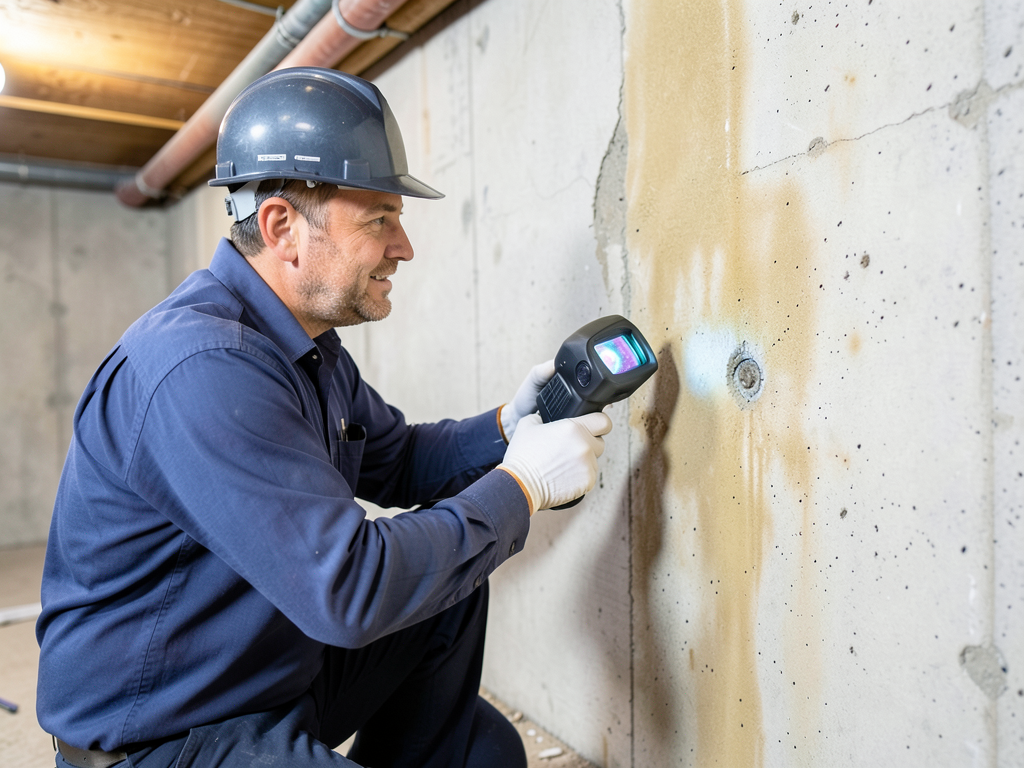
Professional moisture mapping uses thermal imaging cameras to detect temperature variations that indicate moisture presence. Cool spots on walls or floors often reveal hidden water intrusion that isn’t visible to the naked eye.
Common moisture entry points include foundation cracks cove joints (where walls meet floors) window wells and around utility penetrations. Each requires different remediation approaches based on the specific failure mode.
Professional Solutions for a Healthier Home
Professional moisture assessment begins with comprehensive inspection using moisture meters thermal imaging and humidity monitoring. This diagnostic approach identifies not just visible problems but also hidden moisture sources that contribute to ongoing issues.
IICRC S500 standards guide professional water damage restoration establishing protocols for moisture removal contamination control and verification of successful remediation. These standards ensure thorough effective treatment of basement moisture problems.
Dehumidification systems designed for basement environments operate continuously to maintain optimal humidity levels. Professional-grade units remove 70-100 pints of water daily far exceeding the capacity of standard residential dehumidifiers.
Sump pump systems provide active water removal when groundwater levels rise. Modern systems include battery backup to maintain operation during power outages which often occur during severe storms when pumping needs are highest.
Foundation repair might be necessary when structural cracks allow water intrusion. Epoxy injection seals hairline cracks while more severe damage might require wall stabilization or exterior waterproofing membranes. EPA Mold Resources.
Air scrubbing and HEPA filtration remove airborne contaminants during remediation. These systems capture particles as small as 0.3 microns including mold spores and dust mite debris that standard filters miss.
Preventive maintenance includes regular gutter cleaning proper grading away from foundation walls and inspection of downspout extensions. These simple measures significantly reduce moisture load on your basement.
DIY vs. Professional Remediation: Making the Right Choice
DIY approaches work for minor condensation issues but fall short when dealing with active water intrusion or established mold colonies. Understanding when to call professionals can save you time money and health problems. Dealing with Sewage Backup Cleanup in Your Bloomington Home.
Surface cleaning with bleach might temporarily improve appearance but doesn’t address underlying moisture problems. Bleach evaporates too quickly to penetrate porous materials where mold actually grows leaving roots intact to regrow.
Professional remediation follows a systematic approach. Identify moisture source contain affected area remove contaminated materials clean and disinfect dry structure and verify results. This comprehensive method ensures lasting results.
Cost considerations favor professional intervention for extensive problems. While DIY might seem cheaper initially incomplete remediation often leads to recurring issues that cost more to fix later.
Insurance coverage varies by policy and cause of damage. Sudden pipe bursts are typically covered while gradual seepage from poor drainage often isn’t. Professional documentation helps with insurance claims when coverage applies.
Time factors matter significantly. Professional teams can complete most residential basement remediations in 3-5 days while DIY approaches often stretch into weeks or months with uncertain results.
Prevention Strategies for Lake Nokomis Homes
Seasonal maintenance schedules help prevent moisture problems before they start. Spring inspection should check for winter damage while fall preparation focuses on winterizing vulnerable systems.
Landscaping modifications can dramatically reduce moisture load. Grade soil to slope away from foundation walls at 1/2 inch per foot for at least 6 feet. This simple change directs water away from your basement.
Gutter and downspout maintenance prevents roof water from saturating soil near foundations. Clean gutters twice yearly and ensure downspouts extend at least 6 feet from your foundation.
Window well covers prevent rain and snow from accumulating against basement windows. Choose covers that allow ventilation while keeping bulk water out.
Interior drainage systems provide backup protection when exterior measures aren’t sufficient. French drains and interior footing drains collect water that penetrates foundation walls and direct it to sump pumps. Repairing Interior Water Damage from Ice Dams in Minnetonka.
Humidity monitoring with smart home devices provides early warning of developing problems. Modern sensors send alerts when humidity exceeds preset thresholds allowing intervention before damage occurs.
Professional inspections every 2-3 years identify developing issues before they become major problems. This proactive approach often costs less than emergency remediation of advanced damage. Finding Fast Emergency Water Removal in the North Loop Neighborhood.
Health Recovery After Moisture Remediation
Health improvements typically begin within days of successful moisture remediation. Many clients report better sleep reduced allergy symptoms and increased energy as indoor air quality improves.
Air quality testing after remediation verifies that allergen levels have returned to normal ranges. This testing provides documentation of successful intervention and peace of mind for sensitive family members.
Deep cleaning of living spaces removes residual allergens that settled during the moisture problem. This includes washing bedding cleaning HVAC ducts and replacing air filters.
Monitoring humidity levels helps prevent recurrence. Digital hygrometers in multiple rooms provide comprehensive coverage of your home’s moisture status.
Seasonal adjustments might be necessary as outdoor conditions change. Winter heating can dry air excessively while summer humidity requires increased dehumidification.
Family members with severe allergies might benefit from additional air purification in bedrooms. HEPA air purifiers provide extra protection during recovery and beyond.
Documentation of remediation work helps track patterns over time. This information proves valuable for identifying recurring issues or seasonal vulnerabilities.
Local Resources and Support
Lake Nokomis residents have access to specialized restoration services familiar with local soil conditions and building patterns. Local companies understand the specific challenges posed by our climate and geology.
Minneapolis Building Inspection provides guidelines for moisture-related repairs and renovations. Their staff can advise on permit requirements for structural modifications.
Local hardware stores stock products specifically selected for our climate conditions. Staff often provide valuable advice based on experience with similar local projects.
Neighborhood associations sometimes coordinate bulk purchases of preventive materials or share information about reliable service providers.
Online forums for Lake Nokomis residents offer peer support and recommendations based on real experiences with local service providers.
Local universities occasionally conduct research on building performance in our specific climate providing cutting-edge information about moisture management strategies.
Professional associations like the Minnesota Building Performance Association offer resources and referrals for specialized moisture assessment services.
Taking Action: Your Next Steps
Don’t wait for allergy symptoms to become severe or structural damage to worsen. Early intervention prevents health problems and reduces remediation costs.
Start with a comprehensive moisture assessment to understand your specific situation. Every home has unique vulnerabilities based on construction soil conditions and local climate factors.
Develop a remediation plan that addresses both immediate symptoms and underlying causes. Band-aid solutions might provide temporary relief but won’t solve chronic problems.
Consider your family’s health priorities when making remediation decisions. Some solutions cost more initially but provide better long-term protection for sensitive individuals.
Factor in your home’s value and your plans for staying in the property. Longer-term residents might justify more extensive preventive measures.
Ask about warranties and guarantees when selecting service providers. Quality companies stand behind their work with meaningful assurances.
Request references from local customers with similar homes and problems. Local experience matters significantly for effective moisture remediation.
Call (651) 677-5055 today to schedule your basement moisture assessment. Our Lake Nokomis specialists understand local conditions and can provide targeted solutions for your specific situation.
Frequently Asked Questions
How can I tell if my basement moisture is causing my allergies?
If your allergy symptoms improve when you’re away from home for several days but worsen upon return basement moisture might be the culprit. Look for musty odors visible condensation or water stains as additional indicators.
What humidity level should I maintain in my basement to prevent allergies?
Maintain relative humidity between 30-50% in your basement. Levels above 60% create conditions favorable for dust mites and mold growth while levels below 30% can cause structural issues with wood and cause discomfort.
How long does professional basement moisture remediation take?
Most residential basement moisture remediation projects take 3-5 days depending on the extent of the problem. This includes assessment remediation drying and verification of results.
Will my insurance cover basement moisture remediation?
Coverage depends on your specific policy and the cause of moisture. Sudden pipe bursts are typically covered while gradual seepage from poor drainage often isn’t. Check your policy or consult with your insurance provider.
Can I stay in my home during basement moisture remediation?
In most cases yes. Professional remediation companies use containment procedures to isolate work areas. However sensitive individuals might prefer temporary relocation during intensive remediation work. For more information, visit CDC Mold Information.
{
“@context”: “https://schema.org”,
“@type”: “BlogPosting”,
“headline”: “The Connection Between Basement Moisture and Seasonal Allergies in Lake Nokomis”,
“description”: “Discover how basement moisture triggers allergies in Lake Nokomis homes. Learn to identify warning signs and find effective solutions for healthier indoor air.”,
“wordCount”: 2395,
“datePublished”: “2026-03-15T13:46:00.000Z”,
“dateModified”: “2026-03-15T13:46:00.000Z”,
“inLanguage”: “en-US”,
“mainEntityOfPage”: {
“@type”: “WebPage”,
“@id”: “https://pioneerwaterdamagerestorationminneapolis.com”
},
“publisher”: {
“@type”: “LocalBusiness”,
“name”: “Pioneer Water Damage Restoration Minneapolis”,
“url”: “https://pioneerwaterdamagerestorationminneapolis.com”
},
“author”: {
“@type”: “Organization”,
“name”: “Pioneer Water Damage Restoration Minneapolis”,
“url”: “https://pioneerwaterdamagerestorationminneapolis.com”
},
“image”: {
“@type”: “ImageObject”,
“url”: “https://pioneerwaterdamagerestorationminneapolis.com/wp-content/uploads/2026/03/the-connection-between-basement-moisture-and-seaso-1.png”
}
}
{
“@context”: “https://schema.org”,
“@type”: “LocalBusiness”,
“name”: “Pioneer Water Damage Restoration Minneapolis”,
“url”: “https://pioneerwaterdamagerestorationminneapolis.com”,
“address”: {
“@type”: “PostalAddress”,
“addressLocality”: “Minneapolis”
},
“areaServed”: {
“@type”: “City”,
“name”: “Minneapolis”
}
}
{
“@context”: “https://schema.org”,
“@type”: “FAQPage”,
“mainEntity”: [
{
“@type”: “Question”,
“name”: “How can I tell if my basement moisture is causing my allergies?”,
“acceptedAnswer”: {
“@type”: “Answer”,
“text”: “If your allergy symptoms improve when you’re away from home for several days but worsen upon return basement moisture might be the culprit. Look for musty odors visible condensation or water stains as additional indicators.”
}
},
{
“@type”: “Question”,
“name”: “What humidity level should I maintain in my basement to prevent allergies?”,
“acceptedAnswer”: {
“@type”: “Answer”,
“text”: “Maintain relative humidity between 30-50% in your basement. Levels above 60% create conditions favorable for dust mites and mold growth while levels below 30% can cause structural issues with wood and cause discomfort.”
}
},
{
“@type”: “Question”,
“name”: “How long does professional basement moisture remediation take?”,
“acceptedAnswer”: {
“@type”: “Answer”,
“text”: “Most residential basement moisture remediation projects take 3-5 days depending on the extent of the problem. This includes assessment remediation drying and verification of results.”
}
},
{
“@type”: “Question”,
“name”: “Will my insurance cover basement moisture remediation?”,
“acceptedAnswer”: {
“@type”: “Answer”,
“text”: “Coverage depends on your specific policy and the cause of moisture. Sudden pipe bursts are typically covered while gradual seepage from poor drainage often isn’t. Check your policy or consult with your insurance provider.”
}
},
{
“@type”: “Question”,
“name”: “Can I stay in my home during basement moisture remediation?”,
“acceptedAnswer”: {
“@type”: “Answer”,
“text”: “In most cases yes. Professional remediation companies use containment procedures to isolate work areas. However sensitive individuals might prefer temporary relocation during intensive remediation work. For more information, visit CDC Mold Information.”
}
}
]
}
{
“@context”: “https://schema.org”,
“@type”: “BreadcrumbList”,
“itemListElement”: [
{
“@type”: “ListItem”,
“position”: 1,
“name”: “Home”,
“item”: “https://pioneerwaterdamagerestorationminneapolis.com”
},
{
“@type”: “ListItem”,
“position”: 2,
“name”: “Blog”,
“item”: “https://pioneerwaterdamagerestorationminneapolis.com/blog”
},
{
“@type”: “ListItem”,
“position”: 3,
“name”: “The Connection Between Basement Moisture and Seasonal Allergies in Lake Nokomis”
}
]
}
{
“@context”: “https://schema.org”,
“@type”: “Service”,
“serviceType”: “Water Damage Restoration”,
“provider”: {
“@type”: “LocalBusiness”,
“name”: “Pioneer Water Damage Restoration Minneapolis”,
“url”: “https://pioneerwaterdamagerestorationminneapolis.com”
},
“areaServed”: {
“@type”: “City”,
“name”: “Minneapolis”
},
“description”: “Discover how basement moisture triggers allergies in Lake Nokomis homes. Learn to identify warning signs and find effective solutions for healthier indoor air.”
}