The Surprising Connection Between Basement Water and Radon Levels in Twin Cities Homes
Water seeping into your Minneapolis basement isn’t just a structural problem. It can also be a pathway for radon gas to enter your home. The same cracks and gaps that allow moisture intrusion often provide entry points for this invisible radioactive gas. Understanding this connection is crucial for Twin Cities homeowners because our region’s high radon levels combined with frequent basement moisture issues create a dual health and safety concern. Immediate Water Damage Mitigation for Downtown Minneapolis Businesses.
The relationship between water and radon in Minneapolis homes centers on soil pressure and foundation integrity. When hydrostatic pressure builds from heavy spring rains or melting snow, it forces water through foundation cracks. That same pressure drives radon gas upward through the same pathways. The stack effect in Minnesota homes intensifies this problem. As heated indoor air rises during our long winters, it creates negative pressure that actively pulls soil gases including radon into basements through any available opening. Minnesota Department of Health radon program.
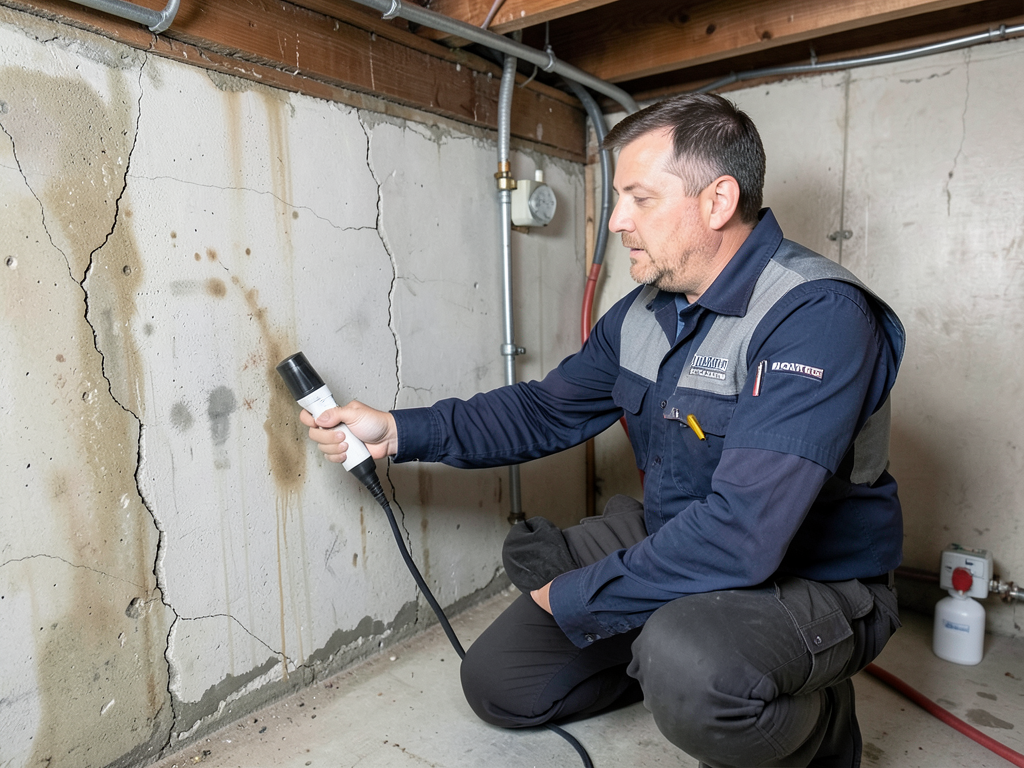
Image: Cross-section diagram showing how hydrostatic pressure forces both water and radon through foundation cracks into a basement Server Room Water Damage.
The Physics of Entry: Hydrostatic Pressure and Soil Gas
Minneapolis sits on glacial till soil composed of clay, sand, and gravel deposited by ancient ice sheets. This soil composition creates unique challenges for homeowners. Clay soils expand when wet and contract when dry, putting tremendous pressure on foundation walls. The Mississippi River valley and areas near the Chain of Lakes have particularly high water tables that exacerbate these pressure issues. Water Damage Restoration Rochester.
Radon forms naturally from uranium decay in soil and bedrock. In Hennepin County, radon levels average 4.6 pCi/L, with many areas exceeding the EPA action level of 4.0 pCi/L. The Minnesota Department of Health tracks these statistics through their Gold Standard program, which certifies radon measurement professionals. EPA radon information.
Common entry points for both water and radon include: Water Damage Restoration Eagan.
- Cove joints where walls meet floors
- Floor cracks from settling
- Sump pump basins without proper seals
- Floor drains with missing traps
- Block cores in concrete block foundations
- Pipe penetrations around utility lines
Why Minneapolis Homes Are at Higher Risk for Radon Seepage
The Twin Cities climate creates conditions that amplify both moisture and radon problems. Our freeze-thaw cycles cause foundation materials to expand and contract repeatedly. This movement creates new cracks and widens existing ones each winter. When spring arrives with melting snow and heavy rains, water pressure increases dramatically.
Ice dams on older Minneapolis roofs contribute to basement moisture issues. When ice backs up under shingles, melting water can travel down walls and pool at foundation bases. This concentrated moisture increases hydrostatic pressure against foundation walls.
Older homes in neighborhoods like Northeast Minneapolis and the North Loop often have stone or brick foundations that are more porous than modern concrete. These materials allow both water and soil gases to pass through more easily. The University of Minnesota Twin Cities campus area has many historic homes with these foundation types.
According to the Minnesota Department of Health, homes built before 1970 in Hennepin County have a 40% chance of having radon levels above the EPA action level. When these homes also have moisture problems, the risk compounds significantly.

Image: Technician using a continuous radon monitor in a Minneapolis basement with visible moisture stains on foundation walls
Health Risks: The Compounding Effect of Mold and Radon Gas
Moisture in basements creates ideal conditions for mold growth. When relative humidity exceeds 60%, mold spores can germinate within 24-48 hours. Common Minneapolis basement molds include Aspergillus, Penicillium, and Stachybotrys (black mold).
The health impact of combined moisture and radon exposure is particularly concerning. Radon is the second leading cause of lung cancer in the United States, responsible for approximately 21,000 deaths annually according to the EPA. When radon levels are elevated, the risk increases significantly for smokers and former smokers.
Mold exposure can cause respiratory issues, allergic reactions, and asthma exacerbation. The combination of mold spores and radon gas in poorly ventilated basements creates a particularly hazardous environment for vulnerable individuals including children, elderly residents, and those with compromised immune systems.
The Minnesota Department of Health recommends testing for both radon and moisture issues when either problem is detected. Homes with persistent basement moisture should be tested more frequently, as water pressure fluctuations can cause radon levels to vary significantly with weather conditions.
Identifying the Signs of Moisture-Driven Radon Entry
Recognizing the warning signs of moisture and potential radon entry can help Minneapolis homeowners take action before problems escalate. Visual indicators of moisture problems include:
- Efflorescence (white mineral deposits) on foundation walls
- Damp spots or water stains on walls or floors
- Musty odors indicating mold growth
- Crack patterns in foundation walls or floors
- Condensation on pipes or windows
Radon is invisible and odorless, making testing the only reliable detection method. However, certain conditions suggest higher radon risk:
- Homes with basements or slab-on-grade construction
- Properties near areas with known high radon levels
- Homes with crawl spaces or dirt floor basements
- Properties with recent foundation work or settling
The Minnesota Department of Health provides radon test kits through their website and local hardware stores. Short-term tests take 2-7 days while long-term tests (90+ days) provide more accurate year-round averages.
Integrated Solutions: Waterproofing and Mitigation Strategies
Addressing both moisture and radon requires an integrated approach. Simple waterproofing without radon mitigation can actually increase radon levels by creating negative pressure differentials. Conversely, radon mitigation without addressing water issues can lead to system failures and continued moisture damage.
Effective integrated solutions include:
- Comprehensive Assessment
Professional inspection identifies all moisture entry points and radon pathways using moisture meters, thermal imaging, and radon detection equipment.
- Water Management
Installation of interior drain tile systems, sump pumps with sealed lids, and exterior waterproofing membranes to control hydrostatic pressure. Repairing Interior Water Damage from Ice Dams in Minnetonka.
- Foundation Repair
Crack injection with epoxy or polyurethane sealants to block both water and soil gas entry.
- Radon Mitigation
Sub-slab depressurization systems with properly sealed sump pits and vapor barriers to create negative pressure under the foundation.
- Moisture Control
Dehumidification systems maintaining 30-50% relative humidity and proper ventilation to prevent condensation and mold growth.
Sump pump basins require special attention in radon mitigation. Standard sump pits can be major radon entry points. Radon-ready sump lids with sealed discharge pipes prevent gas entry while maintaining proper water drainage. The Minnesota Department of Health recommends these sealed systems for all homes undergoing radon mitigation.
Vapor barriers on crawl space floors and basement walls prevent moisture migration and provide an additional barrier to soil gas entry. Heavy-duty polyethylene sheeting with sealed seams creates an effective moisture and radon barrier when properly installed.
Professional Testing: When to Call a Minneapolis Specialist
While DIY test kits are available, professional testing provides more accurate results and comprehensive assessment. Certified radon measurement professionals in Minnesota must complete training through the Minnesota Department of Health and maintain current certification.
Professional testing is recommended when:
- Buying or selling a home in Hennepin County
- Remodeling or finishing a basement
- Experiencing persistent moisture problems
- Living in an area with known high radon levels
- Having respiratory health concerns
Professional inspectors use continuous radon monitors that provide hourly readings and can detect fluctuations caused by weather, ventilation changes, or HVAC operation. This data helps determine if mitigation is necessary and what type of system will be most effective.
For moisture assessment, professionals use moisture meters that measure water content in wood and drywall, thermal imaging cameras to detect temperature variations indicating moisture, and hygrometers to measure relative humidity levels. These tools identify problem areas that might not be visible to homeowners.
The cost of professional testing varies but typically ranges from $150-300 for radon testing and $200-400 for comprehensive moisture assessment. Many companies offer combined testing packages for both issues.
Image: Side-by-side comparison showing before and after installation of integrated waterproofing and radon mitigation system in a Minneapolis basement
Maintaining Your Protection Systems
After installation of waterproofing and radon mitigation systems, regular maintenance ensures continued protection. Sump pumps should be tested quarterly by pouring water into the pit to verify automatic activation. Battery backup systems should be tested monthly.
Radon mitigation systems require annual inspections to check fan operation, inspect seals, and verify system pressure readings. Most systems include a manometer that shows whether the system is creating proper suction under the foundation.
Dehumidifiers need regular filter cleaning and coil maintenance to operate efficiently. Collection buckets should be emptied regularly, and drain lines should be checked for clogs that could cause overflow.
Homeowners should monitor basement humidity levels using a hygrometer, aiming to maintain relative humidity between 30-50%. Levels consistently above 60% indicate potential moisture problems requiring attention.
Foundation cracks should be inspected annually for new development or widening. Small cracks can be sealed with appropriate sealants, while larger cracks may require professional repair to prevent water and radon entry.
Frequently Asked Questions
Can basement waterproofing increase radon levels?
Yes, if not properly integrated with radon mitigation. Waterproofing can create negative pressure that draws more radon into the home. Always test radon levels after waterproofing and install mitigation if needed.
How often should I test for radon in my Minneapolis home?
The Minnesota Department of Health recommends testing every 2-5 years for homes without mitigation systems. Test more frequently if you’ve made foundation changes, experienced water problems, or live in a high-radon area.
Does radon mitigation affect my sump pump’s ability to handle spring flooding?
No, when properly installed. Radon-ready sump lids are designed to seal around the discharge pipe while allowing normal pump operation. The system actually helps by reducing hydrostatic pressure under the slab.
Are certain Minneapolis neighborhoods more prone to radon and moisture issues?
Yes. Areas near the Mississippi River, Chain of Lakes, and low-lying sections of Minneapolis generally have higher water tables and radon levels. Older neighborhoods with pre-1970 construction also face increased risks.
What’s the cost difference between fixing water problems versus radon problems?
Waterproofing typically costs $2,000-10,000 depending on the scope, while radon mitigation averages $800-2,500. Many companies offer combined solutions that address both issues simultaneously, often at a lower total cost than separate treatments.
Understanding the connection between basement water and radon levels is essential for Minneapolis homeowners. These related problems require integrated solutions that address both moisture control and soil gas entry. By taking a comprehensive approach to basement protection, you can create a healthier, drier living environment while reducing your exposure to radon gas.. Read more about Understanding the Chemicals and VOCs Released by Water Damaged Materials in Your Eagan Home.
Don’t wait until water damage or high radon levels create serious health and structural problems. Call (651) 677-5055 today to schedule your professional inspection and take the first step toward a safer, healthier basement.
{
“@context”: “https://schema.org”,
“@type”: “BlogPosting”,
“headline”: “The Surprising Connection Between Basement Water and Radon Levels in Twin Cities Homes”,
“description”: “Learn how basement moisture and radon gas are linked in Minneapolis homes. Discover local risks, warning signs, and professional solutions for water and radon problems.”,
“wordCount”: 1801,
“datePublished”: “2026-06-03T07:45:00.000Z”,
“dateModified”: “2026-06-03T07:45:00.000Z”,
“inLanguage”: “en-US”,
“mainEntityOfPage”: {
“@type”: “WebPage”,
“@id”: “https://pioneerwaterdamagerestorationminneapolis.com”
},
“publisher”: {
“@type”: “LocalBusiness”,
“name”: “Pioneer Water Damage Restoration Minneapolis”,
“url”: “https://pioneerwaterdamagerestorationminneapolis.com”
},
“author”: {
“@type”: “Organization”,
“name”: “Pioneer Water Damage Restoration Minneapolis”,
“url”: “https://pioneerwaterdamagerestorationminneapolis.com”
},
“image”: {
“@type”: “ImageObject”,
“url”: “https://pioneerwaterdamagerestorationminneapolis.com/wp-content/uploads/2026/03/the-surprising-connection-between-basement-water-a-1.png”
}
}
{
“@context”: “https://schema.org”,
“@type”: “LocalBusiness”,
“name”: “Pioneer Water Damage Restoration Minneapolis”,
“url”: “https://pioneerwaterdamagerestorationminneapolis.com”,
“address”: {
“@type”: “PostalAddress”,
“addressLocality”: “Minneapolis”
},
“areaServed”: {
“@type”: “City”,
“name”: “Minneapolis”
}
}
{
“@context”: “https://schema.org”,
“@type”: “FAQPage”,
“mainEntity”: [
{
“@type”: “Question”,
“name”: “Can basement waterproofing increase radon levels?”,
“acceptedAnswer”: {
“@type”: “Answer”,
“text”: “Yes, if not properly integrated with radon mitigation. Waterproofing can create negative pressure that draws more radon into the home. Always test radon levels after waterproofing and install mitigation if needed.”
}
},
{
“@type”: “Question”,
“name”: “How often should I test for radon in my Minneapolis home?”,
“acceptedAnswer”: {
“@type”: “Answer”,
“text”: “The Minnesota Department of Health recommends testing every 2-5 years for homes without mitigation systems. Test more frequently if you’ve made foundation changes, experienced water problems, or live in a high-radon area.”
}
},
{
“@type”: “Question”,
“name”: “Does radon mitigation affect my sump pump’s ability to handle spring flooding?”,
“acceptedAnswer”: {
“@type”: “Answer”,
“text”: “No, when properly installed. Radon-ready sump lids are designed to seal around the discharge pipe while allowing normal pump operation. The system actually helps by reducing hydrostatic pressure under the slab.”
}
},
{
“@type”: “Question”,
“name”: “Are certain Minneapolis neighborhoods more prone to radon and moisture issues?”,
“acceptedAnswer”: {
“@type”: “Answer”,
“text”: “Yes. Areas near the Mississippi River, Chain of Lakes, and low-lying sections of Minneapolis generally have higher water tables and radon levels. Older neighborhoods with pre-1970 construction also face increased risks.”
}
},
{
“@type”: “Question”,
“name”: “What’s the cost difference between fixing water problems versus radon problems?”,
“acceptedAnswer”: {
“@type”: “Answer”,
“text”: “Waterproofing typically costs $2,000-10,000 depending on the scope, while radon mitigation averages $800-2,500. Many companies offer combined solutions that address both issues simultaneously, often at a lower total cost than separate treatments.”
}
}
]
}
{
“@context”: “https://schema.org”,
“@type”: “HowTo”,
“name”: “Integrated Basement Protection Process”,
“step”: [
{
“@type”: “HowToStep”,
“position”: 1,
“name”: “Comprehensive Assessment”,
“text”: “Professional inspection identifies all moisture entry points and radon pathways using moisture meters, thermal imaging, and radon detection equipment.”
},
{
“@type”: “HowToStep”,
“position”: 2,
“name”: “Water Management”,
“text”: “Installation of interior drain tile systems, sump pumps with sealed lids, and exterior waterproofing membranes to control hydrostatic pressure. Repairing Interior Water Damage from Ice Dams in Minnetonka.”
},
{
“@type”: “HowToStep”,
“position”: 3,
“name”: “Foundation Repair”,
“text”: “Crack injection with epoxy or polyurethane sealants to block both water and soil gas entry.”
},
{
“@type”: “HowToStep”,
“position”: 4,
“name”: “Radon Mitigation”,
“text”: “Sub-slab depressurization systems with properly sealed sump pits and vapor barriers to create negative pressure under the foundation.”
},
{
“@type”: “HowToStep”,
“position”: 5,
“name”: “Moisture Control”,
“text”: “Dehumidification systems maintaining 30-50% relative humidity and proper ventilation to prevent condensation and mold growth.”
}
],
“image”: “https://pioneerwaterdamagerestorationminneapolis.com/wp-content/uploads/2026/03/the-surprising-connection-between-basement-water-a-1.png”
}
{
“@context”: “https://schema.org”,
“@type”: “BreadcrumbList”,
“itemListElement”: [
{
“@type”: “ListItem”,
“position”: 1,
“name”: “Home”,
“item”: “https://pioneerwaterdamagerestorationminneapolis.com”
},
{
“@type”: “ListItem”,
“position”: 2,
“name”: “Blog”,
“item”: “https://pioneerwaterdamagerestorationminneapolis.com/blog”
},
{
“@type”: “ListItem”,
“position”: 3,
“name”: “The Surprising Connection Between Basement Water and Radon Levels in Twin Cities Homes”
}
]
}
{
“@context”: “https://schema.org”,
“@type”: “Service”,
“serviceType”: “Water Damage Restoration”,
“provider”: {
“@type”: “LocalBusiness”,
“name”: “Pioneer Water Damage Restoration Minneapolis”,
“url”: “https://pioneerwaterdamagerestorationminneapolis.com”
},
“areaServed”: {
“@type”: “City”,
“name”: “Minneapolis”
},
“description”: “Learn how basement moisture and radon gas are linked in Minneapolis homes. Discover local risks, warning signs, and professional solutions for water and radon problems.”
}