What to Do When Your Industrial Loft in the North Loop Suffers a Pipe Burst
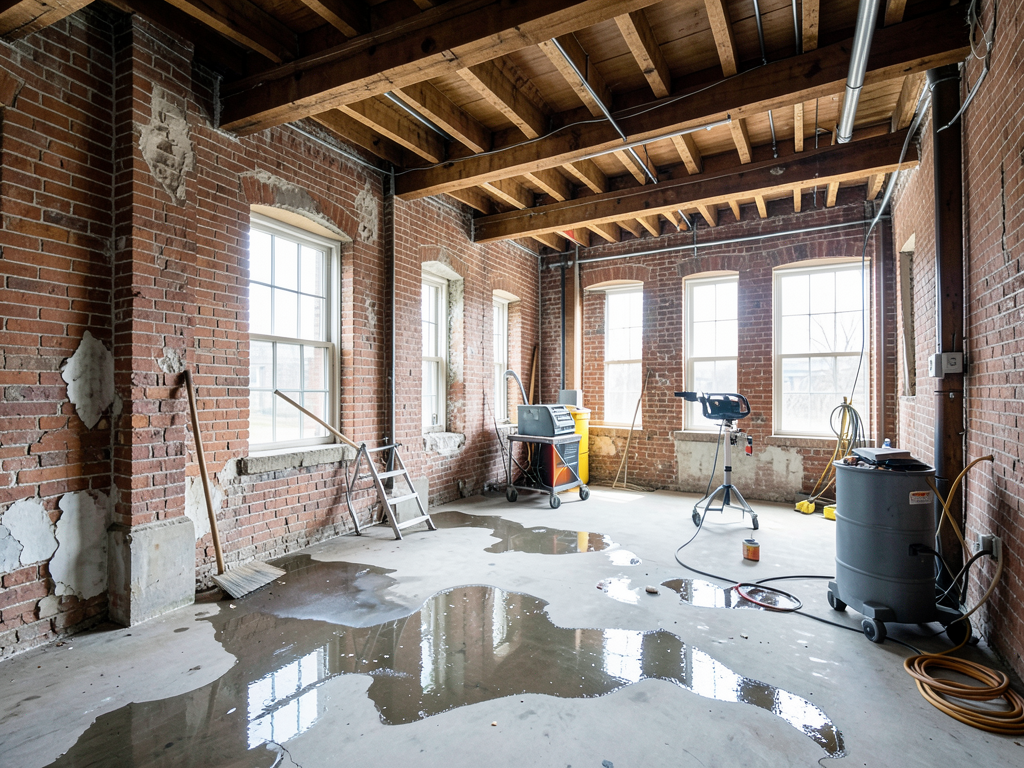
Water gushing from a burst pipe in your North Loop loft creates an emergency that demands immediate action. The exposed brick walls, timber beams, and polished concrete floors that give your space character also create unique challenges when water damage strikes. Within the first hour, water can seep deep into these materials, causing warping, staining, and potential structural issues. Quick response prevents thousands in restoration costs and protects the industrial character that makes your loft valuable. Finding Fast Emergency Water Removal in the North Loop Neighborhood.
Immediate Emergency Response Steps
Shut off the main water valve immediately to stop the flow. Most North Loop loft buildings have the main valve in the basement utility area or near the elevator bank. If you cannot locate it, contact building management or call emergency services. Once the water stops, begin removing standing water using towels, mops, or a wet vacuum if available. Open windows and doors to promote air circulation, but avoid using electrical appliances in wet areas. Immediate Water Damage Mitigation for Downtown Minneapolis Businesses.
Document everything with photos before moving furniture or starting cleanup. This documentation proves essential for insurance claims, especially in multi-unit buildings where liability may be shared between individual owners and the building association. Contact your insurance provider within 24 hours to report the incident and understand your coverage for water damage restoration. Server Room Water Damage.
Unique Challenges of Loft Water Restoration
Industrial lofts in the North Loop present distinct restoration challenges compared to standard residential spaces. The high ceilings, often exceeding 12 feet, require specialized drying equipment to reach upper wall cavities and prevent moisture from traveling upward through brick and timber. Exposed brick walls absorb water like a sponge, requiring industrial dehumidifiers and moisture meters to ensure complete drying. Timber beams and posts, often over 100 years old, can warp or crack if dried too quickly, necessitating controlled temperature and humidity levels during restoration.. Read more about Protecting Exposed Brick Walls in North Loop Lofts from Moisture and Efflorescence.
Polished concrete floors, while water-resistant on the surface, can develop efflorescence or staining if moisture penetrates the slab. The shared plumbing systems common in loft buildings mean a burst pipe in one unit can affect multiple floors, complicating the restoration process and requiring coordination with building management. Many North Loop lofts feature historic preservation elements that require specialized restoration techniques to maintain their character while ensuring structural integrity.
Professional Restoration Process for Industrial Spaces
Professional water damage restoration follows a systematic approach designed specifically for industrial loft environments. The process begins with a comprehensive inspection using moisture meters, thermal imaging cameras, and hygrometers to map the extent of water migration through brick, timber, and concrete. Water extraction uses commercial-grade pumps and vacuums capable of removing hundreds of gallons per hour from large open spaces.
Drying involves strategically placing high-velocity air movers and industrial dehumidifiers throughout the loft. The equipment configuration considers the unique airflow patterns created by high ceilings and open floor plans. Technicians monitor moisture levels daily, adjusting equipment placement to ensure even drying of all materials. The process typically takes 3-5 days for industrial spaces, longer than standard residential restoration due to the density of historic building materials.
Cleaning and sanitization address the specific contaminants present in loft environments. This includes removing any mold spores that may have begun growing in the 24-48 hours since the water event. Final restoration may involve brick cleaning, timber stabilization, or concrete polishing to return the space to its pre-damage condition while preserving its industrial character.
Insurance Navigation for Multi-Unit Loft Buildings
Water damage in North Loop lofts often involves complex insurance scenarios due to shared building systems and historic preservation requirements. Individual unit insurance typically covers personal property and interior finishes, while the building association’s insurance covers common areas and structural elements. When a pipe burst originates from a shared system, determining liability requires reviewing building documents and municipal codes. Repairing Interior Water Damage from Ice Dams in Minnetonka.
Minneapolis building code Chapter 24 requires that all restoration work in historic districts meet specific preservation standards. This means restoration contractors must document original materials and work with preservation boards when necessary. The restoration process must comply with both insurance requirements and historic preservation guidelines, requiring contractors with experience in both areas.
Documentation becomes critical in multi-unit scenarios. Professional restoration companies provide detailed reports showing the source of the water damage, the extent of affected areas, and the restoration methods used. This documentation satisfies insurance adjusters and building management while protecting the property owner from future liability claims.
Common Causes of Loft Pipe Bursts in Minneapolis
Minneapolis’s extreme temperature variations create conditions that frequently cause pipe bursts in industrial lofts. The freeze-thaw cycles common in Minnesota cause pipes to expand and contract, weakening joints and connections over time. North Loop lofts, many built in the early 1900s, often have original plumbing that has reached the end of its service life. The aging infrastructure in downtown Minneapolis, particularly in historic warehouse districts, contributes to frequent plumbing failures.
High water pressure in older buildings can stress pipes beyond their design capacity, especially during peak usage times. The combination of hard water common in Minneapolis and the mineral buildup it causes can restrict flow and increase pressure within pipes. Shared plumbing risers in multi-unit buildings mean a problem in one unit can affect several others, creating cascading failures during extreme weather events.
Summer humidity in Minneapolis can also contribute to pipe problems. The moisture in the air can condense on cold water pipes, leading to corrosion and eventual failure. This is particularly problematic in lofts with poor ventilation or those that remain unoccupied for extended periods, allowing moisture to accumulate unnoticed.
Prevention Strategies for Loft Owners
Regular plumbing inspections can identify potential problems before they cause major damage. Look for signs of corrosion, water stains on ceilings or walls, and reduced water pressure. Install water leak detection systems that can shut off the main supply automatically when a leak is detected. These systems are particularly valuable for loft owners who travel frequently or own multiple properties.
Maintain consistent temperatures in your loft, especially during winter months. Set thermostats to at least 55 degrees Fahrenheit when away to prevent freezing. Insulate exposed pipes in unheated areas like mechanical rooms or near exterior walls. Consider installing water hammer arrestors to reduce pressure spikes that can stress plumbing connections.
Know your building’s plumbing layout and the location of all shut-off valves. Many North Loop lofts have complex plumbing systems with multiple zones. Understanding how your system works helps you respond quickly during emergencies and communicate effectively with restoration professionals. Keep contact information for your building management, insurance provider, and a trusted restoration company readily available.
Why Choose Local North Loop Restoration Experts
Restoration companies familiar with North Loop lofts understand the specific challenges these spaces present. They know the building codes, historic preservation requirements, and insurance protocols unique to downtown Minneapolis. Local experts can respond within 60 minutes, crucial for minimizing water damage in industrial spaces where water migrates quickly through open floor plans and high ceilings. Expert Mold Remediation for Older Apartments in Uptown Minneapolis.
Professional restoration teams carry the equipment necessary for large-scale industrial drying, including commercial dehumidifiers, air movers, and moisture detection technology. They understand how to work in occupied buildings without disrupting neighboring units and can coordinate with building management to ensure all necessary permits and approvals are obtained.
Experience with similar properties means these professionals can accurately assess damage, provide realistic timelines, and offer solutions that preserve the industrial character of your space. They understand the value of original materials and can recommend restoration techniques that maintain authenticity while ensuring long-term durability.
Cost Factors in Loft Water Restoration
Restoration costs for North Loop lofts vary based on several factors unique to industrial spaces. The extent of water migration through brick and timber affects drying time and equipment needs. High ceilings require additional equipment and labor to reach upper areas. Historic preservation requirements may necessitate specialized cleaning or restoration techniques that increase costs but protect your investment.
Insurance coverage significantly impacts out-of-pocket expenses. Many loft owners discover that their individual policies have limitations on water damage coverage, particularly for shared systems. Understanding your coverage before an emergency occurs helps you prepare financially and make informed decisions during the restoration process. EPA mold guidelines.
Prevention costs are typically much lower than restoration expenses. A comprehensive plumbing inspection and minor repairs cost far less than emergency restoration services. Consider the potential loss of income if your loft serves as a home office or rental property when evaluating prevention investments.
Frequently Asked Questions
How long does water damage restoration take in a loft?
Water damage restoration in industrial lofts typically takes 3-5 days for complete drying, though this can extend if extensive water migration occurred through brick or timber. The high ceilings and open floor plans require more equipment and monitoring than standard residential spaces. Final restoration work, such as brick cleaning or timber stabilization, may add additional time depending on the extent of damage.
Will my insurance cover water damage from a burst pipe?
Most standard homeowners insurance policies cover sudden and accidental water damage from burst pipes. However, coverage can be complex in multi-unit loft buildings where liability may be shared. Review your policy details and contact your insurance provider immediately after a burst pipe occurs. Document all damage thoroughly to support your claim.
Can I stay in my loft during the restoration process?
Whether you can remain in your loft during restoration depends on the extent of the damage and the restoration methods required. If only a portion of the space is affected and proper containment measures are in place, you may be able to stay. However, the noise from drying equipment and potential air quality concerns often make temporary relocation advisable, especially for extensive damage.
What should I do if the burst pipe is in a shared wall?
If the burst pipe is in a shared wall, immediately notify building management and document the damage with photos. The source of the water and the affected areas will determine liability. Building management should shut off the water supply to prevent further damage. Contact a restoration professional who has experience with multi-unit buildings and can coordinate with all parties involved.
How can I prevent future pipe bursts in my loft?
Prevent future pipe bursts by maintaining consistent temperatures, insulating exposed pipes, and installing water leak detection systems. Schedule regular plumbing inspections to identify potential problems before they cause damage. Consider replacing old plumbing components, especially in historic lofts where original pipes may be nearing the end of their service life. Understanding your building’s plumbing system and knowing the location of all shut-off valves helps you respond quickly to future emergencies.
Call for Emergency Water Damage Restoration
Water damage in your North Loop loft requires immediate professional attention to prevent further damage and protect your investment. The unique construction of industrial lofts demands specialized restoration techniques that only experienced professionals can provide. Don’t wait for the damage to spread or for mold to develop in the 24-48 hours following a water event.
Pick up the phone and call (651) 677-5055 today to schedule your inspection. Our team understands the specific challenges of restoring industrial lofts in the North Loop and can respond within 60 minutes to begin emergency water extraction and drying. We work directly with your insurance company and building management to ensure a smooth restoration process that preserves the character and value of your loft space.
Every hour counts when water damage strikes your industrial loft. The exposed brick, timber beams, and high ceilings that make your space unique also require immediate professional attention to prevent permanent damage. Call (651) 677-5055 now and let our experienced team restore your North Loop loft to its pre-damage condition while preserving its industrial character. For more information, visit IICRC S500 standards.
You may also find this helpful. Why Daycare Centers in Bloomington Need Specialized Sanitization After a Plumbing Failure.
{
“@context”: “https://schema.org”,
“@type”: “BlogPosting”,
“headline”: “What to Do When Your Industrial Loft in the North Loop Suffers a Pipe Burst”,
“description”: “A pipe burst in your North Loop loft requires immediate action. Learn emergency steps, drying techniques for exposed brick and timber, and how to protect your industrial space from water damage.”,
“wordCount”: 1995,
“datePublished”: “2026-05-07T14:53:00.000Z”,
“dateModified”: “2026-05-07T14:53:00.000Z”,
“inLanguage”: “en-US”,
“mainEntityOfPage”: {
“@type”: “WebPage”,
“@id”: “https://pioneerwaterdamagerestorationminneapolis.com”
},
“publisher”: {
“@type”: “LocalBusiness”,
“name”: “Pioneer Water Damage Restoration Minneapolis”,
“url”: “https://pioneerwaterdamagerestorationminneapolis.com”
},
“author”: {
“@type”: “Organization”,
“name”: “Pioneer Water Damage Restoration Minneapolis”,
“url”: “https://pioneerwaterdamagerestorationminneapolis.com”
},
“image”: {
“@type”: “ImageObject”,
“url”: “https://pioneerwaterdamagerestorationminneapolis.com/wp-content/uploads/2026/03/what-to-do-when-your-industrial-loft-in-the-north-1.png”
}
}
{
“@context”: “https://schema.org”,
“@type”: “LocalBusiness”,
“name”: “Pioneer Water Damage Restoration Minneapolis”,
“url”: “https://pioneerwaterdamagerestorationminneapolis.com”,
“address”: {
“@type”: “PostalAddress”,
“addressLocality”: “Minneapolis”
},
“areaServed”: {
“@type”: “City”,
“name”: “Minneapolis”
}
}
{
“@context”: “https://schema.org”,
“@type”: “FAQPage”,
“mainEntity”: [
{
“@type”: “Question”,
“name”: “How long does water damage restoration take in a loft?”,
“acceptedAnswer”: {
“@type”: “Answer”,
“text”: “Water damage restoration in industrial lofts typically takes 3-5 days for complete drying, though this can extend if extensive water migration occurred through brick or timber. The high ceilings and open floor plans require more equipment and monitoring than standard residential spaces. Final restoration work, such as brick cleaning or timber stabilization, may add additional time depending on the extent of damage.”
}
},
{
“@type”: “Question”,
“name”: “Will my insurance cover water damage from a burst pipe?”,
“acceptedAnswer”: {
“@type”: “Answer”,
“text”: “Most standard homeowners insurance policies cover sudden and accidental water damage from burst pipes. However, coverage can be complex in multi-unit loft buildings where liability may be shared. Review your policy details and contact your insurance provider immediately after a burst pipe occurs. Document all damage thoroughly to support your claim.”
}
},
{
“@type”: “Question”,
“name”: “Can I stay in my loft during the restoration process?”,
“acceptedAnswer”: {
“@type”: “Answer”,
“text”: “Whether you can remain in your loft during restoration depends on the extent of the damage and the restoration methods required. If only a portion of the space is affected and proper containment measures are in place, you may be able to stay. However, the noise from drying equipment and potential air quality concerns often make temporary relocation advisable, especially for extensive damage.”
}
},
{
“@type”: “Question”,
“name”: “What should I do if the burst pipe is in a shared wall?”,
“acceptedAnswer”: {
“@type”: “Answer”,
“text”: “If the burst pipe is in a shared wall, immediately notify building management and document the damage with photos. The source of the water and the affected areas will determine liability. Building management should shut off the water supply to prevent further damage. Contact a restoration professional who has experience with multi-unit buildings and can coordinate with all parties involved.”
}
},
{
“@type”: “Question”,
“name”: “How can I prevent future pipe bursts in my loft?”,
“acceptedAnswer”: {
“@type”: “Answer”,
“text”: “Prevent future pipe bursts by maintaining consistent temperatures, insulating exposed pipes, and installing water leak detection systems. Schedule regular plumbing inspections to identify potential problems before they cause damage. Consider replacing old plumbing components, especially in historic lofts where original pipes may be nearing the end of their service life. Understanding your building’s plumbing system and knowing the location of all shut-off valves helps you respond quickly to future emergencies.”
}
}
]
}
{
“@context”: “https://schema.org”,
“@type”: “BreadcrumbList”,
“itemListElement”: [
{
“@type”: “ListItem”,
“position”: 1,
“name”: “Home”,
“item”: “https://pioneerwaterdamagerestorationminneapolis.com”
},
{
“@type”: “ListItem”,
“position”: 2,
“name”: “Blog”,
“item”: “https://pioneerwaterdamagerestorationminneapolis.com/blog”
},
{
“@type”: “ListItem”,
“position”: 3,
“name”: “What to Do When Your Industrial Loft in the North Loop Suffers a Pipe Burst”
}
]
}
{
“@context”: “https://schema.org”,
“@type”: “Service”,
“serviceType”: “Water Damage Restoration”,
“provider”: {
“@type”: “LocalBusiness”,
“name”: “Pioneer Water Damage Restoration Minneapolis”,
“url”: “https://pioneerwaterdamagerestorationminneapolis.com”
},
“areaServed”: {
“@type”: “City”,
“name”: “Minneapolis”
},
“description”: “A pipe burst in your North Loop loft requires immediate action. Learn emergency steps, drying techniques for exposed brick and timber, and how to protect your industrial space from water damage.”
}