
Why Your Eden Prairie Window Wells Keep Filling with Water During Heavy Rain
Window wells in Eden Prairie homes often fill with water during heavy rain because of the area’s clay-heavy soil and aging drainage systems. When rain hits the compacted clay, it cannot absorb quickly enough, causing water to pool around foundation walls. This hydrostatic pressure forces water through the weakest points—often your window wells. If the gravel base is clogged with silt or the drain is blocked, water has nowhere to go but inside your basement. Immediate Water Damage Mitigation for Downtown Minneapolis Businesses.
The problem worsens in older Eden Prairie neighborhoods where original drainage systems were not designed for today’s intense rainfall patterns. Homes near Anderson Lakes or in the Flying Cloud Airport area experience this frequently. You hear the gurgle of water backing up, see the silt line on the window frame, and smell the musty odor that follows. These are warning signs your window well system needs immediate attention. Server Room Water Damage.
Emergency Steps: What to Do Right Now
If your window well is filling during a storm, act quickly to prevent basement flooding. First, check if the window well cover is intact and properly seated. A missing or cracked cover allows direct rain entry. Next, look for visible debris—leaves, sticks, or soil that may be blocking the drain at the bottom of the well.
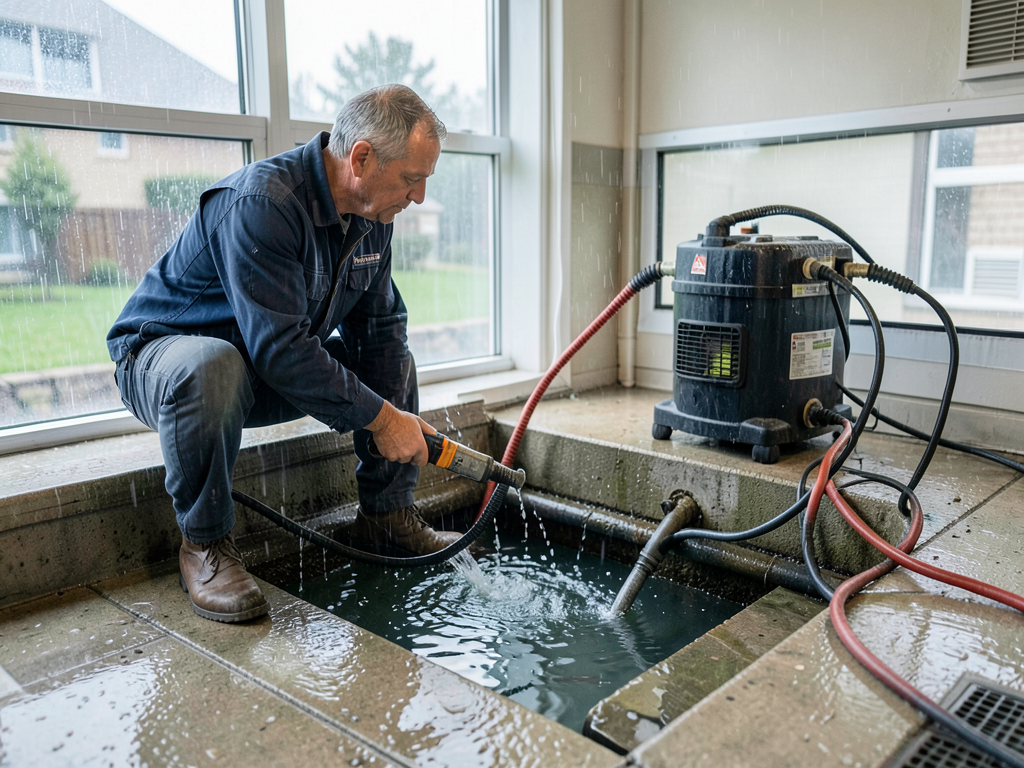
If water is rising toward the window sill, use a wet/dry vacuum or bucket to remove standing water. For severe cases, a submersible pump can evacuate water faster. Do not wait for the storm to pass—every minute of standing water increases the risk of seepage through the window frame or foundation cracks. EPA Mold Guidelines.
Once the immediate threat passes, inspect the interior basement wall below the window for dampness or staining. This indicates water has already entered. At this point, call (651) 677-5055 for professional water extraction and drying to prevent mold growth within 24-48 hours. Repairing Interior Water Damage from Ice Dams in Minnetonka.
Why Eden Prairie Homes Suffer from Window Well Flooding
Eden Prairie’s soil composition is a major factor in window well flooding. The region sits on dense clay that drains slowly, especially when compacted by years of foot traffic or landscaping. During spring snowmelt or summer thunderstorms, this clay becomes saturated quickly. Water follows the path of least resistance—often toward your home’s foundation.
Many Eden Prairie homes were built before modern drainage codes required exterior perimeter drains. Without these systems, water accumulates in the soil directly against basement walls. The pressure builds until it finds entry points through window wells, cracks, or utility penetrations.
Neighborhoods near the Minnesota River Valley or in low-lying areas like those around Purgatory Creek experience higher water tables. This means the ground is already saturated before rain begins, leaving no buffer for additional water. When heavy rain hits, window wells become the first line of defense—and often the first point of failure.
Our Professional Window Well Restoration Process
When you call for help, our certified technicians follow a systematic process to restore your window well’s drainage function. First, we extract all standing water using commercial-grade pumps and vacuums. This prevents further seepage and allows us to inspect the damage clearly.
Next, we remove all debris from the well—leaves, sediment, and deteriorated gravel that may be clogging the drain. We then use a high-pressure water jet to clear the drain line connected to your home’s perimeter drainage system. If the line is collapsed or disconnected, we repair or replace it to restore proper flow.
After cleaning, we reinstall clean, washed gravel to the proper depth—typically 4-6 inches. This gravel acts as a filter and allows water to drain quickly. We also inspect the window frame and seal for gaps, applying waterproof caulk where needed.
Finally, we test the system by running water through the well to ensure it drains within minutes. If the water pools, we investigate further for underground obstructions or soil settlement issues.
Long-Term Prevention Strategies
Preventing future window well flooding requires addressing both the well itself and the surrounding landscape. Start with a custom-fitted window well cover designed for Minnesota’s snow loads and wind. Standard flat covers often fail under heavy snow; domed or sloped covers shed precipitation more effectively.
Consider installing an interior perimeter drain system if your home lacks one. This system collects water from the foundation walls and directs it to a sump pump. In Eden Prairie, where clay soil retains moisture, this can significantly reduce hydrostatic pressure against your basement.
Proper yard grading is critical. Soil should slope away from your foundation at a minimum of 6 inches over 10 feet. This simple change directs water away from window wells rather than toward them. Also, extend downspouts at least 6 feet from the foundation to prevent roof runoff from pooling near windows.
For homes in flood-prone areas, a battery backup sump pump provides protection during power outages—common during summer thunderstorms. These systems automatically activate when the primary pump fails, giving you peace of mind during heavy rain events.
Local Case Study: Recent Project in Eden Prairie
Earlier this year, we responded to a call from a homeowner near the Eden Prairie Center whose basement flooded during a spring storm. The window wells were filling rapidly, and water was seeping through the egress window into the finished basement. Our team arrived within 90 minutes.
Upon inspection, we found the window well drains were completely clogged with a combination of silt, tree roots, and deteriorated gravel. The clay soil around the foundation was saturated, creating hydrostatic pressure against the basement wall. We extracted the water, cleared the drains using hydro-jetting equipment, and replaced the gravel with clean, washed stone.
We also discovered the window well cover was a standard flat design that had collapsed under the weight of snow and ice. We replaced it with a reinforced, sloped cover rated for Minnesota winters. The homeowner has not experienced flooding since, even during subsequent heavy rain events.
This case highlights how Eden Prairie’s unique soil and weather conditions require specialized solutions. Generic fixes often fail because they don’t account for local factors like clay soil and freeze-thaw cycles.
Understanding Window Well Drainage Systems
A properly functioning window well drainage system includes several components working together. The well itself is a semi-circular or rectangular excavation around the window, typically 12-18 inches deep. The bottom layer contains clean gravel that allows water to drain while filtering out debris.
Beneath the gravel, a drain pipe connects to the home’s perimeter drainage system or daylight to a safe discharge point. This pipe must remain clear to handle water flow during storms. Many failures occur when this pipe becomes blocked by roots, sediment, or soil settlement.
The window frame and seal form the final barrier. Even with perfect drainage, a compromised seal allows water entry. We recommend inspecting these seals annually and replacing them if you notice cracking or separation.
According to the International Residential Code (IRC), egress windows must meet specific size requirements for emergency escape. However, the code does not mandate drainage systems for window wells. This gap means many homes rely on original construction methods that may not handle today’s weather intensity. Finding Fast Emergency Water Removal in the North Loop Neighborhood.
Minnesota Building Codes and Window Wells
Minnesota building codes require egress windows in basement bedrooms to meet minimum size standards for emergency escape. The Minnesota State Building Code Section 1029.2 specifies that egress windows must provide at least 5.7 square feet of opening, with a minimum width of 20 inches and height of 24 inches.
However, the code does not address window well drainage requirements. This omission means homeowners must proactively manage water around egress windows. The lack of drainage standards contributes to the widespread window well flooding issues in Eden Prairie and other Minnesota communities.
For homes built before 2015, when many current codes were updated, drainage systems may not meet modern standards. If you’re renovating or finishing a basement, consider upgrading window well drainage to prevent future water damage. This investment often costs less than repairing flood damage.
Comparing Window Well Cover Options
| Cover Type | Material | Snow Load Rating | Cost Range | Best For |
|---|---|---|---|---|
| Standard Flat Plastic | Polycarbonate | Up to 20 lbs/sq ft | $50-$150 | Light rain, no snow |
| Domed Polycarbonate | Reinforced Polycarbonate | Up to 40 lbs/sq ft | $150-$300 | Moderate snow areas |
| Metal Grate with Cover | Aluminum/Stainless Steel | Up to 60 lbs/sq ft | $300-$500 | Heavy snow, high wind |
| Custom-Fit Sloped | Polycarbonate or Metal | Up to 50 lbs/sq ft | $250-$400 | All-weather protection |
Common Window Well Drainage Problems
Several issues commonly cause window well flooding in Eden Prairie homes. Clogged drains are the most frequent problem. Over time, silt, leaves, and debris accumulate in the gravel layer, preventing water from reaching the drain pipe. Without proper filtration, this material enters the pipe and creates blockages.
Soil settlement around the foundation is another major issue. As soil compacts or washes away, it creates low spots that direct water toward window wells rather than away from the house. This problem is especially common in older neighborhoods where original grading has shifted over decades.
Root intrusion from nearby trees or shrubs can damage drain pipes. Tree roots seek moisture and often enter drainage systems through small cracks or joints. Once inside, roots grow rapidly, creating dense mats that block water flow completely.
Finally, improper installation of window well covers or lack of covers altogether allows direct rain entry. During heavy storms, this can overwhelm even properly functioning drainage systems. Minnesota’s freeze-thaw cycles also cause covers to crack or become brittle over time, compromising their effectiveness.
When to Call for Professional Help
DIY solutions work for minor issues, but certain situations require professional intervention. If your window well fills repeatedly despite cleaning, the problem likely extends beyond the well itself. This could indicate foundation drainage issues, high water table, or structural problems that need expert diagnosis. Expert Mold Remediation for Older Apartments in Uptown Minneapolis.
Standing water that persists for more than 24 hours after rain stops suggests a serious drainage failure. This creates ideal conditions for mold growth and can damage your foundation over time. Professional water extraction and drying prevent these secondary problems.
If you notice water stains on basement walls below windows or detect musty odors, water has already entered your home. At this point, you need both water damage restoration and the underlying drainage issue fixed. Professional restoration ensures proper drying to prevent mold and structural damage.
Emergency situations require immediate response. If water is actively entering your basement during a storm, call (651) 677-5055. Our 24/7 emergency teams can deploy within hours to prevent extensive damage to your home and belongings.
Preventing Future Window Well Flooding
Prevention starts with understanding your home’s specific vulnerabilities. Homes in Eden Prairie’s older neighborhoods face different challenges than newer constructions. Age, soil conditions, and original drainage design all affect your risk level.
Schedule annual inspections of your window wells before the rainy season. Check for debris accumulation, inspect covers for damage, and test drainage by running water through the system. Early detection prevents emergency situations.
Consider a professional drainage assessment if you’ve experienced repeated flooding. This evaluation examines your entire foundation drainage system, not just the window wells. Solutions might include exterior French drains, interior perimeter systems, or sump pump upgrades.
Landscaping modifications can also help. Strategic planting away from foundation walls reduces root intrusion risk. Proper mulching and ground cover prevent soil erosion that creates drainage problems. Even small changes in yard grading can significantly reduce water accumulation near your home.
Remember that Minnesota’s weather patterns are changing. More frequent heavy rain events mean drainage systems designed for past conditions may no longer be adequate. Proactive upgrades protect your home against increasingly severe weather.
Cost Factors for Window Well Repairs
Repair costs vary based on the extent of damage and required solutions. Basic cleaning and gravel replacement typically costs $200-$500 per window well. This includes water extraction, debris removal, drain cleaning, and new gravel installation.
Cover replacement ranges from $150 for standard covers to $400+ for custom-fitted, heavy-duty options. While more expensive initially, quality covers prevent costly flood damage and reduce long-term maintenance needs.
Major repairs like drain line replacement or foundation drainage system installation cost $1,000-$3,000 or more. These solutions address systemic problems rather than symptoms, providing long-term protection against flooding.
Emergency response services during active flooding cost more due to after-hours rates and immediate deployment requirements. However, this expense is minimal compared to repairing extensive water damage to finished basements, flooring, and personal belongings.
Insurance may cover some costs if flooding results from sudden, accidental events. However, gradual water intrusion or maintenance-related issues typically aren’t covered. Check your policy details and consider flood insurance if you’re in a high-risk area.
Frequently Asked Questions
How can I tell if my window well drain is clogged?
Signs of a clogged drain include water pooling in the well during rain, slow drainage after storms, or visible debris in the gravel. You can test by pouring a bucket of water into the well—if it doesn’t drain within 15-20 minutes, the drain is likely blocked.
Can I install a window well cover myself?
Basic flat covers are DIY-friendly, but custom-fitted or heavy-duty covers require precise measurements and proper installation. Improperly installed covers can collapse under snow load or fail to seal properly, allowing water entry. For best results, consider professional installation.
How often should window wells be cleaned?
Clean window wells at least twice yearly—once in spring after snowmelt and once in fall after leaves drop. Homes with many trees nearby may need quarterly cleaning. Regular maintenance prevents debris buildup that leads to drainage failures.
Will a sump pump help with window well flooding?
A sump pump helps by removing water from your foundation’s drainage system, but it doesn’t fix window well drainage problems directly. However, if your window wells connect to interior perimeter drains that feed the sump pump, a properly functioning pump is essential for the system to work.
What’s the difference between window well repair and basement waterproofing?
Window well repair addresses specific drainage issues around individual windows. Basement waterproofing is a comprehensive approach that may include exterior foundation sealing, interior drainage systems, and sump pump installation. Both may be needed for complete protection against water intrusion.
Don’t wait for the next storm to discover your window wells can’t handle heavy rain. Call (651) 677-5055 today to schedule your inspection and protect your Eden Prairie home from water damage. Our experienced technicians understand local soil conditions and building challenges, providing solutions that work in Minnesota’s unique climate.
Pick up the phone and call (651) 677-5055 before the next storm hits. Every hour of delay increases the risk of basement flooding and costly repairs. We’re ready to help 24/7 with emergency response and professional restoration services you can trust. For more information, visit FEMA Flood Insurance.
{
“@context”: “https://schema.org”,
“@type”: “BlogPosting”,
“headline”: “Why Your Eden Prairie Window Wells Keep Filling with Water During Heavy Rain”,
“description”: “Discover why Eden Prairie window wells flood during heavy rain and learn expert solutions to prevent basement water damage. Call (651) 677-5055 for 24/7 emergency service.”,
“wordCount”: 2492,
“datePublished”: “2026-06-02T07:30:00.000Z”,
“dateModified”: “2026-06-02T07:30:00.000Z”,
“inLanguage”: “en-US”,
“mainEntityOfPage”: {
“@type”: “WebPage”,
“@id”: “https://pioneerwaterdamagerestorationminneapolis.com”
},
“publisher”: {
“@type”: “LocalBusiness”,
“name”: “Pioneer Water Damage Restoration Minneapolis”,
“url”: “https://pioneerwaterdamagerestorationminneapolis.com”
},
“author”: {
“@type”: “Organization”,
“name”: “Pioneer Water Damage Restoration Minneapolis”,
“url”: “https://pioneerwaterdamagerestorationminneapolis.com”
},
“image”: {
“@type”: “ImageObject”,
“url”: “https://pioneerwaterdamagerestorationminneapolis.com/wp-content/uploads/2026/03/why-your-eden-prairie-window-wells-keep-filling-wi-1.png”
}
}
{
“@context”: “https://schema.org”,
“@type”: “LocalBusiness”,
“name”: “Pioneer Water Damage Restoration Minneapolis”,
“url”: “https://pioneerwaterdamagerestorationminneapolis.com”,
“address”: {
“@type”: “PostalAddress”,
“addressLocality”: “Minneapolis”
},
“areaServed”: {
“@type”: “City”,
“name”: “Minneapolis”
}
}
{
“@context”: “https://schema.org”,
“@type”: “FAQPage”,
“mainEntity”: [
{
“@type”: “Question”,
“name”: “How can I tell if my window well drain is clogged?”,
“acceptedAnswer”: {
“@type”: “Answer”,
“text”: “Signs of a clogged drain include water pooling in the well during rain, slow drainage after storms, or visible debris in the gravel. You can test by pouring a bucket of water into the well—if it doesn’t drain within 15-20 minutes, the drain is likely blocked.”
}
},
{
“@type”: “Question”,
“name”: “Can I install a window well cover myself?”,
“acceptedAnswer”: {
“@type”: “Answer”,
“text”: “Basic flat covers are DIY-friendly, but custom-fitted or heavy-duty covers require precise measurements and proper installation. Improperly installed covers can collapse under snow load or fail to seal properly, allowing water entry. For best results, consider professional installation.”
}
},
{
“@type”: “Question”,
“name”: “How often should window wells be cleaned?”,
“acceptedAnswer”: {
“@type”: “Answer”,
“text”: “Clean window wells at least twice yearly—once in spring after snowmelt and once in fall after leaves drop. Homes with many trees nearby may need quarterly cleaning. Regular maintenance prevents debris buildup that leads to drainage failures.”
}
},
{
“@type”: “Question”,
“name”: “Will a sump pump help with window well flooding?”,
“acceptedAnswer”: {
“@type”: “Answer”,
“text”: “A sump pump helps by removing water from your foundation’s drainage system, but it doesn’t fix window well drainage problems directly. However, if your window wells connect to interior perimeter drains that feed the sump pump, a properly functioning pump is essential for the system to work.”
}
},
{
“@type”: “Question”,
“name”: “What’s the difference between window well repair and basement waterproofing?”,
“acceptedAnswer”: {
“@type”: “Answer”,
“text”: “Window well repair addresses specific drainage issues around individual windows. Basement waterproofing is a comprehensive approach that may include exterior foundation sealing, interior drainage systems, and sump pump installation. Both may be needed for complete protection against water intrusion.”
}
}
]
}
{
“@context”: “https://schema.org”,
“@type”: “BreadcrumbList”,
“itemListElement”: [
{
“@type”: “ListItem”,
“position”: 1,
“name”: “Home”,
“item”: “https://pioneerwaterdamagerestorationminneapolis.com”
},
{
“@type”: “ListItem”,
“position”: 2,
“name”: “Blog”,
“item”: “https://pioneerwaterdamagerestorationminneapolis.com/blog”
},
{
“@type”: “ListItem”,
“position”: 3,
“name”: “Why Your Eden Prairie Window Wells Keep Filling with Water During Heavy Rain”
}
]
}
{
“@context”: “https://schema.org”,
“@type”: “Service”,
“serviceType”: “Water Damage Restoration”,
“provider”: {
“@type”: “LocalBusiness”,
“name”: “Pioneer Water Damage Restoration Minneapolis”,
“url”: “https://pioneerwaterdamagerestorationminneapolis.com”
},
“areaServed”: {
“@type”: “City”,
“name”: “Minneapolis”
},
“description”: “Discover why Eden Prairie window wells flood during heavy rain and learn expert solutions to prevent basement water damage. Call (651) 677-5055 for 24/7 emergency service.”
}